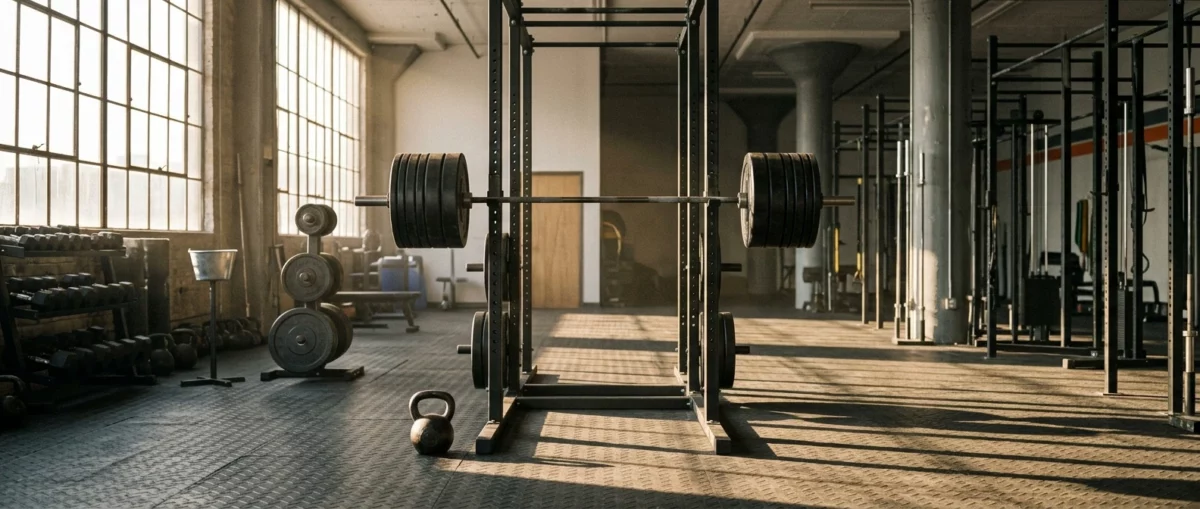
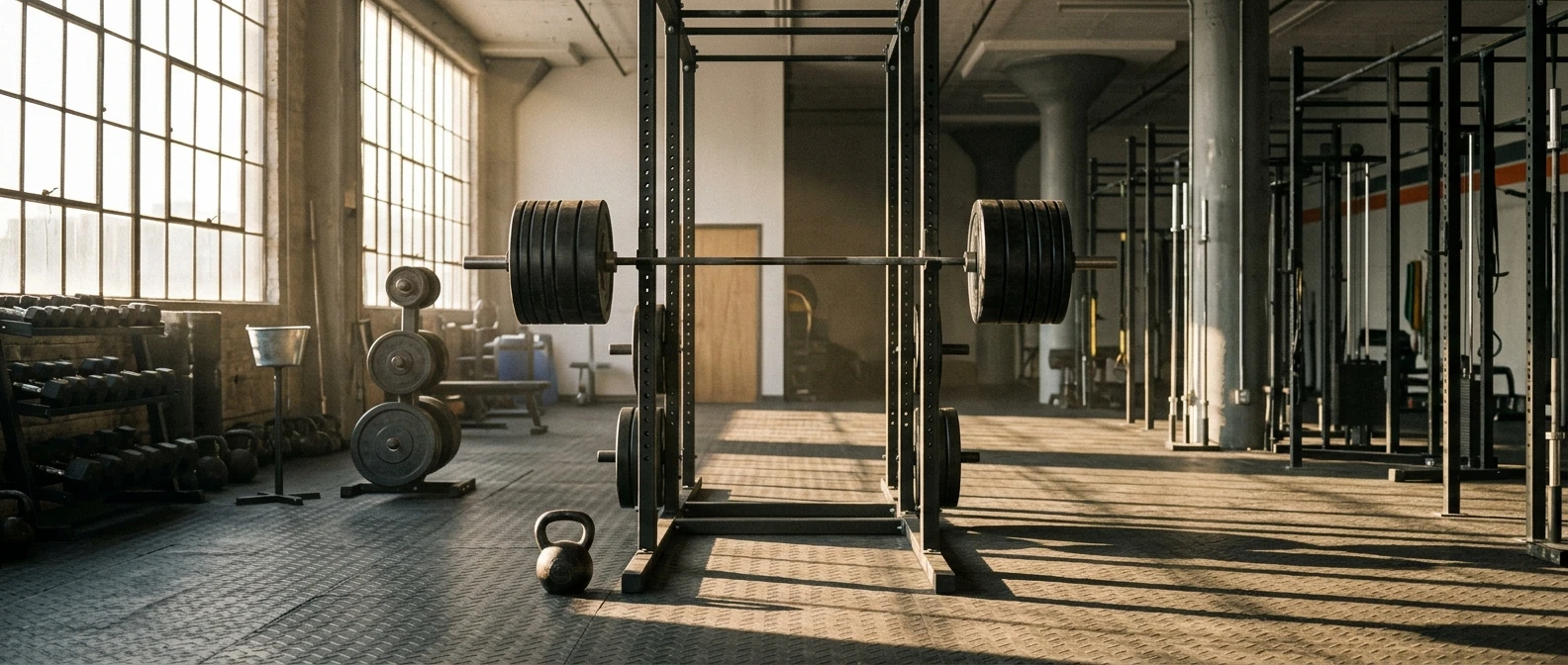
Power output is a function of force and velocity moving in the same direction at the same time, and the amount of force a muscle can produce depends heavily on how much resistance it is working against. Kettlebells and bodyweight drills build real strength and real speed, but they top out at a load ceiling that a barbell simply does not have. If you already train with kettlebells or bodyweight methods and want to know why barbell work keeps showing up in serious strength programs, the answer comes down to physics, not fashion.
Why Load Matters More Than Fatigue: The Physics of Power
Power is calculated as force multiplied by velocity. To produce more power, you either move more weight, move it faster, or both. A 24kg kettlebell has a fixed mass, and no matter how explosively you swing or clean it, the resistance it offers your muscles stays the same. A barbell has no such ceiling. You can load it with 60kg today and 140kg in a year, and the bar itself never changes shape, balance, or grip demand as the plates go on.
This matters because maximal force production is trained by exposing the nervous system to loads that recruit more motor units to move. Light-to-moderate loads moved fast build rate of force development, which is its own valuable adaptation, and the rate of force development guide for lifters covers that territory well. But the absolute strength ceiling, the amount of force a muscle can generate under maximal tension, requires loads that bodyweight and kettlebell training cannot supply once a lifter gets reasonably strong. A barbell is the tool that keeps giving you somewhere to go.
The Big Four: Squat, Deadlift, Bench Press, and Overhead Press Explained
Four barbell lifts do most of the work in a power-focused program, and each one trains a distinct pattern.
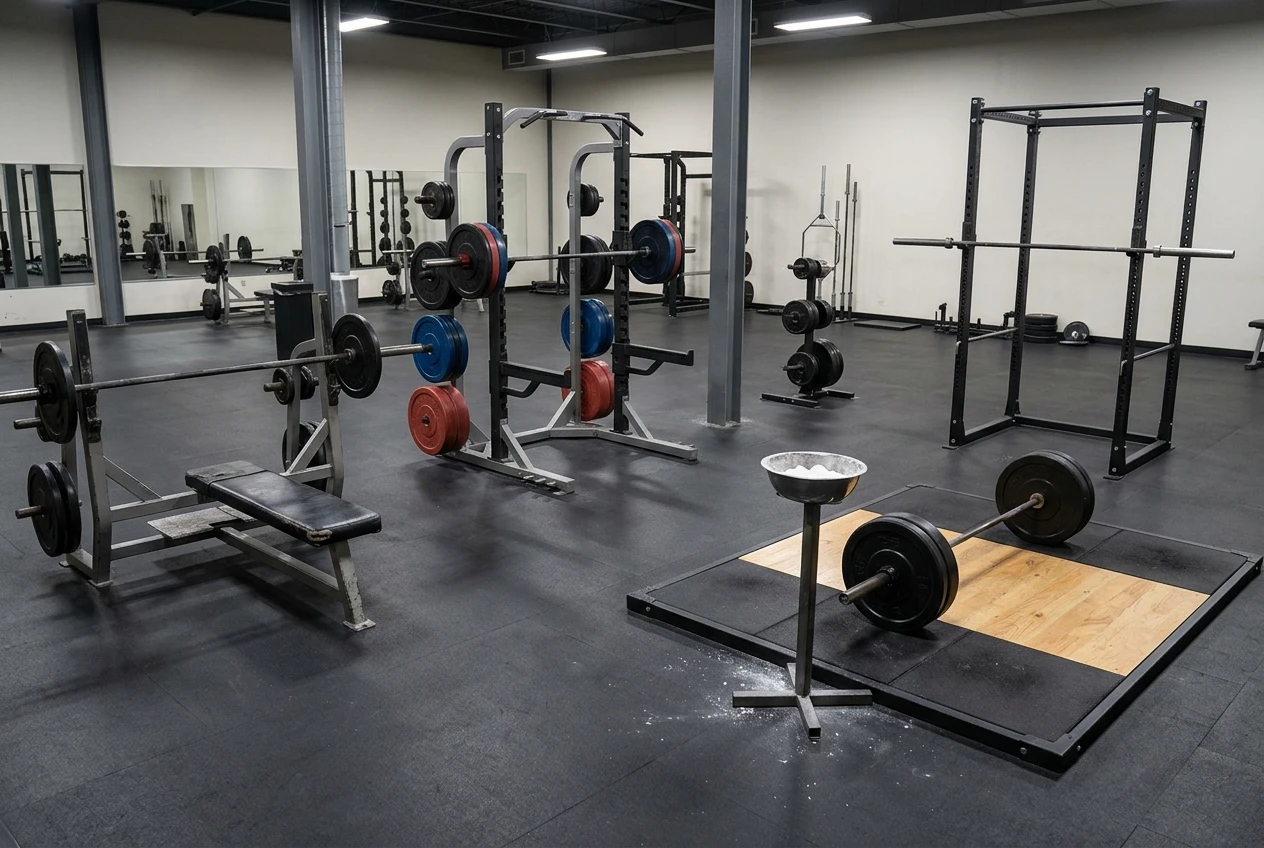
- The squat loads the hips, knees, and spine through a deep bend-and-drive pattern, building leg and hip extensor strength that transfers to running, jumping, and change of direction.
- The deadlift trains the hip hinge from the floor, building posterior chain strength and grip under a straight bar path with no eccentric assistance from gravity on the way down.
- The bench press trains horizontal pressing strength through the chest, shoulders, and triceps, with the bar path and range fixed by the lifter’s own joint structure rather than by two independent implements moving freely.
- The overhead press trains vertical pressing without leg drive, isolating shoulder and upper back strength in a way few bodyweight or kettlebell presses can match once the load gets heavy.
Variations exist within each lift. The choice between a front squat and a back squat, for example, changes where the load sits and how much the quads versus the hips contribute, a distinction covered in front squat versus back squat for athletic power. The point of the big four is not that they are the only useful lifts, but that each one gives a fixed, repeatable pattern you can load heavier over time.
How Barbells Make Progressive Overload Exact Instead of Approximate
Progressive overload means adding more demand to a lift over time, and a barbell makes that addition exact. A 1.25kg plate on each side adds exactly 2.5kg to the bar. There is no equivalent increment with kettlebells, which typically jump in 4kg steps, and no clean increment at all with bodyweight work, where adding difficulty usually means changing leverage or tempo rather than adding a known quantity of resistance.
That precision is what lets a program specify exact numbers week to week instead of describing a feeling. A kettlebell program has to ask you to move to the next bell or add reps; a barbell program can ask for 2.5kg more on the bar and know exactly what that means for the lifter’s nervous system. The linear progression guide for stronger lifts and top progressive overload methods for power both lean on this exactness, because small, known increases are what let a lifter push close to their ceiling without guessing.
This is also why barbell numbers are so useful for diagnosing a stall. When a lift stops moving, you can look at the exact load and rep history and work out what went wrong, a process covered in Why Lifts Stall and How to Progress Again. A kettlebell plateau is harder to read because the load jumps are so much coarser.
Bilateral Loading vs Unilateral Work: What a Barbell Can Do That a Kettlebell Can’t
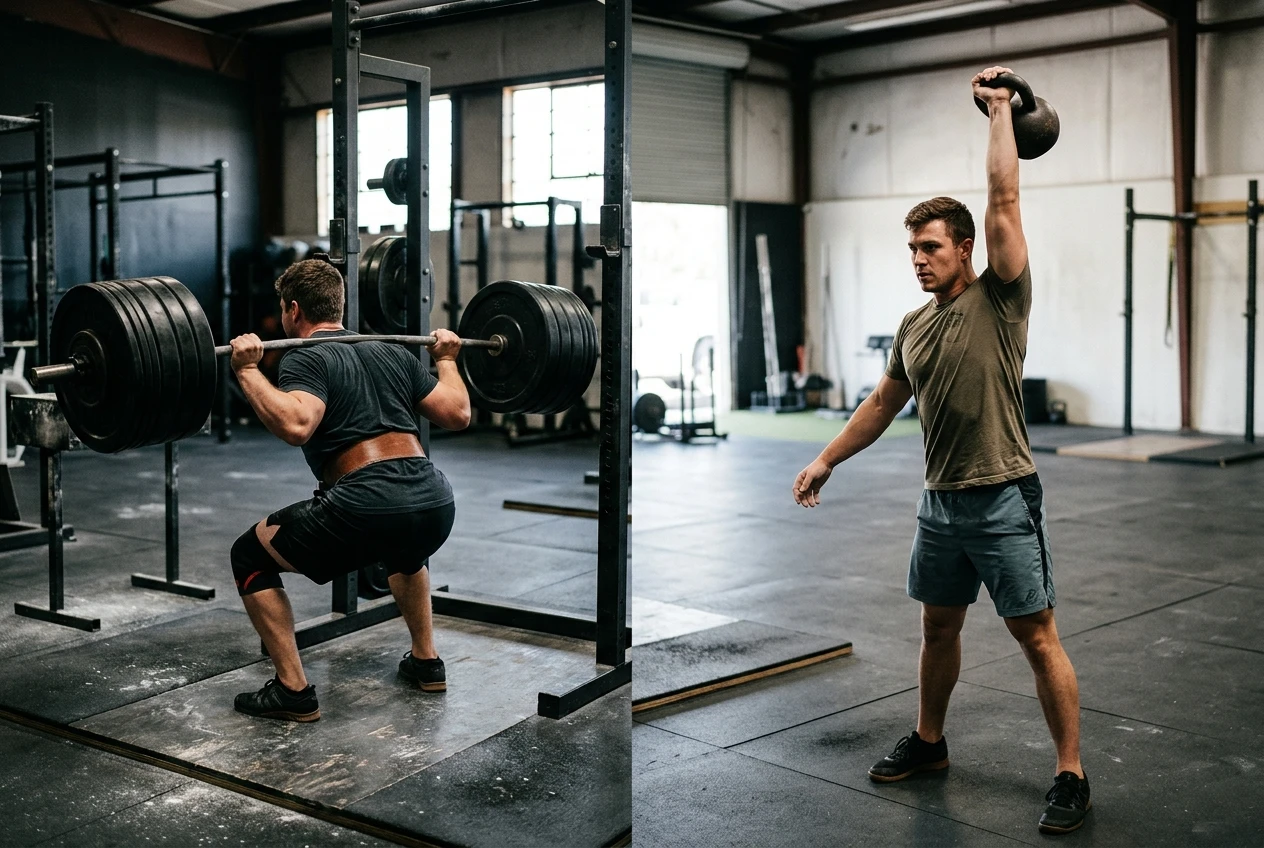
A barbell loads both limbs at once through a fixed bar, which lets you put far more total weight through the body than any single-arm or single-leg kettlebell variation can. Bilateral loading recruits more total muscle mass simultaneously, and that simultaneous recruitment is part of what makes near-maximal loads possible in the first place. You cannot back squat 150kg with a kettlebell in each hand; grip and shoulder position fail long before the legs do.
This is not an argument against unilateral work. Single-arm kettlebell presses and single-leg work build stability, address side-to-side imbalances, and train the body to produce force through a less supported base, which has real carryover to sport and daily movement. The essential kettlebell exercises guide and the kettlebell swing variations piece both cover that territory. The point is that bilateral barbell loading and unilateral kettlebell work solve different problems, and a lifter who wants both raw force capacity and stability under load benefits from doing both rather than picking one.
Setting Up Your First Barbell Session Safely
Moving from kettlebells or bodyweight training into barbell work does not require starting from zero, but it does require respecting a few differences.
- Start with the empty bar or close to it. A standard barbell weighs 20kg, which is already more external load than most kettlebell presses, so the first sessions are about grooving the pattern, not testing strength.
- Use a rack or platform built for the lift. Squats and presses need a rack with safety pins set at the right height; deadlifts need a flat, stable surface and enough room around the bar.
- Learn to brace before you add weight. Bracing the trunk under a bar is different from bracing under a kettlebell held at the chest or overhead, and getting it wrong caps how much force you can transmit through the spine. The guide to bracing heavy squats is worth working through before your first loaded squat session.
- Keep the first few weeks conservative on jumps. Add small increments and let the joints and connective tissue catch up to what the muscles can already handle.
None of this requires a coach standing over you, but it does reward patience in the first few sessions over a rush to load the bar.
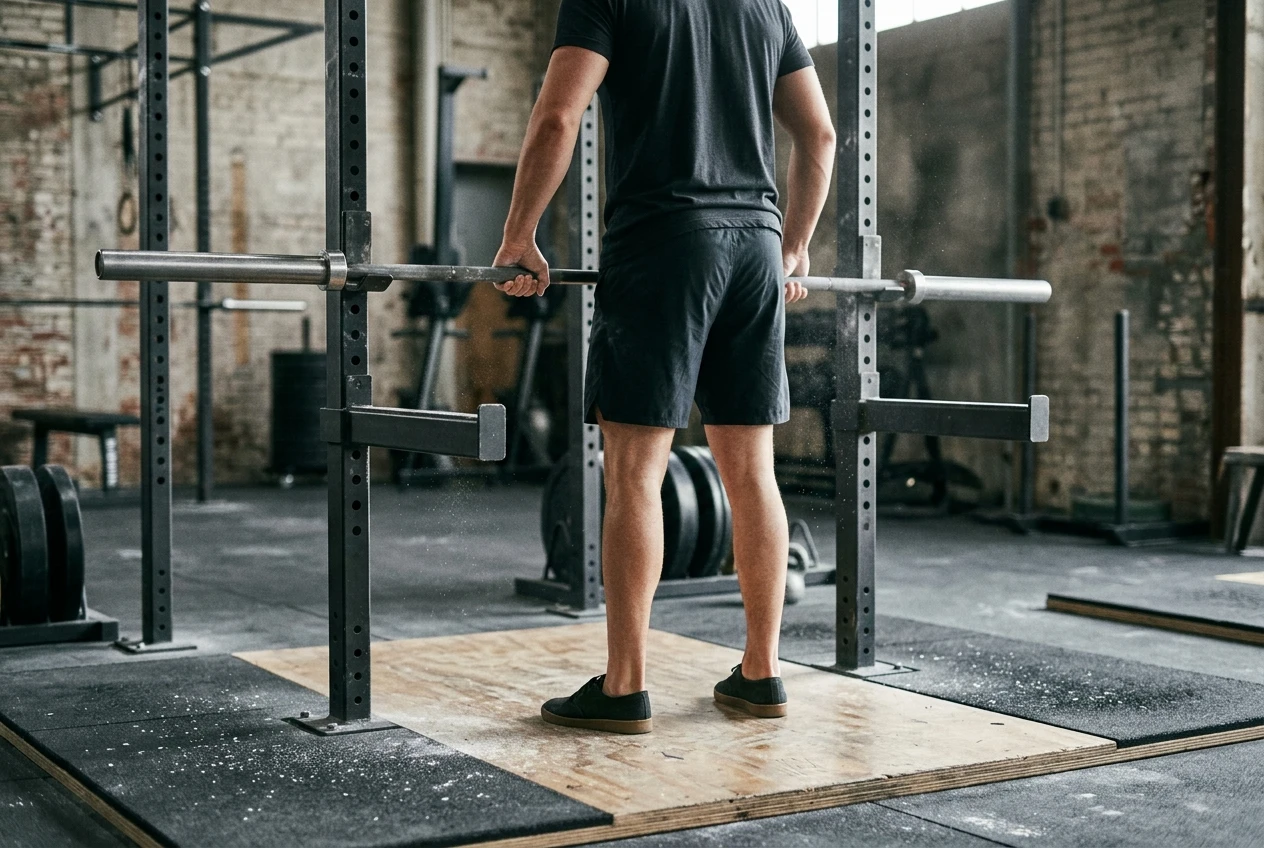
Technique Faults That Quietly Cap Your Power Output
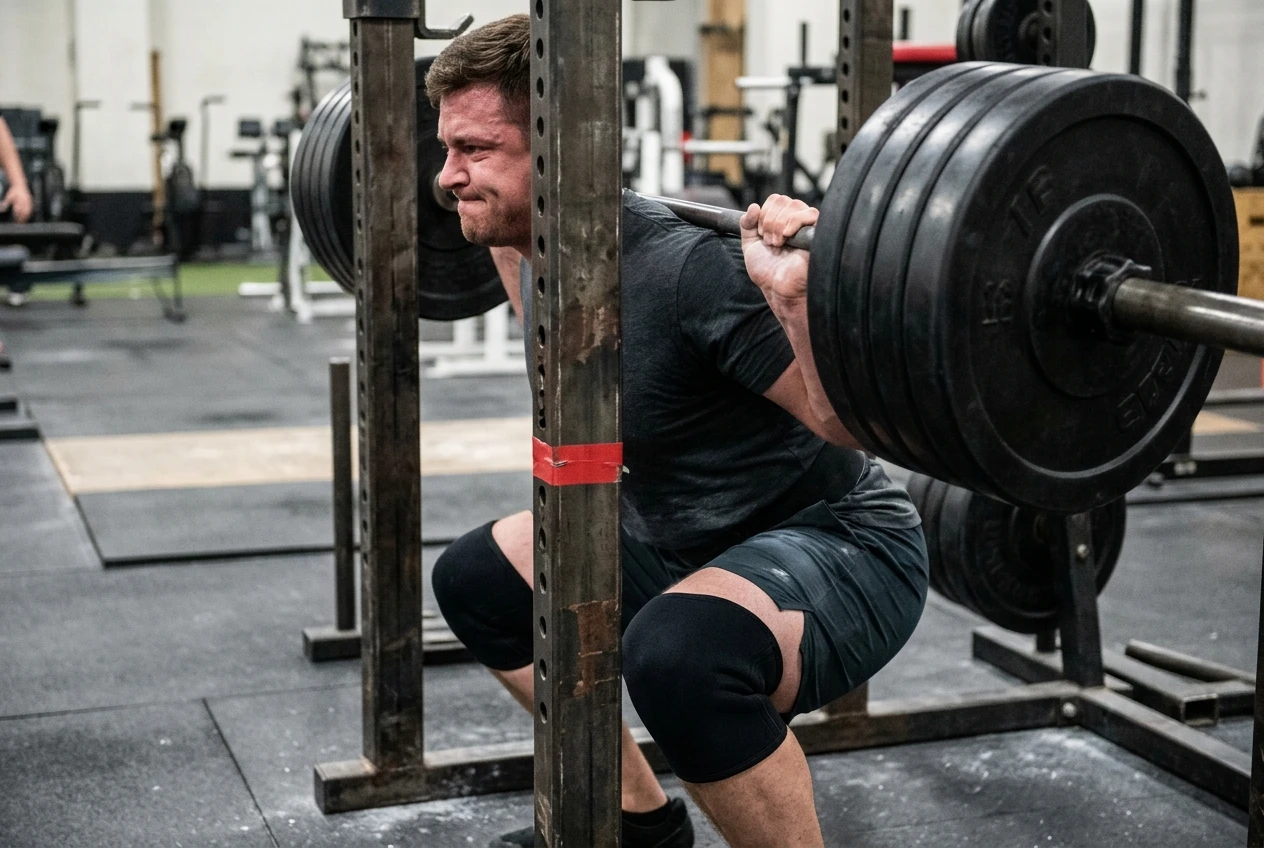
A barbell will happily let you load a pattern that is already broken, which is why technique faults matter more here than with lighter kettlebell work. A few show up constantly:
- Squat depth varies rep to rep. Inconsistent depth means inconsistent range of motion, which makes it impossible to know if a weight increase is a real improvement or a shortcut.
- A deadlift that starts with the hips too high or too low. Either fault changes which muscles do the pulling and shifts the load onto the lower back instead of the hips and legs.
- Pressing with the elbows flared too wide on the bench. This shortens the range the chest and triceps work through and puts unnecessary strain on the shoulder joint.
- Losing trunk tension partway through a lift. Bracing that fails under load leaks force out of the system before it reaches the bar.
Ten specific fixes for the squat pattern alone are laid out in 10 squat technique cues that build more power, and broader fixes across all four lifts are covered in weightlifting technique for stronger, faster lifts. The common thread across all of these faults is that they do not just risk injury; they cap the amount of force the lift can actually produce, which defeats the purpose of adding a barbell in the first place.
Where Barbell Training Fits Alongside Your Kettlebell and Bodyweight Work
Barbell lifts are not a replacement for kettlebell swings, carries, or bodyweight conditioning. They solve a specific problem: building maximal strength under heavy, fixed-pattern loads that kettlebells cannot provide once a lifter is reasonably advanced. Kettlebell and bodyweight work solve different problems, including movement variety, conditioning, unilateral stability, and joint-friendly volume on days when a heavy bar session would add too much fatigue.
A sensible week often puts one or two barbell sessions on days with full recovery available, and kettlebell or bodyweight sessions on the days around them, structured so the two kinds of training support rather than compete with each other. Getting that balance right matters more than which style you lift most often.
If you are building a full training week, read how to build a full-body workout using kettlebell exercises next to see how barbell days and kettlebell days can work together instead of competing for the same recovery.