Once you own a bar, plates, a rack and a bench, buying gear gets harder. The starter list tells you what to buy first. Nothing tells you what to buy second, and the internet has an answer for every budget. Sorting essential vs luxury home gym equipment at that stage takes a test, and the test is your own training log.
This article gives you that test, then sorts the usual purchases into three groups: essential, upgrade and luxury. It finishes with a buying order you can write on paper and follow.
Why most home gym spending goes to the wrong gear
Most second-round purchases are made for a lifter who does not exist yet. That lifter squats in a perfect rack with a perfect bar, trains six days a week in a room with matching flooring, and has a use for every attachment. The real lifter trains three or four days, in a garage or spare room, and keeps stalling at the same few points.
Gear gets bought for the imagined lifter for a few predictable reasons:
- Product pages sell a result. A photo of a polished home gym suggests the equipment produced the physique. The equipment only holds the weight.
- Buying feels like progress. A delivery is a visible event. A slow rise in your working weight is not.
- Other people’s problems get adopted. A lifter with long arms who struggles at lockout needs different things from one who gets tired at the bottom of a squat. Reviews rarely say which kind of lifter wrote them.
- The upgrade path looks linear. It seems you should go from a basic bench to an adjustable one to a competition one. Often a stable basic bench does the job for years.
Spending is wasted when it solves a problem you do not have. It is well spent when it removes something that is stopping your sessions or capping your numbers. You find out which by looking at what happened in your last few weeks of training.
The bottleneck test: what your last four weeks of logs say you need
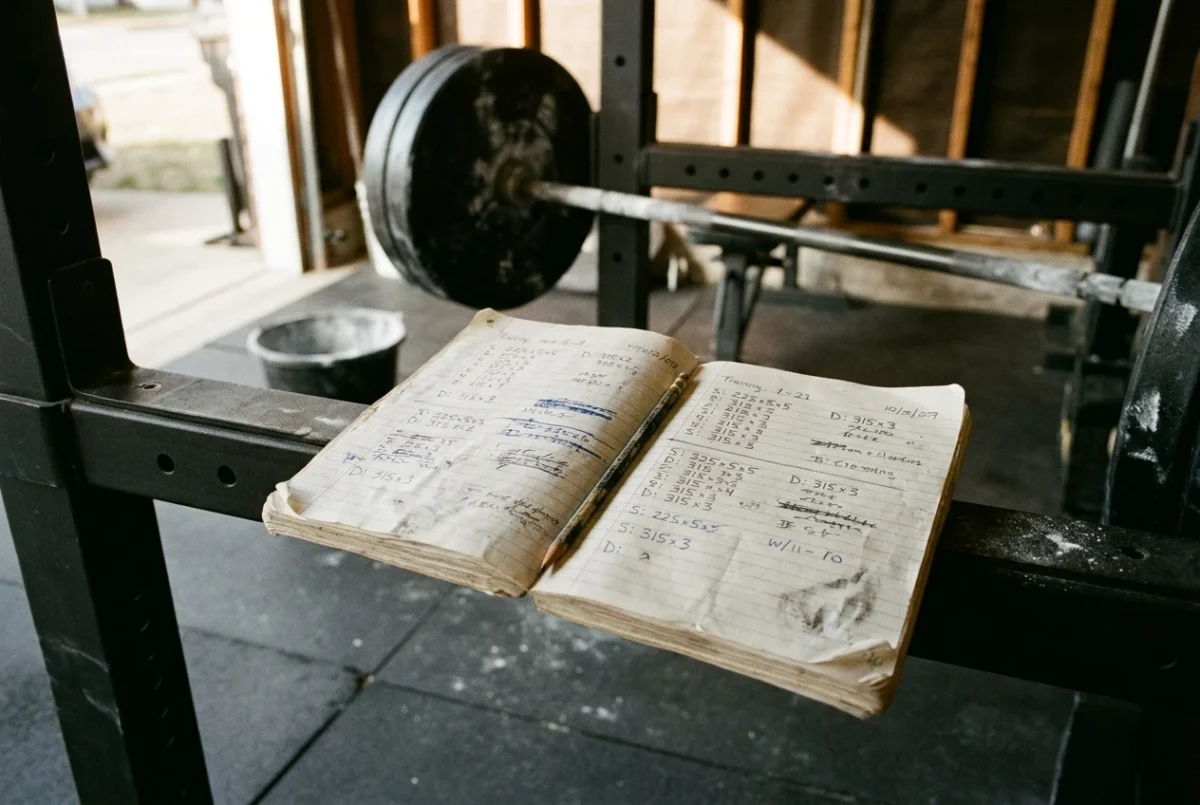
Pull up the last four weeks of your training log. A notes app, a spreadsheet or a paper notebook all work, as long as you recorded what you planned and what you actually did. If your log only holds the weights you lifted, start recording more detail now and run the test after four weeks.
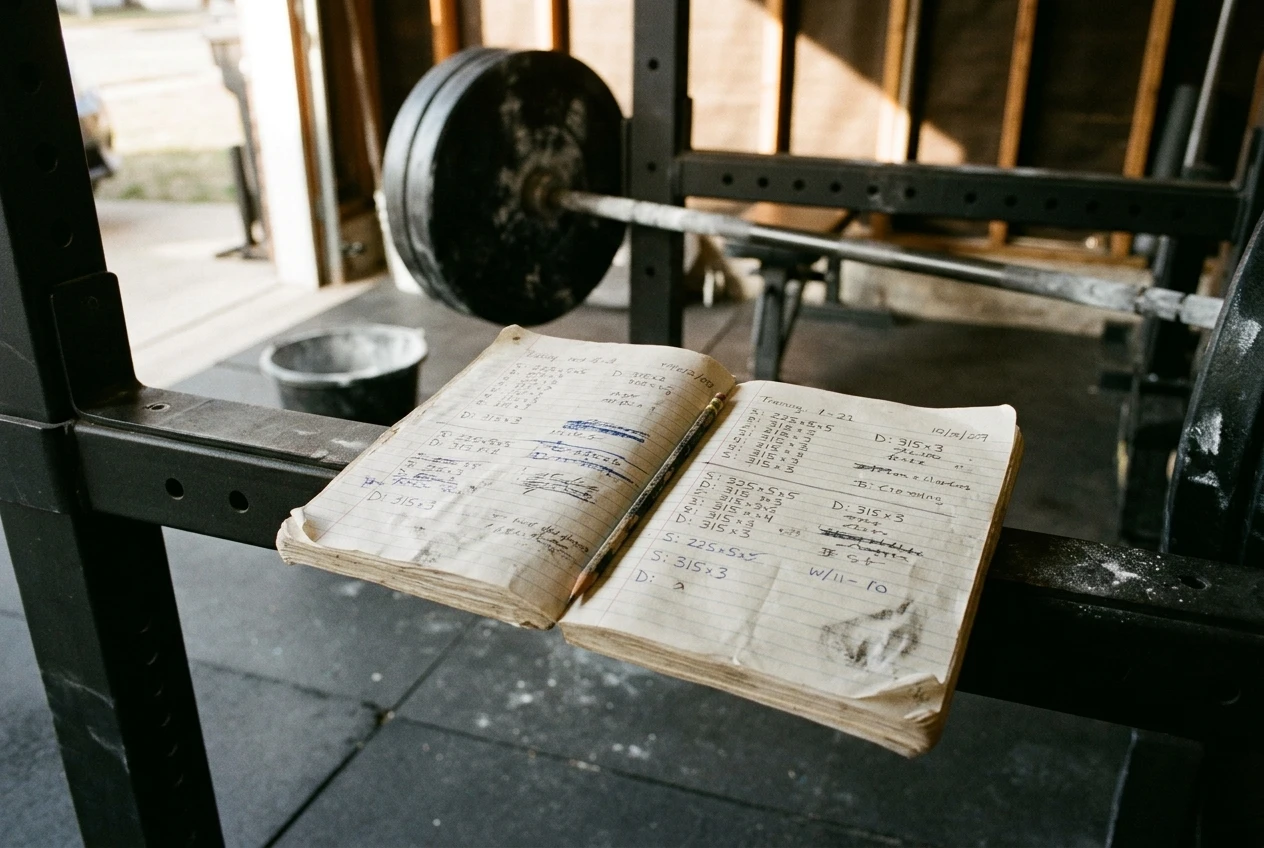
For every session where you missed a planned set or rep, or ended a set early, write down the reason in one short phrase. Sort the reasons into these buckets:
- Grip gave out before the target muscles were tired.
- Bracing or back position broke down, though the legs or hips could have continued.
- Foot position or balance, such as heels lifting in the squat or sliding on the floor.
- A specific joint complained, such as wrists on the bench or elbows on pulling work.
- Load: you could do the reps but had no way to add a small, sensible amount of weight.
- Setup friction: you could not get into position, ran out of room, or spent so long rearranging equipment that the session shrank.
- Safety: you stopped a heavy set because you had no safe way to fail it.
- Nothing equipment-related: you were tired, short on time or unsure what to do next.
Tally the buckets. The one with the most entries is your bottleneck, and the purchase you should consider is the one that addresses it directly. If grip leads the tally, straps or a grip change are candidates. If safety leads, fix the safety setup before anything else. If setup friction leads, you may not need to buy anything at all.
Bucket 8 deserves attention, because it is the most common honest answer and it points away from the shop. If most of your missed work has no equipment cause, new gear will not change your results, and the later sections on layout and guided programs matter more than the gear sections.
Apply one rule when you read the tally: a limit has to show up repeatedly before it justifies spending. A single bad session is noise. The same reason ending sets in several different weeks is a pattern, and patterns are what to buy for.
Essential: the gear that keeps you training safely and consistently
Essential gear is anything whose absence stops you from training the way your program requires, or makes it unsafe to try. This category is small, and most of it you already own. If you are still assembling the basics, the starter list for a heavy-lifting home gym on a budget covers what to buy first and in what order.
After the basics, three things still belong in the essential group.
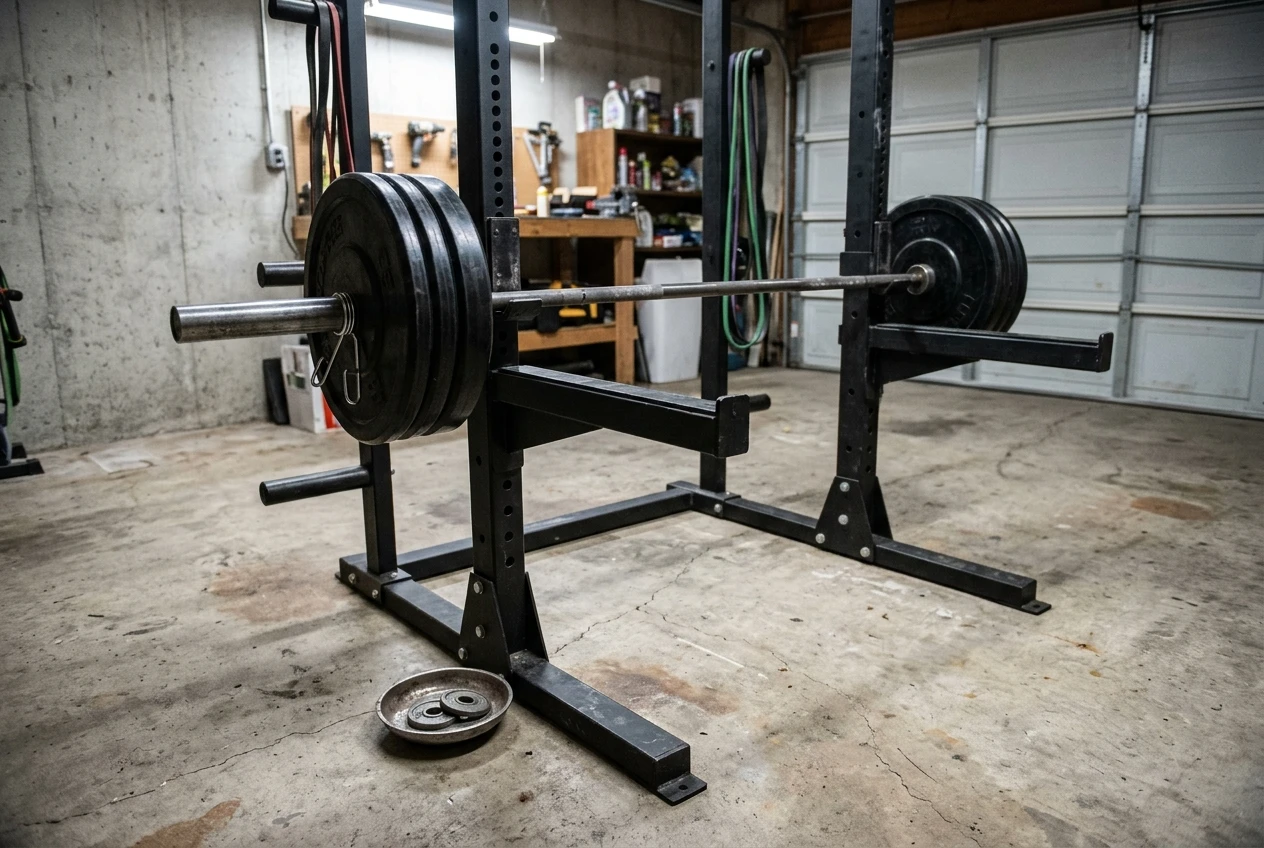
A safe way to fail. If you squat or bench heavy alone, you need rack safeties, spotter arms or an equivalent setup that catches the bar. Lifters who lack this tend to stop sets early out of caution, so the bottleneck log will show it as a safety entry. This purchase changes how hard you can push, which makes it essential and not a luxury.
A way to add weight in small steps. Progression stalls when the smallest jump available is bigger than what you can handle. If your log shows you repeating the same weight because the next jump is too big, small fractional plates solve that. They cost little compared with a new bar and they directly fix the limit.
A setup that works every session. A bench that wobbles, a floor that shifts under the rack, or a bar that has to be dragged out from behind other equipment each time all cost you training. Consistency is the whole game for a home lifter, and anything that makes starting a session harder is a real cost, even if it never shows up as a missed rep.
A useful check for this group: would a coach look at your setup and say you could not safely run your current program without it? If yes, it is essential. If the honest answer is “it would be more comfortable,” it belongs in the next group.
Upgrade: gear that fixes a specific limit
An upgrade is a purchase that removes one limit your log has already identified. You can train without it. It raises the ceiling on one lift or one part of a lift. The test is that you can name the entry in your log that justifies it.
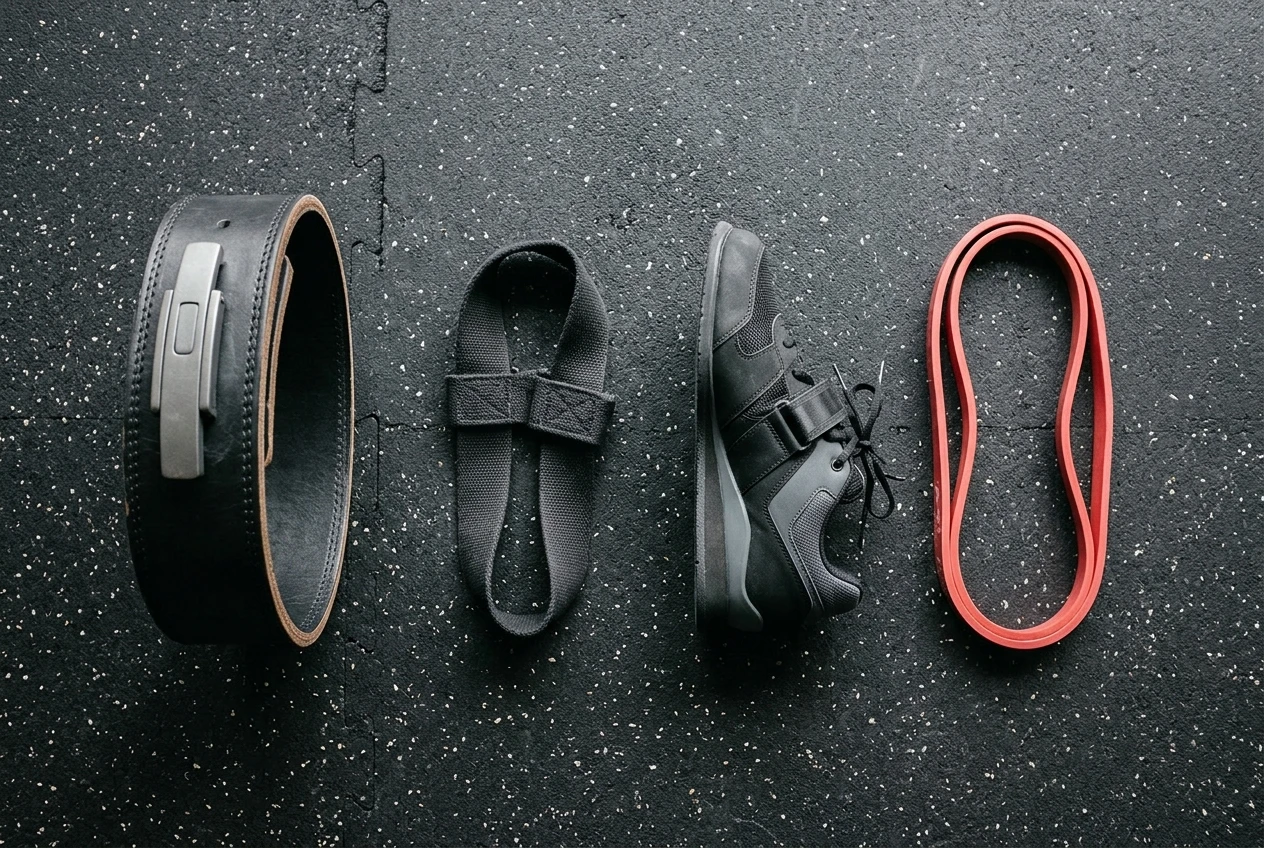
Belts
A belt gives your trunk something to brace against on heavy squats, deadlifts and sometimes overhead work. It is worth considering when your log shows bracing or back position failing before your legs and hips are done, on loads where you have already practiced bracing without one. If you decide it is time, the guide to lever versus prong belts for a home gym covers how to choose between the two styles.
Straps
Straps matter when grip ends your pulling sets before your back and hips are tired. They are useless as a fix for a lifter who has simply not trained grip, and they can mask a weakness you would want to address. The article on when to use lifting straps and when your grip should do the work gives a way to decide. A grip entry that appears only on your heaviest sets is a good argument for straps. A grip entry on every pulling set suggests grip work too.
Shoes
Lifting shoes help when foot position or balance is the limit: heels rising, knees caving as you lose the floor, or a squat depth you cannot reach because of ankle mobility. They are a poor fix for a problem that is really about technique or strength. The breakdown of how much heel you need in lifting shoes for squat depth and stability helps match heel height to body type.
Bands
Bands are useful for accessory work on a weak point and for adding variety when plates are limited. They only help if you know which point is weak. If your log shows you failing at the same part of a lift, bands can load that range differently. The guide to which resistance bands are worth buying for powerlifting accessory work covers what to look for.
Wraps and braces
Wrist wraps and similar supports sit in this group only after you have checked the cause. Wrist pain on the bench often traces to grip and bar position, and fixing that costs nothing, as the piece on wrist pain on the bench press explains. Buy support after that fix, and only if the entry in your log keeps coming back.
One discipline applies across this whole group: buy one upgrade at a time. If you add a belt, straps and shoes in the same month, you cannot tell which one changed anything, and your next log tells you nothing.
Luxury: what is nice to have and what is just décor
Luxury items do not fix a limit in your log. That does not make them bad purchases. It makes them purchases you should make knowingly, with money you can spare, and not under the belief that they are required for progress.
Two kinds are worth separating.
Nice to have. These make training more pleasant or convenient without changing how much you lift. Examples are extra storage for plates and accessories, a better sound system, a mirror, a nicer chalk setup, or a second bar for different lifts. If you enjoy your garage more with them and you will train more often as a result, they have some value. The question is whether the enjoyment is real or whether you are imagining it.
Décor. These look good and do nothing for training. Coordinated plate colors, branded signs, a styled wall, and gear bought mainly to appear in photos all fall here. There is nothing wrong with wanting a space you like, but it should not come out of the budget for gear your log has flagged.
A quick test for anything in this group: can you explain, in one sentence, which line of your training log it will improve? If the sentence is vague (“it will motivate me”), it is a luxury. If you can point to an entry, it has moved up to an upgrade.
Some items move between groups depending on the lifter. A cable attachment is a luxury for someone who has no trouble with their pulling accessories, and an upgrade for a lifter whose log shows their back and arm work has stalled for lack of a way to do it. The category belongs to the lifter and the log, not to the product.
Floor space and layout: the free upgrade
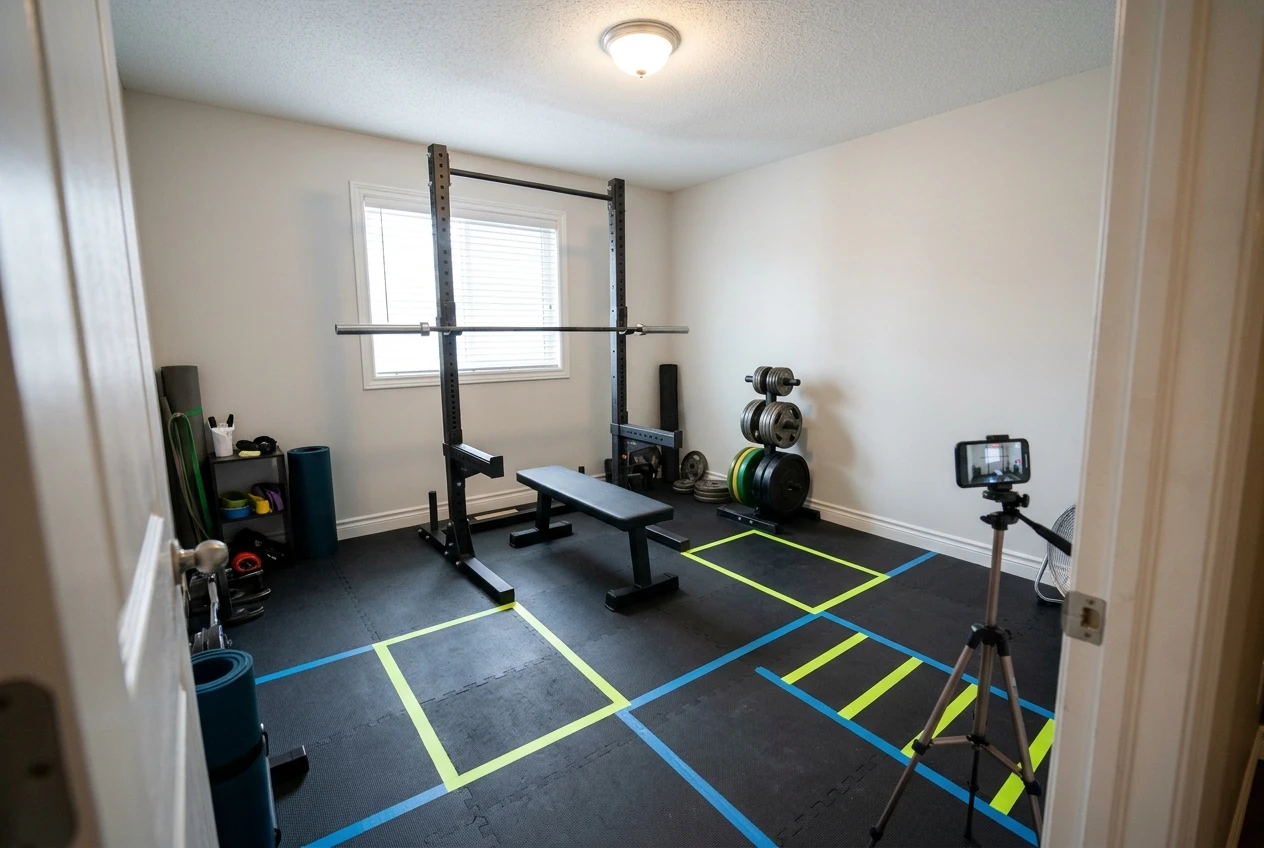
If setup friction showed up in your tally, the cheapest fix is rearranging the room. A surprising amount of lost training time comes from a layout that makes every session harder: a bar that has to be lifted over a bench, plates stacked where you need to stand, or a rack too close to a wall to load comfortably.
Things worth trying before you spend anything:
- Clear a lane for the bar. You should be able to walk around both ends while loading without turning sideways.
- Give each lift a fixed spot. Mark the floor with tape where you set up for squats, benching and pulling, so you are not repositioning every time.
- Keep the plates you use most within reach. Move the ones you rarely load to the back.
- Plan the camera or screen position. If you follow video or film your sets, place the phone or screen where you can see it from your lifting position without moving.
The article on setting up your home lifting space so you can follow an app or video without wrecking your form goes through layout in more detail. Run through it before you decide you need more room or more equipment. A layout fix that takes an afternoon can remove the setup entry from your log for good.
When a guided program beats another piece of equipment
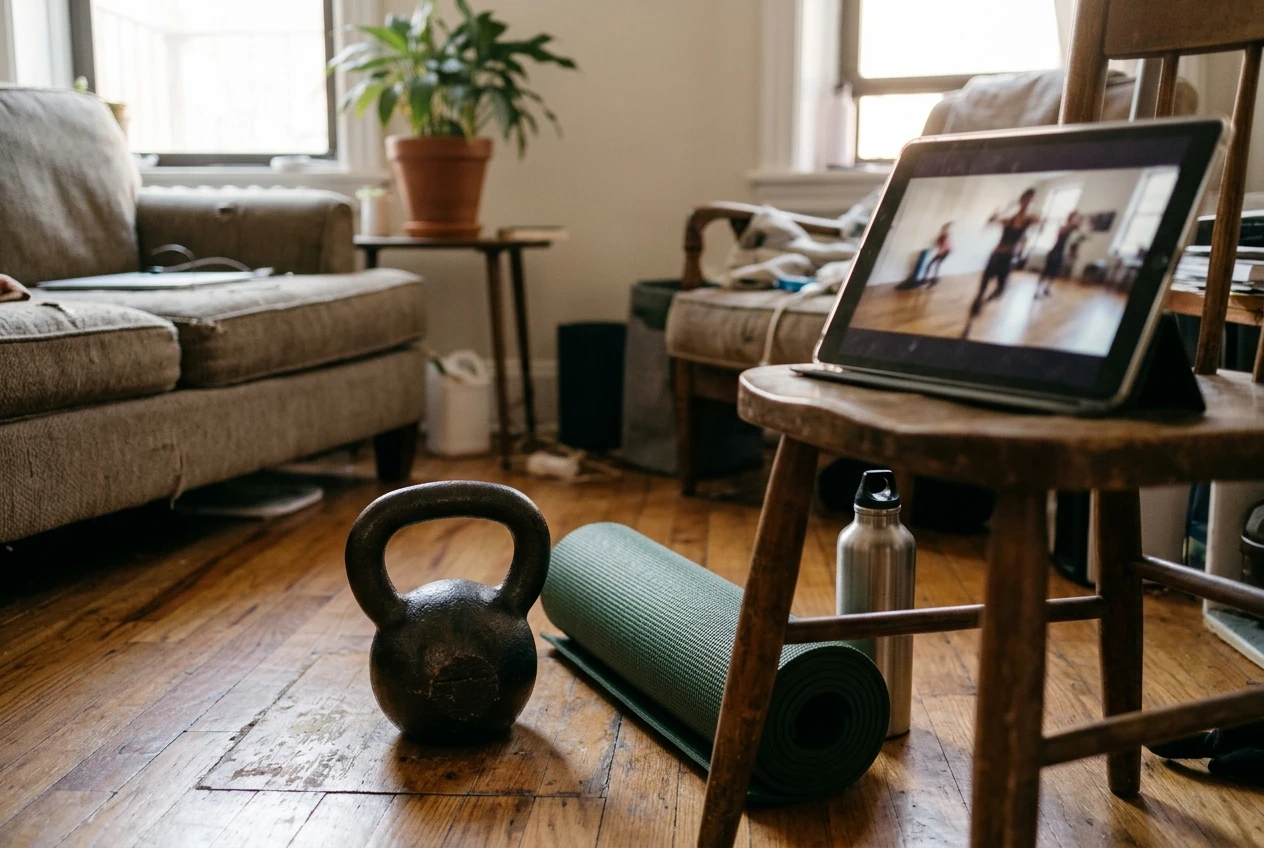
Go back to bucket 8 in your tally. If most of your missed or shortened sessions come down to not knowing what to do next, picking the wrong loads, skipping work because the plan was unclear, or drifting between routines, no purchase will help. The missing piece is structure.
A guided program takes decisions out of the session. It tells you what to do, in what order, for how long, and often how to progress. For lifters with limited space or limited equipment, that structure can matter more than any attachment, because it makes the equipment you already own count for more.
Signs a guided program is the right next purchase:
- You change your routine every few weeks and cannot say what you did last month.
- Your log shows planned work you never started, with no equipment reason.
- You have equipment you rarely use because you do not know how to program it.
- Your sessions are short and unstructured, and you finish unsure whether they counted.
Guided does not have to mean locked in. Plenty of lifters follow a program for a block, then adjust it using the same log that drives their purchases. If you are working out how to add load from week to week, the piece on how to use progressive overload when your training app only tells you what to do today pairs well with any program you pick.
A buying order you can write down and stick to
Turn the test into a list. Write it on paper or in the front of your log, and revisit it only after a new four-week tally.
- Safety first. If you cannot safely fail a heavy set, fix that before anything else.
- Anything that blocks you from training. Unstable equipment, a layout that eats sessions, or no way to load small increments. Fix the layout for free before buying.
- Structure, if bucket 8 leads your tally. A guided program before more gear.
- One upgrade, matched to the top entry in your log. Belt, straps, shoes, bands or wraps, whichever the tally supports. Use it for at least four weeks before buying another.
- Luxury last, and with spare money. Anything you cannot tie to a log entry waits until everything above is settled, and nothing says it has to be bought at all.
Add one rule at the top of the page: no purchase without a log entry or a safety reason written next to it. It stops most impulse buying, because writing the reason down is usually where you find out you do not have one.
If your tally pointed to structure and you train in a small space, a guided kettlebell program is one option worth looking at. My Kettlebell Monster review covers what the program teaches and whether the Samsung TV app is worth using, so you can decide before you spend anything. You can also see the program directly at kettlebell.monster. Affiliate disclosure: that link is an affiliate link, so I may earn a commission if you buy through it, at no extra cost to you.