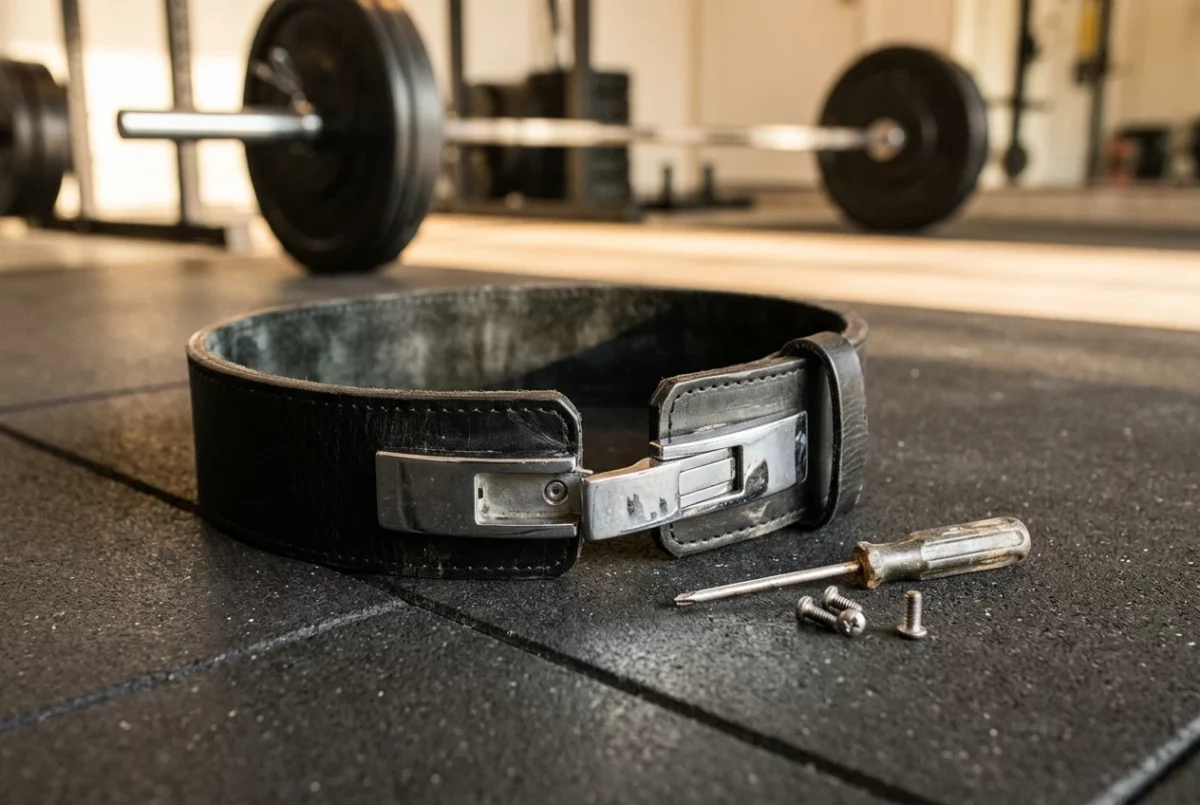
If you are searching for the best weightlifting belts for a home gym, the lever versus prong decision matters more than brand or color. A commercial gym has racks, spotters and other people around, and nobody there minds if you take ten minutes to adjust your belt. A garage, spare room or basement is different. You are usually alone, you move between lifts quickly, you may share equipment, and you have a limited amount of floor.
This guide assumes you already squat, deadlift or press and have decided a belt is worth buying. It compares lever and prong belts only on how they behave in a home setup, then covers what to check on the product page and which type suits which home lifter.
Why a home gym changes which belt you should buy
Most belt advice is written for a lifter in a crowded gym or on a competition platform. Home conditions change the priorities in four ways.
- You train alone. Nobody hands you a tool, holds the bar, or tightens the belt for you. Everything about the belt has to work with your own two hands, often while the bar is already in the rack.
- You adjust between sets. Home sessions tend to be compact: a squat, a press, some pulls, in whatever order the rack is free. The belt goes on and off many times.
- The belt may have more than one wearer. A partner, a training friend or a family member might use the same belt, and a lifter’s waist can change over a training block.
- Space is limited. A belt that lives in a bag or on a hook has to survive being tossed around a garage or hung beside the plates.
The lever and prong designs handle these four conditions differently. Neither is better in general. Each wins in specific home setups.
If you are still weighing whether to buy a belt at all, our piece on weightlifting belts for home training is a separate question from this one. Here the decision is made and only the buckle is open.
Lever belts at home: fast to cinch, fixed to one setting
A lever belt closes with a hinged lever that clamps the belt tight. The lever is mounted at a set position on the belt, so the tightness is predetermined. To change it, you unfasten the lever and move it to a different hole, which usually needs a screwdriver or a small tool.
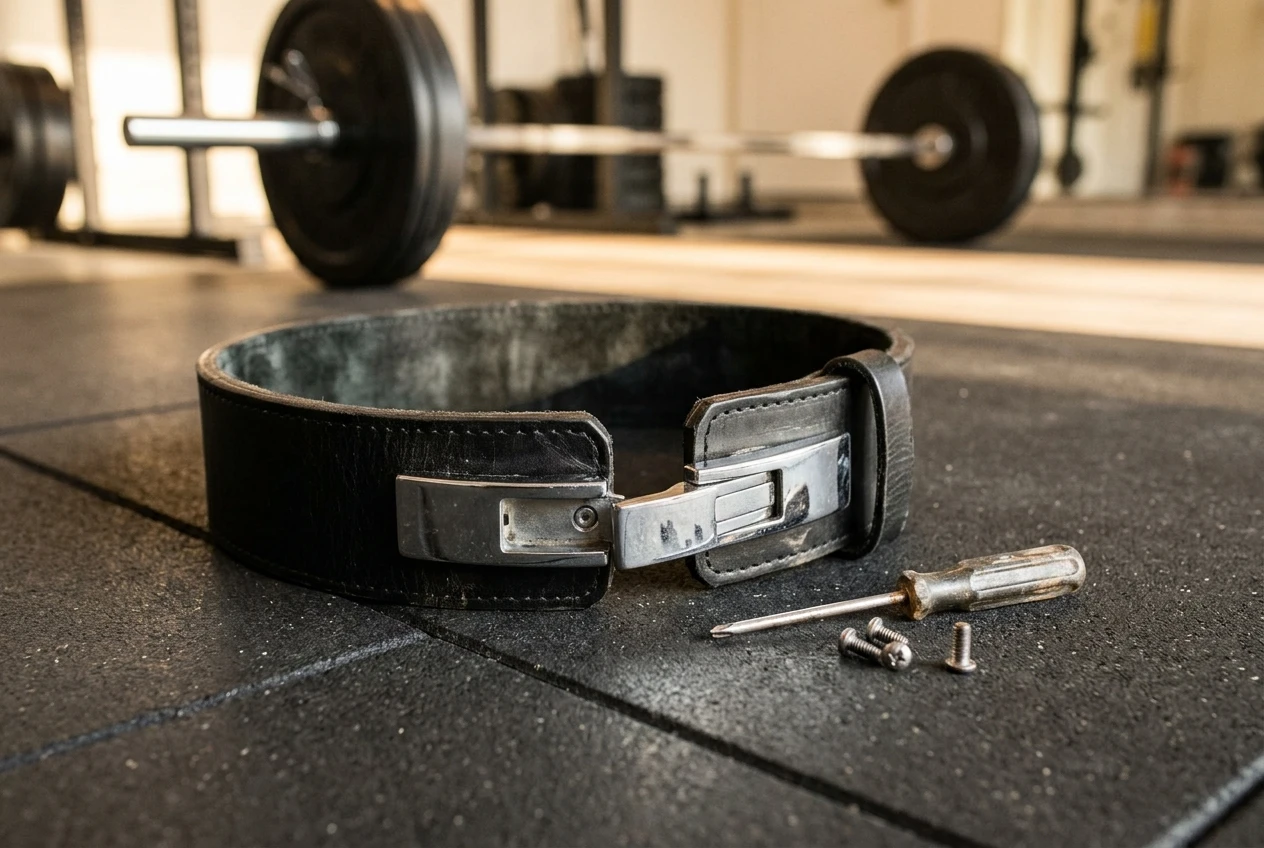
What works at home:
- Speed. Once the lever is set for your waist, you put the belt on, flip the lever and the belt is tight. Taking it off is a single motion. If you finish a set, rack the bar and want the belt off for your rest, this is the fastest option.
- Repeatable tightness. Because the setting does not drift, the belt feels the same every time. You do not have to guess which hole you used last time.
- One-handed closing. Many lifters can close a lever with one hand while the other hand steadies the bar in the rack. That matters when you are training alone.
What works against it at home:
- Adjusting takes a tool and a moment. If you want the belt looser for one lift and tighter for another, you cannot do that quickly between sets.
- The setting suits one person. A belt set for your waist and your bracing will feel wrong to someone else without a re-set.
- Fit changes require effort. If your body weight shifts, you will be back with the screwdriver.
The practical rule: a lever belt rewards the lifter who has settled on a tightness and wants to stop thinking about it.
Prong belts at home: easy to adjust, slower to put on
A prong belt works like a standard belt. A metal tongue goes through one of a row of holes, and the end of the strap is held by a keeper loop. You pick the hole that gives the tightness you want.
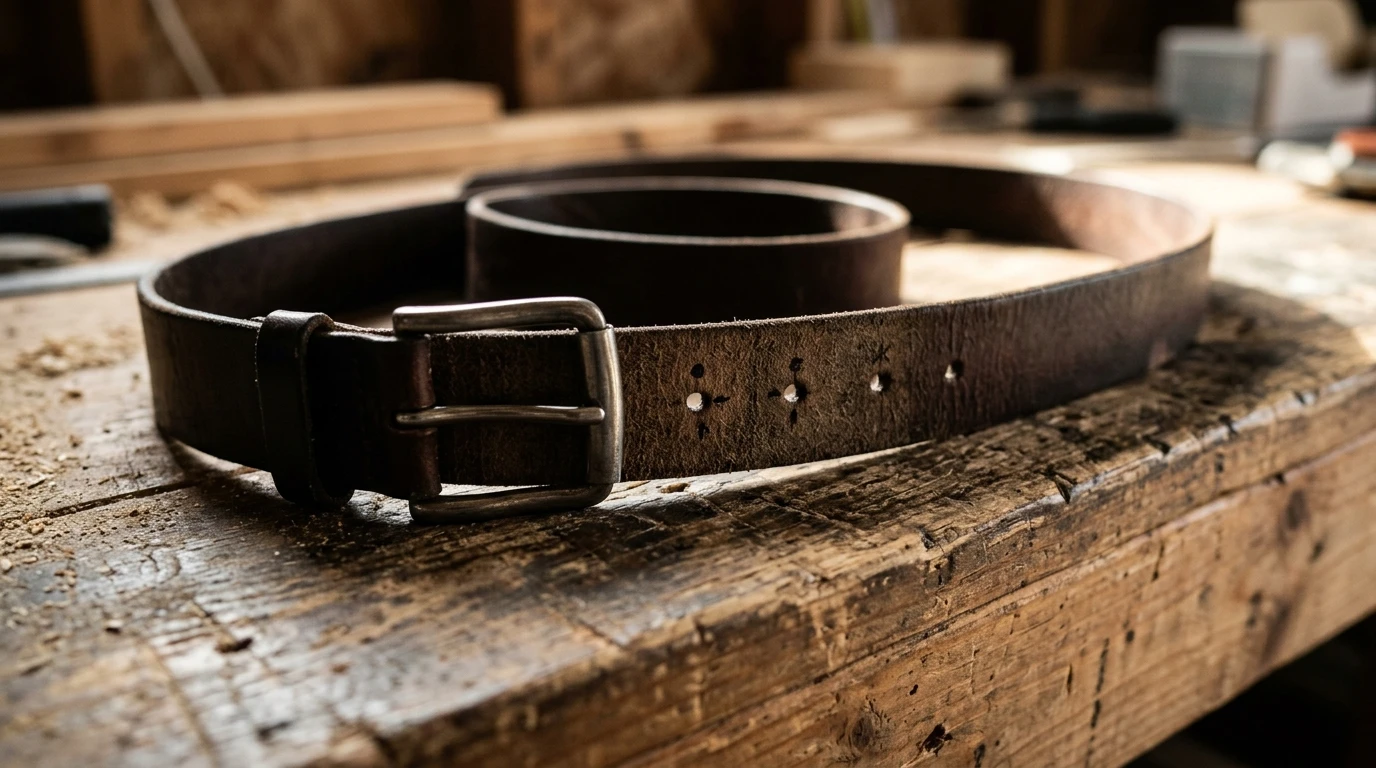
What works at home:
- Easy adjustment. Changing tightness means moving to a different hole. There is no tool, so you can do it between sets.
- Different tightness for different lifts. If you like the belt snugger for deadlifts than for presses, you can use different holes.
- Easier sharing. Two people with different waists can use the same belt by choosing different holes.
- Forgiving of body changes. If your waist changes over months, you move along the holes.
What works against it at home:
- Slower to fasten. You thread the tongue through the hole, pull the strap tight and tuck the end into the keeper. Doing this at the same moment you are setting up under a loaded bar is clumsy.
- Tightness is stepped. The spacing between holes sets how fine your adjustment can be. If your ideal fit falls between two holes, you pick the closer one.
- Tightness can vary. Without a fixed setting, you may tighten slightly differently each time, so the belt feels inconsistent from set to set.
A prong belt rewards the lifter who values flexibility and does not mind a few extra seconds.
Which one suits a solo lifter doing quick sets and mixed lifts
If you train alone and move briskly through your session, the question is what costs you time and attention between sets.
A lever belt suits a solo lifter who runs the same lifts the same way each session, such as a squat day followed by a press, and who has already found one tightness that works. Pulling the belt off quickly after each set, then flipping it back on, keeps the session moving.
A prong belt suits a solo lifter whose session mixes lifts that want different tightness. Squats and deadlifts, for example, place the belt differently for many lifters, and overhead pressing often wants the belt looser so you can still breathe and move your ribs. With a prong belt, you can mark your usual holes for each lift (a small mark with a pen or paint marker on the inside of the strap works) and move between them without trial and error.
Here is a simple way to decide:
- Think about your last four sessions. Did you use one tightness for everything, or did you change it?
- If you changed it, or wanted to, choose a prong belt.
- If you never changed it, and the time spent fastening the belt annoys you, choose a lever belt.
A middle path some lifters take is wearing the belt only for their heaviest sets. In that case, speed matters less because you put the belt on once or twice per session, and either buckle works.
Which one suits a shared belt or a changing body
Sharing a belt is where the lever design struggles at home. A fixed lever setting fits one waist and one bracing style. Two lifters would need to re-set the lever every time they swap, which in practice means one of them will end up wearing a belt that is wrong for them.
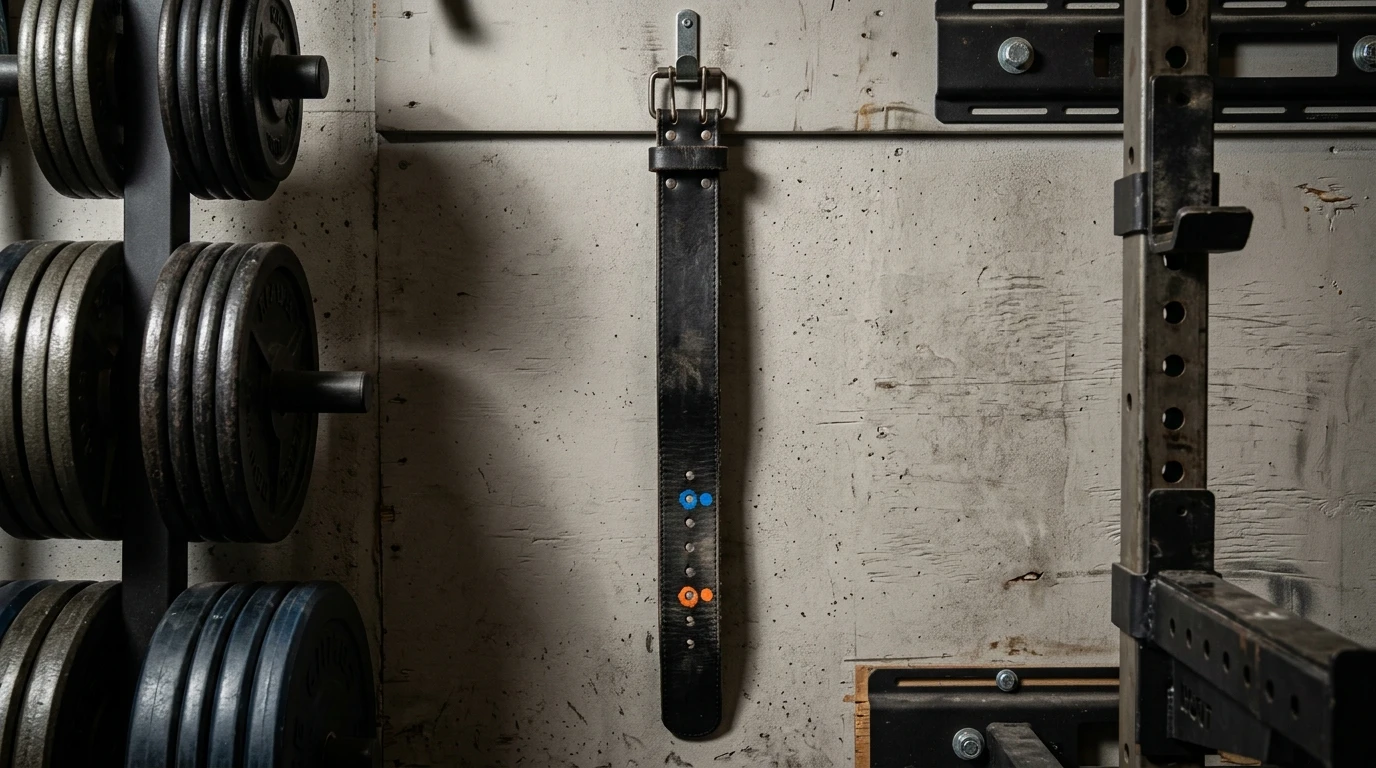
A prong belt solves most of this. Each person picks their own hole, and both can note it on the strap. The belt does need to be long enough to cover both waists, so check the size range on the product page before buying (more on that below).
The same logic applies if your own body is changing. If you are in a phase of gaining or losing weight, or your waist is simply different from what it was, a prong belt follows you along. A lever belt will need a re-set, and if the change is large, it may need replacing.
Consider also the fit of a belt for someone smaller or larger than you. Belts are sized by waist, and a belt that is too long or too short for the person using it will not sit correctly regardless of buckle type. Sharing works best when both people fall within the range the manufacturer lists for the belt size.
Thickness, width and material: what to check before you click buy
Once you have chosen a buckle type, these are the details that separate a belt you will use from one that sits on a hook.
Thickness
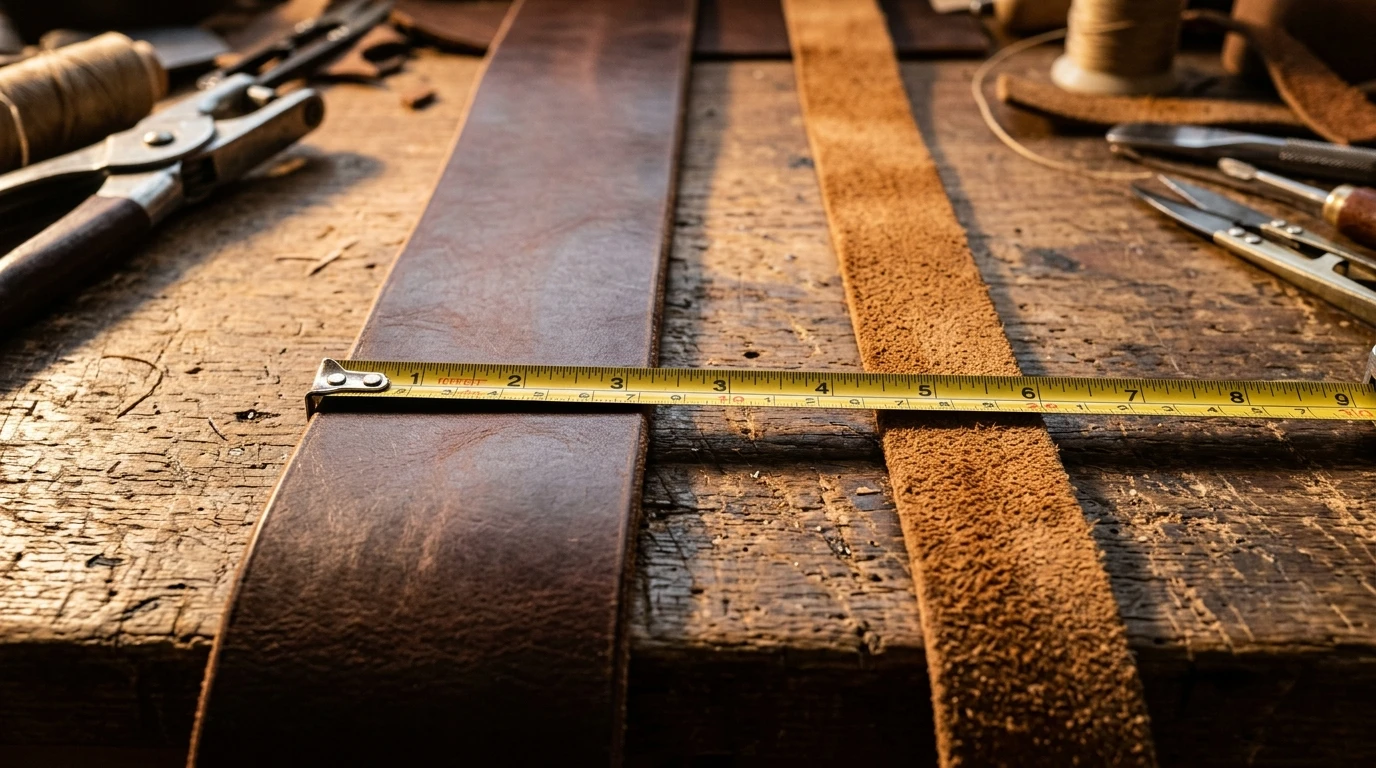
Thicker belts are stiffer and give you more to brace against, but they can feel bulky, and they take longer to soften up. Thinner belts are easier to move in and are often more comfortable for lifts like overhead pressing. If you do a mix of squats, deadlifts and presses, check which thicknesses the maker offers and read the description to see which lifts it is aimed at.
Width
Width affects how much of your torso the belt covers. A belt that is too wide for your torso can dig into your ribs or hips when you squat or pull. Measure the distance between the bottom of your ribs and the top of your hip bone while standing, and compare it to the listed width. If you are shorter in the torso, a narrower belt may be the more comfortable choice. If the belt has a tapered design, check where the widest point sits.
Material
- Leather is the common choice for lever and prong belts. It is stiff, holds its shape and lasts if cared for. Check the maker’s care instructions, especially if your gym is in a garage or basement with swings in humidity.
- Suede-finished leather grips clothing a bit more and may feel softer against the body. Some find the finish grips the belt in place.
- Nylon with hook-and-loop closure is a different type of belt entirely. It is quick, light and easy to resize, but it is neither a lever nor a prong belt, so it falls outside this comparison. It is mentioned here because some home lifters consider it when sharing equipment.
Other points to check
- Size range. Look at the waist range the maker lists for each size and measure yourself where the belt will sit, not where your trousers sit.
- Number and spacing of holes (prong). More holes at tighter spacing gives you finer adjustment.
- Lever type. Some levers can be adjusted with a tool you probably already own, while others need specific equipment. Check the listing.
- Buckle hardware. Look for solid hardware and stitching in the product photos and reviews. A belt that loosens or fails under load is a safety problem.
- Competition rules. If you plan to compete later, check the rulebook of your federation, since belt specs and closure types are regulated for meets.
Do not rely on a listing for numbers. Where a measurement matters to you, read the maker’s own page and confirm it before you buy.
Our picks by home lifter type
These recommendations are about the type of belt and the features to look for, matched to how you train. I have not tied them to one brand or model, so you can compare the options in your size range.
The solo lifter with a fixed routine. Choose a lever belt. Set it once for your waist and your usual bracing, and you can put it on and take it off quickly through the session. Look for a lever that adjusts with a common tool.
The solo lifter who changes lifts and tightness. Choose a prong belt with closely spaced holes. Mark your holes for squats, pulls and presses so you do not guess. A keeper loop that holds the strap end firmly matters, because you will be fastening it often.
The shared household belt. Choose a prong belt in a size range that covers every waist that will use it. Make sure everyone can reach their hole without the strap running out of length.
The lifter whose body is changing. Choose a prong belt with a generous range. It will carry you through changes in waist size without a re-set.
The lifter short on space. Either buckle works, since a belt takes little room. Hang it on a hook rather than leaving it in a heap, so the shape holds and the buckle hardware stays clear of the plates.
The lifter who also trains with kettlebells. The belt question stays the same, but your program may need more than gear. If you want a structured plan, our guide on where to start with kettlebell training for strength covers the basics. For a ready-made program, there is kettlebell.monster, and a version for owners of Samsung Tizen TVs, the Kettlebell Monster TV workout app.
Disclosure: the kettlebell.monster links above are affiliate links. If you buy through them, I may earn a commission, and the price you pay is not changed by that.
Check the fit and break-in before you load it up
When the belt arrives, test it before it goes anywhere near a working set.
- Position it. The belt sits around your waist between the bottom of your ribs and the top of your hips. Stand tall and check that it does not press into either.
- Set the tightness. Fasten it snug enough that you can push your abdomen out against it when you take a deep breath, but not so tight that you cannot breathe in. If you have to hold your breath to close it, it is too tight.
- Move in it. Do a few bodyweight squats and a hip hinge. Check that the belt does not dig into your ribs at the bottom of the squat or pinch at the hip crease.
- Test the closure. For a lever, open and close it several times to feel how it moves. For a prong, put the tongue through your intended holes and make sure the keeper holds the end of the strap.
- Mark your settings. On a prong belt, mark the holes you plan to use for each lift.
Stiff belts, especially thick leather ones, soften with wear. Use yours first on warm-up sets and lighter work, and move to heavy sets once it sits comfortably and you have confirmed that the setting works for you. If it rides up, digs in or leaves you struggling to breathe, adjust or swap the size before it goes under a heavy bar.