Core Stability Essentials
In physical fitness and rehabilitation, core stability is essential for injury prevention and improved athletic performance. Although many people mistakenly think of the core as only the abdominal muscles, it comprises a complex network of muscles that stabilize the spine and pelvis.
A strong, stable core provides a foundation for efficient movement and improved functional capacity across activities. This article examines the significance of core stability, its anatomical components, its relationship to injury prevention, and research-backed strategies for developing core strength.

Anatomical Basis of Core Stability
Understanding core stability requires recognizing the relevant anatomical structures. The core consists of multiple muscle groups, including the rectus abdominis, obliques, transverse abdominis, erector spinae, and pelvic floor muscles. The coordinated function of these muscles facilitates controlled movement and reduces the risk of injury.
The transverse abdominis, often referred to as the body’s natural corset, is particularly important for stabilizing the pelvis and lower back. Furthermore, deep stabilizing muscles such as the multifidus and diaphragm contribute to intra-abdominal tension, thereby enhancing spinal stability.
Core function encompasses not only muscle strength but also coordination and endurance. A stable core permits efficient force transfer between the upper and lower body, which is essential for activities ranging from walking to high-impact sports. Weakness or poor coordination among these muscles may lead to compensatory movements that increase injury risk. Therefore, understanding both the anatomy and function of core muscles is important for effective injury prevention.
Relationship Between Core Stability and Injury Prevention

Empirical research regularly demonstrates a strong correlation between core stability and injury prevention. A stable core maintains proper alignment of the spine and pelvis during dynamic movements, consequently reducing excessive stress on joints and ligaments.
For example, athletes with inadequate core stability may display excessive lumbar flexion or extension during activities such as running or jumping, which can result in lower back pain or knee injuries.
Core stability is especially important in sports that demand fast directional changes or high levels of agility. In these situations, a strong core helps athletes preserve balance and control, reducing the risk of falls or improper landings that may result in injury.
Studies indicate that athletes with superior core strength show improved performance measures and a lower incidence of injuries than those with less stable cores.
Core stability also influences everyday activities beyond the context of sports-related injuries. Individuals with weak core muscles may experience discomfort or pain during routine tasks, including lifting objects or sitting for long periods.
Improving core stability can improve overall functional movement patterns and decrease the likelihood of injuries in daily life.
Effectively improving core stability requires a multifaceted approach.
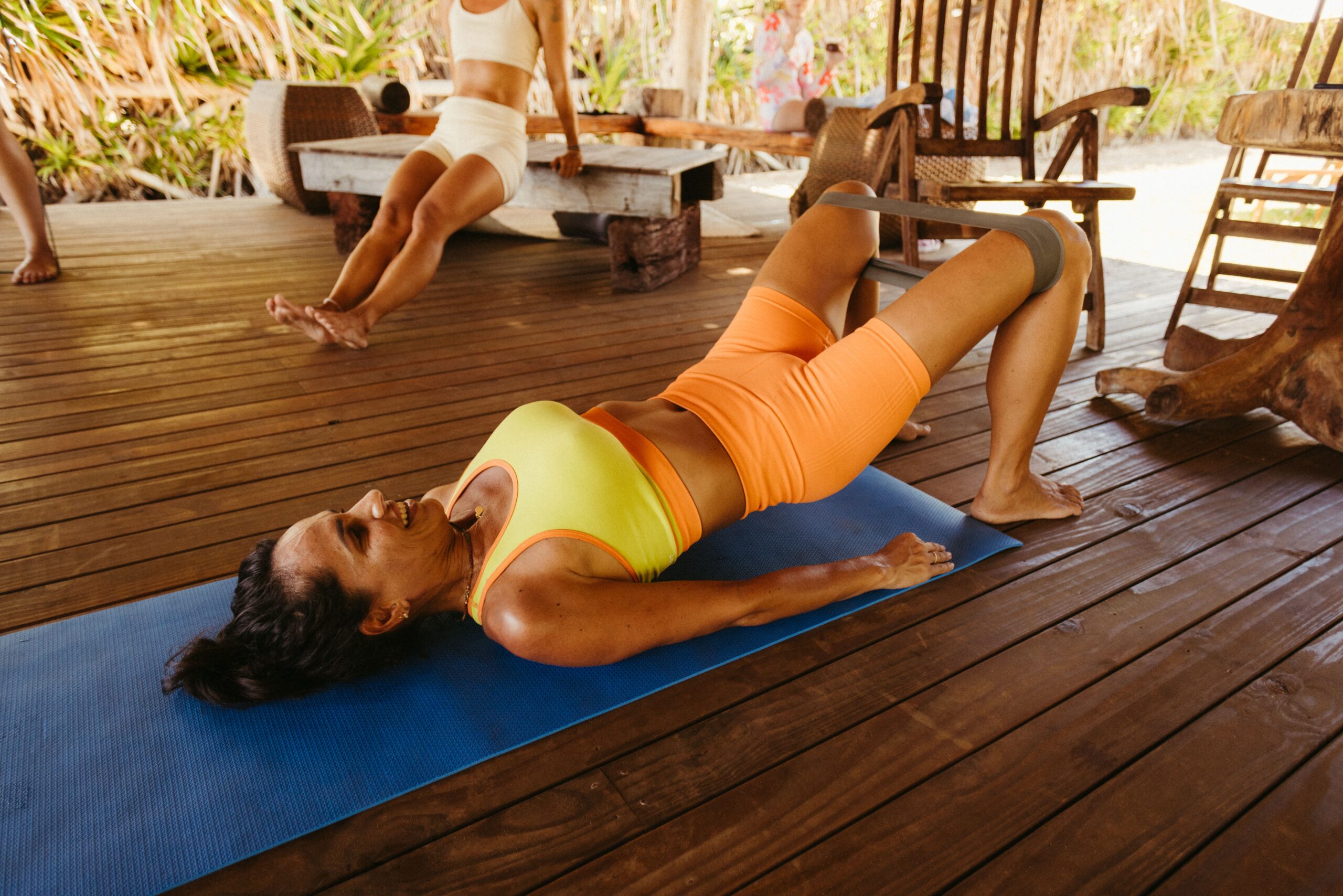
Incorporating strength training exercises such as planks, bridges, and bird-dogs into regular routines targets the core muscles, thus building strength and endurance. Emphasizing proper form and technique maximizes the benefits of these exercises and lowers the risk of injury.
In addition to strength training, the inclusion of stability exercises can further improve core function. Activities such as yoga and Pilates emphasize controlled movements and balance, thereby promoting both strength and flexibility in the core muscles. These practices foster awareness of body alignment and breathing patterns, which are important for maintaining stability.
Integrating functional training into exercise routines represents another effective strategy. This approach mimics real-life movements and challenges the core across multiple planes of motion. Exercises involving rotation, lateral movement, or single-leg stances can greatly improve core stability owing to activating multiple muscle groups at once.
Functional training not only builds strength but also improves coordination and balance, supporting more efficient movement in daily activities and sports. Daily activities and sports.
Incorporating recovery and mobility work is essential within a complete approach to core stability. Stretching tight muscles and improving overall flexibility help maintain optimal movement patterns and reduce injury risk. Foam rolling and other myofascial release techniques also support recovery by relieving muscle tension and promoting blood flow to the core region.
Core stability is a key element of injury prevention that athletes and people engaged in physical activity should not overlook. Understanding core anatomy, recognizing its role in proper movement patterns, and applying targeted strengthening strategies may significantly reduce injury risk.
A strong and stable core supports athletic performance and contributes to functional movement in daily life. As awareness of core stability increases, integrating these principles into fitness routines will be key for promoting long-term health and well-being.