https://weightliftingforpower.com/how-to-perfect-your-mountain-climbers-technique/
Mountain Climbers Technique
Mountain climbing is a kind of exercise that figures prominently in a great many fitness regimens since it reproduces the strenuous action of climbing a mountain while keeping the person on the ground. It is a dynamic, full-body exercise that, at the same time, works several of the major muscle groups. It enhances cardiovascular fitness, increases endurance, and burns calories efficiently—making it ideal for anyone who wishes to get fit.
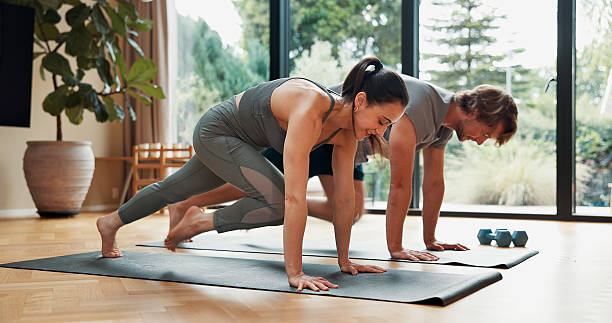
Mountain climbers first appeared in traditional fitness practices and have since become a common exercise in all kinds of workout programs, ranging from home exercises to high-intensity interval training (HIIT). The exercise originated in military training activities, which were designed to develop strength and agility. As time went on, people came to value their versatility and effectiveness, and so included them in fitness routines all over the world.

Including mountain climbers in your exercise routine allows you to work important muscle groups such as the core, the shoulders, and the quadriceps. Since the core is vital for body stability, it gains a lot from this exercise, with improvements in both balance and strength. Your shoulders and quads also receive a strong workout, which helps to shape and define these areas as well as increase your overall power.

Including mountain climbing in your routine not only leads to increased muscle mass and endurance, but it also enhances your coordination, flexibility, and mental resilience. The fact that mountain climbing puts several parts of the body under stress teaches your mind how to accept and cope with physical demands, an ability that extends to many areas of life apart from fitness.
Mastering the Form: Step-by-Step Guide to Perfect Mountain Climbers
It’s not enough for mountain climbers just to have the correct posture; proper form is essential if you are to work effectively and prevent injury. Let’s go through it step by step so that you can get the most from this exercise. Begin by getting into the plank position—no, not the fashionable one in which you lie motionless on various objects. Instead, put your hands about shoulder-width apart on the floor and make sure that your body stays in a straight line from your shoulders to your ankles. Contract your core as though you were bracing yourself against a light blow to keep the alignment intact.
The action starts from this point. Move one knee towards your chest while keeping the other leg outstretched. Then quickly alternate by driving the other knee and at the same time extending the first leg. Imagine it’s similar to a smooth dance, with each leg in turn keeping to a rhythmic pattern. Make sure you maintain a well-balanced pace so as to keep your exercise consistent.
A major error that people commit is allowing their hips to go too high or to sag too low; this not only decreases the effectiveness of the exercise but may also place strain on your back. To keep the straight line alignment, you should keep your core muscles active and engaged. Imagine your body as a solid bridge, capable of supporting moving traffic without collapsing.
Avoid locking your elbows or setting your gaze to the floor. Instead, keep a slight bend in your arms and focus on a few inches in front of your hands. This helps distribute the weight evenly and maintains a natural neck alignment. Embrace these steps with precision and practice. Remember, it’s not a race. Speed comes with time and experience. Prioritize technique over rapid motion to unlock the true benefits without risking your body’s well-being.
Advanced Techniques: Elevate Your Mountain Climber Skills
Once you’ve got the basics down, it’s time to step up your mountain climber game with some advanced techniques that keep things interesting and challenging. Mixing in variations not only boosts intensity but also targets different muscle groups, making your workouts more comprehensive. Start by changing your rhythm with slow-motion mountain climbers. This controlled form demands more stability, so focus on each muscle contraction. Then crank up the challenge by adding resistance bands. They add a layer of difficulty, engaging additional muscle fibers, especially around the hips and thighs.
If people want something more exciting, then plyometric mountain climbers are the solution. When you switch legs, add a short hop—this vigorous action boosts your cardiovascular system and pushes your endurance to an even greater extent. In order to combine strength and cardio smoothly, pair these exercises with HIIT by taking turns between intense sessions of mountain climbers and other high-energy exercises to achieve a full-body workout.
If you want to improve your technique and obtain accurate feedback, you should use video playback equipment. Recording your sessions gives you valuable insight into your technique and helps you notice any deviation from correct posture. It allows you to make small adjustments, thus making sure that each movement is effective. By all means, go ahead and include these variations in your weekly routine if you want to achieve concrete results; no matter what your goal is—be it strength, speed, or endurance—there is always a method by which you can innovate and improve your ability in mountain climbing.
Integrating Mountain Climbers into Your Regular Routine
Mountain climbers are extremely versatile and a great choice for any exercise routine. But how will you fit them into your program? First, know your fitness objectives, then create a well-balanced plan to support them. Whether you aim to lose weight, gain muscle, or just improve your endurance, mountain climbers can be of great importance. Use these exercises as a warm-up to raise your heart rate and get your muscles ready for the full session.
They are very good for starting strength training or cardio days since they provide full-body activation, which prepares you for more intense activities. Frequency is on your side here; if you include mountain climbers as a regular part of your routine three or four times a week, you’ll see noticeable improvements in your core strength and overall fitness. It’s like brushing your teeth—better results over time come from consistent, simple actions.
To avoid injuries, always warm up and cool down before mountain climbers. Stretching beforehand keeps your muscles flexible for the dynamic movements involved, and the cool-down aids recovery by improving blood flow and reducing stiffness. You can monitor your progress using digital fitness platforms. Since these apps keep records of your workouts, they provide analytical insights into your performance, which help you identify areas that need improvement. They also allow you to set goals that are achievable and enable you to acknowledge them when you achieve them, thus boosting your motivation and leading to success.
Using Core Stability To Prevent Injuries
Understanding Anatomy: How Different Neck Workouts Target Muscle Groups
Top 10 Effective Neck Workouts To Strengthen Your Neck Muscles
Equipment-Free Neck Workouts You Can Do At Home