https://weightliftingforpower.com/maximize-muscle-growth-with-these-short-exercise-sessions/
Short Exercise Sessions
When it comes to building muscle, many people think they need to spend hours at the gym. But short, intense workouts can be just as effective, if not more, than long sessions. These workouts focus on maximizing effort in limited time, which can significantly boost muscle growth. They get straight to the point, hitting muscles hard in concentrated bursts.Scientific research supports the idea that short workouts can yield impressive results. For instance, studies show that high-intensity resistance training can increase strength and muscle size, just as longer sessions do. What makes the short workout particularly appealing is that it emphasizes intensity over duration, so you don’t have to spend hours to see benefits.
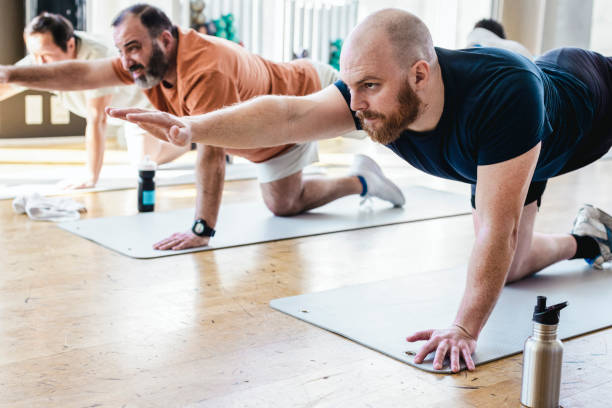
In today’s fast-paced world, finding time for lengthy exercise is a challenge. Short workouts fit busy urban lifestyles. They’re efficient and flexible, easily slipping into your schedule whether you’re between meetings, juggling family duties, or want to keep your evenings free. This flexibility makes it easier to stick to a routine.The efficiency of a workout lies in its intensity and focus. Short sessions push your limits quickly, encouraging muscle fatigue and growth. They cut out fluff, focusing on movements that deliver the most bang for your buck. It’s about being smart with your time and energy, making every second count. That way, you’re not just exercising; you’re exercising smarter.
Structuring Effective Short Exercise Sessions
To make the most of shorter workouts, it’s important to structure your sessions efficiently. Typically, aiming for 20 to 30 minutes is ideal for high-intensity workouts. This duration pushes your limits while remaining manageable on a busy day.The key to effectiveness is intensity. When exercise duration is short, ramping up intensity helps hit muscles hard. This can involve using higher weights, increasing reps, shortening rest periods, or choosing circuit-style workouts.

The idea is to keep your body challenged consistently.Selecting the right exercises is crucial to getting the job done quickly. Compound exercises that engage multiple muscle groups, like squats, deadlifts, and bench presses, should form the backbone of your routine. These movements maximize effort and calories burned per minute more than isolation exercises.A well-rounded session addresses multiple muscle groups to ensure balanced development. You don’t want to overwork one area and neglect others. Mixing exercises targeting different parts of the body often leads to better overall muscle growth. For example, pairing a push movement like a push-up with a pull movement like a row ensures you work opposing muscle groups effectively.
Optimizing Recovery for Enhanced Muscle Growth
Recovery plays a critical role in maximizing muscle growth, especially with high-intensity, short exercise sessions. After pushing your muscles during workouts, it’s crucial to give them the proper time and resources to recuperate. This isn’t just about taking a break; it’s a vital part of building strength and size.Ensuring muscles fully recover starts with rest. Schedule enough time between sessions for muscles to repair. This doesn’t mean sitting idle all day. Light activities like walking or flexibility exercises help maintain circulation without stressing worked muscles.
A balanced diet with protein, healthy fats, and the right amount of carbohydrates fuels recovery. Protein-rich foods help rebuild muscle fibers broken down during exercise. Hydration also plays a key role; staying well-hydrated supports cellular functions and helps flush out toxins that build up during intense activities.Sleep is where muscle recovery happens. Quality sleep is non-negotiable because muscles repair and grow stronger then. It’s not just about quantity but also quality, so creating a sleep-friendly environment greatly aids recovery.
Consider a consistent schedule and reducing screen time before bed to improve sleep.Tuning in to your body’s recovery needs can make a big difference. If you’re overly sore or sluggish, your body might need a longer recovery period or a check on nutrition or sleep quality. Attentive recovery can enhance performance and lead to better gains without burnout.
Tracking Progress and Adjusting Your Strategy
Keeping tabs on your progress is crucial to ensure your short workouts remain effective. Tracking results can motivate and inform necessary tweaks to your routine. It’s about understanding what works and adapting as needed.Start by evaluating muscle growth using key metrics like strength gains, muscle size, and energy levels during workouts. It can be as simple as noting reps, sets, and weights or using a tape measure or photo diary to monitor changes over time.Determining when to adjust workout intensity is key. If you’ve hit a plateau or stopped seeing progress, it might be time to increase intensity.
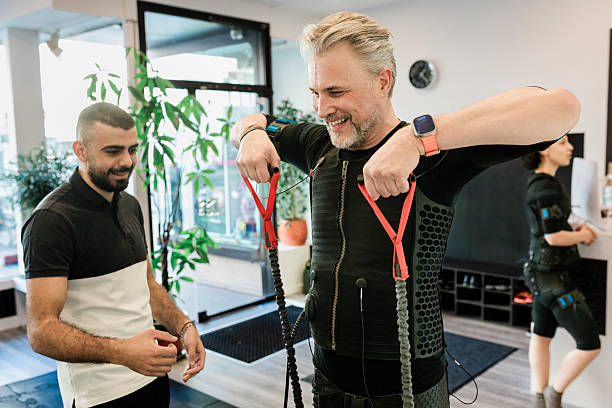
Consider adding more weight, trying new exercise variations, or changing your workout structure to shake things up.Using technology like fitness apps and wearable devices can give a detailed overview of your progress. Many apps track workouts, nutrition, and sleep, offering a comprehensive view of your fitness journey. This data provides insights you might miss if tracking everything mentally.Finding ways to stay motivated is as important as any other part of your training. Creating a playlist that pumps you up, setting achievable milestones, and celebrating small victories can keep you engaged. When you face a lull, remind yourself why you started and the benefits you’re experiencing.