https://weightliftingforpower.com/increasing-flexibility-and-mobility-for-improved-weightlifting-performance/
Increasing Flexibility And Mobility
Flexibility and mobility are often used as if they mean the same thing, but they are quite different. Flexibility is about how much your muscles can stretch. Mobility goes deeper; it’s about your joints moving through a full range of motion. Both are crucial for anyone serious about weightlifting.When lifting weights, flexibility and mobility significantly impact your form and control. Tight muscles and stiff joints prevent you from lifting efficiently or safely. Improved flexibility helps you achieve better lifts by allowing deeper squats or more powerful presses.
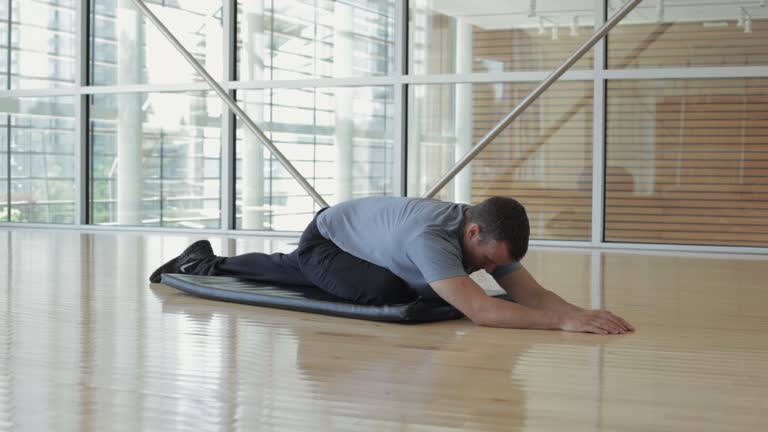
Mobility is your secret weapon, ensuring every joint can handle intense workouts.At the physiological level, enhancing flexibility and mobility improves your body mechanics. It lowers the chance of muscle strains and joint pain. Think of it as giving your body greater maneuverability. It makes movement easier, requires less energy, and supports more complex motions. Improving these areas supports better overall performance, letting you lift heavier, longer, and more safely.
The Role of Warm-ups and Dynamic Stretching
A proper warm-up gets your blood flowing and prepares your muscles and joints. Jumping into weightlifting without warming up invites injury. Warming up with dynamic movements enhances your mobility and ensures your body is ready for the demands of lifting sessions.There is often a debate between dynamic and static stretching. For weightlifters, dynamic stretching is best. It actively engages your muscles, unlike static stretching, which holds a position.
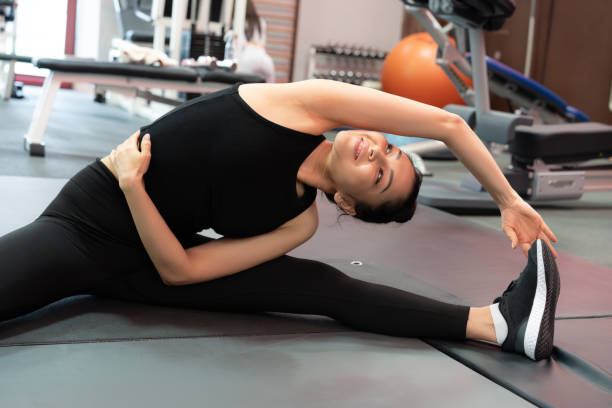
Examples include leg swings, arm circles, and walking lunges. These movements replicate lifting motions, engage your muscles, move your joints, reduce tension, and increase range of motion.Active movements should be part of your warm-up. These mimic your main workout but are less intense. For example, if squats are planned, include bodyweight squats in your warm-up. This practice lets your body adapt and helps prevent injuries.
Effective Techniques for Building Flexibility and Mobility
Ever tried yoga or Pilates? These not only increase flexibility but also boost your range of motion, especially for lifters. They focus on controlled movements and help stabilize muscles, which is key to maintaining balance during heavy lifts.Foam rolling and myofascial release are great for working on stubborn knots and tight spots. It requires patience, but the result is worth it. You can target specific muscles that feel tight or sore. A few minutes before or after your workout can make a big difference in how your body feels.
Including mobility exercises in your routine is essential, especially for common lifts like squats and deadlifts. Consider hip flexor stretches or ankle mobilizations to improve your lifting. Breaking exercises into smaller components helps build flexibility and improves your form.
Tailoring Flexibility and Mobility Programs for Individuals
Each of us has unique body quirks affecting flexibility and mobility. Recognizing individual limitations is crucial for effective improvement programs. It is about finding the right balance for your body and focusing first on areas that limit your performance most.Customizing your flexibility routines means playing to your strengths while addressing weaknesses. If tight hips reduce your squat depth, target them with hip-focused exercises. Consistency is key.
Regular work on neglected areas will yield noticeable improvements in your lifts.Progress is not a straight path, so keeping track is essential. Documenting your flexibility over time shows where you have improved and where you need more attention. Small changes can make a big difference, and sometimes a tweak to your routine is all you need to push past a plateau.Mobility and flexibility improvements are not overnight achievements but long-term commitments. With diligent practice, your lifts improve and your overall workout becomes more efficient and satisfying.
https://kre8or.ai/?ref=xtn11j8f
The Best Walking Routes For Health And Wellness
The Ultimate Guide To Muscle Hypertrophy: Science And Techniques