https://weightliftingforpower.com/core-strengthening-with-bodyweight-moves/
Core Strengthening
Core muscles, sitting right at the center of our body, play a huge role in everyday movements and tasks. Every twist, bend, or squat engages these muscles in some way. Without strong core support, even the simplest actions can become difficult or lead to injury over time.A well-conditioned core isn’t just about looking good in a swimsuit—although that’s a nice bonus. It goes a long way in supporting our spine, promoting a healthy posture, and reducing the risk of back and neck pain. When our core is strong, it takes the pressure off the back, allowing it to do its job with less strain.
There’s a common myth that working on your core only means doing endless sit-ups to get a six-pack. While toned abs can certainly show the fruits of your labor, core workouts provide so much more. They offer balance, stability, and power, which are crucial elements in nearly every physical activity.
Whether you’re a runner, cyclist, or just someone looking to carry groceries without strain, a strong core has your back—literally.Athletic performance gets a noticeable boost when you’ve got a rock-solid core. Think of it as the centerpiece that connects your upper and lower body, making movements more efficient and controlled. With better control comes better performance, less chance of injury, and longer endurance. That unseen power in your middle is essential for a balanced, physical life.
Principles of Bodyweight Core Exercises
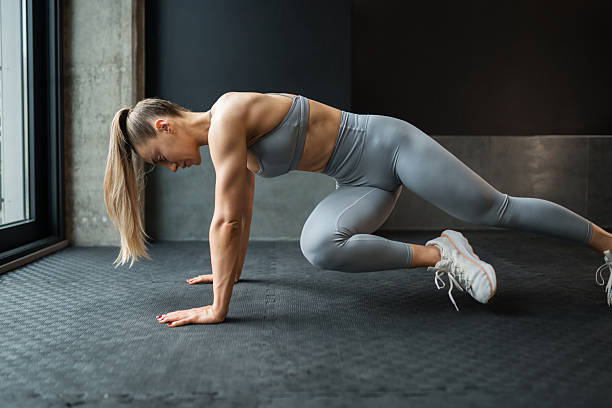
Bodyweight exercises for the core present an effective and accessible means to build strength. Using just your body means these exercises can be done almost anywhere, without fancy equipment or a trip to the gym. It’s about maximizing what you’ve already got to enhance stability and strength.While bodyweight moves appear simple, proper execution is vital. Starting with the basics and ensuring control over each movement helps avoid unnecessary strain or injury. It’s less about speed and more about form. Focusing on slow, controlled movements provides time to engage all the right muscles, helping you feel each contraction and extension in your core.
There’s a big difference between having core stability and strength. Stability focuses on maintaining balance and controlling your body’s alignment in static positions, while strength focuses on dynamic movements that require power and endurance. To reap full benefits, incorporating both is key. This balanced approach boosts functionality in other aspects of life, from athletics to everyday activities.Integrating these exercises into your routine doesn’t demand hours. Short, consistent practice is often more beneficial. Aim to incorporate a few core moves at the end of a regular workout or even during those small breaks in the day. Over time, improvements in balance, coordination, and strength will become evident, resulting in a more resilient and agile body.
Top Bodyweight Moves to Strengthen Your Core
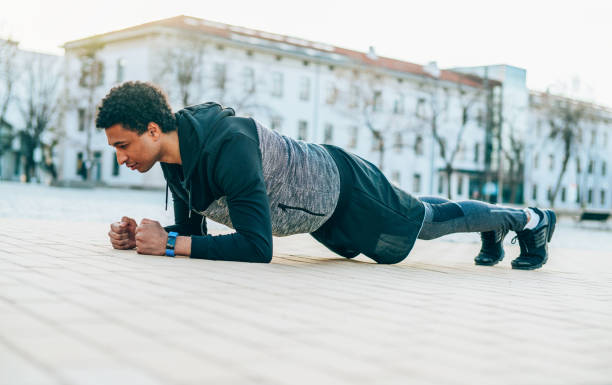
Plank variations offer a versatile way to engage your core muscles. Whether you’re holding a basic forearm plank or advancing to a side plank with a twist, each variation challenges your stability and strength. Make sure to keep your body in a straight line and engage your core throughout to maximize the benefits.Russian twists involve rotational movement, targeting the oblique muscles. This exercise can be done with a slight modification by keeping feet on the ground for beginners or lifting them for a more intense workout. Keep your movement slow and controlled to ensure you’re properly targeting those side muscles.Lower back pain often arises from improper form during exercise.
When doing any core move, maintain a neutral spine and avoid excessive arching or rounding of the back. Adding moves like bridges and bird-dogs can help strengthen and stretch the lower back safely.Creating a sample routine can help you stay on track. Incorporate a mix of planks, leg raises, and seated poses each week, gradually increasing the intensity or duration as you get stronger. Mixing up the routine keeps it interesting and challenges different muscle groups within your core.
Tracking Progress and Staying Motivated
Measuring your progress helps maintain motivation and ensures you’re heading in the right direction. Keep track of how long you can hold a plank or how many repetitions of each exercise you can do. Notice how your body feels during other activities—like greater ease in bending or lifting. These subtle signs can be just as telling as visible muscle definition.Setting realistic milestones can keep motivation high and prevent burnout. Focus on small, achievable goals that build confidence and gradually aim for bigger challenges.
Consistency is essential; it’s a long-term commitment, and results come with persistence rather than quick fixes.Core workouts also offer mental benefits. As your physical strength grows, you might find a boost in mental focus and clarity. Control over your body’s movements requires concentration, which can translate to improved mental discipline in other areas.Connecting with others can enrich your core-strengthening journey. Online communities provide valuable support and fresh ideas. Swapping stories, sharing achievements, or getting feedback from others can help keep your routine engaging and remind you that progress is a shared journey with many others working toward similar goals.