neck workouts
Getting a grasp on neck anatomy is like having a treasure map for effective workouts. The neck, often overlooked, contains a complex array of muscles essential for movement, stability, and posture. At the core of neck function are major muscles such as the sternocleidomastoid, trapezius, and splenius capitis. Each plays its part in how we nod, turn, or carry the burden of our heads.The sternocleidomastoid, for instance, helps with tilting and turning movements, while the trapezius not just supports the neck but also helps move the shoulders and extend the head.
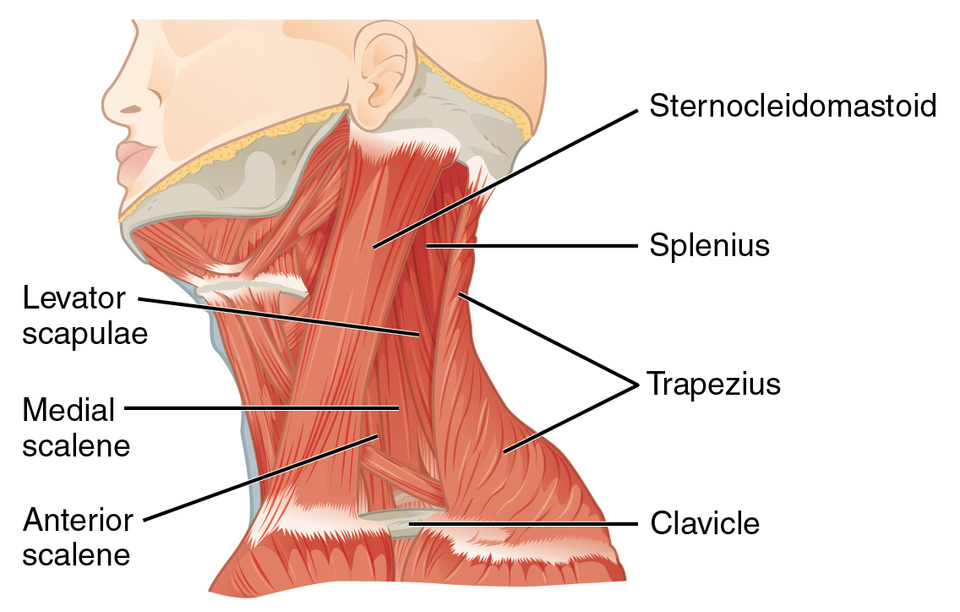

The splenius capitis serves as your go-to muscle for head rotation and tilting, too. Together, these muscles orchestrate the orchestra of everyday movements, from simple nodding to the more complex act of maintaining posture.Why bother knowing these muscles before workouts?
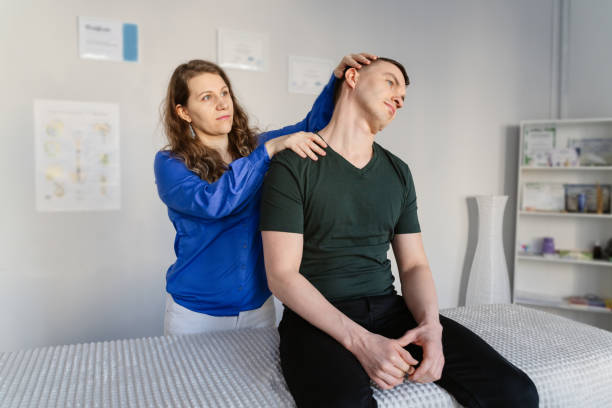
Targeted Neck Workouts: Focusing on Specific Muscle Groups
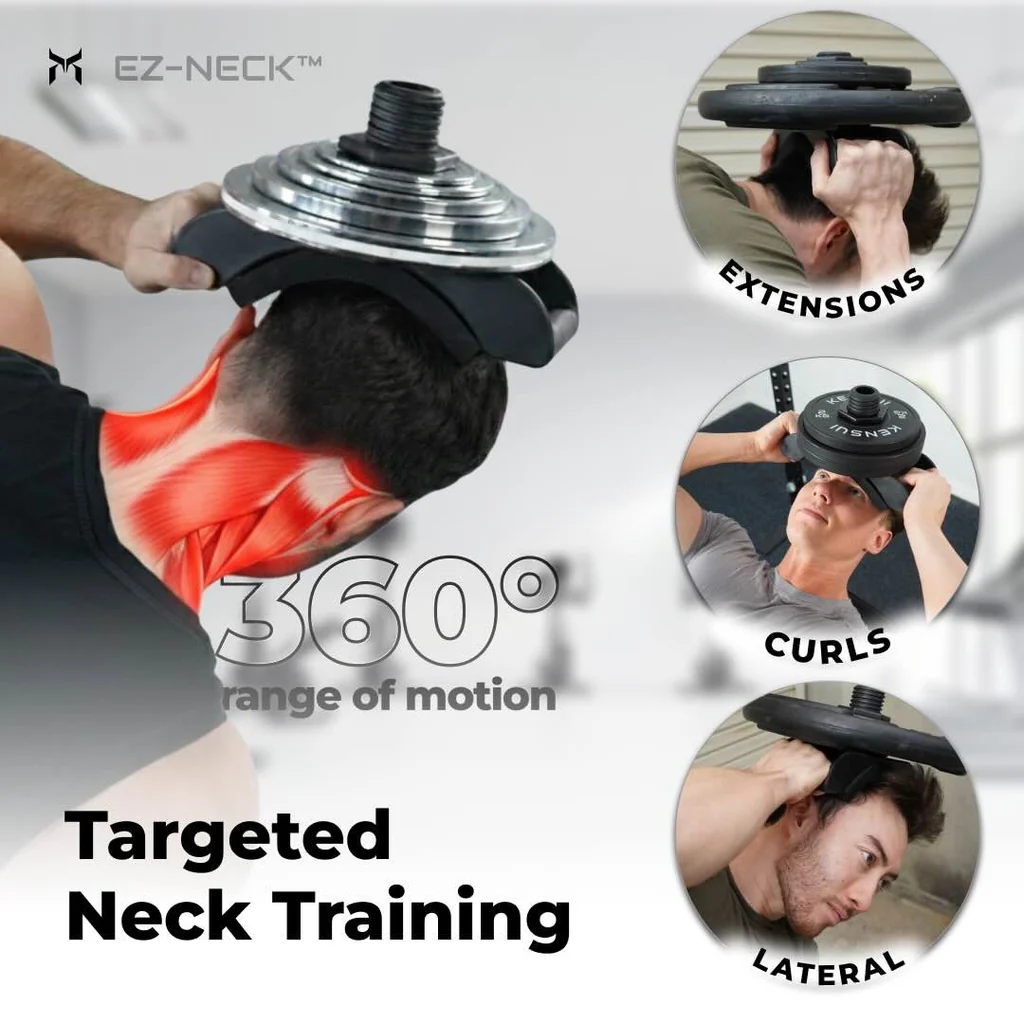
Neck workouts call for precision and targeting the right muscles. Each exercise should focus on a specific muscle group to maximize effectiveness and safety. It is important to select exercises that target the front, sides, or back of the neck.For instance, exercises like neck curls and reverse head lifts are fantastic for strengthening your front and back neck muscles, respectively. On the other hand, side neck extensions are great for targeting the lateral muscles, helping to achieve a more rounded development.

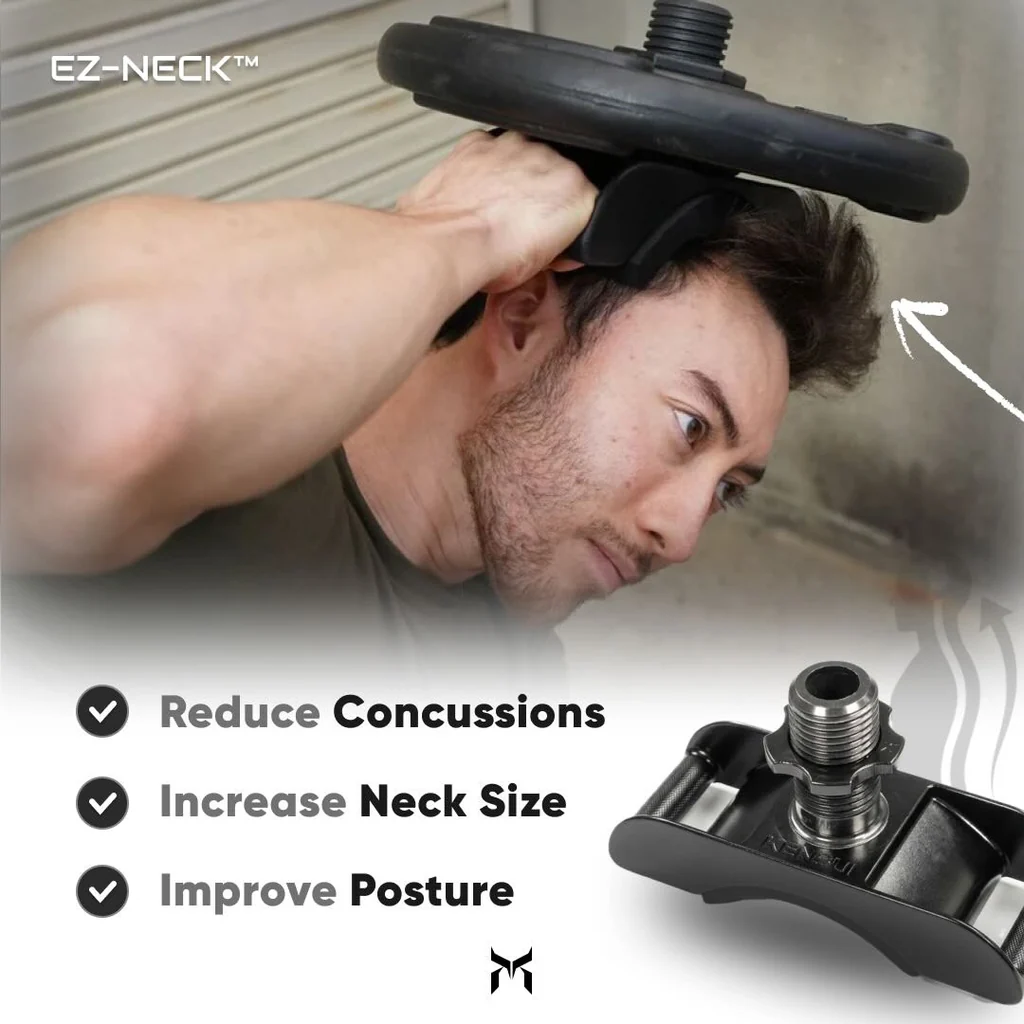
Incorporating resistance bands and weights can increase exercise intensity, giving muscles the challenge they need to grow and strengthen. However, approach these tools with caution and gradually increase resistance to prevent strain or injury.Common mistakes stem from improper form or overloading muscles. Maintain slow, controlled movements during exercises, keeping target muscles under tension without compensating with other body parts.

This practice amplifies muscular engagement and minimizes risk.Finally, consistency matters most. Regular repetitions and adequate recovery between sets promote muscle growth and endurance. Variety matters too—mixing exercises keeps muscles guessing and promotes balanced growth. Learning the right exercises and executing them carefully ensures strength, longevity, and stability for your neck.
Tailoring Workouts to Individual Requirements: Adapting for Different Fitness Levels
Adapting neck workouts to personal fitness levels is important for effective results without overstraining. Each individual starts at a different point, and understanding your limits sets the stage for successful and safe training.If you’re a beginner, start slow. Concentrate on mastering correct form with bodyweight exercises before moving to advanced resistance routines.
This basic phase strengthens the neck and prepares it for increased intensity.For those experienced, incorporating resistance bands or light weights provides an extra push to increase strength. Progressive overload helps, but increase resistance gradually.

Experienced athletes might concentrate on complex routines, including compound exercises that indirectly engage neck muscles. Stability exercises for the neck can bolster neck muscle strength and function, aiding performance in dynamic sports or demanding activities.Professional trainers customize routines by considering age, posture, and previous injuries to ensure workouts are effective and safe.
Tailored exercises address muscle imbalances and contribute to body symmetry.Corrective exercises to improve posture can be a breakthrough, especially if poor posture is a problem. Exercises that counteract long hours at a desk or in front of a screen bring considerable benefits.Older adults or those with health concerns may need modifications to neck workouts. Lowering intensity or reducing sets helps avoid strain while promoting strength and mobility. Individualized attention guarantees routines meet needs without jeopardizing safety.
Holistic Approach: Combining Neck Workouts with Overall Fitness
Neck workouts shouldn’t stand alone; they form a key part of the wider fitness puzzle. Integrating them with a full-body routine guarantees balanced development and keeps you functional across all movement planes.Incorporating neck exercises into your regular workout plan creates a more cohesive fitness approach. Pairing neck exercises with back, shoulder, and core workouts builds a strong, stable foundation supporting movement and posture.
While building neck strength is vital, keeping these muscles flexible and mobile is equally important. Stretching and mobility exercises are frequently neglected yet can improve performance and reduce injury risk by keeping muscles limber and ready to move.Nutrition plays a pivotal role in any workout routine, including neck training. A protein-rich diet supports muscle repair and development, while hydration maintains muscle function and reduces fatigue.
Recovery is important—rest days let neck muscles heal and grow stronger, boosting long-term performance.Strengthening the neck brings real-life benefits beyond the gym. For athletes, it increases performance by improving stability and control during fast-paced situations. In everyday life, a strong neck improves posture, reduces strain from daily activities and sitting, and promotes a healthier, more active lifestyle.
Top 10 Effective Neck Workouts To Strengthen Your Neck Muscles
Equipment-Free Neck Workouts You Can Do At Home
Benefits Of Strong ABS For Athletic Performance