
How to do power clean exercise Now

https://weightliftingforpower.com/how-to-do-power-clean-exercise/exercise-for-strength/admin/
Power clean exercise

Mastering the Power Clean: Your Guide to Proper Form and Safe Lifting

Are you seeking a workout that engages multiple muscle groups and enhances your power and athleticism? Look no further than the power clean. This dynamic full-body exercise is a staple in athletes’, weightlifters’, and fitness enthusiasts’ training regimens. The power clean involves explosive movements that target the legs, back, shoulders, and arms, making it an efficient way to build strength, speed, and coordination.

One of the unique aspects of the power clean is its emphasis on explosive power. Lifting a barbell from the ground to your shoulders in one fluid motion activates fast-twitch muscle fibers—essential for enhancing athletic performance and increasing overall power output. Also, mastering proper form in the power clean can improve your ability to generate force from your lower body while also developing upper body strength through pulling. As a result, incorporating this exercise into your workout routine can improve functional strength and enhance sports performance. If you’re ready to take your training to new heights and experience an exhilarating full-body workout like never before, try the power clean—it may just become your new favorite exercise.

Power cleans are an incredibly efficient way to build strength and explosive power and improve overall athleticism. Your fitness routine includes the legs, hips, back, shoulders, and arms. This full-body activation results in increased muscle mass and enhances coordination and balance.

Power Cleans offers a comprehensive fitness solution, boosting cardiovascular fitness with intense, short bursts of effort. The explosive nature of the movement fortifies bone density and joint stability over time. Beyond physical benefits, power cleans also cultivate mental resilience, fostering discipline and focus due to their technical nature. By incorporating power cleans into your fitness regimen, you can experience holistic physical and mental improvements.

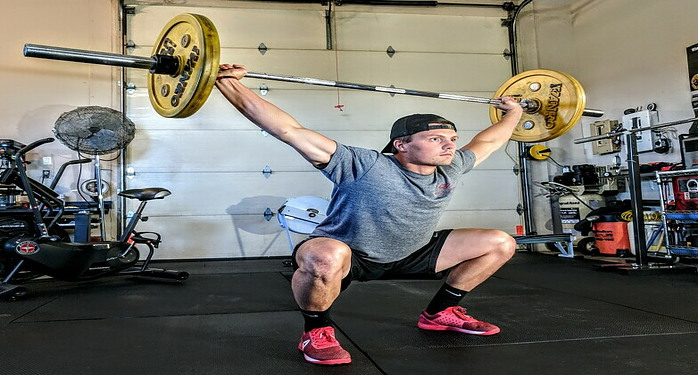
The power clean is a dynamic and explosive movement that requires precise technique and strength. Start with the barbell on the ground with your feet shoulder-width apart. Next, explosively extend your hips and knees while pulling the barbell upward, allowing it to brush against your thighs as you pull yourself under it. As you catch the bar in a front squat position, ensure your elbows are high and pointing forward.

Maintaining proper form throughout each movement phase is a crucial aspect of achieving a successful power clean. Focus on keeping the bar close to your body during the pull and ensuring an aggressive hip extension to generate maximum power. Additionally, practicing drills such as hang cleans can help reinforce proper positioning and timing for an effective pull. Properly executing each step of this compound movement enhances overall athletic performance and builds explosive power essential for various sports activities.

Mastering the intricacies of each step in the power-clean technique will elevate your training regimen to new heights. Individuals can unlock their full potential in strength training programs by honing in on key elements, such as generating explosive power from the hips and maintaining a solid upright position during catch. With consistent practice and dedication to refining technique, athletes can harness substantial benefits from incorporating power cleans into their workout routines for increased strength gains and athletic prowess.

1. Overestimating Your Abilities: One of the most common mistakes people make when working out is overestimating their abilities. It can lead to injuries and burnout, ultimately derailing your progress. I

2. Neglecting Proper Warm-Up and Cool-Down: Another mistake many people should pay attention to is the importance of a proper warm-up and cool-down. Before diving into your workout, take the time to properly prepare your body for exercise with dynamic stretching and light cardio. Similarly, remember to incorporate static stretches and gentle movements at the end to help your muscles recover.

3. Lastly, pay attention to proper form and technique during exercises and the effectiveness of form benefits you should be gaining from each movement.

Enhancing Your Power Clean: Tips from Fitness Experts

Warming up properly before attempting power cleans is essential to prevent injury and optimize performance. Start with light cardiovascular activity and jogging to increase blood flow and heart rate. Follow this with dynamic stretches focusing on the muscle groups used in power cleans, such as hip flexors, hamstrings, and shoulders.

Incorporate specific warm-up sets of  at a lighter weight than your working set to help activate the central nervous system and motor patterns. Focus on proper form and explosiveness during these sets to prepare your body for the heavier lifts. Additionally, include exercises like front squats, Romanian deadlifts, and medicine ball throws to engage further the muscles needed for power cleans while promoting flexibility and mobility.

Remember that a comprehensive warm-up routine primes your body for the demands of heavy lifting and allows you to tap into your full potential during training sessions. So, next time you hit the gym for power cleans, invest in a proper warm-up to reap the benefits of improved strength, coordination, and safety.

Incorporating accessory exercises into your training regimen can significantly enhance your power-clean technique and performance. By targeting specific muscle groups involved in the power clean, such as the hamstrings, glutes, and upper back, accessory exercises can help improve strength, stability, and explosiveness. For example, incorporating Romanian deadlifts can help build hamstring strength, essential for a powerful hip extension during the power clean.

Moreover, imagine the potential of explosive movements like box jumps or medicine ball throws to develop the fast-twitch muscle fibers necessary for an explosive extension during the power clean. It’s all about strategic integration. By thoughtfully incorporating these accessory exercises into your training routine, you take control, diversify your workout, and target crucial areas that directly contribute to a more efficient and robust power clean.

Progressive overload is the cornerstone of practical strength training, and By gradually increasing the demands placed on the body during exercise, progressive overload stimulates muscle growth and adaptation. The key is to consistently challenge your body in new ways, whether by adding resistance, increasing intensity, or varying the duration of your workouts.

Understanding progressive overload is crucial for anyone seeking meaningful results from their fitness routine. It’s not just about pushing harder; it’s about strategically pushing beyond your current limits to initiate growth and improvement. Without this gradual progression, the body adapts and becomes accustomed to a certain stress level, leading to plateaus in performance and development. Embracing progressive overload empowers individuals to continually evolve their fitness abilities and achieve long-term success in their health and wellness journey.

How to do the Powerclean

https://www.wealthyaffiliate.com?a_aid=352a86b2
Pilates equipment For WORKOUTS

https://weightliftingforpower.com/pilates-equipment-for-workouts/exercise-for-strength/admin/

pilates equipment

Getting to Know Pilates Equipment: Enhance Your Workout Experience

Pilates is more than just a form of exercise; it encompasses a holistic approach to physical and mental well-being. Pilates creates a deep connection between the mind and body by focusing on core strength, flexibility, and body awareness. This mind-body integration can improve posture, reduce stress, and increase energy levels. Moreover, the emphasis on controlled movements in Pilates can enhance overall coordination and balance.

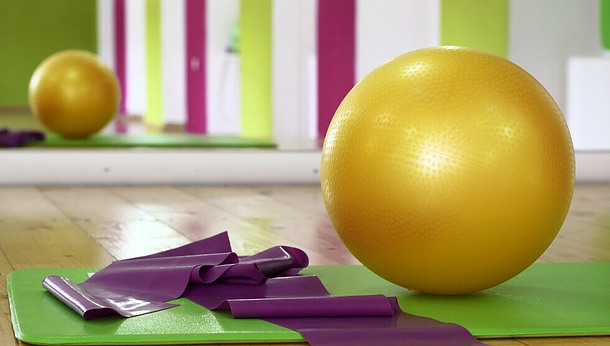
Pilates is a form of exercise that focuses on developing core strength, flexibility, and body awareness. For beginners, essential Pilates equipment includes a Pilates mat, which provides cushioning and support during exercises. Resistance bands are also vital for adding intensity to workouts and helping with stretching exercises. A Pilates circle or ring can also challenge various movements and target specific muscle groups.

For professionals or more advanced practitioners, the Reformer is an essential piece of equipment that offers resistance through springs and pulleys. This versatile machine allows for various exercises targeting different muscle groups. Another essential piece of equipment is the stability ball, which adds instability and engages core muscles during exercises. Lastly, small props like foam rollers and softballs help release muscle tension through self-massage techniques.

When considering essential Pilates equipment, beginners and professionals must invest in high-quality gear that will provide durability and support throughout their practice. Moreover, understanding how each piece of equipment complements the Pilates workout routine can contribute significantly to achieving optimal strength-building results, flexibility enhancement, and overall body conditioning.

For those aiming to improve flexibility and range of motion, the Reformer offers a unique combination of resistance and support, allowing for controlled movements that elongate muscles and improve joint mobility. Additionally, the Cadillac provides various attachment points and spring tensions, which can target specific muscle groups for strengthening and improving overall body alignment. These pieces of equipment facilitate a more dynamic and comprehensive workout experience compared to traditional mat-based Pilates exercises.

When it comes to outdoor activities, finding the right balance between safety and challenge is crucial. Choosing the appropriate equipment for your level of expertise can make all the difference in having a thrilling adventure or facing unnecessary risks. It’s essential to assess your skills honestly and invest in gear that matches your capabilities, even if you’re itching to push your limits. This approach ensures a safer experience and fosters confidence and skill development as you gradually use more advanced equipment.

The Reformer, Cadillac, and Chair are the most popular Pilates machines that offer a range of benefits and unique features for practitioners. The Reformer stands out for its versatility in providing resistance-based exercises to enhance strength, flexibility, and alignment. Its sliding carriage and adjustable springs allow for a full-body workout with various intensity levels. On the other hand, the Cadillac offers a combination of mat work and apparatus exercises to target specific muscle groups with its trapeze, push-through bar, and other attachments. The Cadillac’s ability to support challenging inverted movements makes it ideal for advanced practitioners seeking to deepen their practice.

In Pilates, accessibility has been a growing focus, with instructors and equipment designers working to adapt traditional apparatus to accommodate diverse needs better. One innovative approach involves adjusting springs and resistance settings for customizable intensity levels, making the exercises more accessible for individuals with varying physical abilities. Additionally, incorporating accessories such as yoga blocks or resistance bands can provide extra support and aid in modifying movements for those with limited mobility.

Pilates Equipment Through the Lens of Expertise: Maintenance, Investment, and Training

Quality should be at the top of your list of considerations when investing in Pilates equipment. Look for equipment constructed with durable materials such as high-quality steel, aluminum, or wood to ensure longevity and stability. Please pay attention to the padding and upholstery on machines such as reformers and chairs, ensuring they are comfortable and resistant to wear and tear.

Regular maintenance is essential for keeping your Pilates equipment in top condition and ensuring its longevity. Start by wiping down the equipment after each use to remove sweat and dirt that can accumulate over time.

Certification and training are crucial components in effectively using Pilates equipment. While anyone can hop on a Pilates machine and start moving, proper certification ensures that instructors understand how to use the equipment and tailor workouts to each individual’s needs. Understanding the intricacies of body mechanics and movement patterns allows certified instructors to create safe, effective routines that maximize the benefits of Pilates.

https://www.wealthyaffiliate.com?a_aid=352a86b2
Weightlifting for explosive power

https://weightliftingforpower.com/Weightlifting-for-explosive-power/exercise-for-strength/admin/

weightlifting for explosive power

Unlocking Explosive Power: The Fundamentals of Weightlifting for Dynamic Strength

Explosive power refers to the ability of the muscles to generate maximum force in a minimal amount of time. This type of power is crucial in athletic activities such as sprinting, jumping, throwing, and performing daily tasks like lifting heavy objects or pushing off to change direction quickly. The focus on explosive power training can significantly improve an athlete’s ability to accelerate and decelerate rapidly, essential for success in most sports.

When you lift weights, your muscles adapt, becoming more substantial and more efficient at quickly generating force. This muscle strength and power improvement enhances explosiveness in athletic movements like jumping, sprinting, and throwing.

The key muscle groups are involved when it comes to explosive movements. Strong glutes can significantly enhance athletic performance by providing the force necessary for explosive movements, such as jumping or sprinting. Additionally, the quadriceps and hamstrings are also crucial in these dynamic actions. The quads provide the initial drive and propulsion needed for explosive movements, while the hamstrings contribute to hip extension and overall power production.

The core muscles facilitate explosive movements. A strong core stabilizes the body during dynamic activities and transfers power from the lower body to the upper body and vice versa. Neglecting core strength can lead to decreased explosiveness exercises designed to enhance explosiveness. Understanding and targeting these key muscle groups is essential for achieving peak performance in explosive movements.

Proper form is an essential aspect of any workout routine, as it not only maximizes the effectiveness of the exercise but also plays a crucial role in injury prevention. By maintaining correct form, individuals can ensure that their muscles are strong and that there is no unnecessary strain.

Designing Your Explosive Power Program: Essential Exercises and Techniques

Compound movements play a crucial role in developing power and strength due to their ability to recruit multiple muscle groups simultaneously. Squats, deadlifts, and bench presses challenge the body to work cohesively, resulting in a more functional and powerful physique. Compounding movements enhance overall strength and improve coordination and stability by targeting several muscle groups at once

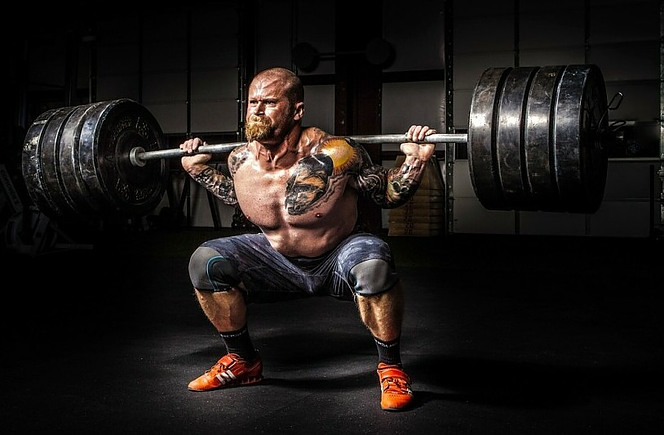
.When it comes to developing explosive strength, power cleans are a standout exercise. This compound movement targets the major muscle groups like the glutes, hamstrings, and traps and helps improve coordination and speed. The explosive nature of the power clean makes it an ideal choice for athletes looking to enhance their performance in sports.

Another critical exercise for building explosive strength is the snatch. This dynamic movement builds raw power and requires precision and timing. The snatch targets multiple muscle groups simultaneously, fostering full-body coordination and explosiveness. Incorporating snatches into your training regimen can help take your athleticism to the next level by honing fast-twitch muscle fibers essential for rapid acceleration and agility on the field or court.

Lastly, push presses are a valuable addition to any explosive strength routine. By combining lower body drive with upper body pressing power, push presses train the body to generate force from the ground up. This exercise is particularly effective at enhancing overhead explosiveness—essential for athletes participating in sports like basketball or volleyball, where vertical jumping ability is crucial.

The technical breakdown of each recommended exercise is crucial to any successful workout routine. Take the squat, for example. It’s essential to keep your back straight, shift your weight onto your heels, and ensure your knees do not extend past your toes.

When performing a deadlift, mastering the proper form is a triumph. This includes keeping your chest up, engaging your glutes and hamstrings as you lift, and maintaining a straight back throughout the movement. Conquering these technical elements enhances the workout’s benefits and reduces strain on vulnerable areas like the lower back, making each successful lift a testament to your progress.

Integrating technical breakdowns into each exercise is more than just a strategy- it’s a way to connect with your body during workouts. Whether focusing on alignment during yoga poses or adjusting grip width during pull-ups, understanding these nuances brings a deeper level of engagement. This connection can increase strength gains and muscle development while minimizing the potential for injury, adding a satisfying layer to your fitness journey.

Progressive overload and periodization are potent tools in the arsenal of those seeking to increase power. By gradually increasing the intensity, volume, or complexity of their workouts, individuals can challenge their muscles to adapt and grow stronger over time. This process of progressive overload pushes the body beyond its current limits, leading to enhanced power output. Furthermore, periodization involves strategically planning training cycles to optimize performance and prevent plateaus. By alternating between phases of high-intensity training and deload periods, athletes can continually stimulate muscle growth while minimizing the risk of overtraining.

Additionally, adding speed training to your workouts can further enhance your athletic capabilities. Sprinting drills, agility ladder exercises, and shuttle runs can help improve your acceleration, reaction time, and overall speed.

Integrating plyometrics and speed training is critical. When optimizing athletic performance or simply taking your fitness routine up a notch. These techniques enhance physical prowess and provide various exercise routines that keep the body engaged constantly. Whether you’re an athlete looking to elevate your game or someone seeking a refreshing challenge in their workouts’, the combination of these two methods creates an effective amalgamation for all-around success in fitness endeavors.

Fueling for the Powerlift: Nutrition and Recovery Tools for Peak Performance

Nutritional strategies support muscle growth and recovery beyond just protein consumption. Development, focusing on overall energy intake, is necessary to support training demands. Ensuring an adequate intake of carbohydrates can help replenish glycogen stores, providing the energy needed for effective workouts and recovery.

Furthermore, research has shown that mild dehydration of around 2% of body weight can significantly affect power output. It’s important to note that thirst isn’t always a reliable indicator of hydration status, making it essential to monitor fluid intake actively.

Moreover, proper hydration enhances physical performance, such as muscle cramps and strains. Individuals can optimize their power output and overall athletic performance by prioritizing adequate fluid intake before, during, and after exercise.

When it comes to explosive strength training, certain supplements can provide a significant boost in performance and results. Creatine monohydrate is one such supplement that has been extensively researched and shown to enhance explosive strength and power. By increasing phosphocreatine stores in the muscles, creatine allows for more excellent energy production during short bursts of high-intensity exercise, improving performance in sprinting and weightlifting.

Another supplement worth considering for explosive strength training is beta-alanine. This non-essential amino acid increases muscle carnosine levels, which helps buffer acidity during high-intensity exercise and delays fatigue. As a result, individuals may experience improved endurance and overall power output during explosive movements. Additionally, beta-alanine supplementation has shown potential for enhancing muscle hypertrophy adaptations when combined with resistance training.

While high-intensity training may be essential for developing explosive power, adequate sleep is equally vital for allowing the body to heal and rebuild. Research has shown deep, restorative sleep promotes muscle recovery, hormone balance, and overall performance. Active recovery techniques such as low-impact workouts or yoga can also play a pivotal role in maintaining explosive power gains by increasing blood flow and reducing muscle soreness.

In addition to sleep and active recovery, tissue work through foam rolling or sports massage can help alleviate muscular tightness and improve flexibility, ultimately contributing to sustained explosive power output.

https://www.wealthyaffiliate.com?a_aid=352a86b2

Forearm flexibility and mobility

https://weightliftingforpower.com/forearm-flexibility-and-mobility/exercise-for-strength/admin/


Forearm flexibility and mobility

Understanding Forearm Flexibility and Mobility: The Essentials

Regarding forearm health, flexibility, and mobility are crucial in preventing injuries and maintaining overall well-being. It is essential for activities that require grasping, gripping, or twisting motions, such as lifting weights or playing a musical instrument. On the other hand, mobility encompasses not only muscle flexibility but also joint movement in the forearms. Maintaining good mobility allows for smooth and pain-free articulation of the wrist and elbow joints, reducing the risk of strains or overuse injuries.

The anatomy of the forearm is a marvel of engineering, consisting of numerous muscles, tendons, and nerves all working together to support everyday activities. The two primary bones, the radius and ulna, provide structural stability and enable intricate movements like pronation and supination. The muscles in the forearm contribute to gripping, bending, and extending the wrist, as well as controlling finger movement with impressive precision.

Good forearm flexibility and mobility are essential for overall health and performance, especially for those who engage in activities that require gripping, lifting, and fine motor skills. Substantial forearm flexibility can enhance hand strength and skill, making daily activities more accessible and efficient.

Limited forearm flexibility and mobility can lead to various issues impacting daily activities and athletic performance. One primary issue is decreased grip strength, as tight or immobile forearms make it harder to grasp objects firmly or handle heavy weights. It can affect everything from opening jars to lifting weights at the gym, hindering overall functionality.

The inability of the forearms to move through their full range of motion puts excessive discomfort during activities that require gripping or twisting motions. These issues limit physical capabilities and impact the overall quality of life, making it essential to address and improve forearm flexibility for long-term health and functionality.

Addressing limited forearm flexibility is crucial for daily function and athletic performance as it can alleviate grip strength limitations and reduce the risk of repetitive strain injuries. Incorporating specific stretching exercises, massage therapy, and targeted mobility drills into a routine can help improve forearm flexibility, ultimately enhancing overall physical well-being.

Practical Tips to Enhance Forearm Flexibility and Mobility

Both dynamic and static stretches play crucial roles in maintaining the flexibility and strength of the forearms. Dynamic stretches, such as wrist circles and finger taps, help warm the muscles and increase blood flow to the forearms before any intense activity. It can be especially beneficial before weightlifting or sports that require repetitive gripping movements. On the other hand, static stretches like forearm flexor and extensor stretches provide a deep elongation of the muscles, improving overall flexibility and reducing muscle tightness after a workout.

One of the most effective exercises for improving forearm flexibility and mobility is the wrist flexion and extension stretch. To perform this exercise, hold your arm out with the palm facing down, then use your opposite hand to gently bend the wrist downwards until you feel a stretch in the forearm muscles. Hold for 15-30 seconds, then gently release and repeat on the other side.

Another excellent exercise for forearm flexibility is finger extensions using a rubber or resistance band. Place a rubber band around all five fingers, then spread them apart against the band’s resistance. Hold this position for 5-10 seconds before relaxing, then repeat for multiple sets. This exercise improves finger strength and promotes flexibility in the forearm muscles by targeting their attachment points at the fingers.

Additionally, incorporating regular wrist rotations into your routine can enhance forearm mobility. Hold your arms out with elbows bent at 90 degrees and rotate your wrists in clockwise and counter-clockwise circles to do this exercise. Aim to perform 2-3 sets of 10-12 repetitions in each direction to promote improved forearm blood flow and joint mobility.

Ergonomic adjustments are crucial in maintaining forearm health and preventing musculoskeletal issues. From the office to the gym, proper ergonomic practices can significantly reduce strain and discomfort in the forearms. Simple changes, such as ergonomic keyboards and mice, can help alleviate pressure on the forearms during long work hours. Incorporating forearm-specific exercises into workout routines can also improve strength and flexibility, further supporting forearm health.

To safely increase forearm flexibility and mobility without causing injury, it’s essential to incorporate a gradual and consistent stretching routine into your fitness regimen. Focus on dynamic stretches that involve controlled movements, such as wrist circles, finger extensions, and hand squeezes, to warm up the muscles before static stretching. Additionally, consider using props like resistance bands or a stress ball to gently push your range of motion without overexerting the muscles.

Whether you’re doing wrist curls with weights or using a grip strengthener, maintaining your wrists in neutral alignment and avoiding sudden jerky movements will prevent muscle strain. This reassurance of safety will allow you to increase your forearm flexibility confidently. Furthermore, incorporating self-myofascial release techniques with a foam roller or massage ball can help alleviate tension in the forearms and aid in increasing flexibility safely.

It allows the muscles in the forearms time to recover and adapt to increased flexibility demands. Finally, listen to your body and be mindful of any discomfort or pain during stretches or exercises—pushing through sharp pains or discomfort could lead to injury rather than increased mobility.

https://www.wealthyaffiliate.com?a_aid=352a86b2
Power Forearms 2.0

https://weightliftingforpower.com/Power-Forearms-2.0/exercise-for-strength/admin/


Power Forearms 2.0

Unlocking the Potential of Your Forearms: Keys to Growth and Strength

Acknowledging the significance of having solid forearms in terms of overall physical fitness is essential. While many focus on building solid biceps and triceps, the forearm muscles are crucial in various activities, such as lifting heavy objects, playing sports, or even performing daily tasks like carrying groceries or typing on a keyboard.

The forearm is a remarkable part of the human body, with its intricate muscles, tendons, and bones working together to enable various everyday activities. , form a flexible yet stable support structure that allows for movements such as rotation and flexion.

In addition to its role in basic hand movements, the forearm also plays a crucial role in more complex activities such as playing musical instruments or participating in sports. The coordination between muscle groups and tendons within the forearm enables us to perform fine motor skills, such as playing guitar chords or throwing a ball precisely. Understanding this anatomical complexity can deepen our appreciation for the incredible capabilities of our forearms and motivate us to take care of them through proper exercise and ergonomics.

Targeting the flexor muscles in the forearms is crucial for improving grip strength and overall forearm development. Practical exercises include wrist curls, reverse wrist curls, and hammer curls. These movements specifically engage the flexor muscles, helping to build strength and endurance in this area.

First off, consider implementing different types of grip exercises into your routine. While traditional wrist curls can be effective, incorporating exercises like farmer’s walks, plate pinches, and towel hangs can provide a diverse range of challenges to your forearms and grip strength. Varying the angle at which you perform these exercises can also engage different muscle groups within the forearm, leading to more balanced development.

Regarding progressing in forearm exercises, focusing on gradual increases in weight and intensity is crucial. Rushing into heavier loads or pushing yourself too hard can lead to overuse injuries and strains. Instead, aim for a slow, steady progression by increasing the weight or resistance by small increments. This approach allows your forearms to adapt and strengthen without being overwhelmed.

Another vital aspect of safe progression is paying attention to form and technique. As you increase the difficulty of your exercises, be mindful of maintaining proper alignment and controlled movements. A sloppy form reduces the effectiveness of the exercise and increases the risk of injury. Take the time to perfect your technique before advancing to more challenging variations or heavier weights.

Optimizing Forearm Training: Techniques and Lifestyle Adjustments

Moreover, micronutrients like vitamin D and magnesium are vital for overall muscle health and can significantly impact forearm strength and growth. It’s important to remember that targeted nutritional support not only fuels the muscles but also aids in their recovery after intense workouts. Consequently, emphasizing a well-rounded diet with these critical nutrients is paramount for maximizing forearm muscle growth potential.

Rest is crucial for allowing the muscles to repair and grow stronger after an intense workout. The muscles cannot recover fully without adequate rest, resulting in diminished gains and potential burnout.

Incorporating rest days into your forearm workout regimen is essential for long-term success. It allows your body time to replenish energy stores and repair muscle tissue, ultimately improving strength and endurance. Proper recovery techniques such as stretching, foam rolling, and massage can help alleviate soreness and prevent overuse injuries. By prioritizing rest and recovery in your forearm workouts, you can give your muscles the best chance to adapt and grow stronger while minimizing the risk of burnout or injury.

Incorporating forearm exercises into your training schedule can significantly improve your overall strength and performance. While many focus on working the larger muscle groups, neglecting the forearms can lead to imbalances and limitations in grip strength. Including forearm exercises, such as wrist curls, reverse curls, and farmer’s walks, can help prevent injuries and enhance your ability to perform various activities inside and outside the gym.

Developing muscular forearms is crucial for overall upper body strength and functionality. While many people focus on traditional exercises like wrist curls and grip strength trainers, several innovative equipment and resources can help take forearm training to the next level. One such resource is fat grips or thick barbells, which can significantly increase the activation of the forearm muscles during lifts such as deadlifts, rows, and presses. Adjusting hand grippers with varying resistance levels can provide a targeted approach to building forearm strength, allowing for progressive overload and constant adaptation.

Another valuable addition to forearm training is incorporating functional grip-strengthening tools such as hand grippers, finger resistance bands, and gyroscopic balls. These tools target the forearm muscles and improve hand and finger agility and coordination. Furthermore, integrating suspension trainers into workouts can effectively engage the forearms while performing exercises like inverted rows or single-arm hangs. Exploring these diverse options for enhancing forearm training is essential to ensure the comprehensive development of this often-overlooked muscle group.

When measuring progress and setting realistic goals for forearm strength and size, focusing on tangible and intangible markers is essential. While tracking the increase in weights lifted and the circumference of your forearms can give you a clear understanding of physical progress, it’s equally important to consider factors such as improved grip strength, reduced fatigue during everyday activities, and increased endurance. These indicators can provide a more comprehensive view of your overall forearm development.

Setting realistic forearm strength and size goals involves understanding your body’s limitations and pushing yourself beyond them. It’s crucial to establish achievable short-term objectives that contribute toward long-term success. It may include focusing on specific exercises targeting the forearms, gradually increasing resistance levels, or incorporating different training techniques. By balancing challenging yourself and respecting your body’s capabilities, you can ensure steady progress toward your desired forearm strength and size.

https://www.wealthyaffiliate.com?a_aid=352a86b2
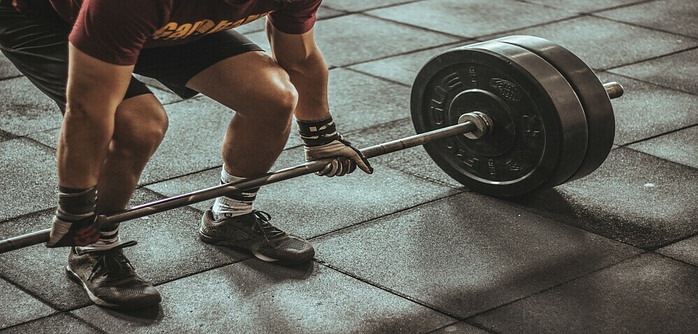
Building Muscle Mass: A Guide To Strength Training


https://weightliftingforpower.com/Building-Muscle-Mass%3A-A-Guide-To-Strength-Training/exercise-for-strength/admin/


Building Muscle Mass: A Guide To Strength Training

Unveiling the Fundamentals of Strength Training for Muscle Growth

Understanding the science of hypertrophy is essential for anyone seeking to maximize their muscle growth potential. By delving into the various mechanisms of muscle growth, we gain valuable insight into how our bodies respond to different training stimuli and nutritional interventions. From the role of protein synthesis to the impact of resistance training, a comprehensive understanding of hypertrophy science empowers individuals to make informed decisions about their fitness routines and dietary choices.

As researchers uncover new findings in this field, we can look forward to more effective strategies for promoting muscle growth and optimizing athletic performance. It is imperative for those interested in enhancing their physique or athletic abilities to stay updated on the latest scientific discoveries and apply this knowledge to their training and nutrition plans.

By acknowledging the genetic factors that influence our body’s response to exercise and nutrition, individuals can tailor their goals to align with their unique biological predispositions. Embracing a holistic approach that considers genetics and body type empowers individuals to set achievable and sustainable goals that promote overall health and well-being. Ultimately, by incorporating these insights into our goal-setting process, we can cultivate a more positive and realistic mindset toward fitness while enhancing our ability to make meaningful progress. Let’s strive to set realistic goals that honor our genetic makeup and body type, fostering a healthy and balanced approach to fitness.

Personalizing strength training is crucial to optimizing fitness outcomes. By tailoring workout routines and exercises to individual needs, individuals can experience more incredible progress, reduced risk of injury, and improved satisfaction with their training. Personalized assessments, goals, and feedback allow for a more targeted approach to strength training, considering each person’s unique capabilities and limitations. As exercise science continues to evolve, trainers and individuals must embrace the benefits of personalization to achieve better results and long-term success in their fitness journeys. Embracing personalized strength training can lead to physical improvements and promote a sense of empowerment and confidence in one’s abilities.

Incorporating squats, deadlifts, and bench presses into your workout routine can significantly enhance muscle engagement and overall strength. You can promote optimal muscle activation and development by including these critical movements in your training program. Additionally, focusing on proper form and technique is crucial to maximizing the benefits of these exercises while minimizing the risk of injury. Embrace the challenge of mastering these fundamental movements and watch your strength and muscular development reach new heights. Start integrating squats, deadlifts, and bench presses into your workouts today to experience the full potential of your muscles!

Progressive overload is the fundamental principle for effectively building muscle mass. Individuals can stimulate muscle growth and adaptation. This approach allows for continuous improvement and prevents plateaus in muscle development. Therefore, incorporating progressive overload into resistance training programs is essential for optimizing muscle gains and achieving long-term results. Embracing this concept empowers individuals to take control of their fitness journey and unlock the full potential of their muscular growth. So, whether you’re a beginner or an experienced lifter, remember that progressive overload is critical to unlocking your body’s capacity for muscle development and should fit into your training regimen.

The importance of protein and calorie intake cannot overstated when it comes to maintaining a healthy diet and promoting overall well-being. Protein is essential for muscle repair, immune function, and hormone production, while adequate calorie intake provides the energy necessary for daily activities and bodily functions. Individuals can support their nutritional needs and achieve their health and fitness goals by incorporating various protein sources and ensuring sufficient calorie consumption. Be mindful of individual dietary requirements and consult a healthcare professional or registered dietitian to develop personalized nutritional strategies. Ultimately, prioritizing protein and calorie intake lays the foundation for a balanced diet and optimal health outcomes.

Understanding the importance of rest allows individuals to optimize their training programs and achieve better results. Prioritizing quality sleep, proper nutrition, and active recovery techniques is crucial to support the body’s natural healing processes. By giving your muscles the time they need to recover, you can maximize your progress and minimize the risk of injury in the long run.

Tracking progress in strength gains and muscle growth is essential for anyone committed to achieving their fitness goals. Whether using methods such as 1-rep max testing, body composition analysis, or progress photos, choosing the approach that best suits individual needs and objectives is necessary. By consistently monitoring and recording these indicators, individuals and understanding how to measure progress accurately can provide motivation and a sense of achievement as milestones. Fitness enthusiasts must incorporate effective tracking methods into their routines to ensure continual improvement and success on their fitness journey.

Consistency and patience are paramount in achieving success in strength training. By adhering to a regular workout routine and staying dedicated to incremental progress, individuals can maximize their results and prevent injury. It is essential to recognize that building strength takes time and cannot, but the rewards of persistence are well worth the effort. Therefore, it is crucial for both beginners and experienced athletes alike to prioritize these values in their training approach. Embracing consistency and patience will improve physical performance and foster a mindset of discipline and resilience that extends beyond the gym.

Staying safe during workouts is crucial for achieving long-term fitness goals. These safety tips can minimize the risk of injuries and maximize your exercise routine. Remember to start with a proper warm-up, use the correct form and technique, and listen to your body’s signals. Additionally, always use appropriate safety gear and equipment, and gradually increase the intensity of your workouts to avoid overexertion. By prioritizing safety in your fitness regimen, you can enjoy the benefits of exercise while minimizing the risk of injury. Stay safe and continue to prioritize your well-being as you pursue your fitness journey.

https://www.wealthyaffiliate.com?a_aid=352a86b2
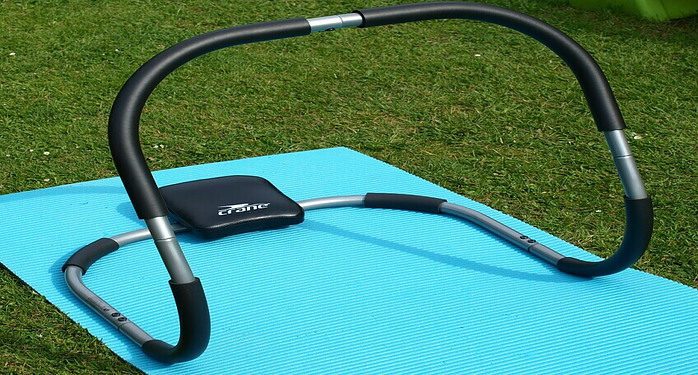
Abdominal exercise equipment for your Core

https://weightliftingforpower.com/abdominal-exercise-equipment-for-your-core/exercise-for-strength/admin/


Abdominal equipment

Introduction to Abdominal Exercise Equipment

Core strengthening is a fundamental aspect of overall fitness that often goes overlooked. Beyond sculpting a toned midsection, strong core muscles are crucial in posture, stability, and injury prevention. Neglecting core strengthening can lead to back pain, poor balance, and decreased athletic performance. Moreover, a strong core can improve daily activities by enhancing functional movements such as bending, lifting, and twisting.

Regarding abdominal exercise equipment, each has its unique features and benefits. One popular choice is the stability ball, which challenges the core muscles while engaging other muscle groups for a full-body workout. Another practical piece of equipment is the ab wheel, which targets the entire core and requires strength and stability to use appropriately. Resistance bands can provide a great ab workout by adding tension to standard exercises like crunches and leg raises for those looking for something simpler.

A less conventional but increasingly popular option is the TRX suspension trainer, which offers many exercises to target the abs while working with other muscle groups. The captain’s chair is another trusted piece of equipment that supports leg raises and other hanging exercises to engage the abdominal muscles effectively. Finally, medicine balls can be used in various ways to add resistance and challenge the core in different planes of motion. With this diverse array of abdominal exercise equipment available, individuals have ample opportunities to mix up their workouts and find what works best for them.

In ancient civilizations, for example, the famous philosopher Hippocrates is said to have developed a device called the tummy twister to enhance core strength. This early form of abdominal exercise equipment laid the foundation for the evolution of modern-day devices.

As we leap into the 20th century, we encounter a rising interest in abdominal fitness tools, marked by the introduction of innovative gadgets like the ab roller and crunch machines. These inventions make abdominal workouts more accessible and effective for people from all walks of life. In the present day, we are witnessing a continuous evolution in abdominal fitness tools, marked by advancements such as adjustable resistance systems, innovative technology integration, and functional training concepts that cater to different fitness levels and goals. The future promises even more thrilling developments in this niche as the importance of core strength and stability continues to gain prominence in our overall fitness pursuits.

Choosing the Right Abdominal Exercise Equipment for You

When assessing personal fitness goals and levels, focusing on individual needs and desires rather than comparing oneself to others is crucial. Each person’s fitness journey is unique; what works for one may not work for another.

Assessing personal fitness levels involves considering various aspects such as strength, endurance, flexibility, and cardiovascular health. Understanding where you currently stand in these areas can help you tailor a personalized fitness plan that addresses specific strengths and weaknesses. Moreover, regularly reassessing your fitness levels allows you to track your progress and adjust your goals accordingly. This holistic approach ensures that personal fitness goals are attainable and sustainable in the long run.

Regarding fitness equipment, the needs and requirements of beginners, intermediate, and advanced users vary significantly. Beginners can benefit from more straightforward, user-friendly equipment focusing on basic movements and safety. It could include resistance bands, adjustable dumbbells, and stability balls to help build strength and stability without overwhelming them with complex machinery.

As fitness enthusiasts progress to an intermediate level, their equipment needs evolve. They may explore more specialized equipment such as kettlebells, suspension trainers, or resistance machines. These tools offer a more comprehensive range of exercises and intensity levels, challenging their growing strength and stamina. This progression allows them to explore new movement patterns in a controlled environment, enhancing their fitness journey.

For advanced users, the focus often shifts towards advanced machinery like power racks, barbells, or Olympic weightlifting platforms. These tools allow for heavy lifting and high-level performance training, meeting the needs of these individuals who require equipment that can handle heavy loads safely. Moreover, they offer the necessary versatility for their diverse training goals. By understanding these distinct needs across different proficiency levels, fitness enthusiasts can make informed choices about the most appropriate equipment for their current stage of development.

When selecting abdominal equipment, safety should be a top priority. One important consideration is the stability of the equipment. Look for products that have a sturdy base and are unlikely to tip over during use. Additionally, it’s crucial to ensure that the equipment provides proper support for your back and body to prevent injuries.

When the equipment and environment with ergonomics in mind, it can significantly enhance the effectiveness of your workout. For example, a well-designed ergonomic chair can support proper posture during weight training or yoga sessions,

Additionally, ergonomic design can also improve the overall experience of a workout. From adjustable resistance levels on exercise machines to carefully placed handlebars for stability and support, every aspect of good design contributes to a more comfortable and efficient workout session. As our understanding of ergonomics continues evolving, we may see even more innovative designs that optimize the workout experience.

Regarding financial investment versus potential health benefits, it’s easy to see the immediate returns of a sound financial decision. However, the long-term impact of investing in our health cannot. While traditional investments may yield monetary gains, prioritizing health can lead to overall wellness and quality of life that money cannot buy.

Investing in physical and mental health can reduce healthcare costs, increase productivity, and extend lifespan. Recent research suggests that individuals prioritizing their health are more likely to have better job performance and higher earning potential over time. Therefore, when weighing financial investment against potential health benefits, it’s essential to consider the invaluable returns from prioritizing personal well-being. By investing in our health now, we secure our future and pave the way for a happier and more fulfilling life.

Maximizing Results with Your Abdominal Exercise Equipment

Incorporating equipment into a workout routine can significantly enhance the effectiveness of your exercises. Instead of filling your home gym with every piece of equipment on the market, focus on versatile tools for multiple exercises. This approach saves space and money and encourages creativity in crafting diverse workout routines.

The importance of combining abdominal exercises with overall fitness and diet can differ. While many people may focus solely on performing crunches or sit-ups to target their abs, incorporating various exercises that engage the entire core is crucial for developing functional strength and stability. Furthermore, pairing abdominal exercises with a balanced diet, cardio, and strength training can produce more noticeable results.

https://www.wealthyaffiliate.com?a_aid=352a86b2

How to keep Your workout Routine fun and Exciting

https://weightliftingforpower.com/how-to-keep-your-workout-routine-fun-and-exciting/exercise-for-strength/admin/

workout Routine fun and Excitin

Introduction to Workout Enjoyment

It’s no secret that consistency is critical to a successful workout routine. However, what many people overlook is the importance of actually enjoying the process. When you find joy in your workouts, they become less of a chore and more of a rewarding experience. This positive mindset can significantly impact your long-term commitment to exercise.

By focusing on the enjoyment factor, working out becomes something to look forward to rather than something to dread. Whether trying out new exercises, joining group classes, or listening to uplifting music, finding ways to make your workouts enjoyable can be the game changer for maintaining consistency over time. Sticking with them, in the long run, becomes more manageable when you’re having fun and feeling good during your workouts.

Overview of common barriers to workout enjoyment

When working out, several common barriers can hinder enjoyment and motivation. One of the most prevalent barriers is the need for more time. Many people struggle to find the time to exercise amidst their busy schedules, leading to frustration and discouragement.

Another significant barrier is boredom with repetitive workouts. Doing the same exercises can lead to monotony and eventual disinterest in exercising. Moreover, physical discomfort, such as muscle soreness or fatigue, can also deter people from thoroughly enjoying their workouts. Finding ways to address and overcome these common barriers is essential for maintaining long-term motivation and maximizing the enjoyment of physical activity.

Principles of a fun and engaging workout routine

What makes a workout routine fun and engaging? The key lies in adding variety to your exercises. Flexibility and balance exercises can keep things interesting and prevent boredom. Additionally, setting achievable goals can provide motivation and a sense of accomplishment after each workout.

Spice Up Your Workout with Variety

Variety is the spice of life, and it’s more important than ever to prevent boredom in our fast-paced world. Engaging in various activities stimulates different parts of our brains, keeping things fresh and exciting.

Incorporating different workout styles and disciplines into your fitness routine can prevent boredom and maximize results. For example, combining high-intensity interval training (HIIT) with Pilates can improve cardiovascular endurance and core strength in a single session.

Have you ever felt stuck in your workout routine, doing the same exercises with the same equipment daily? It’s time to break out of that monotony and shake things up by trying new exercises and equipment.

Exploring new exercises and equipment can also provide a mental boost, as it introduces an element of novelty into your fitness journey. Whether it’s experimenting with resistance bands, kettlebells, or bodyweight movements, stepping out of your comfort zone opens up opportunities for growth and improvement. Embracing variety in your workouts keeps things exciting and promotes overall physical development by targeting different body areas. So don’t be afraid to step away from familiar routines – trying new exercises and equipment could be just what you need to reignite your passion for fitness.

Mixing Fitness with Social Interaction

Working out with a buddy or in group classes brings camaraderie, making the workout more enjoyable and providing significant motivation.

Moreover, having workout buddies or joining group fitness classes can introduce an element of healthy competition, inspiring each individual to strive for better results. Exercising with others can also provide an opportunity to learn new techniques, share tips and tricks, and receive constructive feedback on form and performance.

Community events and charity runs can be powerful motivators for individuals looking to improve their fitness and contribute to a good cause. By participating in these events, people are helping those in need and making meaningful connections within their community. The sense of solidarity and camaraderie that comes from being part of a charitable event can inspire participants to push themselves beyond their limits, knowing that they are contributing to something greater than themselves.

Technology and apps have revolutionized how we connect and compete in various aspects of our lives.

One fresh insight is how technology has leveled the playing field for people from different geographical locations to connect and compete globally. A person in New York can play chess against someone in Tokyo or join an online gaming competition with opponents from around the world. Furthermore, technology has enabled individuals to track their progress and compare their performance, fostering healthy competition and motivation for self-improvement.

Setting and Achieving Goals to Stay Motivated

“It is essential to set achievable and quantifiable objectives.” achieving success in any endeavor. It’s essential to break down larger objectives into smaller, manageable tasks to ensure you feel energized and energized.

Moreover, setting measurable goals provides a tangible way to track progress and evaluate performance. Whether it’s tracking sales numbers, fitness milestones, or academic achievements, having quantifiable metrics enables individuals to gauge their advancement objectively.

Milestones and achievements serve as powerful reminders of our growth and resilience. They allow us to reflect on the progress we’ve made, the obstacles we’ve overcome, and the skills we’ve developed along the way. Celebrating these victories brings joy and satisfaction and reaffirms our belief in our capabilities. It’s a chance to acknowledge the hard work, dedication, and perseverance that have led us to this moment.

https://www.wealthyaffiliate.com?a_aid=352a86b2

Maintaining Exercise And Its Impact On Mental Health Success

https://weightliftingforpower.com/maintaining-exercise-and-its-impact-on-mental-health/exercise-for-strength/admin/

Maintaining Exercise And Its Impact On Mental Health

Maintaining a healthy mental state is crucial for achieving and upholding optimal well-being. Yet, it often goes unnoticed or neglected. It encompasses our emotional, psychological, and social well-being, influencing our thoughts, feelings, and actions. The significance of mental health lies in its impact on every facet of life – from our relationships to our work performance. Issues such as anxiety, depression, and other severe conditions affect one’s ability to function effectively.

Many people view exercise solely as a means to improve physical health and appearance, but its benefits extend far beyond the body. It has to improve mental well-being, including reduced stress and anxiety. Exercise can also boost cognitive function and enhance.

Sleep quality boosts self-esteem and even alleviates symptoms of anxiety and depression. Instead of viewing exercise as a chore or a means to an aesthetic goal, reframing it as a tool for enhancing mental health can shift one’s mindset towards embracing movement as a valuable component of self-care.

Regular physical activity doesn’t just sculpt the body; it also works wonders for mental health And improves overall mental well-being. Engaging in physical activity prompts the brain to serotonin, neurotransmitters linked to happiness and relaxation. This natural feel-good cocktail not only enhances emotional stability but also serves as a powerful antidote to stress.

The Science Behind Exercise and Mental Health

Regular exercise has “A significant effect” on the brain, influencing its structure and function. One of the essential physiological effects of exercise on the brain is the release of neurotransmitters such as endorphins, dopamine, and serotonin. These chemicals help regulate mood, alleviate stress, enhance cognitive function, and improve mental clarity.

Endorphins and serotonin play pivotal roles in regulating mood and emotional well-being. Endorphins are neurotransmitters the brain produces in response to stress or pain, acting as natural painkillers and mood enhancers. When released, endorphins bind to the brain’s opioid receptors, leading to euphoria and pleasure, effectively alleviating stress and boosting overall mood.

Exercise has long been a powerful tool for stress relief, and its impact on cortisol levels offers compelling evidence to support this claim. Regular exercise lowers cortisol levels when we engage in physical activity, leading to a more balanced stress response.

Regular physical activity has neuroplasticity and long-term brain health. Serotonin and brain-derived neurotrophic factor (BDNF) play crucial roles in promoting the growth and connectivity of neurons. Furthermore, aerobic exercise has increased gray matter volume in the hippocampus, a region vital for learning and memory. Suggests that regular workouts enhance cognitive function and guard against age-related decline.

Exercise as a Tool for Managing Mental Health Conditions

One study conducted by the Anxiety and Depression Association of America found that regular exercise can significantly reduce symptoms of anxiety and depression. Its release of endorphins during physical activity helps to improve mood and reduce stress. Another study published in the Journal of Psychiatric Research showed that exercise can lead to changes in the brain, including increased neural growth and reduced inflammation, which are linked to improved mental health.

Regular exercise has shown promising results in alleviating symptoms of ADHD and PTSD. Studies have demonstrated that physical activity is due to the increased release of dopamine and norepinephrine during exercise, which are neurotransmitters associated with attention and mood regulation. Similarly, for individuals with PTSD, engaging reduces anxiety and depression symptoms. The act of exercising can also help individuals feel more empowered and in control of their bodies, which can counteract some feelings of helplessness associated with trauma.

For those undergoing traditional mental health therapies such as counseling or medication, integrating exercise into their treatment plan can offer significant benefits. Research has shown that physical activity improves sleep quality and reduces stress levels. Moreover, engaging in regular exercise can enhance self-esteem and body image, providing a much-needed boost to individuals struggling with mental health issues.

Katie, a 28-year-old marketing executive, struggled with anxiety for years. Surprisingly, within a few weeks of consistent workouts, Katie noticed a significant reduction in her anxiety symptoms. She remarks that I feel more in control and less overwhelmed by daily stresses. The endorphin release from exercise has helped improve Katie’s mood and given her the resilience to navigate challenging situations at work.

Practical Tips for Incorporating Exercise into Your Mental Health Routine

Many people feel pressure to aim for grand, impressive targets regarding goal setting. However, starting small can often be more effective in the long run. Setting realistic and achievable goals at the beginning of a journey can provide a solid foundation for growth and progress. By breaking down larger aspirations into smaller, manageable steps, individuals can avoid feeling overwhelmed and are more likely to stay motivated.

Discovering an exercise routine that you find enjoyable and can commit to is essential.” Instead of forcing yourself to do activities you dread, consider exploring various options to find something that excites you. Whether dancing, hiking, or kickboxing, the key is experimenting until you discover a workout that makes you look forward to being active. Embracing an enjoyable routine makes you more likely to stay committed and achieve lasting results.

Incorporating mindfulness and meditation into your daily routine can significantly enhance mental clarity. Engaging in mindful practices creates space for increased self-awareness and emotional regulation.

Seeking professional advice regarding tailoring exercise to individual needs is paramount for achieving optimum results. Many must understand their body’s specific requirements to design their workout programs, often leading to injuries or ineffective workouts. A qualified fitness trainer or physical therapist based on an individual’s unique health, fitness goals, and any pre-existing medical conditions. By seeking professional advice, individuals can ensure that they are engaging in exercises that are safe, effective, and aligned with their objectives.

https://www.wealthyaffiliate.com?a_aid=352a86b2
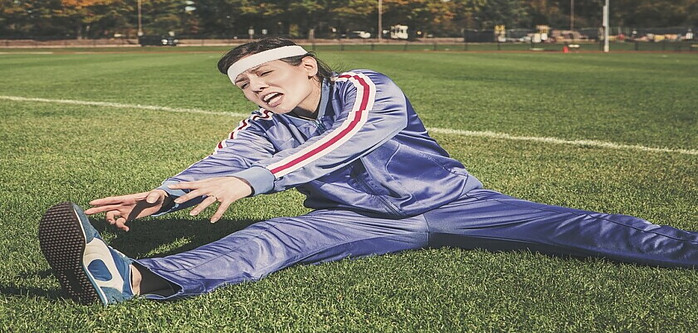
Seven Common Exercise-Related Injuries And How To Avoid Them

https://weightliftingforpower.com/seven-common-exercise-related-injuries-and-how-to-avoid-them/exercise-for-strength/admin/

Seven  Common Exercise-Related Injuries And How To Avoid Them

Exercise-related injuries are common among athletes and fitness enthusiasts, with various factors contributing to their prevalence. From overuse and improper technique to sudden trauma and severe fractures. The rising popularity of high-intensity training programs and extreme sports has also increased the risk of sustaining exercise-related injuries.

Strains and sprains are common injuries, but differentiating between the two is essential for proper management. Strains occur when muscles or tendons Have you ever experience sudden pain or discomfort because of a sudden movement? That could be a sign of overstretching or tearing of your muscles. It’s not a pleasant experience, but with the proper care, you can return to feeling your best in no time! Overexertion during physical activities. On the other hand, sprains involve stretching or tearing ligaments, typically due to twisting or bending awkwardly.

Common causes of strains include:

  • Inadequate warm-up before exercise.
  • Improper lifting techniques.
  • Doing Repetitive movements that strain the muscles.

On the other hand, sprains often occur during sports activities where sudden changes in direction can lead to ligament damage. Slips and falls can also result in sprained ligaments, particularly in the ankles and wrists.

Stress fractures are a common injury, often caused by repetitive stress on the bones. Identifying the signs of a stress fracture is crucial for early intervention and preventing further damage. Look out for localized pain that worsens with activity, tenderness to touch, and swelling around the affected area. Understanding your risk factors is vital in preventing stress fractures. Factors such as overtraining, improper footwear, and nutritional deficiencies can increase vulnerability. Athletes should be particularly vigilant, as their high-impact activities put them at greater risk.

Tendinitis can be a painful and frustrating condition that many people experience. It’s essential to prevent it and seek treatment if it does occur. Repeating specific muscles and tendons without adequate rest and recovery time can lead to microscopic tears and inflammation in the tendon. This overuse strains the affected area excessively, causing pain, swelling, and restricted movement. Furthermore, poor form or technique during physical activities can exacerbate the problem by placing additional stress on the tendons.

Rotator cuff injuries are common among weightlifters and baseball players, who rely heavily on shoulder strength and mobility. Despite the varying demands of their respective activities, both groups frequently experience overuse injuries to the rotator cuff muscles due to repetitive and forceful movements. For weightlifters, the rotator cuff can become strained from the constant overhead pressing and pulling movements involved in exercises like shoulder presses and pull-ups. Meanwhile, baseball players are at risk due to the intense throwing motions required for pitching or fielding.

Professional athletes and individuals who are passionate about fitness often push themselves to the limit, believing that more effort equates to better results. Improper technique can lead to various issues, such as muscle imbalances, joint strain, and even severe injuries. Conversely, overtime can result in fatigue, decreased performance, and an increased risk of overuse injuries.

Injuries are a widespread occurrence, with statistics showing that over 39 million people seek medical attention for accidental injuries globally each year.

Studies have found that sports-related injuries affect millions of individuals annually, with soccer players being particularly prone to knee injuries due to sudden directional changes and physical contact during games. Consider Ryan, whose promising soccer career came to a halt when he tore his ACL during an important match. These examples highlight the universal nature of injuries and emphasize their impact on individuals from all walks of life.

Proactive Measures to Keep Your Workouts Injury-Free

Achieving fitness goals can often feel overwhelming, especially with the abundance of conflicting information available. Professional guidance in exercise routines helps individuals achieve their fitness goals more effectively and ensures safety and injury prevention.

Cross-training involves varying your workout routine to include various exercises and activities. Through exercise, such as swimming, cycling, and strength training, individuals can improve their overall fitness while allowing their bodies to adapt to new movements constantly.

Furthermore, cross-training challenges the body and helps individuals develop balance, flexibility, and coordination in daily activities. By embracing variety in their workouts and avoiding repetitive strain on specific muscles or joints, individuals can genuinely experience reduced injury risk while enjoying a more engaging approach to fitness.

Appropriate gear and equipment are crucial in ensuring safety across various activities. From wearing a helmet during cycling to using safety harnesses in construction work, the right gear can significantly reduce the risk of injury. Quality backpacks, sturdy footwear, and weather-appropriate clothing can enhance comfort and prevent accidents. Moreover, for sports enthusiasts, using proper protective gear like mouth guards, knee pads, and gloves can mitigate the impact of falls or collisions.

Listening to your body is not just a wellness fad; it’s a crucial component of self-care. When we pay attention to the signals of exhaustion and pain that our body sends us, we can prevent serious health issues from arising. Taking the time to tune in can reveal patterns and triggers that might contribute to ongoing discomfort or fatigue.

Ignoring these signals could lead to prolonged suffering and potentially worsen our physical health. By acknowledging these cues, we empower ourselves with the knowledge needed to address underlying issues and make necessary lifestyle adjustments. This proactive approach lets us take charge of our well-being and maintain a healthier, more balanced life.

Rest days are in the pursuit of fitness and muscle gain. It’s crucial to understand that muscles need time to rebuild and strengthen after being subjected to intense workouts. Embracing rest days gives the body a chance to heal and allows for mental rejuvenation, preventing burnout and fatigue.

When the body is with a balanced diet, it can better withstand the physical demands of training and recover effectively.

Even dizziness increases the likelihood of injury sustained during workouts. By ensuring adequate fluid intake before, during, and after exercise, athletes can support their bodies in recovery.

It’s not just about hitting the gym and lifting weights; it’s also about incorporating relaxation techniques to improve overall health. In addition, paying attention to proper nutrition and hydration is crucial for supporting the body during exercise and aiding in recovery. Understanding one’s limits and listening to the body’s signals are equally vital in preventing injuries.

https://www.wealthyaffiliate.com?a_aid=352a86b2