
Best Arm Exercises Without Weights

https://weightliftingforpower.com/Best-Arm-Exercises-Without-Weights/exercise-for-strength/admin/

Maximizing Muscle Toning: Arm Exercises Without the Weights
Best Arm Exercises Without Weights

Weightless arm exercises offer numerous benefits for individuals of all fitness levels. Here are some key advantages:

1. Weightless arm exercises can improve muscle tone and definition in the arms, shoulders, and upper back. Regularly engaging in these exercises can achieve leaner and more sculpted arms.

2. Increased Strength: While weightless arm exercises may not provide the same resistance level as traditional weightlifting, they can still help increase your overall strength. You can gradually build strength over time by performing movements that challenge your muscles.

3. Many weightless arm exercises strengthen upper back and shoulder muscles that support good posture. Adding these specific exercises to your daily routine can enhance your posture and lower the likelihood of experiencing back and neck pain.

4. Enhanced Flexibility: Weightless arm exercises often involve stretching and extending the muscles in your arms and shoulders. Regularly performing these movements can improve your flexibility and range of motion, making everyday tasks easier and reducing the risk of injury.

5. Convenience: One of the most significant advantages of weightless arm exercises is their convenience. You can perform these exercises at home, in the office, or even while traveling. They require little to no equipment, making them accessible to everyone.

6. Weight-free workouts provide a range of motions and alternatives, enabling you to focus on diverse muscle groups and avoid repetitiveness in your exercise regimen. There are endless options, from push-ups and tricep dips to arm circles and plank variations.

1. Bodyweight Exercises:

One of the most practical ways to work out your arms without equipment is using bodyweight exercises. Push-ups, for example, target your triceps, chest, and shoulders while engaging your biceps as stabilizers. By adjusting your hand placement, you can emphasize different muscle groups. Exercises like dips and diamond push-ups can specifically target your triceps, helping you achieve well-rounded arm development.

Another effective bodyweight exercise for the arms is the plank. While primarily known for its core-strengthening benefits, the plank engages your arms, particularly the triceps and shoulders.

2. Resistance Bands:

Resistance bands are a practical and affordable option to add resistance to your arm workouts without investing in weights. These elastic bands have various strengths, allowing you to adjust the resistance level according to your fitness level and goals. Resistance bands are versatile workout tools for multiple exercises, including bicep curls, tricep extensions, and lateral raises.

3. Everyday Objects:

Believe it or not, everyday objects around your house can be adequate substitutes for traditional workout equipment. For instance, a sturdy chair can be used for tricep dips, while a filled water bottle can act as a makeshift dumbbell for bicep curls. Get creative and look for objects with some weight that can be safely lifted or used for resistance. You can incorporate arm exercises into your daily routine without additional cost or equipment.

1. Importance of Warm-up:

It’s crucial to warm up your muscles before starting any exercise routine. A brief warm-up session helps increase blood flow, loosens the joints, and prepares the body for physical activity. A simple warm-up can include arm circles, wrist rotations, and shoulder rolls for arm exercises. Spend a few minutes performing these movements to reduce the risk of strains or sprains.

2. Proper Form:

Maintaining proper form during arm exercises is crucial to avoid injuries and ensure optimal muscle engagement. When performing push-ups, keep your body straight and engage your core. It’s essential to keep your back close to the edge and gradually lower your body until your elbows reach a 90-degree angle. Proper form is critical to effectively targeting your tricep muscles and avoiding undue stress on other body parts.

3. Gradual Progression:

To see improvements in arm strength and tone, gradually increase the intensity of your workouts. Start with exercises that challenge your current fitness level without causing excessive strain. As you become more comfortable and muscular, you can add variations or increase the number of repetitions. There are various ways to modify push-ups to cater to different fitness levels or to focus on particular muscle groups. Performing them on an incline or decline, while tricep dips can be intensified by straightening your legs or adding weights.

4. Listen to Your Body:

While pushing yourself during workouts is essential, listening to your body’s signals is equally important. If you encounter any pain or discomfort while engaging in physical activity, you must cease immediately and evaluate the situation. Pain is often an indication of improper form or overexertion. Give your body time to recover and consult a fitness professional if necessary.

Top Weightless Workouts: Strengthening Your Arms at Home

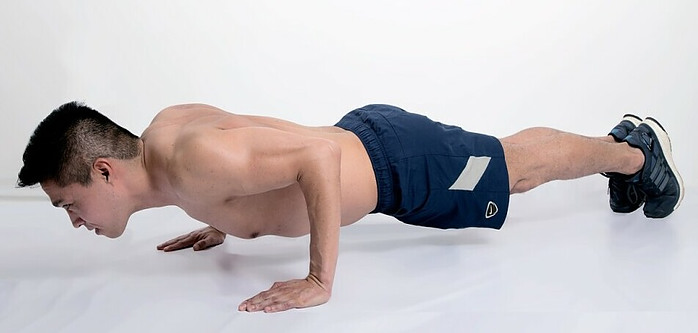
To perform a push-up correctly, start by positioning yourself face down on the floor with your hands slightly wider than shoulder-width apart. Your toes should touch the ground, and your body should form a straight line from head to heels.

Begin by assuming a plank position with your hands spaced slightly further apart than your shoulders. Gradually lower your body by flexing your elbows until your chest is about to touch the ground. Keep your elbows close to your body instead of spreading them to the sides. Pause briefly, then use your hands to push up and extend your arms to return to the starting position. Remember to inhale and exhale steadily as you complete the exercise.

Variations for Arm Strength

1. Wide Grip Push-Ups: This variation targets the chest muscles more intensely. Place your hands wider than shoulder-width apart, maintaining the same form and technique as the traditional push-up.

2. Close Grip Push-Ups: You shift the focus to the triceps by bringing your hands closer together. Position your hands directly under your shoulders or even slightly narrower. Keep your elbows close to your body as you perform the push-up.

3. Diamond Push-Ups: Try this variation to target the triceps more in your workout. Commence the action by bringing your hands near each other, forming a geometric shape resembling a diamond, using your thumbs and index fingers. Keep your elbows close as you lower your chest towards your hands. This exercise can help you build stronger triceps.

4. Decline Push-Ups: Elevating your feet on a stable surface, such as a bench or step, increases the difficulty and targets the shoulders and upper chest. Maintain the same form as the traditional push-up but with your feet elevated.

5. One-Arm Push-Ups: This advanced variation requires significant arm strength and stability. Assume a classic push-up stance, then transfer your body weight to one arm while keeping the other arm near your body. Proceed by lowering your chest towards the ground, then push yourself back up.

https://www.wealthyaffiliate.com?a_aid=352a86b2

Don’t let another day go by feeling overwhelmed and confused about building an online business. Enroll now in Wealthy Affiliate’s program and benefit from their extensive guidance to help you create a successful online business and make your aspirations a reality. Seize this opportunity before it slips away, and start your journey to financial freedom and independence.
HAND STRENGTH GRIPPERS Dynamic

https://weightliftingforpower.com/hand-strength-grippers/exercise-for-strength/admin/


HAND STRENGTH GRIPPERS  Dynamic

Exploring the Benefits of Hand Strength Grippers

The Role of Hand Strength:

Hand strength refers to the ability of the muscles in our hands and fingers to generate force. Strong hands give us the power and skill to perform various activities. Whether gripping objects firmly or manipulating delicate items, hand strength is vital for maintaining independence and quality of life.

Daily Activities:

Hand strength is essential in activities that involve fine motor skills. For instance, strong hands allow accurate and efficient finger movements when typing on a keyboard or smartphone. Similarly, in tasks like cooking or gardening, having a firm grip helps prevent accidents and enhances control over utensils or tools.

Hand strength is not just beneficial. It’s crucial, especially for athletes and sports enthusiasts. Strong hands are the key to gripping equipment, throwing accurately, and controlling physical exertion in sports like tennis, basketball, and weightlifting. Even in non-athletic pursuits like playing a musical instrument, hand strength is a game-changer, contributing to superior performance and less fatigue.

Maintaining Hand Strength:

Maintaining or improving hand strength is within everyone’s reach, with regular exercises targeting the hand and finger muscles. Simple and accessible activities like squeezing a stress ball, using hand grippers, or performing finger stretches can strengthen these muscles. Fun activities promoting hand-eye coordination, such as catching or juggling, can also boost hand strength.

1. Adjustable Hand Grippers:

These grippers typically feature adjustable tension springs or removable plates, enabling users to increase or decrease the resistance as needed.

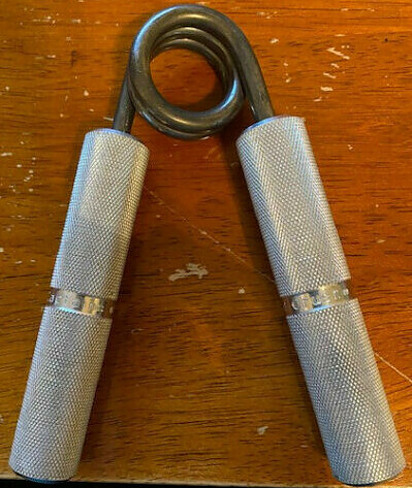
One famous adjustable hand gripper is the Captains of Crush Grippers, known for its high-quality construction and wide range of resistance levels. They offer a precise and reliable way to measure grip strength progress, making them a favorite among athletes and fitness enthusiasts.

2. Finger Exercisers:

Finger exercises focus on strengthening individual fingers, making them ideal for musicians, climbers, and anyone requiring finger dexterity. These grippers typically consist of multiple independent springs or buttons. Users can target weaknesses or imbalances in hand strength by isolating each finger.

The Gripmaster Hand Exerciser is a famous finger exerciser that provides adjustable resistance for each finger. It allows users to work on finger extension and flexion, promoting better control and coordination.

3. Heavy Grippers:

These grippers feature thick handles and heavy-duty springs, providing a formidable workout for even the strongest hands.

IronMind’s Zenith Grippers are renowned for their heavy-duty construction and high resistance levels. With a range of strengths available, they cater to different levels of hand strength and offer a reliable tool for building exceptional grip power.

Hand Grippers for Injury Prevention:

Hand grippers, when used regularly, serve as a powerful tool for injury prevention. They work by fortifying the muscles and tendons in your hands and forearms, providing better support and stability to your joints. Grip strength plays a pivotal role in repetitive hand movements or gripping activities. Integrating hand grippers into your training routine can enhance your grip strength and lower the chances of developing overuse injuries.

Hand Grippers for Rehabilitation:

Hand grippers are not just for prevention but also popular in rehabilitation programs for hand and forearm injuries. Injuries such as sprains, strains, or tendonitis can significantly hinder an individual’s ability to carry out daily activities. Starting with a lighter resistance and gradually increasing it over time allows individuals to regain their hand function and resume their regular activities faster.

Using Hand Grippers Safely:

While hand grippers can be beneficial, using them safely to avoid further injury is essential. It starts with a gripper that provides a comfortable resistance level and gradually progresses to higher levels as strength improves.

Regular and dedicated practice can yield significant improvements in grip strength.

Enhanced Performance in Sports and Everyday Life

Improved grip strength has numerous practical applications. Athletes in sports such as tennis, golf, and martial arts can benefit from increased grip strength, allowing for better control over equipment and improved performance.

Best Practices for Using Hand Strength Grippers Effectively

Determining Your Current Grip Strength Level:

Before starting any grip strength training program, you must assess your current grip strength level. One standard method is using a hand dynamometer, a device that measures the force exerted by your hand muscles. Grip strength can be in pounds or kilograms, depending on the dynamometer’s settings. Alternatively, you can consult a fitness professional to assess your grip strength through various exercises and provide a more comprehensive evaluation.

Matching Your Grip Strength to Your Goals:

Experience the satisfaction of aligning your current grip strength level with your specific goals. Different activities require varying levels of grip strength, and understanding this correlation is vital. For instance, if you are a weightlifter aiming to improve your deadlift, you will need a higher grip strength than someone who wants to enhance their ability to open jars or carry groceries.

Progressive Overload for Optimal Results:

Get excited about increasing your grip strength effectively by following the principle of progressive overload. This means gradually increasing the resistance or intensity of your training over time. Start with exercises that match your current grip strength level and add progressively more challenging variations as you progress. This approach allows your hand muscles to adapt and grow stronger without risking injury. Incorporating exercises such as wrist curls, farmer’s walks, and finger extensions can help you achieve progressive overload and maximize your grip strength gains.

Choosing the Right-Hand Gripper:

Before diving into your hand gripper routine, choosing the right gripper for your needs is essential. Hand grippers come in various resistance levels, ranging from beginner to advanced. Start with a gripper that offers moderate resistance, and gradually work your way up as your hand strength improves.

Warming Up:

As with any fitness regimen, warming up before utilizing hand grippers is paramount. Before commencing your exercise regime, engage in a brief aerobic activity such as walking for a few minutes.

Begin with a comfortable number of repetitions, such as 10-15, and gradually increase over time. Ensure proper form by keeping your wrist straight and squeezing the gripper thoroughly with each repetition.

Advanced Hand Gripper Exercises:

Once you’ve mastered the essential exercise, you can progress to more advanced hand gripper exercises. One such exercise is the static hold, where you squeeze the gripper and hold it fully closed for a set amount of time. Start with a 10-second hold and gradually increase the duration as your grip strength improves. Another advanced exercise is the finger extension, where you use your fingers to open the gripper against resistance. Perform 2-3 sets of each advanced exercise, resting for 30-60 seconds between sets.

Don’t let another day go by feeling overwhelmed and confused about building an online business. Enroll now in Wealthy Affiliate’s program and benefit from their extensive guidance to help you create a successful online business and make your aspirations a reality. Seize this opportunity before it slips away, and start your journey to financial freedom and independence.
https://www.wealthyaffiliate.com?a_aid=352a86b2

Which is better for weight loss elliptical or treadmill for Walking

https://weightliftingforpower.com/Which-is-better-for-weight-loss-elliptical-or-treadmill/exercise-for-strength/admin/

Which is better for weight loss elliptical or treadmill for Walking

Understanding the Dynamics of Elliptical and Treadmill for Weight Loss

The Treadmill:

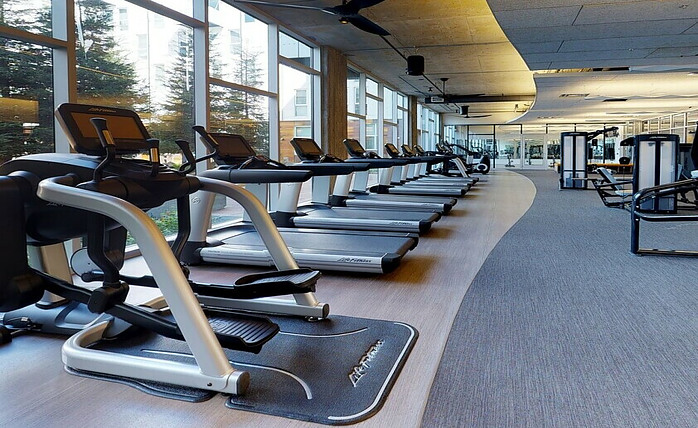
The treadmill is a highly adaptable exercise machine that permits individuals to walk, jog, or run at their desired speed. It offers an exceptional cardiovascular workout and assists in burning calories effectively.

Its adjustable incline and speed sets the treadmill apart, offering a workout experience that meets your needs. By ramping up the incline, you can mimic uphill running or walking, a surefire way to burn extra calories. Plus, interval training on a treadmill, with its cycle of high-intensity bursts and recovery periods, can supercharge your weight loss journey.

The Stationary Bike:

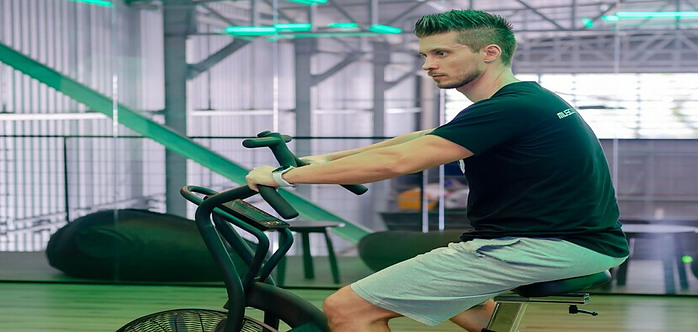
The use of a stationary bicycle has become increasingly popular for weight loss. Stationary bikes primarily target lower body muscles like the quadriceps, hamstrings, and glutes.

Similar to the treadmill, the stationary bike allows users to adjust the resistance level, enabling them to increase the intensity of their workout. Individuals can challenge themselves and burn more calories by pedaling faster or increasing their resistance. Moreover, using a stationary bike regularly can improve cardiovascular endurance and strengthen leg muscles, leading to enhanced weight loss results.

Caloric Burn Comparison

The number of calories burned during a workout is affected by various factors, such as body weight, exercise intensity, and duration. Nevertheless, research has indicated that the elliptical machine and the treadmill can produce comparable results concerning the number of calories burned.

Both machines offer a comprehensive full-body workout that simultaneously engages multiple muscle groups, leading to increased muscle activation and higher caloric expenditure than exercises that only target specific muscles. However, the elliptical machine has an advantage regarding lower body engagement. It replicates the natural walking or running motion, but with less impact on the joints.

On the other hand, the treadmill offers a more intense workout due to its higher impact nature. Running or jogging on a treadmill requires more effort from the muscles, leading to a greater calorie expenditure in a shorter period.

Metabolism’s Influence on Cardiovascular Health

The rate at which our body metabolizes food can affect cardiovascular health. When metabolism is efficient, it helps maintain a healthy weight, which is crucial for cardiovascular well-being. Excess weight can strain the heart, leading to conditions like high blood pressure and heart disease. Additionally, a healthy metabolism helps regulate cholesterol levels. High LDL (harmful) cholesterol levels can clog arteries and increase the risk of heart problems. Therefore, a well-functioning metabolism plays a vital role in preventing cardiovascular issues.

Cardiovascular Health’s Impact on Metabolism

Conversely, cardiovascular health also influences metabolism. Regular exercise, essential to maintaining cardiovascular health, can boost metabolism. Physical activity increases muscle mass, which requires more energy to function, leading to a higher metabolic rate. Moreover, exercise improves insulin sensitivity, allowing cells to better utilize glucose for energy production.

Choosing the Right Equipment for Your Weight Loss Journey

Ensuring regular physical exercise is a vital part of leading a healthy lifestyle. It assists in improving physical fitness and has various mental and emotional advantages. However, several individuals require support to adhere to a consistent exercise routine, which can become tedious and uninteresting—finding multiple forms of exercise and activities one enjoys can significantly impact motivation and overall fitness progress.

One of the critical differences between ellipticals and treadmills is the impact they have on our joints. Treadmills, being a weight-bearing exercise, can put more stress on the joints, particularly the knees and ankles. Repetitive treadmill use can cause joint discomfort or injury, particularly for individuals with pre-existing joint issues.

On the other hand, ellipticals offer a low-impact workout. These machines have pedals that glide in an elliptical motion, reducing the impact on joints. By mimicking a natural walking or running motion, ellipticals provide a smoother, gentler experience on the joints.

In the quest for weight loss, many individuals turn to exercise machines as a means to achieve their goals. Two popular options are the treadmill and the elliptical machine. While both machines offer cardiovascular benefits and can aid in weight loss, incorporating both into a well-rounded fitness regimen can provide even more excellent results. Experts recommend combining the use of these machines to maximize calorie burn, improve overall fitness, and prevent workout plateaus.

Which is better for weight loss elliptical or treadmill for WalkingDon’t let another day go by feeling overwhelmed and confused about building an online business. Enroll now in Wealthy Affiliate’s program and benefit from their extensive guidance to help you create a successful online business and make your aspirations a reality. Seize this opportunity before it slips away, and start your journey to financial freedom and independence.
 

https://www.wealthyaffiliate.com?a_aid=352a86b2

Advanced dumbbell weight training program

https://weightliftingforpower.com/advanced-dumbbell-weight-training-program/exercise-for-strength/admin/

Dumbbell weight training

Laying the Foundation: Understanding Dumbbell Training

Strength training is a popular exercise to increase muscle strength and size. Whether you are a beginner or an experienced lifter, progressive overload is one fundamental principle in your training routine. This principle is crucial for achieving optimal results and avoiding plateaus in strength gains.

Why is Progressive Overload Important?

“Progressive overload is a vital factor in promoting muscle growth. Gradually increasing weight, reps, or sets over time challenges muscles and promotes growth.stronger.” strength gains. When you consistently challenge your muscles with increasing resistance or intensity, they adapt by becoming more robust and efficient. Without progressive overload, your muscles would not have a reason to grow or improve. However, it’s important to note that improper application of progressive overload, such as increasing the weight too quickly, can lead to injuries. Therefore, it’s crucial to understand and apply this principle correctly.

You can manipulate various training variables such as weight, repetitions, sets, and rest periods to achieve progressive overload. For example, if you can efficiently perform ten repetitions of an exercise, it may be time to increase the weight or resistance. By gradually increasing the demands on your muscles, you force them to adapt and become stronger over time.

One of the main advantages of dumbbell training is its versatility. With dumbbells, you can perform compound exercises like squats, lunges, and deadlifts and isolation exercises like bicep curls and tricep extensions.  also offer a more excellent range of motion than other resistance training methods, enabling you to engage your muscles more effectively.

The beauty of dumbbell training lies in its accessibility and versatility. Dumbbells are affordable and easy to store at home, making them a convenient choice for those working out in their own space. Moreover, the adaptability of dumbbell exercises to different fitness levels makes them a versatile tool. Beginners can build foundational strength with dumbbell squats or lunges, while seasoned lifters can benefit from isolation exercises such as bicep curls and extensions.

Comparison to Other Resistance Training Methods

When comparing dumbbell training to other methods, it is essential to consider specific goals and preferences.

Barbell training, for example, allows for heavier loads and is often favored by powerlifters and those looking to increase maximum strength. However, barbell exercises typically require a spotter for safety, and the movements can be more complex and demanding on the body.

On the other hand, resistance machines provide stability and support during exercises, making them suitable for beginners or individuals recovering from injuries. However, they often restrict natural movement patterns and may not engage stabilizing muscles as effectively as free weights like dumbbells.

Enhanced Muscle Symmetry:

One of the critical benefits of dumbbell training is its ability to promote muscle symmetry. Unlike machines that often isolate specific muscle groups, dumbbells require both sides of the body to work independently.

Improved Stabilization:

Dumbbell exercises also excel at engaging stabilizer muscles. Stabilizers are the smaller muscles surrounding larger muscle groups that help maintain balance and control during movement. Since dumbbells are not fixed like machines or barbells, they require greater control and coordination to perform exercises correctly. This forces the stabilizer muscles to work harder, improving stability and balance. Exercises like dumbbell rows, lateral raises, or single-leg deadlifts are excellent for targeting these stabilizer muscles and enhancing overall stability.

Increased Range of Motion:

Another advantage of dumbbell training is its increased range of motion compared to other forms of resistance training. Machines often restrict movement to a fixed path, limiting the engagement of supporting muscles. Dumbbells allow for a broader range of exercises, engaging multiple muscle groups.

Tailoring Your Advanced Dumbbell Routine

Upper Body

1. Breast: Dumbbell Bench Press

The dumbbell bench press is a timeless exercise that targets the breast muscle mass, including the pectoralis significant and minor. Lie on a bench with a pinhead in each hand, hands facing onward. Lower the pinheads sideways of your upper body, then press them back up to the beginning setting, pressing your breast muscles on top.

2. Shoulders: Dumbbell Shoulder Press

The pinhead shoulder press targets the triangular muscles in your shoulders. Stand or rest with a dumbbell in each hand, hands facing forward. Raise the dumbbells to take on elevation; push them overhead until your arms Lower the pinheads back down to bear degree and repeat.

3. Back: Dumbbell Row

The pinhead row effectively targets the muscles in your top back, including the latissimus dorsi and rhomboids. Location one knee and hand on a bench, with the opposite leg prolonged behind you. Hold a pinhead in your other hand, palm facing internally. Pull the dumbbell toward your chest, squeezing your back muscles on top; then lower it, pull back, and repeat.

1. Legs: Dumbbell Squat

The  squat is a compound workout that targets numerous leg muscles, including the quadriceps, hamstrings, and glutes—looking to get fit and strong? Stand with feet shoulder-width apart for a simple exercise and hold a dumbbell in each hand. It’s a great way to tone your muscles and increase your strength. Bend your knees and reduce your hips down as if relaxing right into a chair, maintaining your chest up and core engaged. Press with your heels to return to the beginning setting and repeat.

2. Calves: Dumbbell Calf Raise

The  calf raise targets the calf bone muscles in your lower legs. Stand with a dumbbell in each hand, arms at hands. Rise onto your toes, raising your heels as high as possible. Pause at the top, then reduce your heels, pull back, and repeat.

Planning Your Training Days:

The first step in creating a balanced weekly training schedule is determining the number of training days that work best for you. Consider your fitness level, time availability, and overall goals. It’s essential to balance challenging yourself and allowing enough time for rest and recovery.

Diversify Your Workouts:

It’s essential to incorporate different types of workouts into your weekly schedule. By diversifying your workouts, you engage different muscle groups and prevent overuse injuries.

Consider Intensity and Duration:

When planning your training schedule, it’s essential to consider the intensity and duration of each workout, with lower-intensity sessions, to avoid burnout and reduce the risk of injury. Additionally, varying the duration of your workouts can help prevent plateaus and keep your routine interesting.

Allow for Rest and Recovery:

It would help if you took rest days as seriously as training days, as they are crucial in helping your body recover and adapt to the physical or physical stress of exercise. By including rest days in your weekly workout routine, you can prevent the risk of overtraining, minimize the chances of injury, and enhance your overall performance. You can utilize these rest days to relax, engage in light activities, or focus on mobility exercises.

https://youtu.be/SzcSrpVr0GA?si=sI3fkgf9taz1jyqX

Don’t let another day go by feeling overwhelmed and confused about building an online business. Enroll now in Wealthy Affiliate’s program and benefit from their extensive guidance to help you create a successful online business and make your aspirations a reality. Seize this opportunity before it slips away, and start your journey to financial freedom and independence.
https://www.wealthyaffiliate.com?a_aid=352a86b2

Beginner dumbbell weight training program Now For Success

https://weightliftingforpower.com/Beginner-dumbbell-weight-training-program/exercise-for-strength/admin/


Beginner dumbbell weight training program Now For Success

Embarking on Your Dumbbell Journey: First Steps for Beginners

Weight training with dumbbells offers two main advantages: increasing strength and stimulating muscle growth. Dumbbells enable various exercises that target specific muscle groups, such as biceps—triceps, chest, shoulders, back, and legs. You can effectively engage these muscles and stimulate growth by performing dumbbell curls, shoulder presses, chest presses, and lunges. As you gradually increase the weight and intensity of your dumbbell workouts, your muscles adapt by becoming more substantial and more defined.

Assessing your fitness level is vital before you start selecting dumbbell weights. If you are a beginner or have been away from strength training for a while, “It is recommended to start with lighter.”weights. It will allow your muscles to adapt and prevent excessive strain or injury. On the other hand, if you have been consistently strength training and feel comfortable with heavier weights, you can opt for more challenging dumbbells.

Consider Your Goals:

Your fitness goals also play a significant role in determining the appropriate dumbbell weight. Choosing heavier weights that challenge your muscles to build muscle mass and increase strength. Conversely, lighter weights with higher repetitions may be more suitable if you focus on toning and endurance.

Proper form refers to executing an exercise with the correct alignment, posture, and movement patterns. Proper form optimizes muscle recruitment. You can effectively target specific muscle groups by performing exercises correctly, leading to better results. Moreover, the appropriate form helps to distribute the workload evenly, preventing overuse injuries and imbalances.

The Role of Techniques in Injury Prevention

The technique involves speed, range of motion, and breathing patterns. Employing the proper technique is crucial for injury prevention. Exercising incorrectly or Using poor technique while doing physical activities can put undue pressure on the joints, ligaments, and tendons, leading to injuries and pain and increasing the risk of strains, sprains, and other injuries. By demonstrating and practicing proper technique, individuals can minimize the likelihood of such injuries and ensure a safe training experience.

The Importance of a Supportive Environment

“Maintaining consistency requires a supportive environment.” staying motivated in your workout routines. Here are a few key factors to consider:

1. Designate a Dedicated Space: Set aside a specific area in your home or join a gym that provides the necessary equipment and atmosphere for your workouts. Having a designated space will help you mentally prepare and create a sense of focus.

2. Eliminate Distractions: Minimize distractions such as noise, clutter, or interruptions during your workout. During each exercise session, you can focus entirely and get the most out of it.

3. Find an Exercise Buddy: Working out with friends or joining a fitness class can provide accountability and support.

4. Seek Professional Guidance: Consider hiring a personal trainer or seeking advice from fitness experts. They can provide guidance, tailor workouts to your specific needs, and keep you on track toward achieving your goals.

Cultivating a Positive Mindset

In addition to creating a supportive environment, cultivating a positive mindset is equally important. Here are some strategies to help you develop the right mindset for your workout routines:

1. Establish short-term and long-term fitness goals that are realistic and achievable. It will help you maintain motivation and a sense of direction throughout your journey.

2. celebrate small victories and acknowledge progress instead of fixating on perfection. Remember, every step forward is progress.

Crafting Your Personal Dumbbell Training Program

Milestones are crucial in measuring progress and keeping individuals on track toward their ultimate goal. These checkpoints, or minor achievements, boost morale and motivation by providing a sense of accomplishment. Moreover, milestones offer a platform for individuals to evaluate their strategies and make necessary adjustments if required. Regular reviews at each milestone enable individuals to identify areas for improvement and celebrate successes.

Sets:

Sets refer to the number of times you perform a specific exercise in a workout. The number of sets you should incorporate into your routine depends on your fitness level and goals. Starting with one to two sets per exercise is sufficient for beginners to build a foundation. Increasing the number of sets to three or more can enhance muscle growth and strength gains as you progress. However, it is essential to balance volume and recovery to avoid overtraining.

Reps:

Reps, short for repetitions, indicate the number of times you perform an exercise within a set. The ideal rep range varies depending on your objectives. “To build strength.” it is recommended to use heavier weights with lower reps, typically around 1-6. A moderate rep range (around 8-12) is more suitable if your goal is muscle hypertrophy. Endurance training typically involves higher reps (around 15-20) with lighter weights.

Rest Periods:

Rest periods between sets are often overlooked but are crucial for optimizing performance and recovery. The duration of rest periods depends on the intensity and purpose of your workout. It allows for complete recovery between sets, which is essential for lifting heavy weights with proper form. These shorter rest periods create metabolic stress and help promote muscle growth.

Our body comprises several major muscle groups: chest, back, shoulders, arms, abdominals, glutes, and legs. These muscle groups are vital to our daily activities and overall strength. Paying attention to these muscle groups is crucial as it can lead to imbalances, affecting posture, movement patterns, and overall performance.

Creating a well-rounded exercise plan is not just essential. It’s transformative. By including exercises targeting each major muscle group, you’re working out and sculpting your body and incorporating various exercises such as compound movements, isolation exercises, and functional training. Compound movements like squats, deadlifts, and bench presses engage multiple muscle groups simultaneously and are great for building overall strength.

Progressive overload is a fundamental concept in exercise science that continually allows individuals to gain strength, endurance, and overall fitness. By gradually increasing the demands you place on your body, you will force it to adapt and become more efficient. This adaptation improves muscular strength, cardiovascular fitness, and bone density.

Don’t let another day go by feeling overwhelmed and confused about building an online business. Enroll now in Wealthy Affiliate’s program and benefit from their extensive guidance to help you create a successful online business and make your aspirations a reality. Seize this opportunity before it slips away, and start your journey to financial freedom and independence.
https://www.wealthyaffiliate.com?a_aid=352a86b2

Best Exercise Training Programs

Dumbbell weight training for women Bonanza Celebration

https://weightliftingforpower.com/Dumbbell-weight-training-for-women/exercise-for-strength/admin/


Dumbbell weight training for women

Empowering Women with Dumbbell Training: Unlocking Strength and Confidence

Dumbbell training offers numerous advantages for women seeking to enhance their physical fitness. Unlike machines or barbells, dumbbells allow for a more excellent range of motion, engaging stabilizer muscles and promoting better overall muscle development. This targeted approach enables women to sculpt their bodies according to their specific goals, whether building lean muscle or toning particular areas.

Additionally, dumbbell training promotes functional strength, which translates into improved daily activities and reduced risk of injury. Maintaining muscle mass becomes crucial for maintaining mobility and independence as women age. Regular dumbbell training helps counteract the natural muscle loss with age, ensuring women stay strong and active throughout their lives.

Unlocking Confidence

Beyond the physical benefits, dumbbell training profoundly impacts women’s confidence levels. As their strength and endurance increase, they feel empowered beyond the gym.

Resistance training is a way to build muscle mass, but it offers many benefits beyond aesthetics. When you engage in resistance training, your bones experience stress that signals the body to strengthen them, leading to increased bone density and reduced risk of fractures.

Dumbbells: A Versatile Tool for Resistance Training

Dumbbells are a popular choice for resistance training due to their versatility and accessibility. They come in various weights, allowing individuals to start at a comfortable level and gradually increase the load as their strength improves.

Dumbbell exercises offer many physical benefits that can positively impact body image. By engaging in regular strength training with dumbbells, individuals can increase muscle mass, improve bone density, and enhance overall physical strength. These improvements can lead to a more toned and sculpted physique, boosting self-confidence and body appreciation. Additionally, dumbbell exercises can help improve posture, which is crucial in how individuals perceive themselves and others.

The Psychological Benefits of Dumbbell Exercises

Beyond the physical benefits, dumbbell exercises also have significant psychological advantages, contributing to body positivity and self-image; regular exercise releases endorphins, known as “feel-good” hormones. These endorphins can improve mood, reduce stress, and increase overall happiness. By incorporating dumbbell exercises into their routine, individuals can experience these positive effects, leading to a more positive self-perception and improved body image.

The Science Behind Stress Relief

When we engage in weight training, our bodies release endorphins, natural mood boosters. This immediate release of endorphins during weight training is a powerful stress reliever, offering a beacon of hope for women battling daily pressures.

Weight training also helps regulate cortisol levels, the hormone responsible for stress. By incorporating weight training into their routine, women can effectively manage stress and experience a profound sense of calmness, providing them with much-needed reassurance.

Building Confidence and Empowerment

Weight training benefits women’s physical health and plays a significant role in boosting self-confidence and empowerment. As women progress in their weight training journey, they witness their strength and physical appearance improvements. This progress fosters a sense of accomplishment and self-worth, leading to increased confidence levels.

Enhancing Sleep Quality

Stress often disrupts sleep patterns, leading to insomnia or poor sleep quality. Weight training can help alleviate this issue by promoting better sleep. Regular weight training sessions help tire the body, making it easier to fall asleep and improving sleep quality. Adequate rest is crucial for mental health, allowing the brain to recharge and rejuvenate.

Your Ultimate Guide to Dumbbell Workouts for Women

1. Start Light: As a beginner, it is crucial to start with lighter weights to allow your muscles to adapt and avoid straining them. Begin with comfortable and manageable dumbbells, focusing on proper form and technique.

2. Consider Your Fitness Level: Your current fitness level determines the appropriate dumbbell weight. If you are new to exercise or inactive, opt for lighter weights. On the other hand, if you have some experience or are relatively fit, you can start with slightly heavier dumbbells.

3. To achieve maximum benefits from your weight training, progressively increasing the weight of your dumbbells over time is crucial. As you get more accustomed to your current weight, gradually add more weight to keep the resistance level challenging for your muscles. The recommended target is to choose a weight that enables you to complete two to three sets of 8 to 12 repetitions without experiencing excessive fatigue or compromising your form.

4. Listen to Your Body: How your body feels during and after each workout. If you experience persistent pain or discomfort, it may indicate that the weight is too heavy. In such cases, reduce the weight or seek guidance from a fitness professional.

Safety Precautions:

Before lifting weights, engaging in dynamic stretching or light cardiovascular exercises is imperative to warm up your muscles and joints adequately. It helps increase blood flow and prepares your body for the upcoming workout.

2. Before adding weight, focus on mastering the correct technique for each exercise.

3. Use a Spotter: If you are attempting heavy lifts or exercises that require assistance, it is advisable to have a spotter present. A spotter can provide support and help prevent accidents or injuries.

Bicep curls are a classic exercise that primarily targets the biceps but also engages the forearms and shoulders. To perform a bicep curl, follow these steps:

1. Start by assuming a standing position with your feet spaced apart at shoulder width. To perform the exercise, grasp a dumbbell in each hand with your palms facing forward.

2. While keeping your elbows close to your sides, gradually raise the dumbbells towards your shoulders, exhaling as you do so.

3. After lifting the dumbbells, hold the position momentarily, contract your biceps, and then gradually lower them back to their original position while inhaling.

Overhead Press

The overhead press targets the shoulders, triceps, and upper back muscles. Here’s how to perform it correctly:

Stand with feet shoulder-width apart. Hold dumbbells in each hand at shoulder height with palms facing forward.

2. Activate your core muscles and push the dumbbells straight up overhead, completely extending your arms.

3. pause briefly at the top before gradually lowering the dumbbells to shoulder height.

LUNGES

1. Begin by standing with your feet at hip-width distance, with a dumbbell in each hand and your arms resting at your sides.

2. Move your right foot forward and descend into a lunge stance. Your front knee should be directly above your ankle, and your back knee should be slightly hovering above the ground.

3. Push your body back up to the starting position using the heel of your front foot.

4. Repeat the process with your left foot.

Don’t let another day go by feeling overwhelmed and confused about building an online business. Enroll now in Wealthy Affiliate’s program and benefit from their extensive guidance to help you create a successful online business and make your aspirations a reality. Seize this opportunity before it slips away, and start your journey to financial freedom and independence.
https://www.wealthyaffiliate.com?a_aid=352a86b2

Shoulder muscle building equipment Ripped Now

https://weightliftingforpower.com/shoulder-muscle-building-equipment/exercise-for-strength/admin/

Shoulder muscle building equipment

Essential Shoulder Muscle-Building Equipment for Effective Workouts

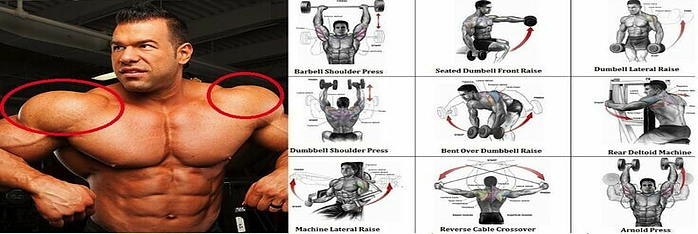
The deltoids, a group of muscles located in the shoulders, are made up of three main components: the anterior (front), medial (middle), and posterior (rear) deltoids. These muscles work together to facilitate various arm movements, such as lifting, pushing, pulling, and rotating. Exercising that targets the shoulder muscles can help individuals improve their upper body strength and overall functionality.

Dumbbells allow for various exercises that effectively target different muscles in the shoulders. One popular exercise is the dumbbell shoulder press. This exercise primarily targets the deltoids, the main muscles responsible for shoulder movement.

Grasp a dumbbell in each hand and elevate your arms to the sides until they parallel the ground. This exercise targets the medial deltoids, which help with shoulder stability and abduction. By using dumbbells, you can quickly increase or decrease the weight to match your fitness level and gradually progress over time.

Dumbbells also help improve shoulder stability and balance. Exercises like the single-arm dumbbell or the Arnold press require stabilizing your shoulder joint while performing the movement. It helps strengthen the smaller stabilizer muscles in the shoulders, promoting better overall shoulder health.

Barbells provide several advantages over other types of weightlifting equipment. Firstly, they allow for the use of heavy weights, which is crucial for progressive overload. The ability to load a barbell with significant resistance means that you can continually challenge your muscles and force them to adapt. “Experience the benefits of increased strength and muscle growth with our proven approach.”

Moreover, barbells offer a balanced and symmetrical load distribution. Unlike dumbbells or machines, where each limb works independently, barbells require both sides of the body to work together.

Resistance bands: Low-impact alternatives for shoulder strengthening

Shoulder strengthening exercises are essential for maintaining a healthy and functional upper body. However, traditional weightlifting exercises can strain the joints and may not be suitable for everyone. For individuals looking to safely and effectively strengthen their shoulders, low-impact tools offer a versatile option that allows for increased strength and flexibility without the risk of injury.

Kettlebells have recently gained popularity as a versatile and effective tool for strength training. They have exercises targeting the lower body to develop solid and well-defined shoulders. Incorporating dynamic movements into your kettlebell routine can effectively stimulate shoulder growth and enhance upper body strength.

Cable machines have become popular in the fitness industry because they provide consistent tension throughout the entire range of motion. Unlike free weights or resistance bands, cable machines use a pulley system that allows for smooth and controlled movements. This consistent tension is crucial for optimal muscle activation and can benefit individuals of all fitness levels.

Innovative Shoulder Training Tools for Next-Level Muscle Gains

Suspension trainers have recently gained popularity as a versatile tool for bodyweight workouts. These portable devices, consisting of adjustable straps and handles, allow users to perform various exercises using their own body weight as resistance. While suspension trainers can be used to target various muscle groups, they are particularly effective for strengthening and toning the shoulders. In this article, we will explore how suspension trainers can enhance shoulder workouts and provide a comprehensive analysis of their benefits.

The Smith machine is a frequently encountered piece of equipment in gyms. It comprises a barbell secured within steel rails, enabling vertical movement while delivering stability and control. One of the key advantages of using a Smith machine is the ability to perform exercises with controlled movement patterns.

Sandbags are flexible and practical workout equipment that can activate various muscle groups, particularly the shoulders while enhancing grip strength and stability.

Medicine balls have been a versatile and weighted tool for strength and conditioning in various fitness routines, such as sports training, rehabilitation, and general fitness. When it comes to conditioning the shoulders, medicine balls offer a distinctive combination of power and resistance to enhance strength, stability, and mobility in this vital joint.

Don’t let another day go by feeling overwhelmed and confused about building an online business. Enroll now in Wealthy Affiliate’s program and benefit from their extensive guidance to help you create a successful online business and make your aspirations a reality. Seize this opportunity before it slips away, and start your journey to financial freedom and independence.
https://www.wealthyaffiliate.com?a_aid=352a86b2

Fastest way to build shoulder muscles

https://weightliftingforpower.com/Fastest-way-to-build-shoulder-muscles/exercise-for-strength/admin/

shoulder workouts

Achieving Powerful Shoulders: Accelerated Muscle-Building Strategies

Understanding the intricate anatomy of the shoulder is crucial for achieving targeted muscle growth. The deltoids, comprising anterior, lateral, and posterior heads, are responsible for multi-directional movement and stability of the shoulder joint. Engaging in exercises isolating these specific areas is vital to target each head effectively. For instance, front raises primarily work the anterior deltoid, while lateral raises hone in on the lateral head. Understanding these distinctions allows for precise targeting and effective muscle activation.

Progressive overload is the cornerstone of muscle hypertrophy, increasing muscle size. It involves continually challenging your muscles with increased resistance over time to stimulate growth. One way to prevent plateaus and keep muscles adapting is to vary exercise intensity, volume, or frequency. Neglecting progressive overload can result in stagnant muscle growth as the body becomes accustomed to a certain stress level and stops responding.

Regarding shoulder workouts, the optimal rep ranges and set structures can vary based on individual goals and fitness levels. Higher rep ranges of 8-12 reps per set for building muscle mass can promote hypertrophy and increase overall muscular size. Drop sets or tempo-focused training can also add intensity to the workout, stimulating more significant muscle growth.

On the other hand, for those aiming for strength gains, lower rep ranges of 4-6 reps per set with heavier weights are beneficial.

In the end, determining the optimal rep range and set structure for shoulder workouts involves a process of trial and error and a keen observation of your body’s responses to different training protocols. Whether your focus is on hypertrophy or strength, alternating rep ranges and set structures can keep your workouts interesting while fostering continual progress in shoulder development.

One of the essential exercises for quick shoulder development is the seated dumbbell shoulder press. Unlike the standing variation, the seated dumbbell shoulder press minimizes the involvement of stabilizing muscles, allowing for more targeted shoulder activation. To perform this exercise correctly, ensure your back is straight and core-engaged, and drive the weights overhead in a controlled manner to fully engage the shoulders.

Another essential exercise for quick shoulder development is the lateral raise. This movement targets the side delts and helps create that sought-after rounded shoulder look. Keep a slight bend in your elbows when performing lateral raises, raise the weights to shoulder height while leading with your elbows, and control the lowering phase to maximize muscle engagement without relying on momentum. Incorporating these exercises into your training routine with proper form can lead to noticeable shoulder strength and size improvements over time.

Compound movements in shoulder workouts are essential for developing overall strength and stability in this complex joint. The most effective way to work out is by engaging multiple muscle groups simultaneously, which can be through exercises such as overhead presses, push-ups, and pull-ups. By incorporating these exercises into your routine, you can target the deltoids, trapezius, and other supporting muscles to improve overall function.

Rest and recovery are critical factors in the development of shoulder muscles. While regular exercise is necessary for muscle growth, muscle repair and growth occur during rest periods. When we rest, our bodies can fix the tiny tears in the muscle fibers that result from intense workouts, resulting in greater muscle mass and strength.

When supporting muscle growth and repair, adequate protein intake is essential. Many people believe protein alone is the key, but it’s important to consider overall energy balance and nutrient timing. Getting the proper nutrients is crucial for muscle growth and repair. The amount and timing of food intake are significant, as consuming protein-rich foods within an hour after exercise can improve muscle protein synthesis.

When it comes to maintaining a balanced routine alongside your overall fitness goals, it’s essential to prioritize both strength and stability. While it’s tempting to focus solely on building big, impressive deltoid muscles, neglecting exercises that promote shoulder stability can lead to imbalances and potential injuries in the long run. Incorporating a variety of movements, such as overhead presses, lateral raises, and external rotations, can help develop strength and the necessary stability within the  joint.

As you embark on intensive  training, it’s vital to prioritize safety to prevent injuries that can derail your progress. Always start with a thorough warm-up routine that includes dynamic stretches and mobility exercises specific to the shoulder joints and muscles. Prepares your body for the increased workout intensity, reducing the risk of strains or tears.

The form is crucial when pushing your shoulders to their limits. Focus on maintaining proper posture throughout each exercise, keeping your core engaged to provide stability and prevent excessive strain on your back and neck. Additionally, using a spotter or workout partner can offer crucial support during heavy lifts, ensuring you stay safe and in control.

Don’t let another day go by feeling overwhelmed and confused about building an online business. Enroll now in Wealthy Affiliate’s program and benefit from their extensive guidance to help you create a successful online business and make your aspirations a reality. Seize this opportunity before it slips away, and start your journey to financial freedom and independence.

https://www.wealthyaffiliate.com?a_aid=352a86b2

Calf exercises for BEGINNERS

https://weightliftingforpower.com/calf-exercises-for-beginners/exercise-for-strength/admin/

calve stretching exercise

Beginner-Friendly Calf-Strengthening Fundamentals

Are you looking to build solid and toned calves but need help figuring out where to start? Fear not, because we’ve got the beginner-friendly calf-strengthening fundamentals you need! The calf raise is one of the most basic yet practical exercises for calf strengthening. This simple move can be done anywhere, anytime, and requires no equipment. Rise onto the balls of your feet as high as possible and then lower back down, beginning by standing with your feet shoulder-width apart.

Another fantastic way to work those calves is by incorporating uphill walking or hiking into your routine. The incline will engage your calf muscles more intensely than flat ground walking, providing an excellent workout for beginners looking to strengthen their lower legs. The thrill of conquering a hill will give you a sense of accomplishment and excite you for your next workout. Additionally, consider the power of proper stretching before and after your workouts. Adequate stretching will help improve flexibility and reduce the risk of injury while ensuring you get the most out of your calf-strengthening efforts.

Acknowledging the significance of strengthening the calf muscles regarding overall leg health is crucial. Strong calf muscles provide stability and support  the ankles and play an essential role in maintaining proper posture and balance. Neglecting the calf muscles can increase the risk of injury, especially during physical activities requiring sudden direction changes or quick bursts of speed.

Develop stronger calf muscles by focusing on the gastrocnemius along with other muscles. Incorporating calf exercises into your fitness routine will help you achieve toned and defined legs. Pay attention to this vital muscle group. Start working on your calf muscles today. Soleus muscles play a crucial role in lower body movement and stability. The gastrocnemius, the larger of the two muscles, originates from the two femoral condyles and inserts into the Achilles tendon.

Safety and proper technique should be the top priorities when starting calf exercises as a beginner. “To avoid getting hurt,” it’s crucial to start with low-impact exercises such as calf raises on flat ground before progressing to more intense workouts. Also, maintaining proper form is essential for effectively targeting the calf muscles and reducing the risk of strain or discomfort.

As a beginner, focusing on slow, controlled movements allows  better muscle engagement and minimizes the chance of overexertion. It’s also important to remember that consistency is critical when building strength in the calves. By gradually increasing intensity and incorporating variations like single-leg calf raises, beginners can develop a strong foundation while minimizing the risk of injury. With attention to detail and patience, mastering calf exercises can lead to impressive results and reduced risk of setbacks.

Low-impact calf exercises offer a range of benefits that often go overlooked. Not only do they provide an effective way to strengthen the lower leg muscles, but they also provide high-impact activities. Individuals can gradually build endurance and strength without straining their muscles or joints using low-impact calf exercises.

Furthermore, low-impact calf exercises help improve balance and stability, which is essential for various daily activities and sports performance. Additionally, by incorporating these exercises into a routine, individuals can enhance blood circulation in the lower legs and reduce the likelihood of developing conditions such as shin splints or Achilles tendonitis. Ultimately, by emphasizing low-impact calf exercises at the outset, individuals can lay a solid foundation for more intense workouts while minimizing the risk of overexertion or strain on their calves.

It is crucial to set practical goals to keep oneself motivated. By setting attainable objectives, individuals can experience a sense of accomplishment as they reach each milestone. It’s necessary to break larger goals into smaller, manageable tasks to avoid feeling overwhelmed. Tracking progress provides tangible evidence of growth and keeps motivation high.

Practical Calf Exercises  Beginners to Kickstart Muscle Growth

The standing calf raise is fundamental for targeting the calf muscles and improving lower body strength. Apart and placing to ensure proper form. Engage your core and keep your posture straight. Back while exercising to prevent strain on the spine. Elevate your workout by placing the balls of your feet on a step or weight plate.

As you begin the exercise, slowly raise your heels off the ground by “Propelling through the front part of your feet.”, lifting yourself as high as possible without compromising your balance. Hold this position for a second to maximize contraction in the calf muscles before slowly lowering your heels below parallel to complete one repetition.

Executing a seated calf raise may seem straightforward, but proper form is crucial to maximize its benefits. Thanks for the reminder! When using the machine, I continually adjust the weight to a level that’s appropriate for me. It’s crucial to find a weight that’s not too heavy or too light to avoid injury and get the most out of my workout. Sit flat on the footrest and position your knees under the pads. When you lift the weight using your toes, concentrate on a gradual and deliberate motion, which enables your calf muscles to stretch and contract fully.

It’s also important to avoid locking out your knees at the top of the movement, as this can shift the workload away from your calves. Additionally, neglecting to use a full range of motion can limit muscle activation and lead to less effective results. By being mindful of these points and prioritizing technique over heavy loads, you can optimize your seated calf raises for greater strength and growth in your calf muscles.

Calf stretches are more than just a quick post-workout routine; they are crucial in maintaining muscle flexibility and preventing injuries. While many focus on stretching larger muscle groups, the calves often need to be noticed, leading to tightness and potential strain during physical activities. By integrating calf stretching exercises into your usual workout plan, you can boost the flexibility of your lower body and enhance your range of motion.

https://youtu.be/?si=tF3u6YKnS0qaPLqd

Calf exercises for strength training


https://weightliftingforpower.com/calf-exercises-for-strength-training/exercise-for-strength/admin/

Calf exercises for strength training

Unlocking the Fundamentals of Calf Strength Training

The importance of calf strength in overall fitness cannot be understated. By incorporating exercises that target the calf muscles, individuals can improve their balance, stability, and power while reducing the likelihood of strains or sprains.

Moreover, strong calf muscles contribute to better posture and alignment, alleviating stress on the knees and ankles during daily movements. Ultimately, prioritizing calf strength in a well-rounded fitness regimen is essential for optimizing overall physical performance and preventing potential injuries.

In anatomy, the calf muscles – soleus and gastrocnemius – play a crucial role in everyday movement. The silent muscle soleus is an essential stabilizer during activities like walking and standing. It is often overlooked but is responsible for maintaining posture and providing endurance during long periods of activity. In contrast, the gastrocnemius, commonly known as the powerhouse muscle, is visible when flexing the calf and helps propel us forward during activities such as running or jumping. Understanding the distinct roles of these two muscles highlights their synergy in facilitating various movements.

Moreover, exploring these muscles deeper uncovers their unique composition and function. The soleus consists mainly of slow-twitch muscle fibers suited for sustained contraction and stability. On the other hand, the gastrocnemius comprises predominantly fast-twitch fibers, which generate explosive power for quick movements. Appreciating this differentiation sheds light on how our body adapts to different demands during physical activities. Therefore, recognizing the specialized nature of each calf muscle provides a new perspective on their contributions to overall lower limb function.

When it comes to optimal calf development, finding the right balance between isolation and compound movements is crucial. However, isolation exercises like calf raises target the calves specifically, allowing for focused and targeted growth.

Finding a balance between these two types of exercises is critical to achieving well-rounded calf development. Mixing up your routine with different variations of both types of exercises can provide a comprehensive approach to building strong and defined calf muscles.

Muscular calves play a crucial role in athletic performance and injury prevention. From sprinting to jumping, the power generated by the calf muscles directly impacts an athlete’s speed and explosiveness. Furthermore, well-developed calves provide stability and support during dynamic movements, reducing the risk of ankle sprains and other lower limb injuries.

This energy transfer is essential for optimizing stride length in runners and maximizing vertical leaps in basketball players. Additionally, strong calf muscles help absorb shock upon landing, protecting the knees and hips from excessive stress.

Incorporating calf-strengthening exercises like calf raises, box jumps, and skipping into a training regimen can enhance overall athletic performance while mitigating the risk of musculoskeletal injuries.

The mind-muscle connection in calf exercises is often underestimated, but it plays a crucial role in achieving quality muscle activation. Rather than simply going through the motions, focusing on each movement and feeling the contraction in the calf muscles can make a significant difference in the effectiveness of the exercise. Research suggests that consciously engaging with the targeted muscles during calf raises, for example, results in greater muscle recruitment and, ultimately, better gains.

Bringing mindfulness to your calf workouts enhances muscle stimulation and reduces reliance on momentum or other secondary muscles. This helps ensure the calves do most of the work, leading to more targeted growth and strength development. By prioritizing this quality over quantity approach, individuals can maximize their efforts and see improved results from their calf training regimen.

Top Calf-Strengthening Exercises You Should Be Doing

Calf strength training is crucial in overall lower body strength and stability. One fundamental aspect of calf strength training is incorporating various exercises to target different muscles within the calves. While traditional standing calf raises are effective, adding seated calf raises, donkey calf raises, and single-leg calf raises can provide a more comprehensive workout for the calves.

Another critical factor in unlocking the fundamentals of calf strength training is proper technique and form. Many people need to pay more attention to the importance of slow and controlled movements when performing calf exercises, which can limit their effectiveness. Focusing on a full range of motion and emphasizing the contraction of the calf muscles during each repetition can significantly enhance the training program results. Understanding these essential principles will enable individuals to maximize their efforts in building muscular and functional calves while reducing the risk of injury.

In strength training, standing calf raises are a fundamental exercise that targets the gastrocnemius muscle for explosive power. The gastrocnemius muscle, majorly responsible for pointing the toes and propelling during movements like running and jumping, is crucial for athletes looking to maximize their explosiveness. Individuals can effectively engage and strengthen the gastrocnemius to enhance their athletic performance by performing standing calf raises with proper form and varying resistance. This exercise helps build muscular endurance and improves ankle stability and balance, supporting overall lower body strength and agility.

The farmer’s walk on toes is a powerful exercise for building calf strength and enhancing overall stability and balance. By performing this exercise, you target the calf muscles and engage the core and lower body to maintain an upright posture while moving.

Additionally, the farmer’s walk on toes can be particularly beneficial for athletes, especially those involved in sports that require explosive power or quick changes in direction. The exercise helps to develop the ankle stability necessary for agility and quick movements, giving athletes an edge in their performance. Moreover, incorporating variations like carrying heavier weights or walking on uneven surfaces can further challenge the calves and enhance proprioception, improving overall athletic performance.

Jumping rope offers a brilliant combination of cardiovascular exercise and calf toning in one simple, portable package. The rhythmic jumping motion raises your heart rate for an effective cardio workout and engages the calf muscles as they propel you upwards with each jump.

Keep your core engaged and land lightly on the balls of your feet to minimize impact while targeting the calf muscles more effectively. Additionally, incorporating variations such as single-leg jumps or double can further challenge and tone your calves while keeping the cardiovascular benefits intact. By paying close attention to technique and increasing intensity, jumping rope becomes a multifaceted workout that elevates cardiovascular health and calf toning in one seamless routine.

https://youtu.be/r4xYOBhUkUk?si=9TmvZ83Yi1gqeVyK

https://www.wealthyaffiliate.com?a_aid=352a86b2