Best Smith Machine For The Home

https://weightliftingforpower.com/best-smith-machine-for-the-home/exercise-for-strength/admin/


smith machine

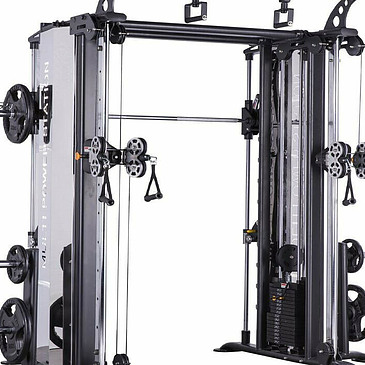
The Smith Machine is a multifaceted piece of workout equipment that has the potential to enhance your gym significantly. Its fixed track for barbell movement allows for a wide range of exercises, offering you the flexibility to diversify your workout while minimizing the risk of injury.

It’s essential to grasp the features of a Smith Machine to choose the one that best fits your home gym. When these features align with your fitness objectives, they can maximize the return on your investment. Therefore, consider the space available and the machine’s dimensions before deciding.

Smith Machines come in various forms, from power-loaded options to multifunctional models catering to diverse fitness preferences. Finding the suitable model can significantly impact your workout results, whether your focus is powerlifting or bodybuilding.

Today, I’m here to help you navigate the sea of choices for  Machines, ensuring you invest in equipment that fits your home gym space and matches your fitness aspirations.

Choosing the suitable Smith Machine is about more than just budget, space, and feature set. It’s about making a sound investment that fits your home gym space and matches your fitness aspirations. A well-thought-out decision can save you from costly mistakes and regrets in the future.

1 The Bowflex PR1000 Home Gym is a multifunctional fitness machine focusing explicitly on different muscle groups. It has a strong steel frame and a smooth barbell gliding system. With its vast selection of over 30 exercises that range from bench presses and squats to rows, this machine provides a complete body workout. This gym equipment also includes a built-in rowing machine and 210-pound resistance rods. “The compact design of this product makes it ideal for individuals with limited living space.”

2. Marcy Smith Cage Workout Machine

The Marcy Smith Cage Workout Machine is a heavy-duty option that offers a complete home gym experience. This machine has a durable steel frame and a pulley system, allowing smooth and controlled movements. With multiple attachments, including a pull-up bar, cable crossover, and weight bench, this machine provides endless exercise possibilities. The bar is counterbalanced, ensuring stability and safety during workouts. The Marcy Smith Cage also includes weight plate storage and keeps your home gym organized.

3. Body-Solid Powerline Smith Machine

The Body-Solid Powerline Smith Machine is a compact and affordable option for those looking to incorporate strength training into their home workouts. It has a sturdy steel frame and a smooth linear bearing system for effortless barbell movements. The machine includes a weight bench and a leg developer attachment, allowing various exercises. With its compact design, the Powerline Smith Machine is suitable for smaller spaces. Incorporating a machine into your home gym could significantly enhance your fitness journey.

The Bowflex PR1000 Home Gym, Marcy Smith Cage Workout Machine, and Body-Solid Powerline  Machine are all excellent options. Each machine offers unique features and benefits, catering to different needs and preferences. When choosing the best machine for your home, consider building quality, versatility, and available space. You can enjoy a safe and effective strength training routine from home with the right equipment.


https://www.wealthyaffiliate.com?a_aid=352a86b2

Using Manta Ray For Squats

https://weightliftingforpower.com/Using-Manta-Ray-For-Squats/exercise-for-strength/admin/


Using Manta Ray For Squats

Understanding Manta-Ray Squats: Enhancing Your Lower Body Workouts

Improved Comfort and Safety:

One of the primary advantages of Manta Ray squats is the enhanced comfort they provide during the exercise. The Manta Ray device sits on the upper back, creating a cushioned surface that evenly distributes the weight. It alleviates pressure on the shoulders and reduces the risk of discomfort or injury with traditional barbell squats. By improving comfort and safety, Manta Ray squats allow individuals to focus on proper form and technique, leading to more effective workouts.

Targeted Muscle Activation:

Manta Ray squats also target specific muscles more effectively than traditional squats. The device’s design shifts the load to the hips and glutes, allowing for greater activation of these muscle groups. This targeted activation can improve strength gains in the lower body, particularly in the quadriceps, hamstrings, and gluteal muscles. By engaging these muscles more efficiently, Manta Ray squats can help individuals overcome plateaus and achieve new levels of strength.

Increased Range of Motion:

Another benefit of Manta Ray squats is the potential for an increased range of motion. The device’s unique design allows for a deeper squat position, enabling individuals to engage their muscles through a more excellent range of motion.

The Ergonomic Design of the Manta Ray:

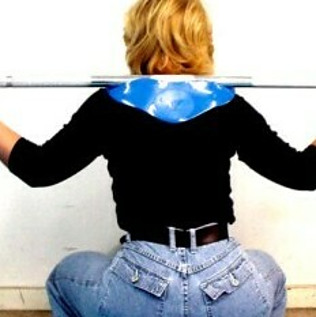
The Manta Ray stands out with its lightweight and durable design that fits securely on the upper back, just below the neck. Its unique shape and contouring provide a comfortable fit, reducing pressure points and discomfort. The Manta Ray’s ergonomic design ensures even weight distribution across the shoulders, minimizing stress on the spine and joints.

The Manta Ray’s raised barbell support pads are a critical feature that sets it apart. These pads elevate the barbell slightly above the shoulders, creating a more natural position for the lifter’s hands. This innovative design alleviates strain on the wrists and elbows, enabling a more comfortable grip during squats.

Furthermore, the Manta Ray’s curved shape promotes proper spinal alignment. Cradling the barbell and guiding it along the upper back’s natural curvature encourages a more upright posture. This alignment is crucial for engaging the correct muscle groups and avoiding unnecessary strain on the lower back.

Improved Squatting Form:

By using the Manta Ray, lifters can achieve better squatting form, leading to improved performance and reduced risk of injury. This equipment’s ergonomic design helps address common issues that can arise during squats.

Firstly, the Manta Ray promotes a more upright torso position. It is crucial for engaging the quadriceps, glutes, and hamstrings effectively. By maintaining an upright chest and straight back, lifters can ensure proper load distribution and muscle targeting.

Secondly, the Manta Ray’s raised barbell support pads encourage a wider grip. This wider grip allows for excellent stability and control during the squat movement. It also helps to activate the upper back muscles, promoting better overall posture.

The Benefits of Manta Ray Squats

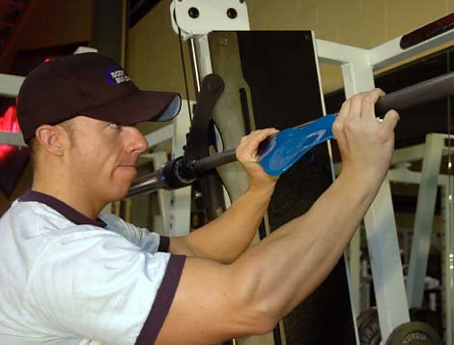
Manta Ray squats offer several advantages over traditional squats. Firstly, the Manta Ray apparatus, a padded barbell attachment, helps distribute the weight more evenly across your upper back, reducing strain on the shoulders and neck. It allows for a more comfortable and stable squatting position, enabling you to focus on proper form and technique.

Furthermore, Manta Ray squats engage the core muscles more than regular squats. The added challenge of stabilizing the weight on your upper back forces your core muscles to work harder, leading to improved core strength and stability. This increased core engagement enhances your squat performance and improves overall athletic performance.

Additionally, Manta Ray squats target the upper back muscles, including the traps and rhomboids. Holding the barbell across your upper back activates these muscles to maintain proper posture throughout the movement. Strengthening these muscles improves your squat form, helps alleviate postural imbalances, and reduces the risk of upper back injuries.

Performing Manta-Ray Squats

To perform Manta-Ray squats correctly:

Place the padded barbell attachment on your upper back, below the base of your neck.

Ensure that the barbell is centered and secure on your back.

During the exercise, stand with your feet shoulder-width apart, toes slightly turned out, and keep your back straight.

As you lower your body, hinge your hips back and bend your knees, keeping them aligned with your toes. Aim to lower yourself until your thighs parallel the ground or slightly below. To return to the starting position, engage your core and drive through your heels. Remember to breathe steadily throughout the movement and maintain proper form.

Mastering the Technique: Step-by-Step Guide to Manta Ray Squats

Stance:

Proper stance is crucial for maintaining balance and stability when performing Manta-Ray squats. “Start by positioning yourself with your feet at a shoulder-width distance from each other.”A wider stance helps engage the glutes and hamstrings more effectively. Experiment with different foot angles to find your body’s most comfortable and natural position.

Bar Positioning:

“The Manta Ray pad is designed to improve comfort and stability while performing squats.” To correctly position the bar, place the Manta Ray pad on your upper back, just below the base of your neck. The pad should rest comfortably on your traps, providing a cushioned surface for the barbell.

With the pad adequately positioned, the next step is to carefully place the barbell on top of the Manta Ray pad. The barbell should be centered and balanced, with equal weight on both sides. It is essential to position the bar correctly to ensure proper form and maximum effectiveness of the exercise. Take the time to adjust the bar position until it feels secure and comfortable.

Incorrect Bar Placement

Among the most common errors when doing Manta-Ray bows is putting the bar too high or too low on the back. Wrong bar placement can result in discomfort and stress in the neck, shoulders, and reduced back. To prevent these problems, place the Manta Ray device on the top back, just below the neck’s base. This positioning permits a more stable and comfy placement throughout the exercise.

2. Incorrect Foot Positioning

An additional risk to keep an eye out for is incorrect foot placing. Placing the feet close or far apart can compromise balance and security during the squat. Position your feet shoulder-width apart to maintain the appropriate type, with toes slightly directed externally. This position aids in dispersing weight uniformly and involves reduced body muscles more effectively.

3. Inadequate Depth

Several people tend to perform shallow squats, not getting to an adequate deepness. When doing squats, you have to make sure you go reduced enough. It would help if you turned on the targeted muscles effectively, and the workout will be as effective—to squat up until your thighs are identical or a little, as listed below.

A prevalent error during Manta-Ray squats is overlooking the core muscular tissues. A stable core is crucial for maintaining proper form while executing this exercise. To trigger your core, concentrate on tightening your stomach muscles and keeping your back neutral. It will undoubtedly improve your efficiency and lessen the opportunity of experiencing reduced back injuries.

manta-ray placement on bar

https://www.wealthyaffiliate.com?a_aid=352a86b2

Oblique Exercises For Men Now

https://weightliftingforpower.com/oblique-exercises-for-men/exercise-for-strength/admin/

Sculpting Your Core: Oblique Exercises Tailored for Men

Oblique Muscles and Their Significance:

Oblique Exercises For Men

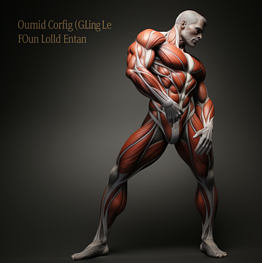
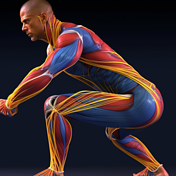
The oblique muscles are of two main groups, namely the external obliques and internal obliques. The external obliques, which are the superficial muscles, run in a diagonal direction downward from the lower ribs to the pelvis. Beneath them lie the internal obliques, running diagonally upward from the pelvis to the lower ribs. These muscles are responsible for various movements, including rotation, lateral flexion, and trunk stabilization.

In men’s fitness, well-developed oblique muscles enhance core strength and contribute to a more aesthetically pleasing physique. Strong obliques stabilize compound exercises such as squats, deadlifts, and overhead presses. They also play a crucial role in sports involving twisting movements, such as golf, tennis, and boxing.

Training and Strengthening Oblique Muscles:

To effectively train and strengthen the oblique muscles, including specific exercises in your fitness routine is crucial. The side plank, a popular exercise for targeting the obliques, can be performed as follows: Start by lying on your side with your forearm on the ground and your body aligned in a straight line. Then, lift your hips off the ground, engaging your obliques. Maintain this position for a predetermined duration before switching to the other side.

Function and Movements

The obliques are not just two separate muscles; they are a team. The external obliques, the largest and most superficial muscles, and the internal obliques lying underneath work together in a sophisticated dance of cooperation. Their joint effort provides stability and control during movements involving the trunk, showcasing the complexity of our body’s design.

One of the primary functions of the obliques is rotation. When the external obliques on one side contract, they rotate the trunk towards that side. For example, when throwing a ball or swinging a golf club, the obliques on the opposite side of the throwing or swinging arm contract to generate power and rotation.

The obliques are not just muscles but vital players in lateral flexion, which involves bending the trunk sideways. When the external oblique on one side contracts, it pulls the torso towards that side, enabling lateral flexion. This movement is not just a physiological but a practical one, essential in activities such as side-bending exercises or reaching for objects on one side.

Importance in Athletic Performance

Oblique power pose

Solid and well-developed obliques are essential for athletes in various sports. In sports requiring rotational movements, such as golf, baseball, or tennis, powerful obliques generate force and improve performance. Rotating the trunk can enhance swing speed, accuracy, and overall power.

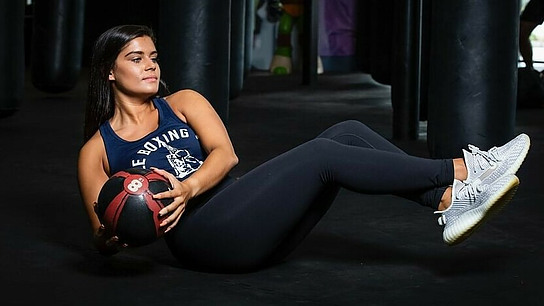
Russian spins are an ageless workout concentrating on the oblique muscles. To do this workout:

1. Remain on the ground with your knees curved and feet resting level on the floor.

2. Lean back while preserving a straight back and engaged core.

3. Understand a weight or conditioning ball with both hands in front of your upper body.

4. Revolve your top body in one instruction, reducing the weight or sphere in the direction of the ground.

5. Return to the first setting and repeat the movement on the contrary.

6. Aim to complete 10-15 reps on each side.

Planking on the Side

Side planks are an effective workout for strengthening the obliques and improving core stability. Start by existing on your side with your lower arm on the ground and joint directly under your shoulder. Pile your feet on each other and lift your hips off the ground, developing a straight line from head to toe. Hold this setting for 30-60 seconds, then change sides. For an included challenge, raise your leg or reach your arm towards the ceiling.

3. Bicycle Crunches

Perform bike crunches to exercise your top and reduced abdominal muscles and obliques. Start by resting on your back, with your hands sustaining your head and your knees bent. Raise your shoulders off the floor and Rotate your torso by moving your right elbow towards your left knee. Alternate sides by bringing opposite elbow to knee. Pedal for 10-15 reps on each side.

Chopping Wood Exercise.

Woodchoppers are a vibrant exercise that targets the obliques and simulates the activity of chopping wood. Assume a shoulder-width stance and grasp a weight or conditioning ball with both hands. Beginning with the weight on one side of your body, then turning your torso and bringing the weight diagonally across your body, ending over your shoulder. Control the movement as you go back to the starting position. Carry out 10-12 reps on each side.

Protein is a crucial nutrient for muscle mass growth and repair service. Excellent healthy protein resources include lean meats, chicken, fish, eggs, dairy products, vegetables, and tofu—the goal is to take in protein with each dish to guarantee a consistent everyday supply. Furthermore, consider integrating a protein shake or bar as a practical post-workout snack to aid muscular tissue healing.

Focus on Healthy Fats:

In contrast to a prominent idea, just some fats are great for you. Healthy fats are essential for preserving total wellness and supporting ideal body composition. Including resources of healthy and balanced fats in your diet can aid in minimizing swelling, support hormonal agent production, and help in nutrient absorption.

Remain Hydrated:

Hydration is a crucial yet often overlooked aspect of oblique training. Water not only delivers nutrients to your muscles but also aids in digestion and regulates body temperature.

Start to drink at least 8 cups, equivalent to 64 ounces, of water daily. Increase intake during intense physical activity or in hot environments. Avoid sugary drinks and make water your primary source of hydration.

https://www.wealthyaffiliate.com?a_aid=352a86b2

Oblique Exercises For Women

https://weightliftingforpower.com/oblique-exercises-for-women/exercise-for-strength/admin/


Oblique Exercises For Women

Sculpt and Strengthen: Tailored Oblique Exercises for Women

The core muscles act as a stabilizing force for the entire body. They support the spine, pelvis, and hips, allowing efficient movement and reducing the risk of injuries. A strong core is essential for women due to the unique demands placed on their bodies during pregnancy, childbirth, and menopause.

During pregnancy, the growing baby exerts extra strain on the core muscles. A strong core can help mitigate back pain, enhance posture, and support the evolving body. Post childbirth, restoring core strength to recover abdominal muscles and restore stability becomes vital.

Regular core-strengthening exercises can help maintain bone health and prevent falls or fractures.

Developing Core Strength:

Various exercises can target the core muscles and improve strength. Planks, crunches, bridges, and Pilates are all effective ways to engage the core muscles.

The obliques on the sides of your abdominal areas play an essential function in your body’s stability. The oblique muscle mass contains two collections: the external obliques that run diagonally downward from the ribs to the hips and the inner obliques that run downward from the lower ribs to the hips. These muscular tissues work together to revolve and stabilize your spinal column and support the organs in your stomach cavity. Recognizing their feature can assist you in appreciating the value of keeping their strength.

Weak or imbalanced obliques can ripple effect on the body’s posture and muscle function. For example, feeble outside obliques can cause rounded shoulders and a top back that curves onward, triggering a slumping over position. It can put excessive stress on the neck and shoulders, resulting in discomfort and discomfort. The good news is that targeted workouts can enhance these muscles, helping to redress any imbalances and promote much better body alignment.

Reinforcing your obliques can be attained via an exercise known as the side plank. To do this exercise:

  1. Push your side with your legs piled on each other and your elbow below your shoulder.
  2. Raise your hips off the ground, developing a straight line from your head to your feet.
  3. Hold this position for 30 seconds to a minute, then change sides.

This workout involves your obliques and core muscles, improving your posture and stability.

Russian twists are a popular exercise focusing on the obliques and triggering the core. To do this exercise:

Remain on the ground, bending your knees and maintaining your feet level.

Lean back, ensuring your back is straight and your core is engaged.

Hold a weight or medicine ball before you, and turn your upper body from one side to the other, touching the weight to the ground on each side.

Pursue controlled and intentional activities, concentrating on involving the oblique muscle mass.

2. Side Plank:

The side slab is superb for targeting the obliques and building core toughness. Begin by resting on your side with your legs prolonged and feet stacked on each other. Prop on your own up on your forearm, ensuring your elbow joint is directly beneath your shoulder. Lift your hips off the ground, developing a straight line from your head to your feet. Hold this setting for 30 seconds to a minute, focusing on engaging the oblique muscles. Repeat on both sides.

3. Bicycle Crunches:

BIke problems are a vibrant workout that efficiently targets the obliques and involves the rectus abdominis. Lie on your back with your hands behind your head and knees curved. Raise your shoulders off the ground and bring your right elbow joint towards your left knee while extending your right leg. Alternate sides while pedaling, bringing left elbow to right knee and extending left leg. Focus on turning your upper body and engaging the muscles with each movement.

Beginner Level:

For those new to oblique workouts or with limited core strength, starting with less intense exercises that still target the oblique muscles effectively is essential. One such exercise is the standing side bend. Stand with your feet shoulder-width apart, place one hand on your hip, and gently lean to the side, focusing on contracting the oblique muscles. Repeat on the other side.

Intermediate Level:

Once you have built some core strength and feel comfortable with the beginner exercises, you can progress to more challenging variations. The bicycle crunch is an excellent intermediate oblique workout. Here’s a rephrased version of the original sentence to avoid plagiarism:

Assume a prone position, elevate both lower limbs off the ground, and rotate your upper body to connect the opposite elbow with the corresponding knee. Another effective exercise is the side plank. Start lying on your side, then prop yourself on one forearm and lift your hips. Keep your body straight and hold for a set amount before switching sides.

A well-rounded diet regimen is essential for achieving noticeable muscle mass interpretation. A balanced mix of lean proteins, entire grains, fruits, and veggies ensures the body gets the nutrients, vitamins, and minerals for ideal functioning. These nourishing foods support muscular tissue growth and advertise feelings of fullness, helping you maintain a healthy weight and body.

Minimizing your consumption of refined foods, sugary treats, and drinks can help protect against excess fat build-up. These foods are usually high in empty calories and undesirable fats, impeding your development toward oblique muscle definition. Instead, pick healthier choices such as nuts, seeds, and lean meats to sustain your muscle-building efforts.

https://www.wealthyaffiliate.com?a_aid=352a86b2

Obliques Workouts At Home

https://weightliftingforpower.com/obliques-workouts-at-home/exercise-for-strength/admin/


Obliques Workouts At Home

Strengthen Your Core with Effective Oblique Exercises at Home

The obliques are an essential part of the core muscles. They provide stability and support to the spine and pelvis. However, when these muscles are weak, it can lead to consequences such as poor posture and an increased risk of lower back pain. Maintaining solid obliques ensures proper spine alignment, reducing back strain and improving overall posture.

Furthermore, strong obliques contribute to better balance and coordination. These muscles work with other core muscles to stabilize the body during movements like running, walking, or standing on one leg. Strong obliques can improve athletic performance and reduce the risk of falls or injuries by enhancing core stability.

Enhancing Functional Movements

Substantial obligations are not just about core stability but are also vital in our daily functional movements. The obliques include:

  • Reaching for an object on a high shelf.
  • Twisting to look behind while driving.
  • Even performing simple tasks.

Neglecting these muscles can limit your range of motion and make these simple tasks more challenging.

Moreover, strong obliques contribute to better spinal rotation. For athletes who perform twisting movements in sports such as golf, tennis, or baseball, it is essential to develop core strength. Athletes can generate more power by strengthening their muscles and improving their performance in these rotational movements.

Convenience:

One of the primary benefits of at-home workouts for the obliques is their convenience. Finding time to go to the gym can be challenging with a busy schedule. However, exercising at home eliminates the need to travel, saving time and effort. You can fit in a quick oblique workout whenever it suits you best, whether early in the morning, during a lunch break, or in the evening.

Privacy:

Exercising in a public setting can be intimidating or uncomfortable for some individuals. At-home workouts provide a private environment to focus on your oblique exercises without feeling self-conscious. This privacy allows you to experiment with different movements and techniques without worrying about others watching or judging. Moreover, working out at home can help build confidence before transitioning to a gym setting if you are a beginner or feel self-conscious about your fitness level.

Cost-Effectiveness:

Joining a gym comes with a monthly or annual membership fee, which can add up over time. On the other hand, at-home workouts for the obliques require minimal to no equipment, reducing the need for expensive gym memberships or specialized gear. Many practical oblique exercises can use just your body weight or simple equipment like resistance bands or dumbbells.

Side planks are a superb workout for targeting the oblique muscles. To perform a side slab:

Lay on your side with your legs directly piled on each other.

Place your forearm on the flooring straight under your shoulder, with your joint bent at a 90-degree angle.

Engage your core and lift your hips to create a straight line from head to feet. Hold for 30-60 seconds. Switch sides and repeat.

To make it much more difficult, raise your leading leg or add a hip dip by decreasing and raising your hips somewhat.

Russian spins are an excellent workout to function out your obliques. To start:

Sit on the ground with your knees curved and feet level on the flooring.

Lean back a little and keep your back directly.

Raise your feet off the ground and balance on your sit bones.

Expand your arms before you and twist your torso away, touching the floor close to you with your fingertips.

Return to the facility and spin to the opposite side.

Repeat this movement for an established number of repeatings or times.

Using Water Bottles for Added Resistance

Water bottles are a versatile and easily accessible tool that adds resistance to your oblique workouts. Here are a few exercises you can try:

1. Strengthen your core muscles with Russian Twists. Sit, bend your knees, and plant your feet firmly on the floor. Hold a water bottle with both hands, extending your arms in front of you. Slowly twist your torso to one side while bringing the water bottle towards the ground. Return to the starting position and repeat on the other side. The added weight of the water bottle will intensify the exercise, targeting your oblique muscles.

2. Side Plank with Rotation: Begin in a side plank position, with one forearm on the ground and your body in a straight line. Hold a water bottle in your top hand and extend it towards the ceiling. Slowly rotate your torso, bringing the water bottle underneath your body. Return to the starting position and repeat on the other side. This exercise engages your obliques while also challenging your stability.

3. Standing Side Bends: Stand with your feet shoulder-width apart and hold a water bottle in one hand. Keeping your back straight, slowly bend to the side, lowering the water bottle towards your knee. Return to the upright position and repeat on the other side. This exercise targets your oblique muscles and helps to improve your overall core strength.

1. Warm-up and Cool-down:

It is crucial to warm up your muscles before exercising to get your body ready for the activity. A 5-10 minute warm-up can consist of light cardio exercises like jogging or jumping jacks.

2. Use Appropriate Equipment:

Using the right equipment is essential for safety during exercise. Whether wearing proper footwear for running or using weightlifting gloves for a better grip, investing in appropriate gear can help prevent accidents and injuries. Also, ensure that your equipment is in good condition and properly maintained.

3. Stay Hydrated:

Proper hydration is crucial during exercise to prevent dehydration and muscle cramps. Drink water before, during, and after your workout to maintain optimal hydration. Avoid sugary drinks or excessive caffeine, as they can dehydrate you.

https://www.wealthyaffiliate.com?a_aid=352a86b2

Dumbbell Barbell Bench Press Now Success

https://weightliftingforpower.com/dumbbell-barbell-bench-press/exercise-for-strength/admin/


Dumbbell Barbell Bench Press Now Success

Maximizing Strength and Safety: The Dumbbell Barbell Bench Press

The Technique

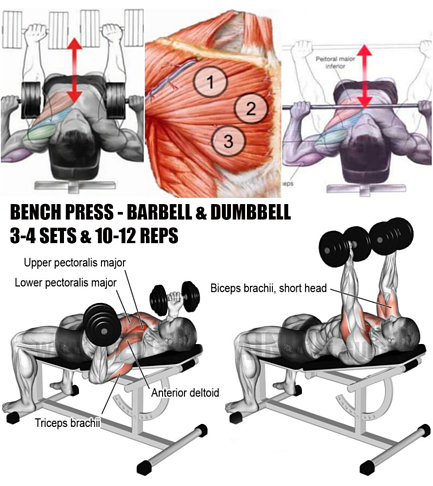
Lie level on a bench with your feet securely grown to perform a bench press. Grasp the barbell with a grip a little wider than shoulder-width apart. You reduced the weights to your chest, maintaining your arm joints at a 45-degree angle. Press the weights back to the beginning placement, fully expanding your arms. Preserving the correct kind throughout the workout is essential, as maintaining your back level against the bench and engaging your core muscular tissues.

“Advantages of”

The bench press primarily targets the pectoralis significant muscle mass, generally called the upper body muscle mass. It additionally involves the former deltoids in the shoulders and the triceps in the back of the arms. Frequently including the bench press into your exercise regimen can successfully strengthen and establish these muscular tissue groups, improving upper body strength and definition of muscular tissue.

Aside from developing muscle, the bench press likewise holds sensible uses. You are pressing copies of jobs like opening doors or lifting large products. By strengthening the muscles in these actions, you can improve your overall physical capacities and lower the chances of obtaining pain.

Dumbbell Bench Press:

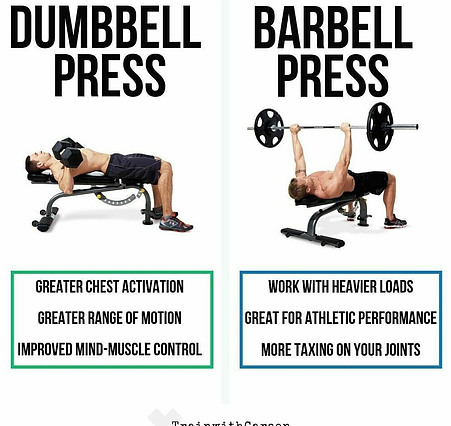
The dumbbell bench press involves using two weights, one in each hand, while lying on a flat bench. This exercise offers several advantages. Firstly, it allows for a more excellent range of motion than the barbell bench press. When using dumbbells, each arm moves independently, allowing for correction of muscle imbalances and improvement in overall strength. Additionally, the dumbbell bench press activates more stabilizer muscles, as each arm has to work independently to control the weight.

However, there are also some considerations to remember when performing the dumbbell bench press. One of the main challenges is the need for more excellent stability and control. As each arm moves independently, more effort is required to stabilize the weights throughout the movement.

Barbell Bench Press:

The barbell bench press involves using a barbell loaded with weights while lying on a flat bench. One of the main advantages of the barbell bench press is the ability to lift heavier weights. Using a barbell allows for a more stable grip and distributes the weight evenly across both arms, making it easier to handle heavier loads.

It is crucial to maintain proper form during exercise for several reasons:

  1. “Make sure to target the intended muscles and perform the exercise correctly by following proper form and technique.”. When you use the correct form, you can maximize the effectiveness of each movement, which leads to better results.
  2. Proper form helps to distribute the workload evenly across your body, reducing the risk of overloading specific muscles or joints.
  3. Maintaining proper form can prevent injury and improve movement patterns.

Tips for Optimizing Form

1. Educate Yourself: Before starting any new exercise routine, take the time to learn the correct form. Consult reputable sources such as fitness professionals, instructional videos, or fitness books to understand the proper technique for each exercise.

2. Start with Light Weights: When learning a new exercise or improving your form, it is advisable to start with lighter weights. As you become more comfortable and confident, gradually increase the weight.

3. Engage Your Core: Engaging your core muscles is essential regardless of exercise. A strong core provides stability and helps maintain proper alignment throughout your body.

4. Use Mirrors or Recording Devices: Utilize mirrors or recording devices to observe your form while exercising. This visual feedback can help identify deviations from the correct form and allow you to make necessary adjustments.

The Benefits of Dumbbells:

Dumbbells, with their versatility, offer many exercises targeting specific muscles. Their advantage lies in their more excellent range of motion than barbells, enhancing flexibility and joint stability. The independent work of each arm engages stabilizer muscles. Plus, the power to adjust dumbbells to your preferred weight gives you control over your workout, making it simple to modify the weight as required.

To include dumbbells in your workout routine, begin with compound exercises like bench presses, squats, or dumbbell lunges. These exercises engage various muscle groups simultaneously, offering an effective full-body workout. As you progress and start incorporating isolation exercises like bicep curls, lateral raises, or tricep extensions, you’ll feel a sense of achievement, knowing you’re targeting specific muscles effectively.

The Advantages of Barbells:

Barbells are an excellent option for improving your overall strength and power. The sensation of lifting heavier weights, which only barbells can offer, can make you feel empowered. These exercises, such as squats, deadlifts, and bench presses, engage several muscle groups simultaneously, improving overall strength and functionality. Additionally, barbells offer stability during these exercises, allowing you to concentrate more on proper form and technique.

To incorporate barbells into your workout, start with compound exercises that target large muscle groups. Squats, deadlifts, and bench presses are exceptional options. Gradually increase the weight as you become more at ease with the movements to test your limits and stimulate muscle development. Additionally, you can use variations such as sumo squats, Romanian deadlifts, or incline bench presses to hit specific muscles differently.

https://www.wealthyaffiliate.com?a_aid=352a86b2

Dumbbell Bench Press Vs Barbell Bench Press NOW Challenge


https://weightliftingforpower.com/dumbbell-bench-press-vs-barbell-bench-press/exercise-for-strength/admin/


Dumbbell Bench Press Vs Barbell Bench Press

Understanding the Dumbbell Bench Press: A Path to Symmetrical Strength

The Technique:

To perform the dumbbell bench press:

  1. To perform the exercise correctly, hold the dumbbells at shoulder level. Make sure your palms are facing forward.
  2. To execute the workout, grasp the dumbbells and position them at the level of your shoulders, ensuring your palms are facing forward. “Lower the dumbbells slowly towards your chest while keeping your elbows at a 90-degree angle.
  3. Take a momentary pause, then slowly lift the dumbbells to shoulder height, keeping your arms close to your body. Extend your arms by pushing the dumbbells back up to the starting position.
  4. Repeat for the desired number of repetitions.

Increased Muscle Activation:

One of the main advantages of the dumbbell bench press is that it requires more stabilization and coordination compared to the barbell bench press. Since each arm operates independently, your muscles require more effort to maintain balance and control throughout the movement. This increased muscle activation can lead to more significant overall strength gains and improved muscle symmetry.

Improved Range of Motion:

Dumbbells offer a distinct advantage of a more excellent range of motion than a barbell. This extended range of motion stretches your muscles more during each repetition, fostering enhanced muscle development. Plus, the freedom to move each arm independently promotes a more natural movement pattern, which reduces injury risk and boosts overall joint health.

Addressing Muscle Imbalances:

The dumbbell bench press excels in addressing muscle imbalances. The independent work of each arm ensures that weaker muscles can’t rely on stronger ones to compensate for their lack of strength. It compels weaker muscles to work harder and gradually match their more substantial counterparts, leading to improved muscle balance and a lower risk of injury.

Targeting Specific Muscle Groups

The dumbbell press is an effective exercise that primarily targets the chest muscles, specifically the pectoralis major and minor. Unlike the barbell bench press, which relies on both arms working together, dumbbell presses allow each arm to work independently. This exercise helps identify and correct any strength imbalances in the body. By performing dumbbell presses regularly, you can ensure that both sides of your chest are equally engaged, promoting balanced muscle development.

In addition to the chest muscles, dumbbell presses also engage the shoulders and triceps. These secondary muscle groups play a crucial role in stabilizing the movement and assisting in pushing the weights overhead. You can further enhance upper body strength and stability by strengthening these muscles through dumbbell presses.

Improving Stability

Muscle imbalances often result from overuse or underuse of specific muscles. Dumbbell presses require significant stabilization as you lift and lower the weights. The exercise requires you to move each arm independently, forcing your core muscles to work harder to maintain balance. Over time, this increased demand on your stabilizer muscles can help correct imbalances and improve overall stability.

Choosing the Right Weight:

Picking the appropriate weight is fundamental for preserving proper form throughout your fitness routine and preventing injuries. Choosing a weight that challenges you without compromising your form is vital. If you encounter difficulties maintaining correct technique, use lighter dumbbells until you feel comfortable with the exercise.

Proper Grip:

Maintaining a secure grip on the dumbbells is essential for safety and effectiveness. Hold the dumbbells firmly, but avoid excessive grip as it can strain your wrists and forearms. Ensure your hands are on the dumbbell handles and your fingers are wrapped around them securely. This grip will provide stability and control throughout the exercise.

Proper posture during workouts is essential to prevent injuries and ensure effective results. Correct posture involves standing tall with shoulders back, chest lifted, and core muscles engaged. Avoid arching the back or rounding the shoulders to prevent strain or injury. Keeping a neutral spine will help distribute the load evenly across your body and protect your back from harm.

Controlled Movements:

Performing exercises with controlled movements is essential for both safety and effectiveness. Avoid using momentum or swinging the dumbbells, which can strain your muscles and joints. Instead, focus on slow and controlled movements, ensuring you feel the muscles throughout the entire range of motion.

Proper Breathing:

Breathing correctly during dumbbell exercises is often overlooked but is crucial in maintaining form and safety. Inhale before starting the movement and exhale as you exert force. This breathing technique can help you stabilize your core muscles and support your body.

Commence the exercise by reclining on a horizontal bench with a dumbbell gripped in each hand, placed at the level of your shoulders. Slowly push the dumbbells up until your arms are straight, then lower them back down to the starting position. Aim to perform 2-3 sets of 10-12 reps, ensuring proper form and control.

Intermediate Level:

After mastering the fundamentals of dumbbell presses, you can diversify your workout by implementing various techniques that target distinct muscle groups and elevate the level of intensity. One effective variation is the incline dumbbell press. This exercise is on an inclined bench, set at an angle of around 30-45 degrees. The incline targets the upper chest and shoulders, stimulating your muscles differently.

Mastering the Barbell Bench Press: Powering Your Way to Peak Performance

Proper Technique

To perform the barbell bench press correctly:

Lay on a flat bench with your feet firmly planted on the ground.

Hold the barbell with your hands positioned slightly wider than your shoulders.

To perform the exercise correctly, slowly lower the barbell towards your chest while maintaining your elbows at a 45-degree angle.

Push the barbell back up until your arms return to the starting position to complete the exercise.

It is crucial to maintain control throughout the movement and avoid bouncing the barbell off your chest.

Variations

When performing chest exercises, it’s essential to understand the different muscle groups. Specifically, the incline bench press is ideal for developing the upper chest, while the decline bench press is better suited for targeting the lower chest. Furthermore, adjusting your grip can also impact the muscle groups. A closed grip will engage the triceps more intensely, whereas a wide grip will emphasize the chest muscles more.

Benefits

The barbell bench press offers numerous benefits for strength training enthusiasts. Engaging multiple muscle groups is an excellent exercise for increasing upper body strength. Athletes who engage in sports that demand explosive upper-body movements can benefit from the improved muscular endurance and power this training method provides.

The barbell bench press is a productive workout that aids in developing the chest, shoulder, and tricep muscles. By consistently challenging these muscles with progressively heavier weights, individuals can stimulate muscle growth and achieve a more defined and sculpted upper body.

1. Compound Movements and Muscle Development

Barbells are a highly advantageous practice for developing muscles due to their ability to enable compound movements. Compound exercises involve several joints and muscle groups, making them more effective and efficient for workouts. A barbell allows you to perform compound exercises that activate multiple muscle groups simultaneously, such as squats, deadlifts, bench presses, and overhead presses.

2. Enhanced Stability and Core Strength

Using a barbell requires stability and balance, which engages your core muscles. Stabilizing the weight during squats and overhead presses helps strengthen your core muscles, including your abdominals, obliques, and lower back. A strong core improves your overall posture, enhances your performance in other activities, and reduces the risk of injury.

The barbell’s centralized weight distribution also forces your body to work harder to maintain proper form throughout each exercise. This increased demand for stabilizer muscles improves coordination and overall body control.

3. Increased Strength and Power

Powerlifting enthusiasts can greatly benefit from incorporating barbell exercises into their training regimen. The barbell allows for heavy lifting, which is essential for developing maximum strength and power. Exercises like the deadlift and squat can significantly improve your overall strength and progressively increase weight when performed with proper technique.

https://www.wealthyaffiliate.com?a_aid=352a86b2

Best Exercise Training Programs

Pros And Cons Of Exercise Programs

https://weightliftingforpower.com/Pros-And-Cons-Of-Exercise-Programs/exercise-for-strength/admin/

Pros And Cons Of Exercise Programs

Unlocking the Benefits: How Exercise Programs Boost Your Well-Being

Workout is critical in protecting against and combating a vast array of illnesses. Regular physical activity needs to reduce the threat of creating persistent problems such as cardiovascular disease, stroke, and two diabetic issues. It assists in improving cardiovascular health and wellness by enhancing the heart and blood flow. Additionally, workouts can help reduce blood pressure and cholesterol levels, reducing the danger of heart-related disorders.

Workouts have also decreased the threat of particular kinds of cancer cells, including breast, colon, and lung cancer. Physical activity helps control hormonal agent degrees, boost digestion, and improve the body’s all-natural detoxing processes, minimizing cancer risk.

Along with its disease-fighting advantages, exercise is essential for managing weight. Taking part in moderate-intensity activities such as brisk walking, running, or biking can aid individuals in dropping excess pounds and maintaining a healthy body mass index (BMI).

Physical tasks can have a substantial influence on our psychological health. When we exercise, our brain launches endorphins, all-natural chemicals that work as state-of-mind boosters, lowering feelings of stress, stress and anxiety, and depression. Workout additionally raises the production of serotonin, a natural chemical that assists in managing mood, sleep, and hunger. Enhanced serotonin degrees as a result of exercise can aid in easing depression signs and symptoms and boost total psychological wellness.

Joining physical tasks can lead to much better sleep patterns, essential to preserving excellent psychological health. Appropriate rest allows the mind to reenergize and refine feelings properly. Routine exercise can control rest patterns, enhance cognitive function, boost emphasis, and lessen day-to-day impatience.

The value of a well-defined plan

Exercise programs, acting as a well-defined plan, are instrumental in achieving physical fitness goals. They offer a clear and incremental path, helping individuals avoid the pitfalls of overexertion or inadequate training that could lead to injuries or lack of progress. More importantly, having a specified plan keeps individuals motivated and accountable, enabling them to track their progress effectively.

Personalization for Individual Needs

Exercise programs can be customized to satisfy individual demands and goals. Whether someone intends to slim down, construct muscle, improve cardio endurance, or enhance versatility, workout programs meet these goals. By tailoring the program to fit specific needs, individuals can optimize their results and make their physical fitness trip more pleasurable and lasting.

Engaging and Evolving Fitness Routines

Exercise programs often incorporate varied exercises and training methods to encourage people and stop stagnancy. This variety makes workouts much more enjoyable and makes you confident that different muscle teams lead to a thorough fitness routine. Additionally, exercise programs commonly include progression approaches that gradually increase the intensity or problem of workouts over time. This progressive approach motivates individuals to constantly push themselves, avoiding plateaus and promoting regular improvement in fitness degrees.

Constant workout has a much longer life expectancy. Multiple research studies have shown that individuals who frequently participate in exercise tend to live longer than those with a less active lifestyle. Exercise aids in avoiding chronic disorders such as heart problems, diabetes, and certain sorts of cancer, which can have a significant influence on the size of one’s life. In addition, regular physical activity enhances cardio wellness, boosts the immune system, and promotes psychological wellness, all of which add to a longer and much healthier life.

Considering the Challenges: The Downsides of Structured Exercise Programs

The Role of Proper Guidance

Proper guidance is crucial to reducing the risk of injury during physical activities. Whether participating in team sports, going to the gym, or starting a new exercise routine, having someone knowledgeable to guide you can make a significant difference. Qualified coaches, trainers, or instructors can provide valuable advice on technique, form, and safety precautions. They can also help tailor workouts or training programs to individual needs and abilities, ensuring gradual progression and minimizing the risk of overexertion.

Benefits of Proper Guidance

Receiving proper guidance reduces the risk of injury and offers numerous other benefits. Coaches and trainers can teach individuals how to warm up and cool down effectively, which helps prevent muscle strains and promotes flexibility. Depending on the activity, they can also educate individuals about the importance of using appropriate protective gear, such as helmets or knee pads. Additionally, proper guidance can enhance performance by teaching proper techniques and strategies, leading to better results and a more enjoyable experience.

The Cost of Memberships

When considering exercise programs or gyms, the first aspect to evaluate is the membership cost. Some gyms may offer monthly memberships, while others may require an annual commitment.

In addition to the membership fee, some gyms may also require an initiation fee. This one-time payment is often charged to cover administrative costs and may range from a few dollars to several hundred. Investigating this initiation fee is crucial when calculating the overall gym cost.

Additional Expenses

Other expenses may be associated with exercise programs or gyms besides the membership and initiation fees. Many establishments offer additional services such as personal training sessions, group classes, or access to specialized equipment. While these services can enhance your fitness journey, they often cost extra. It is essential to consider whether these additional expenses fit within your budget.

https://www.wealthyaffiliate.com?a_aid=352a86b2

Neck Exercises To Strengthen Neck Muscles

https://weightliftingforpower.com/neck-exercises-to-strengthen-neck-muscles/exercise-for-strength/admin/
 

neck muscle exercises

Understanding Neck Muscle Health

Having a strong neck is about more than maintaining proper posture. It’s about providing your body with the support it needs to carry the weight of your head, which can be around 10 to 12 pounds. Weak muscles can lead to poor posture, straining your  upper back. This strain can cause discomfort and headaches, leading to long-term issues such as cervical spine problems. However, you can alleviate these issues with a strong neck, offering a hopeful promise of relief and comfort.

Strengthening your neck is within your reach and doesn’t require complex exercises or heavy weights. Simple movements targeting your neck’s front, back, and sides can make a significant difference. These exercises, such as neck flexion and extension exercises, lateral neck stretches, and resistance training using bands or weights, are accessible and easy to incorporate into your daily routine. Start with light resistance and gradually increase as neck muscles strengthen. You hold the power to improve your neck strength and posture, taking control of your health.

Anatomy of the Neck – Major Muscle Groups

The neck connects the head and torso, enabling a wide range of motion. It comprises several major muscle groups that work together to support the head, facilitate movement, and protect essential structures such as the spine and blood vessels. Understanding the anatomy of these muscles can provide valuable insights into their functions and potential sources of discomfort or injury.

The Sternocleidomastoid Muscle

One of the most prominent muscles  is the sternocleidomastoid (SCM) muscle. This muscle originates from the base of the skull, runs behind the ear, and extends down to the collarbone and breastbone. It plays a crucial role in turning and tilting the head and aiding breathing by elevating the ribcage during deep inhalation. The SCM muscle is also involved in flexing the neck forward and sideways.

The Trapezius Muscle

The trapezius is a broad, triangular muscle covering a significant portion of the back and neck. It extends from the skull base down to the middle of the back and out to the shoulder blades. The trapezius muscle helps stabilize and move the shoulder blades, allowing for various movements of the arms and neck. It assists in maintaining proper posture and helps support the head’s weight.

The Scalene Muscles

Three separate muscles comprise the scalene muscles on the neck’s sides: the anterior, middle, and posterior scalenes. These muscles play a crucial role in neck movement, particularly during deep breathing and tilting or rotating the head. The scalene muscles also provide stability to the neck and assist in maintaining proper alignment of the cervical spine.

The Platysma Muscle

The platysma muscle is a thin, sheet-like muscle that covers the front of the neck. It extends from the chest to the lower jaw and is responsible for facial expressions, such as frowning or grimacing. The platysma muscle also assists in swallowing and speaking by controlling the movement of the lower jaw and lips.

Headaches:

One of the most prevalent issues stemming from weak neck muscles is headaches—the muscles in the neck to the muscles in the head and face. When the neck muscles are weak, they may struggle to provide adequate support to the head, leading to tension and stress on the surrounding structures. This tension can trigger headaches, which may range from mild to severe. Individuals with weak neck muscles may experience tension headaches, characterized by a dull, achy pain radiating from the skull’s base to the forehead. These headaches can persist and interfere with daily activities, causing discomfort and reduced productivity.

Poor Posture:

Weak neck muscles can also lead to poor posture, which can have far-reaching effects on overall health and well-being. The muscles in the neck have a significant role in maintaining the spine’s proper alignment. As a result, individuals with weak  muscles often develop a forward head posture, where the head juts forward from its natural alignment with the spine. This posture can strain the  upper back, and shoulders, leading to discomfort and pain.

Effective Neck Strengthening Exercises

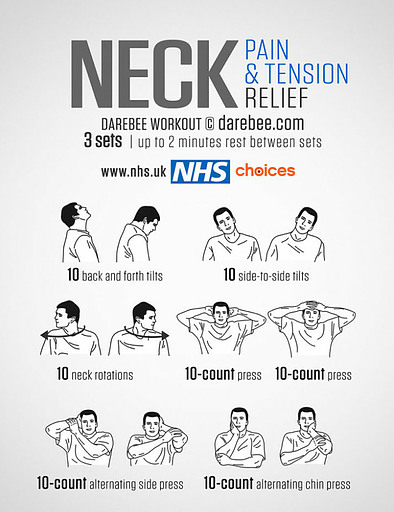
1. Neck Rotations: Start sitting or standing upright with your shoulders relaxed. Slowly rotate your head clockwise, bringing your chin towards your chest, then moving it to the right, tilting it back, and finally bringing it back to the starting position. Repeat this motion for 10-15 rotations and then switch to counterclockwise rotations.

To perform the exercise:

  1. tilt your head to the right shoulder, slowly.”It will create a gentle stretch on the left side of your neck.
  2. Hold this position for 10 to 15 seconds, then return to the starting position.
  3. Repeat the same movement on the left side,

3.  Extensions: Maintain an upright posture and slowly tilt your head backward, looking up towards the ceiling. Hold this position for 10-15 seconds, feeling the stretch in the front of your neck. Return to the starting position and repeat for a few more times.

4.  Flexion: Sit or stand with your shoulders relaxed. Lower your chin towards your chest slowly, feeling a stretch in the back of your neck. Hold this position for 10-15 seconds before returning to the starting position.

How to Perform Isometric Neck Exercises

  1. Sit or stand with your back straight.
  2. Place your hands on your forehead and gently push your head forward while using your hands to resist the pressure.
  3. “Maintain this position for 10 seconds, then release the tension.”
  4. Repeat this movement ten times to complete the exercise.

2.  Flexion: Place your hands on the back of your head and gently push your head backward while resisting the pressure with your hands. Hold for 10 seconds, and then relax. Repeat ten times.

3.  Lateral Flexion: Place your right hand on the right side of your head and gently push your head towards your right shoulder while resisting the pressure with your hand. Hold for 10 seconds, and then relax. Repeat on the left side. Do ten repetitions on each side.

4.  Rotation: Place your right hand on the left side of your chin and gently push your head towards your right shoulder while resisting the pressure with your hand. Hold for 10 seconds, and then relax. Repeat on the other side. Do ten repetitions on each side.

Dynamic  strengthening exercises offer several advantages over static exercises:

  1. They help improve the range of motion in the neck by targeting different muscle groups. Dynamic exercises promote flexibility and mobility in the neck by incorporating flexion, extension, rotation, and lateral bending.
  2. These exercises engage multiple muscles simultaneously, improving coordination and overall strength. Dynamic movements challenge the muscles to work together, enhancing their ability to stabilize the neck during everyday activities.
  3. Dynamic  strengthening exercises can help prevent injuries by conditioning the muscles to withstand sudden movements or impacts.

Techniques for Dynamic Strengthening

Start by slowly rotating your head in small circles, gradually increasing the size. Repeat in both clockwise and counterclockwise directions.

2. Side-to-Side Head Turns: Begin by facing forward, slowly turning your head to one side, and looking over your shoulder. Return to the starting position and repeat on the other side. Perform this movement in a controlled manner.

3. Chin Tucks: Sit or stand with good posture and gently tuck your chin towards your chest, lengthening the back of your neck. Hold for a few seconds, and then release. Repeat for several repetitions.

4. Shoulder Shrugs: Lift your shoulders towards your ears, hold them for a moment, and then relax them down—this exercise alleviates neck and upper back tension.

The Importance of Cooling Down

Cooling down is crucial to any exercise routine as it gradually allows your body to transition from high intensity to a resting state. By gradually reducing your heart rate and body temperature, a cool-down helps prevent blood pooling in your muscles, which can lead to dizziness or fainting.

Consider engaging in low-intensity exercises such as walking or gentle stretching to cool down effectively. It will help your body gradually return to its pre-workout state and promote circulation, allowing oxygen and nutrients to reach your muscles.

Essential Aftercare Tips

In addition to cooling down, proper aftercare is essential for preventing soreness and aiding muscle recovery. Here are some indispensable aftercare tips to incorporate into your post-workout routine:

1. Hydration: Replenishing fluids lost during exercise is crucial for muscle recovery. Staying hydrated is essential for your health. Drinking adequate water can help flush out the toxins from your body.

2. Nutrition: Consuming a balanced meal or snack within an hour after your workout can give your body the necessary nutrients to repair and rebuild muscles.

3. Foam Rolling: Foam roller can help release muscle tension and improve flexibility. Spend a few minutes targeting different muscle groups to alleviate tightness or knots.

4. Ice or Heat Therapy: If you experience any specific areas of soreness, applying ice or heat can help reduce inflammation and promote healing. Ice is recommended for acute injuries, while heat benefits chronic muscle soreness.
6901448fa8e81946d0951e822fc4a9d5 cropped optimized

https://www.wealthyaffiliate.com?a_aid=352a86b2

Calf Exercises For Runners Benefits Now

https://weightliftingforpower.com/calf-exercises-for-runners/exercise-for-strength/admin/

Calf Exercises For RunnersStrengthen Your Stride: Calf Exercises Tailored for Runners

The calf muscles comprise two primary muscles, the gastrocnemius and the soleus. The gastrocnemius is the more significant muscle, forming the bulge visible beneath the skin. It originates from the back of the femur, just above the knee joint, and inserts into the Achilles tendon. The soleus lies deeper, originating from the tibia and fibula bones, and inserts into the Achilles tendon. These muscles work together to control ankle movement and generate force during running.

Function in Running

During running, the calf muscles act as robust plantar flexors, pointing the foot downward. This action propels the body forward, allowing for efficient push-off and stride extension. The gastrocnemius, with its fast-twitch muscle fibers, contributes to explosive movements such as sprinting, while the soleus, with its slow-twitch muscle fibers, provides endurance for longer distances.

Injury Prevention:

One of the critical reasons why calf strength is essential for runners is its role in injury prevention. The calves act as shock absorbers, reducing the impact on the lower limbs during each stride. Strengthening the calves helps to stabilize the ankle joint and distribute forces more evenly, reducing the strain on other structures like tendons and ligaments.

By improving the overall strength and flexibility of the lower legs, runners can minimize the risk of acute injuries and chronic overuse conditions.

Performance Benefits:

In addition to injury prevention, strong calf muscles offer several performance benefits for runners. The calves play a significant role in generating power and propulsion during running. With more muscular calves, runners can forcefully push off the ground, increasing speed and efficiency.

The Calf Warm-Up Routine

Before starting your calf exercise routine, it’s crucial to warm up your calf muscles properly. Begin with a quick walk or light jog for approximately 5 minutes to increase muscle blood flow. Once sufficiently warmed up, you can perform dynamic stretches to help you further prepare for the exercises. Here are some examples of dynamic stretches you can do:

Assuming a hip-width stance, lift your heels off the ground by rising onto your toes. Hold for a second, then lower your heels back down. Repeat this movement for 10-15 reps. Calf raises help activate and strengthen the calf muscles while improving ankle stability.

2. Walking Lunges: Begin by stepping forward with your right foot, ensuring your front knee is directly above your ankle, and lower your body into a lunge position. Push off with your back foot, bringing it forward to perform the lunge with the opposite leg. Alternate legs, performing 10-12 lunges per leg to enhance overall lower-body flexibility. This exercise is excellent for stretching the calves and engaging other leg muscles.

3. One way to perform high knees is by standing with your feet hip-width apart and jogging in place. Lift your knees as high as possible, trying to get them parallel to the ground while pumping your arms in sync. Continue for 30 seconds to 1 minute. High knees are an excellent warm-up exercise that can improve hip mobility, running form, and calf muscles.

1. Standing Calf Raises:

Standing calf raises are a fundamental exercise for targeting the calf muscles. To perform this exercise:

  1. To begin the exercise, stand with your feet hip-width apart next to a wall or any sturdy object that can support you.
  2. Place your feet on the edge of a raised platform and let your heels hang off.
  3. Slowly raise your heels, pause briefly, and lower them back down. You should feel a stretch in your calf muscles.
  4. Repeat for 10-15 repetitions, gradually increasing the number of sets as you progress.

Maintaining proper form is essential during standing calf raises. Keep your core engaged, shoulders relaxed, and gaze forward to maintain balance. Avoid using momentum or bouncing at the bottom of the movement, as this can strain the Achilles tendon.

2. Seated Calf Raises:

  1. Seated calf raises target the soleus muscle, which lies beneath the more significant gastrocnemius muscle. Sit on a chair and ensure your feet are flat on the floor.
  2. Place a weight plate or dumbbell on your thighs, just above your knees.
  3. Contract your calves by pushing through the balls of your feet to raise your heels off the ground.
  4. Lower your heels back down and repeat for 10-15 repetitions.

3. Jump Rope:

Jumping rope is a dynamic exercise that strengthens the calf muscles and improves cardiovascular endurance. Begin by holding the handles of a jump rope in each hand, with your elbows close to your sides. Jump over the rope, using your calf muscles to propel yourself off the ground.

Ensure proper form by keeping your knees slightly bent, landing softly on the balls of your feet, and maintaining a steady rhythm. Avoid excessive jumping height, as it may strain the calves and increase the risk of injury.

The importance of cooling down

Physical activity causes an increase in heart rate, blood vessel dilation, and body temperature. Cooling down brings these physiological responses back to their normal levels. It allows your heart rate to decrease gradually, preventing blood pooling in the extremities and reducing the risk of dizziness or fainting. Cooling down helps remove waste products like lactic acid, reducing muscle soreness.

The benefits of stretching

Including stretching in your post-workout routine is essential. Stretching helps to elongate and relax muscles after exercise, minimizing the risk of injury. Integrating stretching into your post-workout routine can alleviate muscle tightness and improve muscle balance.

https://www.wealthyaffiliate.com?a_aid=352a86b2Don’t let another day go by feeling overwhelmed and confused about building an online business. Enroll now in Wealthy Affiliate’s program and benefit from their extensive guidance to help you create a successful online business and make your aspirations a reality. Seize this opportunity before it slips away, and start your journey to financial freedom and independence.