The Benefits Of Dynamic Stretching For Warm-up

https://weightliftingforpower.com/the-benefits-of-dynamic-stretching-for-warm-up/exercise-for-strength/admin/


Dynamic stretching

Understanding Dynamic Stretching: A Key to Effective Warm-ups

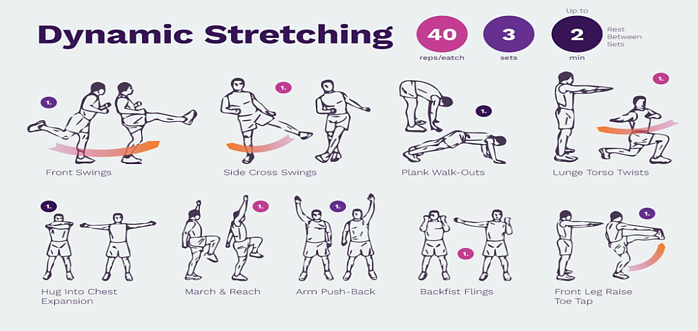
Dynamic extending involves moving parts of the body via a whole variety of movements in a controlled way. This stretching is commonly performed before an exercise to prepare the muscle mass for activity. Dynamic stretches are commonly sport-specific and resemble the motions associated with the activity. For instance, a basketball player may perform vibrant stretches, including lunges, arm circles, and leg swings, to warm up the muscle mass utilized throughout the video game.

Dynamic stretching can bring several benefits. It enhances blood and muscle mass circulation, enhancing efficiency and minimizing the threat of injury. Furthermore, dynamic stretching preps the muscular tissues for the activities they’ll encounter throughout exercise or sports, enhancing their function.

After an intense physical activity session, static stretching is a soothing, excellent down for your muscles, enhancing flexibility. This type of stretching, where you hold a stretch for 15 to 60 seconds without moving, is best done after an exercise to relax and lengthen the muscles, providing relief and relaxation.

The primary purpose of static stretching is to enhance overall flexibility and expedite muscle recovery. By holding a stretch, your muscles gradually lengthen, which can help alleviate muscle soreness and improve posture. This reassurance of recovery and improvement in posture can bring about a sense of comfort and confidence. Static stretching also promotes relaxation and can be beneficial for stress relief.

Improved Range of Motion:

Dynamic stretching gradually increases joint mobility, which helps to improve the range of motion. As the muscles reach their entire range, they adapt to the movement patterns required during physical activity. Over time, consistent stretching can improve flexibility and reduce the risk of injury for athletes.

Enhanced Performance:

They are engaging in dynamic stretching before physical activity has enhanced performance. By activating the muscles and increasing blood flow, dynamic stretching primes the body for optimal performance. It improves muscle strength and power, allowing athletes to generate more force during their activities. Additionally, dynamic stretching helps improve neuromuscular coordination, leading to better movement patterns and overall performance.

Injury Prevention:

Dynamic stretching reduces the risk of injury. By activating the muscles and increasing blood flow, dynamic stretching improves muscle elasticity and prepares them for the demands of physical activity. Additionally, dynamic stretching helps enhance joint stability and proprioception, reducing the risk of injury during physical activity.

Maximizing Performance: The Advantages of Dynamic Stretching

Optimizing muscular performance and readiness is not just for athletes; it’s a game-changer in various aspects of life, including your fitness journey. Whether you aim to conquer a marathon or feel more robust and agile in your daily activities, understanding and applying muscular performance and readiness principles can significantly enhance your quality of life.

Factors Affecting Muscular Performance

Several factors influence muscular performance, including strength, power, endurance, and flexibility. Strength, for instance, is the force your muscles produce when you lift a heavy box while power to sprint to catch a bus. Endurance helps you complete a long hike, and flexibility allows you to reach for something on a high shelf. Each of these factors has a distinct impact on your overall muscle performance.

Resistance training, which involves weightlifting and similar exercises, is a highly effective way to increase strength and power. Running or cycling can improve endurance by challenging muscles to sustain contractions for extended periods.

Optimizing Muscular Readiness

Muscular readiness refers to the state of preparedness of your muscles for physical activity. It involves muscle activation, warm-up routines, and recovery strategies.

Warm-up routines are not just a pre-workout ritual but a crucial step in preparing your muscles for physical activity. They increase muscle blood flow, raise body temperature, and improve joint mobility.

An improved range of motion and flexibility can benefit people of every age and physical fitness level in many ways. Here are some key benefits:

Boosted physical abilities can favorably influence efficiency in a wide range of activities, including motion, leading to higher effectiveness, coordination, and agility, eventually boosting general performance.

Injury avoidance is promoted by having an adequate level of wheelchair and versatility, as this reduces the pressure on muscular tissues, tendons, and joints. It permits the body to relocate quickly without exerting extreme tension on any detailed area, eventually reducing the possibility of experiencing strains, pressures, and other injuries connected to the musculoskeletal system.

3. Boosted Posture: Maintaining proper posture and adaptability are essential. By improving versatility, people can deal with muscle mass inequalities, maintain correct body alignment, and relieve pressure on the spinal column.

4. Discomfort Relief: Increased series of motion and versatility can reduce muscular tissue discomfort and joint discomfort. Stretching workouts improve blood flow, unwinding tense muscle mass, and releasing endorphins, all-natural pain relievers.

Approaches to Enhance Mobility and Suppleness

1. Regular STretching: Incorporating stretching exercises into your daily routine can progressively boost your motion and flexibility. Concentrating on stretching the major muscle teams, consisting of hamstrings, quadriceps, calf bones, and shoulders, is recommended.

2. Yoga and Pilates: Practicing yoga exercises or Pilates can considerably enhance adaptability and range of motion. These workouts include extending, reinforcing, and equilibrium, increasing versatility while promoting total body strength and stability.

3. Dynamic Warm-up: Performing a vibrant warm-up routine is necessary before participating in any physical activity. Dynamic extends involve relocating parts of your body with a full range of activity, preparing the muscle mass and joints for activity.

https://www.wealthyaffiliate.com?a_aid=352a86b2

How To Incorporate Warm-up Exercises Into Your Exercise Routine

https://weightliftingforpower.com/how-to-incorporate-warm-up-exercises-into-your-exercise-routine/exercise-for-strength/admin/


How To Incorporate Warm-up Exercises Into Your Exercise Routine

The Importance of Warm-Up Exercises

During a warm-up routine, blood vessels dilate, increasing blood flow to muscles. This improved blood flow transports more oxygen and nutrients to muscles while effectively removing waste products like carbon dioxide and lactic acid. These waste products can accumulate during exercise and lead to muscle fatigue. By improving oxygen delivery and waste removal, warm-up exercises ensure your muscles function optimally and your performance remains unaffected by fatigue.

Increased Muscle Temperature

Engaging in warm-up exercises raises the temperature of the muscles, tendons, and ligaments. This increase in temperature improves muscle elasticity and flexibility, making them less prone to injury. Properly contracting and relaxing warm muscles can improve flexibility and prevent injury.

Activation of the Nervous System

Warm-up exercises stimulate the nervous system, preparing it for exercise demands. This activation helps improve coordination, reaction time, and muscle recruitment. Warm-ups enhance communication between the brain and muscles, leading to more efficient movement patterns and better performance.

Mental Preparation

Aside from the physical benefits, warm-up exercises also provide an opportunity for mental preparation before engaging in physical activity. By focusing on the body and the upcoming workout, individuals can mentally transition from passive to active. This mental preparation can improve focus, concentration, and motivation, leading to a more productive and enjoyable workout session.

The Benefits of Warm-up Exercises

Warm-up exercises serve several purposes that contribute to injury prevention:

They increase body temperature, which helps to improve muscle elasticity and flexibility. , in turn, enhances joint range of motion and reduces the risk of strains and sprains.

Warm-up exercises increase muscle blood flow, delivering oxygen and nutrients while removing waste products.

Warm-ups improve coordination and reaction time and prevent accidents during exercise by stimulating the nervous system.

Effective Warm-up Techniques

An effective warm-up routine typically consists of three main components: cardiovascular exercise, stretching, and sport-specific movements. Starting with a light cardiovascular activity such as jogging or cycling for 5-10 minutes increases heart rate and blood flow, gradually preparing the body for more intense exercise. Dynamic stretches involve controlled movements that mimic the motions of the activity to be performed, such as leg swings or arm circles. These stretching exercises improve your flexibility and range of motion without causing muscle fatigue.

The Physical Benefits of Warm-Up Exercises

Warm-up exercises are not just a prelude to your workout but a crucial step in preventing injuries. By gradually increasing heart rate, circulation, and body temperature, the body is ready for intense workouts. This process loosens up your muscles and increases their flexibility, reducing the risk of strains and tears. Moreover, warm-up exercises enhance oxygen delivery and nutrient supply to your muscles, setting the stage for optimal performance.

A proper warm-up routine should consist of dynamic stretching exercises that mimic the movements you’ll perform in your workout. These stretches can improve your range of motion and help you move more quickly. Promote energy production, such as adrenaline and cortisol. This hormonal response primes your body for the physical demands of an intense workout, enabling you to push yourself further and achieve better results.

The Mental Benefits of Warm-Up Exercises

While warm-up exercises primarily focus on preparing your body physically, they also have significant mental benefits. A warm-up routine lets you shift your focus from the outside world to your body and the upcoming workout. This mental transition helps you become more present and mindful, allowing you to concentrate on the task. You can reduce stress and anxiety by taking a few moments to connect with your body and breathe, promoting a positive mindset before tackling a challenging workout.

The Importance of Warm-up Exercises

Before diving into intense physical activity, it’s empowering to understand how crucial it is to prepare the body for the upcoming challenges. Warm-up exercises bridge rest and exercise, gradually increasing heart rate, blood flow, and body temperature. These exercises help to improve flexibility, reduce the risk of injury, and loosen up muscles and joints before the main workout.

A proper warm-up routine typically includes dynamic movements that mimic the activities during the workout. For example, if the main workout involves running, a warm-up may include light jogging, high knees, and leg swings. By engaging in these specific movements, the body becomes accustomed to the range of motion required, enhancing overall performance.

The Impact on Exercise Performance

Engaging in a well-designed warm-up routine has been shown to have several positive effects on exercise performance. Firstly, it increases the efficiency of energy production pathways, allowing for better utilization of stored energy during the workout. It can lead to improved endurance and overall performance.

The Role in Post-Workout Recovery

While warm-up exercises are primarily associated with pre-workout preparation, they also play a crucial role in post-workout recovery, providing relief. Cooling down with light aerobic exercises after intense physical activity helps to gradually decrease heart rate and blood pressure, preventing dizziness and promoting a smooth transition from exercise to rest.

The Dynamic Warm-up:

One famous warm-up routine among fitness professionals is the dynamic warm-up. This type of warm-up involves performing movements that mimic your workout. Dynamic warm-ups typically include exercises such as arm circles, leg swings, high knees, and lunges. A dynamic warm-up aims to increase muscle blood flow, improve flexibility, and activate the nervous system. Preparing your body for specific movements during exercise through dynamic movements can enhance performance and reduce injury risk.

The Foam Rolling Warm-up:

Another favored warm-up routine is foam rolling. Foam rolling involves using a cylindrical foam roller to apply pressure to various muscles in the body. This self-myofascial release technique helps relieve muscle tension and tightness, improving flexibility and range of motion. Fitness professionals often recommend foam rolling before a workout to target areas of tightness or discomfort.

Integrating Warm-Ups into Your Exercise Routine

Factors to Consider:

The length of your warm-up is a flexible number- to your circumstances. Consider your activity, fitness level, and limitations. For instance, if you’re about to engage in low-intensity exercises or activities mainly involving stretching or flexibility, a brief warm-up period of 5-10 minutes might be enough. But if you’re gearing up for more strenuous activities like high-intensity interval training or weightlifting, you might need a longer warm-up of 15-20 minutes.

Gradual Progression:

Regardless of the activity, gradually increasing the intensity during your warm-up is essential. Start with gentle movements to improve blood flow and raise your body temperature. It can include light jogging, cycling, or dynamic stretching exercises. As you progress, gradually incorporate movements that mimic the activity you will be performing. For example, if you are preparing for a soccer match, include light dribbling or passing drills in your warm-up routine. This progression helps prepare your muscles, joints, and cardiovascular system for the demands of the main activity.

Listening to Your Body:

Guidelines are just that- guidelines. While they can offer a general structure for your warm-up, it’s vital to tune into your body and adjust the length of your warm-up as needed. Pay close attention to how your body responds during the warm-up phase. It might be worth extending if you feel stiff or tight after the initial warm-up period. Conversely, a shorter warm-up might be all you need if you feel well-prepared and ready to go. Everyone’s body is unique, so it’s crucial to discover what works best for you.

Understanding the Purpose of Warm-up Exercises

Before delving into the specifics, it is vital to understand the purpose of warm-up exercises. Warming up aims to enhance blood circulation to the muscles, increase body temperature, and loosen up the joints. Preparing the body for physical activity becomes easier when flexibility and range of motion are improved. Warm-up exercises can also activate the nervous system, mentally preparing you for the upcoming workout.

Matching Warm-up Exercises to Your Workout

To effectively tailor your warm-up exercises, it is crucial to consider the type of workout you will be doing. Different activities require different warm-up routines. For example, if you plan a cardio-focused workout such as running or cycling, your warm-up should include dynamic stretches targeting the lower body muscles. On the other hand, if you are planning a strength training session, incorporating resistance band exercises or bodyweight movements can be beneficial to activate the muscles you will be working.

Duration and Intensity

Typically, a warm-up should span between 5 to 10 minutes. However, a longer warm-up might be required if you’re gearing up for a high-intensity workout or a sport that demands explosive movements. Similarly, the intensity of your warm-up should gradually escalate, mirroring the intensity of your main workout. This step-by-step progression to prepare your body for the challenges it will encounter during the exercise session.

The Benefits of Dynamic Warm-Up Movements

Dynamic warm-up movements are not just a pre-exercise ritual but a crucial part of injury prevention. Ensuring your muscles receive enough oxygen and nutrients requires increasing heart rate and blood flow. More importantly, this increased blood flow warms up your muscles, making them more flexible and less injury-resistant.

Secondly, dynamic warm-up movements improve joint mobility and flexibility. Ensure that you move your body through its complete range of motion. These movements help lubricate the joints and increase their flexibility. It can enhance your exercise performance and reduce the risk of strains or sprains.

Dynamic warm-up movements are not just a warm-up. They are a muscle activation strategy. These movements improve their recruitment and coordination by engaging the muscles you use during your workout.

Effective Dynamic Warm-Up Movements

There are various dynamic warm-up movements you can incorporate into your exercise routine. Some common examples include arm circles, leg swings, high knees, walking lunges, and hip rotations.

Choosing warm-up exercises that specifically target the muscles and joints used in your workout is essential. For example, if you plan a lower body workout, focus on movements that engage your hips, knees, and ankles. Similarly, if you are preparing for an upper body workout, include movements that activate your shoulders, arms, and core.

https://www.wealthyaffiliate.com?a_aid=352a86b2
The Importance Of A Proper Warm-up Before Exercise

https://weightliftingforpower.com/The-Importance-Of-A-Proper-Warm-up-Before-Exercise/exercise-for-strength/admin/


The Importance Of A Proper Warm-up Before Exercise

Unlocking the Benefits: Why Warm-Ups Are A Must

Warming up aims to prepare the body for physical activity by gradually increasing heart rate, circulation, and body temperature. This process optimizes the delivery of oxygen and nutrients to muscles. Additionally, warm-ups activate the nervous system, enhancing coordination, reaction time, and muscle recruitment. Individuals can improve their performance during exercise or sports activities by engaging in a warm-up routine.

The Components of a Warm-up

A well-rounded warm-up typically consists of three main components: cardiovascular exercise, stretching, and sport-specific movements. The cardiovascular component involves low-intensity activities such as jogging, cycling, or jumping jacks. Following the warm-up, perform stretching exercises that target major muscle groups to enhance flexibility and minimize the risk of muscle strains or tears. Finally, sport-specific movements mimic the actions performed during the primary activity or sport, preparing the body for specific demands.

The Physiological Benefits

Engaging in a proper warm-up routine offers several physiological benefits:

  1. It increases muscle temperature, which improves muscle elasticity and contractile strength. It allows for more excellent force production and reduces the risk of muscle injuries.
  2. Warm-ups stimulate the release of synovial fluid in the joints, lubricating them and reducing friction during movement. It helps to prevent joint injuries and enhance overall joint mobility.

When temperatures are warm, the body’s energy systems are activated, which increases the availability of essential energy substrates like glucose and fatty acids. These energy substrates are necessary for optimal performance, making it important to maintain warm temperatures.

The Importance of Injury Prevention

Ensuring athlete safety is crucial not just for their health but also for their performance. Injuries can be a significant setback in an athlete’s journey, potentially leading to long-term implications.

One of the critical aspects of injury prevention is proper warm-up and stretching exercises. A thorough warm-up routine can reduce the risk of muscle injury by increasing blood flow and flexibility. Additionally, incorporating strength and conditioning exercises into training programs helps build muscular strength and stability, reducing the risk of injuries.

Improving Performance through Injury Prevention

Injury prevention not only keeps athletes safe but also enhances their performance. When athletes are free from the fear of getting injured, they can focus more on their training and technique. This leads to improved skill development and increased confidence, vital for achieving peak performance.

Furthermore, injury prevention programs often include exercises that target specific muscle groups used in a particular sport or activity. By strengthening these muscles, athletes can improve their overall performance.

Enhanced Physical Performance

Warm-ups play a crucial role in enhancing physical performance during athletic activities. By gradually increasing heart rate, blood flow, and body temperature, warm-ups prepare the body for exercise demands. This process helps to improve muscle elasticity and joint mobility, enabling athletes to move more efficiently and effectively. Additionally, warm-ups activate the nervous system, enhancing coordination, reaction time, and proprioception. These physiological changes improve speed, power, agility, and athletic performance.

Your Exercise Primer: How To Warm Up Effectively

Dynamic Stretching:

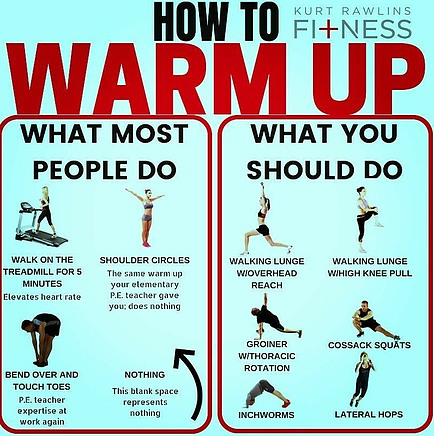
Dynamic stretching is a method of exercise that requires moving different body parts through their complete range of motion. Incorporating exercises like leg swings, arm circles, and walking lunges in your pre-workout routine will help prepare your muscles for the specific movements during your workout. Dynamic stretching allows you to take control of your performance and achieve better results.

Cardiovascular Exercise:

You can warm up before your main workout by doing cardiovascular exercises such as jogging, cycling, or jumping jacks. It helps to prepare your muscles for more intense physical activity. Additionally, it helps improve endurance and overall cardiovascular fitness.

Joint Mobilization:

Joint mobilization exercises, like wrist circles, shoulder rolls, or ankle rotations, are your body’s best defense against injury. This proactive approach to fitness enhances your performance and gives you the confidence to know you’re reducing your risk of injury during exercise.

Specific Movements:

An effective warm-up routine must incorporate specific movements related to your chosen exercise or sport. These movements mimic your actions during your workout and help activate the muscles involved. For example, if you are about to engage in weightlifting, performing a few sets of light weights with proper form can prepare your muscles for the heavier loads.

Dynamic and static stretches, each playing a unique role, significantly enhance your workout routine. Dynamic stretches require you to move your body parts through a complete range of motion; in contrast, static stretches involve:

  • “Stretching a muscle and holding it in a fixed position for an extended period without any movement.”
  • We are reaching a particular position.
  • They are holding it for 15-60 seconds.

The Benefits of Dynamic Stretches

Performing dynamic stretches before exercising can enhance overall performance by increasing body temperature and muscle blood flow.

The Benefits of Static Stretches

Static stretches, on the other hand, offer a calming and soothing effect. While dynamic stretches are generally recommended before exercising, static stretches still have their place in a well-rounded stretching routine. They are most effective after a workout or during a separate stretching session. Improving flexibility and elongating muscles promotes better posture and reduces muscle soreness.

The Importance of Warm-Up

Before diving into the ideal time allocation for warm-up, it is crucial to understand why it is necessary. Warm-up exercises gradually increase heart rate and body temperature, which helps loosen up muscles and joints. This process enhances flexibility and range of motion, making performing exercises correctly and efficiently easier.

Duration of Warm-Up

The duration of a warm-up can vary depending on age, fitness level, and workout intensity. As a general guideline, a warm-up should last between 5 to 10 minutes. This timeframe allows the body to prepare without exhausting energy reserves during the main workout. However, a longer warm-up may be necessary for more intense activities or high-impact sports. Athletes in competitive sports often allocate 15 to 20 minutes for warm-up exercises to ensure optimal performance and injury prevention.

Components of Warm-Up

A well-rounded warm-up routine typically includes several components. Gradually increase your heart rate with light aerobic exercise, like jogging or brisk walking. Follow this with dynamic stretches that target major muscle groups, focusing on movements that mimic those used during the main workout. Incorporating sport-specific drills or exercises can also be beneficial, especially for athletes. Finally, it is essential to listen to your body during warm-up. Modify or skip specific exercises to prevent injury if any discomfort or pain arises.

Cardio Exercises:

A dynamic warm-up routine is essential for cardio exercises like running, cycling, or swimming. Follow this with dynamic stretches such as high knees, butt kicks, or leg swings to further loosen up the lower body. Incorporating arm swings or shoulder rolls can also help warm the upper body.

Strength Exercises:

Start with a few minutes of light cardio activity to get your blood flowing. Then, perform dynamic stretches targeting the major muscle groups you will work on. For example, lunges or squats can help warm the legs, while arm circles or push-ups can prepare the upper body.

Flexibility Exercises:

Flexibility exercises such as yoga or Pilates require a specific warm-up routine to enhance joint mobility and prevent muscle strains. Begin with gentle movements like neck rolls, shoulder rotations, or wrist circles to warm up the upper body. Then, move on to dynamic stretches targeting the major muscle groups in your flexibility workout. For example, leg swings or hip circles can help warm the lower body.

Indoor Warm-Up

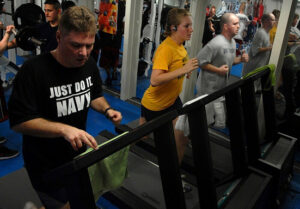
When it comes to indoor warm-ups, one of the primary advantages is the controlled environment. Individuals can regulate temperature, humidity, and lighting conditions to suit their preferences. This controlled setting allows for consistent warm-up routines, regardless of external factors like weather or time of day. Additionally, indoor spaces often provide a range of equipment and facilities for warm-ups, such as treadmills, stationary bikes, or stretching mats. These resources can enhance the warm-up experience by offering a variety of exercises and stretching options.

Outdoor Warm-Up

Outdoor warm-ups provide a unique set of advantages. Firstly, being in nature can positively impact mental well-being, reducing stress and increasing motivation. The changing scenery and fresh air can create a more enjoyable warm-up experience.

https://www.wealthyaffiliate.com?a_aid=352a86b2
Best Triceps Exercises For Woman

https://weightliftingforpower.com/best-triceps-exercises-for-woman/exercise-for-strength/admin/


Womens triceps workouts

I’m here to empower you with practical triceps exercises tailored specifically for women. Building strong triceps is essential for the aesthetic of toned arms and gaining functional strength in daily activities, giving you a sense of control and independence.

First and foremost, mastering the correct form is a triumph in itself. Make sure you’re maximizing each exercise while minimizing the risk of injury. Now, let’s explore some exercises that have proven beneficial for women aiming to strengthen their triceps.

The close-grip bench press is a potent exercise that has the potential to enhance one’s self-confidence.”It is an exercise that involves multiple muscle groups simultaneously, focusing on the triceps muscle.”The beauty of this exercise is that it can be adapted to suit your level of experience and strength, making it a reliable choice for everyone.

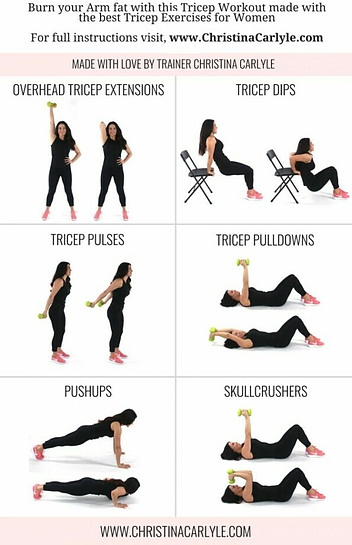
You can perform tricep dips anywhere, from the park to your living room. These target your triceps by using your body weight as resistance.

Skull crushers are another brilliant choice. They isolate your triceps, which helps sculpt and define your arm muscles. You’ll specifically target the tricep muscles throughout the movement by lying on a bench and using dumbbells.

Then there’s the overhead tricep extension. This exercise works the entire tricep muscle, providing a comprehensive workout that contributes to better arm shape and functional upper-body strength.

For a low-impact option, resistance band tricep pull-downs are superb. They’re gentler on the joints, providing enough resistance to tone and strengthen your triceps.

These exercises offer a way to incorporate an effective tricep workout into your fitness routine. It’s crucial to ensure that this particular muscle group is well-balanced; dips play a significant role in maintaining a well-balanced upper-body development.

It’s better to start at a comfortable level and progressively increase your intensity. If you’re new to these exercises, be mindful of how much you’re pushing yourself, as overworking your muscles can lead to setbacks rather than progress.

https://www.wealthyaffiliate.com?a_aid=352a86b2
Best Triceps Exercises For Woman

The Best Tricep Workouts At Home

https://weightliftingforpower.com/best tricep workouts Best Tricep Workouts

The Best Tricep Workouts At Home

Best Tricep Workouts

I’ve found that one of the keys to balanced arm strength and aesthetics lies in paying attention to the tricep muscles. Most people at home work towards impressive biceps, but the triceps fill out the arm and contribute to that sought-after definition.

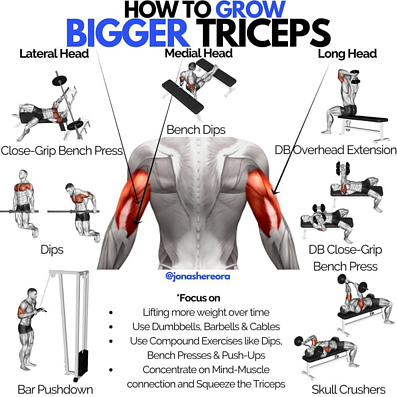
Before we jump into workouts, I think it’s crucial to understand the tricep muscles a bit better. Comprising three heads – the long, medial, and lateral – the triceps are primarily responsible for the extension of the elbow joint, which means straightening the arm. And the best part? You can effectively train them right at home.

Home workouts come with a significant advantage – convenience. There’s no travel time or waiting for equipment, and you can easily fit them into your day. This accessibility promotes consistency, the cornerstone of any successful fitness program.

Now, let’s cover five tricep exercises that are not only effective but can also be done at home with little to no equipment:

– Push-ups: Push-ups are not just for your chest; they also engage your triceps, especially when you bring your hands closer together.

– Tricep dips: You can do these on the edge of a chair or a sturdy surface. Focus on using your arms, not your legs, to lift your body.

tricep workouts

– Overhead tricep extensions: Grab a water bottle or any weighted object at home and extend your arms overhead, focusing on moving only your forearms.

– Diamond push-ups: Place your hands together to form a diamond shape with your fingers; this variation increases tricep activation.

– Lying tricep extensions: Lie on the floor with a weight or book and extend your arms, keeping your elbows stationary.

In each exercise, make sure to pay attention to form. Proper technique prevents injury and ensures you’re engaging the triceps effectively. Not to mention, it makes your workout more efficient.

Consider these additional tips for crafting your at-home tricep routine:

– Aim for two to three sets of 8 to 15 repetitions for each exercise.

– Rest for 60 seconds between sets to allow your muscles to recover.

– Repeat your tricep workout two to three times a week for optimal results.

You’ll want to keep pushing your muscles to adapt and grow, which is where progressive overload comes into play. But more on this in the next section, so keep reading. Remember, your triceps are more than just arm candy; they’re vital to a solid and functional upper body.

Maximizing Your Tricep Training: Strategies for Progressive Overload

The concept of progressive overload is a cornerstone in strength training. It refers to gradually increasing the demands on your musculoskeletal system, stimulating muscle growth, and increasing strength. You can consistently challenge your triceps with more difficult workouts to ensure continuous improvement and avoid plateaus.

You might wonder how to apply progressive overload without a full rack of weights at home. It’s simpler than you might think. You can start by increasing the number of repetitions or sets in your tricep workouts. Once you can comfortably complete more reps, it’s time to add resistance. Household items like filled water bottles or backpacks can serve as makeshift weights.

Another effective way to introduce progressive overload is by modifying the exercises to make them more challenging. For instance, if you’re performing tricep dips, placing your feet on a raised surface will increase the difficulty. Push-ups can be evolved into diamond push-ups, emphasizing your tricep muscles more.

Rest and recovery are as vital to your progress as the workouts themselves. Your muscles need time to repair and grow stronger. Ensure you get adequate sleep and give your triceps at least 48 hours of rest before targeting them again.

Sometimes, you might hit a plateau or need specialized guidance to tweak your routine for better results. Online resources, virtual training sessions, or even a short-term gym membership can provide new insights and techniques to enhance your tricep training.

https://www.wealthyaffiliate.com?a_aid=352a86b2
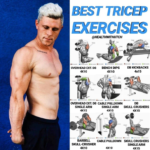
https://amzn.to/49H3aBL

tricep workouts

best tricep workouts

The Best Tricep Exercises For Men

https://weightliftingforpower.com/the-best-tricep-exercises-for-men/exercise-for-strength/admin/


The Best Tricep Exercises For Men

When I set out to improve my arm strength and appearance, I quickly realized that the triceps couldn’t be an afterthought. Dedicating time to build these muscles is crucial for well-rounded and proportional arm development. Triceps aren’t just for show; they’re essential for pushing movements and overall upper body strength.

The back of the upper arm is where the tricep muscle resides, featuring its three distinct heads: the long, medial, and lateral heads. Getting familiar with this structure helps me understand why each head needs targeted exercises for adequate growth.

I prioritize form to maximize gains and prevent injury. After intense training, I fuel my body with the proper nutrients to support muscle repair and growth.

So, what kind of exercises hone in on this powerhouse muscle? In the following section, I’ll delve into the staple movements that build a solid tricep foundation, suitable for beginners and seasoned lifters.

The Fundamental Tricep Exercises for Muscle Growth

Success with tricep training starts with nailing the basics. You’ll want to prioritize movements that recruit all three heads of the tricep muscle for balanced growth. Here’s where I recommend you focus your efforts:

The Close-grip Bench Press is a stellar choice for building mass. Bringing your hands closer together on the bar emphasizes the triceps more than in a traditional bench press. Keep your elbows tucked, lower the bar to your mid-chest, and press up powerfully.

Next, Skull Crushers, also known as Lying Tricep Extensions, are a must-do. They isolate the triceps like few other exercises can. Lie on a flat bench with arms straight up, and carefully lower the weight behind your head before extending back to the start position. Keep your elbows fixed in place to hit those triceps.

They can be on parallel bars at the gym or a sturdy piece of furniture at home. To perform the exercise:

  1. Execute the specified physical activity by bringing your body downwards to the extent where your shoulders are below your elbows.
  2. Push yourself back up to the starting position.
  3. Maintain proper form throughout the movement. You can adjust your foot position or add weight to modify the intensity if you’re more advanced.

Incorporating these exercises into your routine lays the foundation for substantial tricep growth. I suggest hitting the triceps twice weekly and prioritizing these exercises in your workouts. Consistency and proper form are non-negotiable for muscle growth and avoiding injury.

Advanced Tricep Techniques for Experienced Lifters

If you’re well-acquainted with tricep training, you know that sticking with the basics can only take you so far. Advanced techniques can break plateaus and inject new life into your workouts. I’ll show you how to safely up the ante.

Board presses are a powerlifter’s secret weapon for tricep strength, particularly at the lockout phase. You’ll use a wooden board on your chest to reduce the range of motion, laser-targeting the triceps. This focus can lead to impressive gains in both size and strength.

Next, consider weighted dips. Once bodyweight dips become too easy, adding weight through a belt or vest can significantly increase the challenge. Remember to keep your form strict to prevent shoulder strain and get full tricep activation.

When performed with substantial weights, overhead tricep extensions demand a lot from the long head of your tricep. Many lifters neglect overhead work, but remember, the long head is crucial for that coveted horseshoe shape.

As you explore these advanced moves, listening to your body is essential. Overtraining your triceps leads to both poor results and the risk of injury. Make sure that you’re giving your muscles the recovery time they need.

Crafting a Balanced Workout Routine: Beyond Isolation

A significant key to enhancing your triceps isn’t just about what exercises you do; it’s also about how you fit them into your overall workout routine. Compound movements, like push-ups, bench presses, and shoulder presses, can significantly contribute to your triceps’ growth.

When it comes to building muscle, your approach to training can significantly influence your results. Your focus should be on lower rep ranges with heavier weights for strength. Conversely, for muscle size (hypertrophy), you’ll want higher rep ranges with moderate weight, ensuring you’re working the muscles to fatigue.

One element often overlooked is the significance of recovery. Your muscles need time to repair and grow, especially for smaller muscle groups like the triceps. Make sure to give your triceps ample rest between intense workouts — typically, 48 to 72 hours.

Here’s an example of how you structure a weekly tricep routine: Begin with compound movements earlier in the week and target triceps more directly with isolation exercises closer to the weekend. Always listen to your body and adjust the routine to match your recovery needs.

https://www.wealthyaffiliate.com?a_aid=352a86b2

Top 10 Cardiovascular Exercises

https://weightliftingforpower.com/Top-10-Cardiovascular-Exercises/exercise-for-strength/admin/


Top 10 Cardiovascular Exercises

Understanding cardiovascular exercise is essential if you’re looking to enhance your health and vitality. Often called ‘cardio,’ these activities raise your heart rate, bolster heart health, and even improve mood and energy levels.

Cardiovascular fitness refers to the body’s ability to transport oxygen during physical activity.

I understand that embarking on a new fitness regimen can be daunting. Rest assured that whether you’re a seasoned athlete or just looking to start, this guide offers practical advice suitable for all fitness levels.

The ultimate goal here is to present you with various options that you can tailor to your fitness journey. Because let’s face it, we all have unique lives and schedules, so flexibility and adaptability in our exercise routines isn’t just lovely—it’s necessary.

The Impact of Consistent Cardio Exercise

Consistent cardio exercise is not just a routine; it’s an investment in your future health. When you commit to regular cardiovascular activity, you set a powerful ripple in motion. Your heart becomes more robust, your stamina improves, and your body thanks you in myriad ways.

Consider the long-term health benefits of this commitment. By managing weight and improving cholesterol levels, you’re setting the stage for a healthier life trajectory.

But how can you integrate cardio into your daily life? For many, the idea can be daunting amidst busy schedules. Yet, it’s about finding moments of opportunity. Practical strategies include:

  • A brisk walk during lunch breaks.
  • Cycling to work.
  • A quick jump rope session in the morning.

Hearing from others can be incredibly motivating. Individuals who have embraced cardio fitness share inspiring stories of transformation. By hearing their challenges and triumphs, you can find the motivation to fuel your journey toward better health.

Top 10 Cardiovascular Exercises for Optimal Health

Suitable cardiovascular activities strengthen the heart and help you manage weight, reduce stress, and increase endurance. Here are ten of the best cardio exercises that I recommend for a solid and healthy cardiovascular system:

Running or Jogging: This classic cardiovascular workout enhances heart health and improves lung capacity while effectively burning calories. Whether on a treadmill or outdoors, ensure proper footwear to prevent injuries.

Cycling: Low-impact and great for all ages. It’s excellent for building leg strength and boosting cardiovascular endurance.

Swimming: Engage your whole body in a swim session to enhance heart health without putting strain on the joints. Plus, it’s a refreshing way to perform cardio, especially in the warmer months.

High-Intensity Interval Training (HIIT): Short bursts of intense activity followed by rest periods can skyrocket your heart rate and metabolism. HIIT sessions can be quick yet highly effective for cardiovascular fitness.

Jump Rope: An inexpensive and fun way to get your heart racing. Jumping rope can improve coordination and cognitive function along with cardiovascular benefits.

Rowing: A full-body workout that hits almost every major muscle group, rowing is especially beneficial for heart health due to its combination of cardiovascular and strength elements.

Boxing or Kickboxing: These engaging and energetic disciplines provide a powerful cardio workout while teaching self-defense techniques.

Dancing: Whether it’s a structured class or just moving to the music at home, dancing raises your heart rate while allowing you to express yourself creatively.

Power Walking: A more accessible form of cardio for those who prefer a lower-impact exercise. If you maintain a brisk pace, power walking can be equally effective as running.

Stair Climbing: Using either a stair climber machine or actual stairs, this exercise not only increases your heart rate but also tones the lower body.

Cardiovascular exercise suits everyone regardless of personal preference or current fitness level. The key is choosing activities you enjoy so it becomes easier to stick with them over time.

Integrating Cardio into Your Lifestyle

Making cardio a core part of your routine might seem challenging initially, but it can become second nature with a strategic approach. I’ll share practical strategies to ensure you start and stick to your cardiovascular workouts. Remember, the key is consistency, and here’s how to achieve it.

First, consider your current lifestyle and pinpoint the best times for cardio. Whether it’s early morning jogs or brisk lunchtime walks, syncing exercise with your schedule is essential. Next, mix things up to keep boredom at bay. Combine exercises from the top 10 list to maintain motivation and engage various muscle groups.

Don’t shy away from using technology to your benefit. Fitness trackers and apps can help you monitor progress and provide a virtual pat on the back. But be mindful not to get too hung up on the numbers. Your focus should be on how the exercise makes you feel—invigorated, stronger, and healthier.

Incorporate social elements by joining classes or groups. Exercising with others can offer extra motivation and make your cardio workouts more enjoyable. Your journey to cardiovascular health is personal, and what matters most is finding a routine you can adhere to.

Lastly, balance is critical. Alongside cardiovascular exercises, ensure you engage in strength training and allow time for recovery. Listen to your body; if you need to take a day off, do so without guilt. The road to cardiovascular health is a marathon, not a sprint. By adopting these practices with patience and perseverance, cardiovascular workouts will be a rewarding, beneficial part of your everyday life.

https://www.wealthyaffiliate.com?a_aid=352a86b2

Top 10 Cardiovascular Exercises

Best Flat Barbell Bench Press Now

https://weightliftingforpower.com/flat-barbell-bench-press/exercise-for-strength/admin/

Flat barbell bench press

I’m here to help you with one of the cornerstone exercises in strength training: the flat barbell bench press. It’s a staple in gyms across the globe, and for a good reason. This fundamental movement is not just a measure of upper body strength; it’s a whole symphony where multiple muscle groups harmonize to create powerful lifts.

What happens when you lie on that bench and press the weight upwards? The primary players are your pectoral muscles, with the triceps and deltoids providing crucial support. And let’s not overlook the unsung heroes: the stabilizer muscles like your abs and lats that ensure you can perform the lift effectively and without injury.

The setup is critical before you grip the bar and start pumping out reps. Your back should be flat against the bench, your feet firmly planted on the ground, and the barbell hovering above your lower chest. It’s as much about alignment and balance as it is about strength.

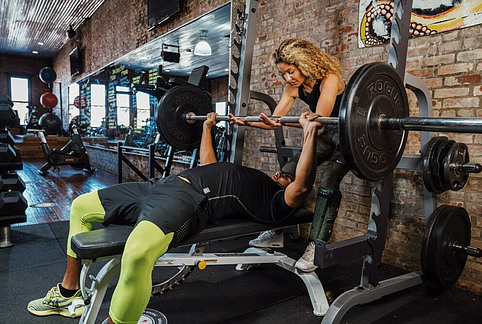
Safety, especially when you’re hoisting hefty weights. It is a spotter, especially as you start trying heavier lifts. They’re there to save you in case of failure and provide feedback on your form.

Mastering the Technique for Maximum Gains

The heart of a successful flat barbell bench press lies in nailing the perfect form. Start by placing your feet flat on the ground, ensuring a natural arch in your lower back, and firmly planting your shoulders against the bench.

Breathing, yet it’s crucial for powerlifting. Take a deep breath before you lower the barbell to your chest. Hold it to keep your core tight and stable, then exhale as you press up. This technique improves stability and increases your strength during the lift. Ensure you don’t hold your breath too long—you’re working out, not deep-sea diving!

It’s common to see lifters flaring their elbows out, but this can put undue stress on your shoulders. Instead, aim for about a 75-degree angle between your arms and torso; this maximizes pectoral engagement while sparing your shoulder joints. Regarding grip, go for a width that allows your forearms to be vertical when the bar is at chest level. Choosing something that resonates with you regarding comfort and strength is critical.

Harnessing the mind-muscle connection is not some mystical art; it’s a practical technique to enhance your lifts. Visualize your chest muscles driving the bar upwards. This focused approach often results in better form and more effective workouts.

Now, transitioning to the next section, I will show you how to weave the flat barbell bench press into your regular exercise routine to align with your fitness goals, whether building muscle, gaining strength, or both.

Integrating Flat Barbell Bench Press into Your Workout Routine

Determining the right weight and rep range for your goals is crucial when integrating the flat barbell bench press into your workout routine. It isn’t just about lifting as heavy as possible; it’s about lifting. It chooses a weight that enables you to do 8-12 repetitions while maintaining proper form. Over time, you can adjust the weight and reps based on your specific strength, hypertrophy, or endurance objectives.

Bench press variations are critical to a well-rounded chest workout. Including incline or decline bench presses can target different areas of the chest, offering a comprehensive approach to muscle development. Employing dumbbells or different grip widths can diversify your routine further and challenge your muscles in new ways.

Creating a balanced workout means incorporating exercises that complement the bench press. Exercises like push-ups, flies, and overhead presses can enhance chest development and ensure that you’re building strength and stability across different movement patterns.

Finally, pay attention to the necessity of progressive overload for consistent strength and muscle growth. That will include gradually increasing the weight you lift, the number of reps, or the frequency of your bench press sessions. Your muscles need a challenge to grow, but remember, your first attempt doesn’t need to be your last, and steady progress is more sustainable and effective in the long run.

Advanced Strategies for Plateau-Breaking Progress

You’ll learn about stepping up your game with the flat barbell bench press. You’ve been consistent with your workouts, but suddenly, you hit that frustrating plateau. Don’t worry too much about it; it’s a standard part of any fitness journey. It means it’s time to shake things up a bit.

If you want to beef up the intensity of your bench press, there’s a lot of opportunity in techniques like drop sets, pyramids, and negatives. Choose something that resonates with you, something that you feel will challenge you but won’t compromise your form or safety.

You can constantly adjust your approach, but incorporating accessory exercises is powerful. It isn’t just about working your pecs and empowering the supporting cast—your shoulders, triceps, and even your back.

It’s essential to remember that giving your body time to rest and recover is as vital as the exercise routine itself. Your body repairs and strengthens during the rest periods. So, ensure you’re getting enough sleep and spacing out your bench press sessions to give your muscles the rest they deserve.

Nutritional considerations are the foundation of any good training program. It’s not just what you lift; it’s also what you eat.

Let’s remember hydration. Water is crucial in every workout, from facilitating muscle contractions to regulating temperature. While it may not seem directly linked to the bench press, proper hydration can significantly influence your performance.

Your first attempt at ramping up your bench press routine can be something other than your last or your only approach. Just focus on something other than perfection; aim for progression. Combining innovative training with dedication and proper nutrition, you’ll blast through plateaus and see impressive gains.

https://www.wealthyaffiliate.com?a_aid=352a86b2

Smith Machine Exercises

https://weightliftingforpower.com/smith-machine-exercises/exercise-for-strength/admin/


smith machine exercises

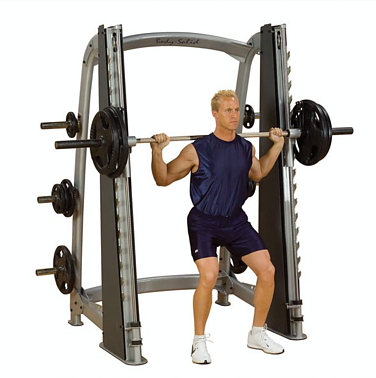
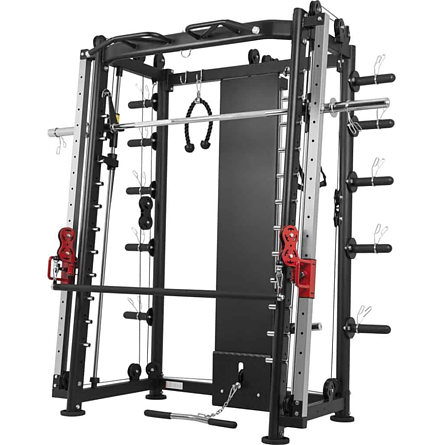
Today, I’ll discuss the Smith machine, a staple in gyms that can be a valuable tool in your fitness routine if appropriately used. It’s that metal contraption with a barbell fixed within steel rails, allowing vertical or near-vertical movement.

When it comes to the Smith Machine, it’s not just about lifting weights; it’s about doing so with an added level of safety and stability. Especially for those working out solo, the self-spotting mechanism of the machine ensures you can push your limits without a spotter.

You might be eyeing those free weights and wondering if the Smith Machine can measure up. Sure, free weights have their place for dynamic, compound movements that engage stabilizing muscles, but sometimes, you want to isolate specific muscles, and that’s where the Smith Machine shines.

Proper setup is vital to getting the most out of the Smith Machine. I’m here to help you adjust the bar height, select the correct weights, and understand safety locks. Remember, a good setup is central to a practical, injury-free workout experience.

Imagine pushing against the bar with perfect form, focusing on each muscle contraction. That’s the strategy I like to leverage with the Smith Machine – controlled movement and precision. You’ll find out how to apply this as we jump into targeted exercises for the upper body in the next section.

Upper Body Sculpting: Smith Machine Workouts

I will guide you through practical upper body exercises using the Smith Machine. These movements are excellent because they allow you to focus on proper form and progressively load the weight without needing a spotter.

First up is the Smith Machine bench press. It is a fantastic exercise for building your chest muscles. The fixed path of the bar allows for a steady lift, which is great if you’re working out alone. I’ll guide you on how to position yourself correctly to maximize your efforts and minimize the risk of injury.

The Smith Machine overhead press for targeting your shoulders is different. It’s a solid alternative to the traditional dumbbell or barbell press, providing stability to help you better isolate the shoulder muscles. You’ll learn about this powerhouse move’s correct grip width and body positioning.

When it comes to building a more muscular back, the Smith Machine does not disappoint. I’ll show you how to perform Smith Machine rows. By adjusting your grip and stance, you can target different areas of your back, which is essential for balanced muscle development.

And it’s not just about the large muscle groups; let’s talk about the arms. You can perform precision bicep curls and tricep presses using the Smith Machine. These exercises help isolate each muscle group, leading to efficient and symmetrical arm growth.

Each exercise strengthens particular muscles and contributes to overall upper body power.

That’s the strategy I like to leverage for upper body gains, and it goes a long way, especially when you complement it with a solid lower body routine, which we’ll explore next. Strengthening your legs and glutes provides the foundation for a balanced physique. Stick with me, and I’ll dive into the best Smith Machine workouts to tone and strengthen your lower body.

Lower Body Gains: Smith Machine Exercises for Toned Legs and Glutes

If you’re eager to amp up your lower body training, the Smith Machine is your gym buddy. I will walk you through some fundamentals of carving out those legs and glutes with the precision of a sculptor.

Let’s kick off with squats on the Smith Machine. It isn’t just about dropping down and standing up; it’s about nailing that form for maximum impact. Keep your feet shoulder-width apart, drive through the heels, and maintain that solid back posture.

Lunges are next on the roster, and trust me, they’re versatile. You can step forward, backward, or even lateral to hit different angles of your legs and glutes. And with the Smith Machine, you’re getting that extra stability to push through each rep.

Regarding deadlifts, the Smith Machine is more forgiving on your form, but that doesn’t mean you should slack. Hinge at the hips, keep the back straight, and let those hamstrings and glutes do the lifting – that will include keeping the bar close to your legs for a full range of motion.

Remember those calf raises. By raising your heels against the resistance, you’re targeting the often neglected lower leg muscles. Just find a raised platform, position your toes on it, and let those calves rise and fall like a drumbeat.

After carving out those toned muscles, you’re probably thinking about what’s next. We’ll stitch it all together in a holistic full-body Smith Machine routine, so hang tight as we combine what we’ve tackled with some upper-body magic.

Full-Body Smith Machine Routines for Comprehensive Development

Now that you’ve got the scoop on how to work your upper and lower body, let’s wrap things up with full-body routines that harness the Smith Machine’s versatility. What’s great about the Smith Machine is that you can practically hit every muscle group with creativity and strategic exercise choices.

When putting together a full-body routine, the aim is to engage multiple muscle groups within the same workout. It isn’t just about saving time; it’s also about efficiency. I’ll give you some pointers on choosing exercises that complement each other and how to order them for optimal performance.

I will share a typical weekly Smith Machine workout plan that balances muscle work and rest. Remember, your muscles need downtime to repair and grow, so a well-spaced workout regime is crucial. “You can always modify your approach according to speed and advancement.”

Lastly, checking in with yourself and measuring progress is critical. Keep an eye out for strength improvements, changes in muscle tone, and how the exercises feel.

I hope you find these  Machine routines valuable in your fitness journey. Select exercises that resonate with you; remember to listen to your body. Safety is paramount, so always adhere to the correct form and don’t rush the process. With patience and persistence, you’ll see impressive results. Here’s to your strength and success!

https://www.wealthyaffiliate.com?a_aid=352a86b2
Smith Machine Hammer Strength Now

https://weightliftingforpower.com/smith-machine-hammer-strength/exercise-for-strength/admin/


Hammer smith machine for strength

Hammer Strength’s reputation for innovation and durability in the fitness industry is well-known. I’ve observed that gym enthusiasts and starting lifters often seek equipment that combines robust design with safety and effectiveness. A standout in this category is the Smith Machine Hammer Strength.

At its core, Hammer Strength technology prioritizes biomechanical engineering to mirror the body’s natural movement. The Smith Machine embodies this with a guided barbell track, offering stabilization, a clear advantage over free movements that can sometimes lead to injury if performed incorrectly.

The Smith Machine’s benefits are numerous. Beginners must learn weightlifting in a controlled environment to build confidence and proper technique. For advanced athletes, it allows for heavy lifting without needing a spotter, a significant perk for those training solo.

A point of debate is whether to choose traditional free weights or a Smith Machine. From my experience, the Smith Machine provides a focused workout by isolating specific muscle groups, which is particularly useful in a targeted strength program. It isn’t to say it should replace free weights entirely. Instead, it is a complementary tool to enhance a well-rounded fitness regimen.

Safety should never be an afterthought regarding exercise; this system has that in mind. The built-in safety hooks and the ability to re-rack the bar at any point give peace of mind, especially for those new to weightlifting.

Integrating this machine into a workout plan is straightforward. It can support a range of exercises, catering to the full spectrum of fitness goals, from building muscle to enhancing athletic performance. Whether focused on leg day or pushing through an upper body session, the Smith Machine has a place in your routine.

Leveraging Smith Machine Hammer Strength for Optimal Workouts

Getting the most out of a Smith Machine Hammer Strength system isn’t just about stepping up to the equipment and starting a random set of exercises. There’s a method to the madness. I’ll guide you through setting up and executing your workouts to maximize your gains efficiently.

Begin by familiarizing yourself with the setup. Adjust the bar to the correct height; make sure the safety stops are in place. It isn’t just about convenience; it’s about preventing injury and getting the lift-off to a solid start.

Now, let’s talk exercises. Squats, presses, rows – these are the staples. But it’s not enough to perform them; focus on proper form. The guided motion of the Smith Machine helps with this, but you still need to concentrate on engaging the correct muscles and maintaining a full range of motion.

If you’re seasoned and seeking a challenge, advanced techniques like pyramid sets or combining the Smith machine with resistance bands can revitalize your routine.

Personalization is key. Your exercise routine must align with your fitness objectives. Make the Smith Machine work for you, not against you, by building strength, increasing muscle mass, or improving endurance.

After your workout, don’t neglect the cooldown phase. Stretching and light activity can help with recovery and muscle growth. Equally important is the upkeep of the Smith Machine itself. Regular maintenance ensures it stays in top condition.

Finally, inspiration often comes from seeing the success of others. Look up stories of individuals who’ve achieved their fitness milestones using Hammer Strength machines. Let their journeys motivate you and show you what’s possible with dedication and the right tools.

https://www.wealthyaffiliate.com?a_aid=352a86b2