The Role Of Strength Training In Injury Prevention Now

https://weightliftingforpower.com/the-role-of-strength-training-in-injury-prevention/exercise-for-strength/admin/

The Role Of Strength Training In Injury Prevention Now

When I talk about strength training, I’m referring to a systematic approach that involves exercises designed to improve muscle performance and endurance. It’s not limited to lifting weights; it encompasses a variety of resistance exercises where muscles exert force against an external load.

At the physiological level, strength training sparks an adaptation process where your muscles grow more robust and efficient. It’s the body’s response to the demands placed upon it. These muscular adjustments don’t happen overnight; they result from consistent effort and intelligent training.

What sets strength training apart from other forms of exercise, like cardio or flexibility workouts? Cardio aims to improve heart and lung function, while flexibility training enhances the range of motion. Strength training explicitly targets muscle power, endurance, and size.

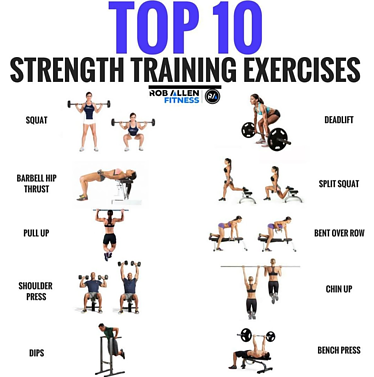
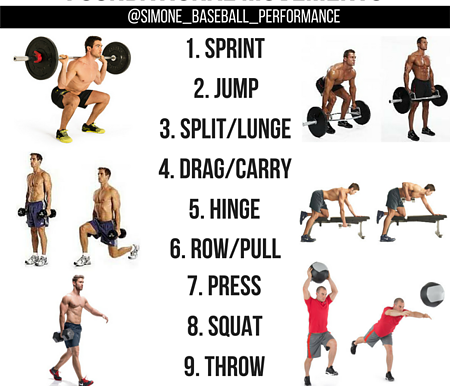
For injury prevention, I focus on exercises that strengthen muscles around critical joints and improve overall muscle balance. Examples include squats for the knees, deadlifts for the back, and shoulder presses for the shoulder joints. These exercises are pivotal in building a foundation to help keep injuries at bay.

The Importance of Strength in Protecting the Body

Muscles aren’t just for show. They’re fundamental to your body’s stability, balance, and structural integrity. Strong muscles support your joints, taking on stresses that would otherwise fall on bones, ligaments, and tendons, which are more prone to injury.

Imagine a well-coordinated team where each member knows their role, much like the muscles and joints in your body. When muscles are strong, they work in harmony, safeguarding joints during dynamic movements. Weaker muscles, however, might hand off too much responsibility to their teammates and the joints, leading to a higher chance of injury.

By focusing on strength training, you’re not just pumping up muscles but fine-tuning how your body holds and moves itself. Good posture isn’t just beneficial for your appearance; it’s crucial for preventing back and neck pain. Core strength, in particular, is central to maintaining this upright and pain-free posture.

Now, picture your body as a high-performing shock absorber. When you run, jump, or tackle an obstacle, the strength in your muscles absorbs the impact, reducing stress on your bones and joints. This capacity declines as you neglect muscle development, leaving your body vulnerable to nasty surprise impacts.

Beyond the immediate, acute risks—like those from a fall or sudden twist—ongoing strength training lessens the likelihood of overuse injuries. These sneaky culprits develop over time, often from repeating the same motions with poor form or imbalanced muscle development. Strength training corrects imbalances and reinforces proper movement mechanics.

So, with the know-how that solid and balanced muscles prevent injuries. But what does a practical, injury-preventing strength program look like? Let’s meet in the next section to put this knowledge into ACTION.

Integrating Strength Training into an Injury Prevention Routine

Creating an effective injury prevention strategy involves more than understanding the benefits of strength training; it demands a proactive and tailored approach to incorporating it into your routine. To begin with, assess your fitness level and the specific demands of your daily activities or sport. This step is crucial to design a strength program that addresses your unique needs and reduces the risk of injury.

Focus on technique is paramount. Correct form not only maximizes the effectiveness of each exercise but also minimizes the potential strain on muscles and joints. Seeking guidance from a professional, such as a certified personal trainer, can ensure you’re performing exercises with the proper technique.

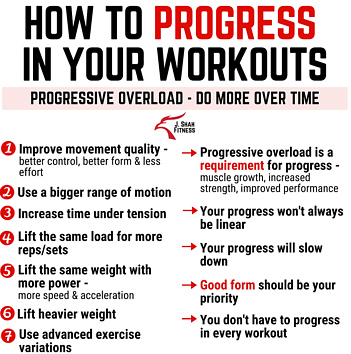
Introducing a logical progression in your strength training regimen is also essential. This approach allows your muscles to adapt, enhances strength gains, and avoids unnecessary stress that could lead to injuries.

Remember to integrate strength training with flexibility and mobility exercises. A well-rounded program promotes overall musculoskeletal health, critical to preventing injuries. Activities such as yoga or stretching provide the balance necessary to maintain a healthy range of motion alongside newfound muscle strength.

To illustrate the effectiveness of a well-implemented strength training routine, consider the success stories of various athletes and individuals who have incorporated these principles into their fitness regimen. Their experiences highlight reduced injury rates, improved performance, and quicker recovery.

By considering these aspects—personalized programming, proper technique, gradual progression, and a balanced approach—you’re setting a solid foundation for incorporating strength training into your injury prevention plan.
https://www.wealthyaffiliate.com?a_aid=352a86b2

How To Properly Execute Strength Training Exercises

https://weightliftingforpower.com/how-to-properly-execute-strength-training-exercises/exercise-for-strength/admin/

How To Properly Execute Strength Training Exercises

I believe in doing things right from the start. When I gear up for strength training, I first focus on setting clear goals. When setting fitness goals, it’s essential to make them realistic and achievable, whether aiming to build muscle, increase strength, or improve overall fitness. This way, you avoid setting yourself up for disappointment and ensure that each workout moves you closer to your objectives.

Next, you should wrap your head around exercise form and function basics. It’s not just about lifting weights; it’s about using the correct form to target specific muscles and minimize the risk of injury.

Nutrition and hydration are non-negotiable pre-workout essentials. A balanced meal a couple of hours before exercising and adequate water intake can significantly impact your performance and endurance.

Don’t skip your warm-up—it primes your muscles for the demands of heavy lifting and can significantly reduce your risk of injury. A dynamic warm-up that mimics the movements you’ll be performing is your best bet.

Lastly, choose the right gear. It might include supportive footwear, weightlifting gloves, or a comfortable outfit that won’t restrict movement. The right equipment can make a difference in your workout’s effectiveness and comfort level.

Now, with a solid groundwork laid, it’s crucial to translate these preparations into action. Proper technique, which I’ll talk about next, is at the heart of all practical strength training.

Proper Technique: The Core of Effective Strength Training

You’re more likely to see results when you pay close attention to how you execute each exercise. This second section focuses on the technical aspects that form the crux of practical strength training.

The idea of a mind-muscle connection isn’t just buzzword fluff. It’s about actively thinking of the muscle you’re targeting during an exercise, which can lead to better muscle recruitment and growth. Imagine the muscle fibers contracting with every lift and release.

Let’s discuss the ‘big four’ technique: stance, grip, posture, and movement. Your stance is your foundation; it must be stable and appropriate for the exercise. The grip is equally critical; it must be secure but not so tight that it compromises circulation or causes unnecessary strain. Posture is your form’s backbone – maintaining a neutral spine can prevent many injuries. Movement, the fourth pillar, refers to the path an exercise follows. Each movement should be deliberate and controlled, respecting your body’s natural mechanics.

Breathing might seem secondary, but it’s a game-changer. Exhale on the effort, and inhale as you return to your starting position. Proper breathing can increase power and prevent a dangerous spike in blood pressure.

Errors in technique are common, but the good news is they’re fixable. It pays to seek feedback from a trainer or use a mirror to self-correct. Paying attention to the pain that doesn’t feel right is vital. Discomfort is part of the workout process; sharp or persistent pain is a red flag.

I encourage you to embrace exercises at your current ability level. If a movement is too challenging, consider regressions to simpler versions. As you strengthen, for added intensity and complexity.

I’ll move on to how you can sustain and build upon your strength training achievements, ensuring your efforts today translate into continuous improvement tomorrow.

Maximizing Gains: Advancing Your Strength Training

The journey to enhancing strength isn’t solely about your exercises; it’s about strategically organizing your efforts to ensure ongoing progress. It’s your game plan for continuously challenging your muscles in new ways, thus avoiding the dreaded plateau.

No less crucial are rest days and incorporating active recovery into your routine. It might seem counterintuitive, but muscle-building magic happens during rest, not just when you’re lifting weights. Rest days aren’t a sign of laziness; they’re an integral part of a sound training strategy, giving your muscles the time they need to repair and grow stronger.

Keeping a solid workout log is your roadmap to success. By diligently recording your workouts, you’re tracking your progress and identifying patterns and areas for improvement. It sharpens your focus and keeps you honest with your commitments.

What you eat has a profound impact on your strength training results. Coupling your workouts with the proper nutrition—the right mix of proteins, carbs, and fats—can significantly enhance muscle recovery and growth. The fuel drives your engine, so make sure you’re eating to support your training goals.

Finally, staying motivated is essential, as the path to increased strength and muscle mass is a marathon, not a sprint. Keep your eye on the prize and remind yourself why you started. Adjust your goals as you grow, celebrate the small victories along the way, and embrace the challenges; they prove that you’re pushing your limits and becoming a more robust version of yourself.

https://www.wealthyaffiliate.com?a_aid=352a86b2

The Benefits Of Strength Training For Weight Loss


https://weightliftingforpower.com/The-Benefits-Of-Strength-Training-For-Weight-Loss/exercise-for-strength/admin/

The Benefits Of Strength Training For Weight Loss

I want to shed light on a proven, effective method for weight loss — strength training. It often takes the backseat to its more famous counterpart, cardio, but its benefits to weight loss efforts are substantial.

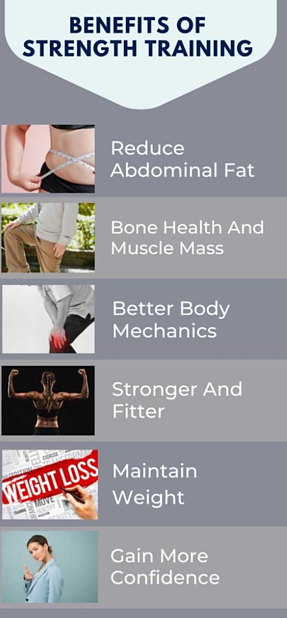
When you engage in consistent strength training, you’re enhancing muscle mass and boosting your metabolic rate. Well, muscle tissue burns more calories than fat tissue, even when you’re at rest. Strength training increases muscle mass and boosts metabolism for efficient calorie burn. Strength training increases muscle mass and boosts metabolism for efficient calorie burn.

Moreover, strength training is an investment in your body’s metabolic bank. Developing more muscle creates a higher ‘baseline’ for the number of calories you burn daily.

Considering the long-term benefits when comparing strength training with cardio for weight management is critical. Where cardio burns calories primarily during the activity, strength training ensures that the calorie-burning process continues well after the workout.

The proof is in the pudding, or the success stories of many who have turned to strength training and seen tangible weight loss results. From celebrities to everyday fitness enthusiasts, the strength training for weight loss narrative is intense and backed by personal triumphs.

Beyond the Scale: The Holistic Benefits of Strength Training

Weight loss often takes center stage when discussing fitness goals, but the advantages of strength training extend well beyond the mere numbers on a scale. By incorporating regular resistance exercises, you do more than transform your physique; you usher in a wealth of health improvements that touch numerous aspects of your life.

A notable benefit of a robust strength training routine is enhanced insulin sensitivity. As your muscles grow, they become better at utilizing glucose, which means your body can manage blood sugar levels more effectively—essential for overall health and particularly beneficial for those at risk of type 2 diabetes.

Your mind reaps the rewards from strength training, too. Studies show that resistance training improves mood and reduces anxiety and depression symptoms. This mental boost makes it easier to stick to your loss plan and improves your quality of life.

Let’s notice how strength training can positively influence your sleep quality. Getting good sleep is crucial for weight loss since it regulates appetite-controlling hormones. More muscle means better sleep, supporting your weight loss journey.

What does all this mean for you? It implies that by seamlessly integrating strength training into your lifestyle, you are shedding pounds and embarking toward longer-term health and well-being.

https://www.wealthyaffiliate.com?a_aid=352a86b2

10 Essential Strength Training Exercises For Beginners

https://weightliftingforpower.com/10-Essential-Strength-Training-Exercises-For-Beginners/exercise-for-strength/admin/

10 Essential Strength Training Exercises For Beginners

Strength training is not just for bodybuilders. It is a critical component of fitness that benefits people at all health and fitness levels, including beginners like you. At its core, strength training involves exercises that build muscle, improve balance, and increase endurance.

If you’re new to this, you might find lifting weights intimidating or worrying about getting hurt. You’re not alone. Many beginners share these concerns, but with proper guidance and technique, the injury risk and the benefits are substantial.

Incorporating resistance exercises into one’s workout regimen can enhance their capacity to perform everyday tasks, such as lifting groceries and ascending stairs. It’s about functional strength, which supports your joints and aids in everyday movement.

It’s all about mastering the proper form to keep you safe and make your efforts count. Trust me, the last thing you want is to sideline your fitness goals with an injury from incorrect lifting.

Getting Started: Equipment and Space You’ll Need

I remember how overwhelming it felt when I decided to kick off my strength training journey. Deciding on the right equipment without breaking the bank is a common hurdle. I’ll help you navigate this.

10 Essential Strength Training Exercises For Beginners

First, you don’t need a fancy gym membership or expensive gear. “Keeping a pair of dumbbells and resistance bands handy can be extremely beneficial as they are versatile and effective equipment for various exercises.” They can assist across all basic exercises, and they’re relatively inexpensive.

Your workout space doesn’t need to be huge. A small, precise area in a living room or garage is sufficient. Prioritize a non-slip surface and enough room for a yoga mat, ensuring a safe work environment.

Regarding guidance, while personal trainers are great, there are other options. Numerous free and paid apps and online videos can effectively guide your form and routine. What matters most is that the instructions are clear, and you feel comfortable with the pace.

Remember, strength training isn’t a sprint; it’s a marathon. Set yourself up for success by keeping goals realistic. Concrete objectives like ‘master the form of basic exercises in six weeks’ are more effective than vague goals like ‘get strong.’

This approach sets a solid foundation to move into the heart of your strength training: your routine. With your equipment ready and a safe space set up, let’s review the essential exercises that will form the backbone of your strength regimen.

The Beginner’s Routine: 10 Essential Exercises

10 Essential Strength Training Exercises For Beginners

If you’re new to strength training, these ten exercises serve as the pillars of a solid foundation. Mastering these movements paves the way for more complex routines. Each targets different muscle groups, ensuring a balanced workout.

10 Essential Strength Training Exercises For Beginners

Squats strengthen your lower body, touching your quads, hamstrings, and glutes. They mimic a fundamental human movement: sitting down and standing up. Start without weights to focus on form, then gradually add resistance.

“Performing ten push-ups is an essential workout for developing strength in the upper body. They help you develop not just your chest but also your shoulders, triceps, and core as stabilizers. Begin with your knees on the ground if a full push-up isn’t accessible yet.

Deadlifts are the powerhouse for posterior chain development, including muscles on your body’s backside. They’re essential for functional strength but require attention to form to avoid injury. Start with light weights or even a broomstick to nail the mechanics.

“Planks improve your posture and support for other lifts. Practice planks by holding the position for as long as you can maintain proper form, then work to increase that time.

Lunges train not only strength but also balance and coordination. They target your quadriceps, glutes, and hamstrings. Alternate legs to ensure both sides work equally and keep your upright posture throughout the movement.

Bent-over rows are a fantastic way to build muscular back and biceps. They also engage your core as you maintain the bent-over position. Ensure your back remains straight to protect your spine as you pull weights towards your torso.

Dumbbell Press focuses on your shoulders and triceps while sitting or standing. Keep a controlled tempo and steady breathing. As a compound movement, it helps develop upper body press strength that translates to everyday activities.

Bicep Curls are focused primarily on arm muscles, specifically the biceps. Be mindful to hinge at the elbows, not the shoulders. Avoid swinging the weights; control is vital.

Tricep Dips work the muscles on the back of your upper arm. Your body weight can be enough resistance when you’re starting. Focus on lowering and lifting yourself using your arms for ten reps.

Calf Raises might seem simple, but they’re vital for lower leg strength, affecting balance and agility. Start by practicing the exercise on a flat surface, then progress to a raised platform with only your toes touching to increase your range of motion.

You may wonder what’s next after setting these exercises into your routine. Let’s look at how you can sustain your efforts and continue to see improvements.

Sustainability and Progress: Next Steps After Mastering the Basics

10 Essential Strength Training Exercises For Beginners

You’ve taken the first striking strides into the world of strength training. Many beginners’ enthusiasm wanes after initial success, but it’s vital to keep moving forward.

Rest is not the enemy of progress – it’s a fundamental partner in your strength training journey. Knowing when to push harder and take a step back requires listening to your body and responding to its needs. Please pay attention to this delicate balance; it’s often the make-or-break factor in achieving long-term success.

Adding new exercises or upping the complexity injects fresh challenges that can catalyze further gains. Research, seek advice, and trust yourself to experiment with modifications that align with your growing capabilities.

10 Essential Strength Training Exercises For Beginners

The engine of your progress is different from what happens on the gym floor. Nutrition and adequate hydration amplify the effects of your training. Paying attention to what fuels you can make a substantial difference in recovery times, energy levels, and even the mental toughness required to tackle challenging workouts.

I’ll leave you with this: strength training is a study in self-improvement that goes beyond the physical. It teaches discipline, patience, and adaptability. Keep learning, keep challenging yourself, and above all, keep committed to the path you’ve started on. The strength you build will serve you in more ways than you can imagine.

https://www.wealthyaffiliate.com?a_aid=352a86b2

The Fundamentals Of Strength Training And How To Get Started

The Fundamentals Of Strength Training And How To Get Started

/

Strength training for bodybuilders or those who want to ‘bulk up.’ It’s a versatile discipline with benefits that extend far beyond muscle size. It involves exercises that improve your strength and endurance by challenging your muscles with resistance, such as from weights or your body weight.

Unlike cardio exercises, which focus on raising your heart rate, strength training teaches your muscles to handle more stress. Regular exercise is a vital part of overall fitness and health. Regular exercise benefits include managing weight, improving bone density, and reducing the risk of injury during daily activities.

Many people hesitate to start strength training due to concerns about getting excessively muscular or needing to know how to begin. However, these worries are misconceptions. Strength training results in a toned physique and increased functional strength, helping you efficiently perform everyday tasks.

Including strength training in your routine is not merely for aesthetics; it plays a pivotal role in maintaining a healthy and active lifestyle.

Now that you understand the basics and significance of strength training moving forward with the practical steps to start your journey is essential. The following section will guide you through setting achievable goals, preparing your training space, selecting the right equipment, and ensuring you begin clearly on the right foot.

Crafting Your Path: Getting Started with Strength Training

To step into strength training, clarify what you hope to achieve. Do you aim to build muscle, increase endurance, or improve overall health? Your goals shape your approach, informing the exercises you select, the intensity of your workouts, and the routine’s frequency.

If you’re considering a home gym, evaluate your space. Do you have room for a squat rack, or should you focus on adjustable dumbbells and resistance bands? Investing in quality equipment that fits your space is critical to sustaining a strength training practice.

Nutrition must be when strengthening your body. A diet that supports muscle recovery and growth is essential. Prioritize protein, integrate a variety of vegetables, and remember to hydrate. These steps will complement your strength training by nourishing your muscles and supplying the energy needed for intense workouts.

Your first strength training program can be simple. Start with fundamental exercises that work the major muscle groups. Think squats, presses, and deadlifts. Mastering these compound movements can yield better results and minimize injury risks.

Finally, schedule your workouts. Consistency is key. Initially, aim for two to three sessions weekly, allowing for recovery time between each. This pace will help your body adapt without being overwhelmed. Remember, rest is as critical as the exercise for building strength.

From Novice to Knowledgeable: Tips and Techniques for Progression

Identifying the principle of progressive overload is crucial as you advance in strength training. It’s about gradually increasing the weight, frequency, or number of repetitions in your workouts to challenge your muscles over time.

Mastering the proper techniques is just as important. Take the time to learn each exercise correctly.

There’s a time when a little professional guidance can go a long way. If you’re hitting a plateau or need clarification on forms and routines, consider hiring a certified personal trainer, even if it’s just a session or two, to get you on the right track.

https://www.wealthyaffiliate.com?a_aid=352a86b2

How To Design A Comprehensive Warm-up Routine

https://weightliftingforpower.com/how-to-design-a-comprehensive-warm-up-routine/exercise-for-strength/admin/

How To Design A Comprehensive Warm-up Routine

I will kick things off with this fundamental idea: Warming up is more than just a preliminary to your workout. The opening act sets the stage for your performance, whether you’re gearing up for a brisk run or prepping for a weightlifting session. Now, what exactly makes a warm-up comprehensive? Well, that’s about more than just breaking a slight sweat. A thorough warm-up routine prepares your body and mind for the physical activity.

So, why should you even bother with a warm-up? The benefits go beyond simple injury prevention. A proper warm-up routine can improve your muscular function, power output, and range of motion. Plus, warming up isn’t just about getting your muscles ready; it’s also about prepping your nervous system for the activities ahead, and there’s the psychological aspect: it can help increase your focus and performance anxiety management.

Keep in mind that there isn’t a one-size-fits-all approach. A genuinely effective warm-up should consider what you’re warming up for. Tailoring your fitness routine to your specific activity and fitness level, whether it’s yoga, sprinting, or soccer, is essential. An athlete’s warm-up will differ from what a weekend jogger does; that’s just common sense.

You’re probably curious about what goes into this kind of routine. And that’s what we’re going to look at next. It’s essential to recognize that several components, when combined, can contribute to a warm-up that covers all the necessary bases. A great warm-up has layers, each with its purpose, but when woven together, they create a comprehensive approach designed to get the best out of you.

Components of an Effective Warm-Up

I will take you through the nuts and bolts of assembling a warm-up regimen that doesn’t just prepare you for the session ahead but offers longer-term benefits for your physical health and performance. Choose something that resonates with you, and remember, you can constantly adjust your approach down the road.

Your warm-up should begin with something as simple as a light jog or brisk walking. It will include exercises that get your heart pumping and blood flowing to all body parts. It’s about gradually shifting from rest to activity, which helps minimize stress on your heart and muscles.

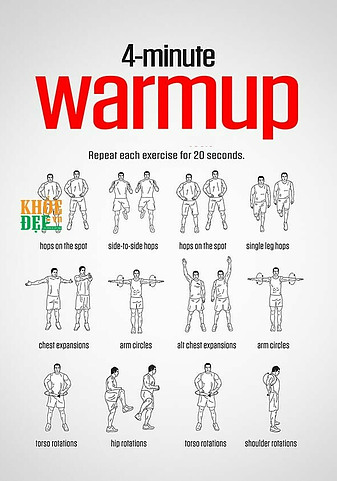
Next up: dynamic stretching. I can’t emphasize enough how dynamic stretches are pivotal in enhancing mobility. We’re talking about leg swings, arm circles, lunges with a twist – these movements stretch your muscles and closely mimic the activity you’re gearing up for. Don’t focus too much on perfection; the aim is to limber up, not perform acrobatics.

Let’s pay attention to the importance of sport-specific exercises. If you’re a swimmer, this might look like shadow swimming on dry land to rehearse your strokes. If tennis is your game, it means mimicking forehand and backhand swings. It’s also about the mental side – envisioning the movements helps lock in the muscle memory.

Finally, incorporate breathing techniques into your routine. Deep breaths can help oxygenate your system, reduce anxiety, and increase focus. So, as you throw those punches in the air or practice those golf swings, ensure your breathing is intentional and rhythmical.

Designing Your Warm-Up: Step-by-Step Instructions

I will take you through a structured approach to creating your warm-up routine. It will ensure you’re fully prepared for whatever workout lies ahead. First, assessing your workout is crucial: the sprint day’s warm-up looks vastly different from a yoga session’s. We aim for a warm-up that mirrors the intensity and nature of the exercise you’ll be doing.

Choose something that resonates with you when you’re creating a balanced routine. If you love the feeling of your heart rate rising, start with light jogging or skipping. Dynamic stretching should be a staple if it’s the flexibility you’re after. I’ve got a sample template for you, varying for different fitness levels, to start with. Remember, this isn’t a one-size-fits-all situation; don’t worry too much about rigidly sticking to the template.

Warm-up duration can be a gray area, but a good rule of thumb is to aim for 5-10 minutes, maybe a bit longer in colder weather. Speaking of which, constantly adapt to environmental conditions. If it’s chilly or you’re at altitude, give yourself extra time to get your muscles ready.

Guidelines for progression-wise: slowly ramp up the intensity and complexity of your warm-up as your fitness level improves. It keeps the body guessing and your muscles primed for new challenges.

Lastly, the most essential part is to listen to your body. It’s the best feedback system we’ve got. If the warm-up feels too easy or too challenging, adjust accordingly. No one knows your body better than you do, so use that knowledge to fine-tune your warm-up routine. Remember, your first attempt doesn’t need to be your last. You can constantly adjust your approach, refining it to be as effective as possible.

https://www.wealthyaffiliate.com?a_aid=352a86b2

Warm-up Exercises For Different Types Of Workouts

https://weightliftingforpower.com/warm-up-exercises-for-different-types-of-workouts/exercise-for-strength/admin/

Warm-up Exercises For Different Types Of Workouts

I often stress how crucial a proper warm-up is. Before you engage in any workout, you must prepare your body for the demands you’re about to place on it. Simple: warming up can help prevent injuries, and it can also significantly improve your performance.

When you warm up, you’re priming your muscles. They become more pliable because of the increased blood flow; your heart rate rises, prepping your cardiovascular system for the workout ahead. The chances of straining a muscle diminish because your body isn’t jumping from zero to sixty; it’s gradually ascending to the intensity of your chosen exercise.

Static stretching, where you hold a single position to lengthen and relax the muscle, also has its place, primarily after a workout or before engaging in more slow-paced exercise regimes.

Imagine getting ready for strength training or gearing up for a cardio session. The warm-ups I’m about to share align with the type of exercise to maximize effectiveness and safety.

Dynamic Warm-up Moves for High-Intensity Workouts

Before diving into a high-intensity workout, preparing your body for the upcoming burst of activity is essential. Dynamic warm-ups are crucial to revving your heart rate and priming your muscles for the challenges ahead. They involve movement-based stretches that mirror the workout you’re about to engage in, effectively telling your muscles, ‘Get ready to work!’.

Imagine stepping into your workout with muscles that are already alert and responsive. That’s what a good dynamic warm-up can do for you. Here, I’ll guide you through several dynamic stretches that target various muscle groups, all designed to sync with the demands of high-energy exercises. We’re talking about movements like leg swings, arm circles, and torso twists, each activating different parts of your body. I’ll separate fact from fiction and give you the practical steps to take before you hit those high-intensity intervals.

But it’s not just about any dynamic stretch; it’s about choosing the right ones for your activity. If you’re a runner, I’ll show you stretches that mimic your running gait. Basketball players, your warm-up will include jumps and side shuffles, simulating those on-court moves. It’s about specificity – honing in on the muscles and movements that will be front and center during your game or session.

How long should these dynamic stretches last? It’s tempting to rush through a warm-up to get to the main event, but investing five to ten minutes to limber up can make a dramatic difference in your performance and reduce injury risk. You’ll also get insights into the right intensity for these movements. Remember, the goal is to warm up, not wear out, before you even begin your actual workout.

By the time you finish this section, you’ll have a personal toolkit of dynamic stretches that you can adapt to almost any high-intensity exercise. Ready to get your muscles in motion? Then let’s jump in.

Mobilizing Muscle – Targeted Warm-ups for Strength Training

After exploring dynamic warm-ups that set the stage for high-energy activities, it’s essential to recognize the value of warm-ups catering to strength training regimes. Focused warm-up exercises activate the muscle groups you’ll engage during your session, preparing them for the intense work ahead and, crucially, fostering better muscle engagement and reducing the risk of strain.

I’ll walk you through how to execute targeted warm-up exercises for your upper body, lower body, and core. It isn’t just about preventing injuries; it’s also about setting the stage for your most effective workout. Think of it as priming the pump—you want everything ready for optimal performance when your muscles are awake and responsive.

Incorporating lighter weights or adding resistance via bands can magnify the benefits of these warm-ups, offering your muscles a sneak peek of the work to come. This method also bridges the gap between your warm-up and the actual lifting—you’re scaling up gradually, which can significantly improve your overall strength and endurance.

I’ll provide practical advice on the number of sets and repetitions to guide these warm-up exercises. Remember, the key is to stimulate, not exhaust, your muscles before you dive into the heavy lifting.

https://www.wealthyaffiliate.com?a_aid=352a86b2

The Science Behind Warm-up Exercises And Increased Performance NOW

https://weightliftingforpower.com/the-science-behind-warm-up-exercises-and-increased-performance/exercise-for-strength/admin/

The Science Behind Warm-up Exercises And Increased Performance

Imagine your body as a machine that requires preparation before jumping into action. That’s where warm-up exercises are crucial in priming the body for physical performance.

Muscles, quite like the engines in vehicles, operate best when they’re warmed up. During a warm-up, muscles prepare for exercise, reducing the risk of injury. Think of warm muscles as elastic bands that can stretch further and more easily bounce back.

Increased blood flow facilitated by warm-up exercises ensures your muscles are well-supplied with oxygen. It is essential because oxygen fuels the energy in muscle cells. So, consider a warm-up as a way to rev up your internal engine, ensuring it runs smoothly and efficiently from the start.

The nervous system also gets its share of benefits from a warm-up. Nerve impulses travel faster when temperatures are higher, so your reaction times can improve, and movements become more coordinated. This neurological wake-up call serves as optimal preparation for the more complex or strenuous activities to follow.

Beginning your workout with a warm-up can strengthen your focus and hone your mindset. It’s an opportunity to set intentions, visualize success, and shift into a performance state.

Understanding these physiological changes clarifies why skipping a warm-up is a missed opportunity. It prepares your muscles and heart and readies your brain and mind for the challenges ahead.

Critical Components of an Effective Warm-up

An effective warm-up is like turning the key in your car’s ignition before hitting the gas. The process gears up your body for the physical challenge ahead. Your warm-up should be a balanced blend of activities designed to prepare you mentally and physically for peak performance.

Dynamic stretches are central to activating your muscles. These are active movements where joints and muscles go through a full range of motion. They’re generally more beneficial before exercise than static stretches, which involve holding a position for some time. Dynamic stretching can improve both flexibility and motor performance simultaneously.

Warm-up routines need to include sport-specific activities that mimic the movements of your upcoming workout or sport. For a runner, this might consist of light jogging and side shuffles. For a swimmer, it might be arm circles and torso twists. These targeted exercises help your body adapt to specific movement patterns and reduce the risk of injury.

Paying attention to the cardiovascular component of a warm-up is essential, aiming to increase your heart rate gradually through aerobic exercises like cycling, brisk walking, or jumping jacks, which prepare your heart and lungs for strenuous activity.

Individual needs should dictate the intensity and duration of a warm-up. Some people might need a longer, low-intensity warm-up, while others may benefit from a shorter, more strenuous routine.

Measuring the Impact of Warm-ups on Performance

Turning our attention to evidence and outcomes, we must ground the conversation in research. Numerous studies confirm that a well-executed warm-up can enhance overall sports performance. The benefits aren’t just physical; they extend into the mental and emotional realms.

Improved endurance, strength, and agility are the most cited benefits of warming up. A body primed for intense activity is less likely to suffer strains or sprains.

Beyond the physical, warm-ups serve as a crucial mental preparation tool. They allow you to focus, engage with upcoming challenges, and transition your mindset from rest to high energy.

https://www.wealthyaffiliate.com?a_aid=352a86b2

Warm-up Exercises To Improve Flexibility And Mobility

https://weightliftingforpower.com/warm-up-exercises-to-improve-flexibility-and-mobility/exercise-for-strength/admin/

Warm-up Exercises To Improve Flexibility And Mobility

Flexibility exercises aren’t just for athletes or dancers; they’re a critical element of health for everyone. Flexibility refers to the complete extent of motion muscles and joints can achieve. It isn’t a frivolous detail; it’s a key component of your daily functioning, affecting how comfortably you can perform tasks from reaching for a high shelf to picking up something from the ground.

You might wonder about the difference between flexibility and mobility.

But why focus on flexibility? One primary reason is injury prevention. Flexible muscles are less prone to becoming tight and overworked, often leading to muscle strains and sprains. Stretching the muscles through warm-up exercises prepares them for activity and reduces the risk of injury.

Diving into the science, you’re working with your muscle fibers and connective tissues when you stretch. By applying gentle force during a stretch, muscle fibers improve their elasticity. That’s why a consistent stretching routine can lead to lasting improvements in flexibility over time.

Before you start stretching, it’s essential to understand the significance of warming up. Going into flexibility exercises with cold muscles can do more harm than good. Warm-up exercises gently prepare the body for stretching by increasing blood flow and muscle oxygen.

Tailoring Your Warm-up: Exercises for Enhanced Mobility

When it comes to improving mobility, not all exercises are created equal. You’ll want to focus on movements that prepare your body for activity and increase flexibility over time. Here’s a breakdown of the two primary types of stretches: static and dynamic.

Now, let’s detail some core warm-up exercises that can significantly enhance mobility:

Arm circles and shoulder shrugs to loosen the upper body.

Leg swings and walking lunges activate the lower limbs.

Torso twists and hip rotations to increase trunk mobility.

Cat-Cow stretches for spinal flexibility.

Guidance on the duration and frequency of warm-ups is straightforward: spend 5 to 10 minutes on your routine and warm up before any significant physical activity. This habit not only aids in flexibility but also serves as an investment in your body’s overall operational capacity.

Whether you are a beginner or an experienced athlete, including these exercises in your routine can significantly improve your flexibility.

From Flexibility to Functionality: Bridging Warm-ups to Everyday Movements

Warm-up exercises don’t just serve us in the gym or during a run; they are stepping stones to fluid, efficient daily movements. When you regularly integrate these exercises into your routine, your body adapts with improved mobility that can transform your everyday tasks, from lifting groceries to reaching high shelves.

You are maintaining a consistent warm-up routine impacts your ability to move freely and with less pain or risk of injury over the long term. It’s not an overnight change but a gradual enhancement of your body’s potential.

https://www.wealthyaffiliate.com?a_aid=352a86b2

Why Skipping Warm-up Can Lead To Injuries

Why Skipping Warm-up Can Lead To Injuries

https://weightliftingforpower.com/why-skipping-warm-up-can-lead-to-injuries/exercise-for-strength/admin/

A warm-up is far more than a preliminary exercise ritual; it is essential to any fitness regimen. It may not always seem necessary, so I’ll clarify why allocating those extra minutes before your workout can save you from injuries and setbacks.

An effective warm-up routine is about something other than hasty stretches or mindlessly jumping on a treadmill. Think of it as a tailored preparation for the muscles, joints, and cardiovascular system, gently signaling that it’s time to perform.

Physiologically, warming up is like informing your body of the upcoming physical challenge. It gradually raises your heart rate, lubricates joints, and increases blood flow, making muscles more pliable and responsive. These changes are critical; they significantly lower the likelihood of injuries such as muscle tears and ligament strains.

 Jumping into strenuous activity ‘cold’ can not only shock the system but also leave you mentally unprepared for the intensity of a workout. Conversely, a good warm-up can sharpen focus and improve the mind-muscle connection.

Despite its proven benefits, there’s a persistent belief that warm-ups are optional, especially among those pressed for time. But it’s worth noting that cutting corners here could mean losing far more time to injury recovery in the long run.

The Science Behind Warm-Up and Injury Risk

It’s not just personal trainers and coaches who tout the importance of a warm-up; there’s solid science supporting its role in injury prevention. When you gradually rev your body’s engine, you make biomechanical adjustments that prime your muscles and joints for the workload ahead. Think of your muscles as rubber bands. Cold, they’re inflexible and prone to snapping. Warmed up, they stretch easily and return to shape without damage.

An effective warm-up increases blood flow, raising muscle temperature. It is critical because warm muscles contract more forcefully and relax more quickly. Muscle elasticity improves as your body heats up, enhancing your performance and ability to absorb quick, unexpected moves that could otherwise lead to injury.

One particularly compelling study showed decreased muscle tears among athletes who performed dynamic warm-ups regularly.

Perhaps even more compelling is the inverse relationship between cold muscles and the risk of strains or sprains. Stiff muscles and joints are a recipe for injury. That’s why activities that require a high degree of flexibility and strength, such as gymnastics or weightlifting, insist on comprehensive warm-up exercises. Without easing into the physical demand, you’re asking your body to perform at its peak without laying the groundwork, significantly increasing the risk of injury.

Consequences of Skipping Your Warm-Up

It’s tempting to jump right into a workout, especially when time feels short. But doing so can be a disservice to your body. Injuries could occur from skipping a warm-up range from the minor, like a pulled muscle, to the more severe, such as a joint dislocation. These aren’t just uncomfortable setbacks; they can derail fitness goals permanently.

 Consistently neglecting to warm up can lead to chronic instability, exacerbate joint wear and tear, and increase the risk of recurring injuries that may impact life beyond the gym.

 Light cardiovascular movements for five to ten minutes increase your core temperature and blood circulation. Follow this with dynamic stretching that mimics the movements of your workout to ensure your muscles and joints are ready to handle the stress of exercise. Tailor your warm-up to your body’s needs and the demands of the activity ahead.

 Integrating an adequate warm-up routine is the smart way to care for your body regardless of your fitness level or sport. 

https://www.wealthyaffiliate.com?a_aid=352a86b2