Cardiovascular Exercise And Its Impact On Weight Loss Now

https://weightliftingforpower.com/cardiovascular-exercise-and-its-impact-on-weight-loss/exercise-for-strength/admin/

Cardiovascular Exercise And Its Impact On Weight Loss Now

When discussing cardiovascular exercise, also known as cardio, I’m referring to that essential cluster of activities that get the heart pumping faster and the body moving. Running, cycling, and swimming are prime examples, but many other forms exist. Regardless of your choice, the common thread is the rhythmic and sustained nature of these exercises, designed to strengthen the most vital muscle in your body: your heart.

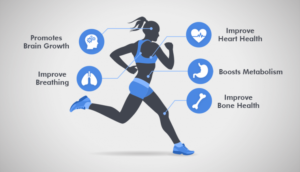
The link between cardio and weight loss revolves primarily around energy expenditure. As you engage in these activities, your body burns calories to fuel movement. The more vigorous the workout, the higher the calories you’ll burn, which can directly contribute to a caloric deficit needed for weight loss. But it’s not just about burning calories at the moment. Cardio exercises can also enhance the metabolism, which means your body keeps burning calories at a higher rate even after you’ve stopped exercising.

Understanding how heart rate affects fat burning is pivotal. There’s often talk about ‘fat-burning zones’ – specific heart rate ranges where the body purportedly shifts to use more fat as fuel. However, the key takeaway here shouldn’t be to obsess over precise heart rates but to maintain a steady level of exercise that challenges you enough without overexertion.

It’s also essential to clear the air on some myths about cardio and weight loss. One common claim is that cardio alone is all you need to lose weight effectively. Although it can be a powerful tool, it’s most effective when paired with a balanced diet and strength training exercises. Another misconception is that you must do long daily cardio sessions to see benefits. In reality, more than duration, consistency paves the way for success.

As you step into the role of your health advocate, I encourage you to take what you’ve learned here about the essentials of cardio and apply that knowledge as we proceed. Next, we will delve into the scientific specifics: the impact of cardiovascular exercise on weight loss and how to tailor it to your benefit.

Measuring the Impact: Cardiovascular Exercise’s Direct Effects on Weight Loss

Decades of research have highlighted how cardiovascular exercise can be a powerful tool for weight loss. One key finding is that consistent cardio activity increases calorie burn, tipping the energy balance scale towards weight reduction.

The intensity and duration of our workouts are crucial. For example, high-intensity interval training (HIIT) is known for its ‘afterburn effect,’ which ramps up calorie burning even post-workout. Meanwhile, longer, moderate exercises like jogging or cycling can steadily sustain calorie burn, essential for weight loss.

Personal stories and weight loss journeys shared online bear witness to the power of cardio. These narratives often highlight how adding regular cardio to their routines catalyzes tremendous weight loss transformations.

What’s essential is integrating cardio to complement our lifestyle and dietary habits. This holistic approach can lead to sustainable weight loss and, equally important, weight management in the long run.

Sustaining the Beat: Long-Term Cardiovascular Health and Weight Management

The benefits of cardiovascular exercise extend far beyond the immediate satisfaction of completing a workout. For effective weight management, thinking long-term and considering how to maintain cardiovascular health is crucial. It isn’t just about shedding pounds; it’s about building a sustainable lifestyle that keeps those pounds off.

A body accustomed to regular cardiovascular exercise is like a finely tuned engine, burning fuel more efficiently. Cardio boosts metabolism over time, which not only helps burn calories but also improves overall energy levels and well-being. Effectively, it’s not just about the calories you burn during exercise but also those your body continues to burn at rest.

Creating a cardio routine you can stick to is critical. This might mean cycling, swimming, or simply taking brisk walks. The important thing is that you enjoy it, ensuring you’ll ‘stay engaged for the long haul. As your endurance improves, you’ll find it easier to keep at it, and the habit will become a part of your life.

Ultimately, cardiovascular exercise is not a solitary player in the quest for health. It works best in concert with balanced nutrition and mental wellness. Combining these elements gives you the best chance of success, marking your path toward lasting health and a stable weight.

https://www.wealthyaffiliate.com?a_aid=352a86b2

Cardiovascular Exercise And Its Impact On Weight Loss

How To Choose The Right Cardio Exercise For Your Fitness Goal Now

https://weightliftingforpower.com/how-to-choose-the-right-cardio-exercise-for-your-fitness-goal/exercise-for-strength/admin/

How To Choose The Right Cardio Exercise For Your Fitness Goal Now

The journey to fitness starts with a single step: identifying your goals. It’s not just about deciding to exercise; it’s about knowing WHY you hit the pavement for that morning jog or investing in a stationary bike.

When you understand your primary fitness objectives, whether dropping a few pounds, enhancing your stamina, or improving your heart health, you provide a crucial navigation tool that guides your decisions.

People should choose the type of training that suits their goals and preferences regarding exercise. For instance, someone aiming to lose weight might favor high-intensity interval training (HIIT), while another person focused on endurance may be better suited to long-distance running. The exercise that’s right for you should mirror the results you want.

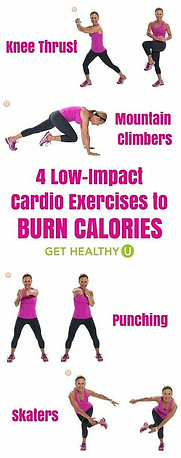
Matching your goals to the impact level of your chosen cardio exercise is essential. A high-impact routine like sprinting is only sometimes compatible with joint concerns, whereas low-impact activities such as swimming can be gentler.

For the best-personalized advice tailored to your specific condition and objectives, turn to fitness professionals. They can create a safe, effective cardio plan that matches your fitness goals.

Breaking Down the Cardio Spectrum: Identifying the Right Fit

Various types of cardio exercises offer distinct advantages and tests. When choosing the right type for you, it’s essential to understand these differences. Running, for example, is a high-impact activity that can boost endurance and burn calories quickly. On the other hand, cycling provides a low-impact alternative that still elevates your heart rate and promotes fitness while being gentler on the joints. Swimming is another excellent choice, especially for those seeking a full-body workout with minimal joint strain.

Your overall health should always be a consideration when selecting a cardio workout. If you have pre-existing conditions or joint issues, low to moderate-intensity activities like walking, swimming, or an elliptical trainer match you. These options reduce the risk of injury while still providing substantial health benefits.

Time commitment and workout frequency also play crucial roles in the decision-making process. Assess your schedule and be realistic about how much time you can dedicate to cardio. Choosing an exercise you can perform consistently rather than an ideal workout that doesn’t fit your daily life is better. Consistency is critical to reaching and maintaining your fitness goals.

If you want to avoid boredom and challenge your body in new ways, consider blending different cardio workouts into your routine. The strategy also minimizes the risk of overuse injuries from repeatedly performing the same movements.

How To Choose The Right Cardio Exercise For Your Fitness Goal Now

Fine-Tuning Your Cardio Choice: Practical Tips and Common Pitfalls

Let’s be honest: even the best workout plan is in stone. Your body will communicate with you, offering signals about what’s working and what isn’t. If a workout leaves you feeling invigorated and strong rather than excessively drained or in pain, it’s a sign you’ve made a good match. Conversely, ongoing discomfort or a lack of progress might mean it’s time to reconsider your choice. Pay attention to these messages and be willing to adjust your routine accordingly.

It’s paramount to understand that progress is sometimes linear. Sometimes, adjusting your regimen means scaling back to avoid burnout or injury. Other times, it might involve ramping things up to push past a fitness plateau. Being patient and adaptable ensures a sustainable cardio routine that adapts to your evolving fitness journey.

Recovery is an essential component that should Treat rest days with the same respect you give your most intense workouts.

Cardio should only fly with a well-rounded approach to health and fitness. Pairing your cardio regimen with strength training and a balanced diet can amplify your results, keeping you strong, agile, and less injury-prone. This multifaceted strategy pays dividends to your overall well-being beyond the calorie burn.

Bear in mind that common mistakes can slip into your routine. Skipping warm-ups, ignoring your body’s needs, or sticking to a single exercise out of habit rather than intention are just a few pitfalls to avoid.

https://www.wealthyaffiliate.com?a_aid=352a86b2

The Connection Between Cardiovascular Exercise And Heart Health

https://weightliftingforpower.com/the-connection-between-cardiovascular-exercise-and-heart-health/exercise-for-strength/admin/

The Connection Between Cardiovascular Exercise And Heart Health

Exercise is a one-size-fits-all remedy for health, but it’s in the specifics where one finds actual benefits. I’m talking about cardiovascular exercise, an unsung hero for fortifying heart health. But what exactly is it? At its core, cardiovascular exercise, or cardio for short, involves any activity that increases heart rate and promotes increased blood circulation throughout the body.

The relationship between cardio and heart health isn’t mere speculation; it’s grounded in evidence. Scientific understanding shows us that regular cardiovascular exercise enhances the heart’s efficiency, like tuning an engine for optimum performance.

When it comes to the activities that constitute cardiovascular exercise, I see an array of options. Running, swimming, cycling, and even brisk walking fall under this category. Each activity has a common denominator: they cause the heart to beat faster and beneficially challenge the cardiovascular system.

Immediately after starting a cardio session, one can notice the heart rate increase, while blood pressure responds dynamically by initially rising and then settling at a lower level post-exercise. This acute response is the beginning; the magic happens with consistent practice.

How Regular Cardio Transforms Heart Health

It’s well-established that cardiovascular exercise is a cornerstone of a healthy lifestyle, but how exactly does it reshape the condition of your heart over time? Engaging your body in regular cardiovascular exercise has wide-reaching benefits beyond the temporary boost in heart rate during a jog around the block.

First, consider heart disease, a leading cause of death worldwide. Through regular cardio activity, you’re aiding in heart disease prevention. You create an environment within your cardiovascular system that’s less hospitable to the development of heart-related illnesses.

These activities can improve cardiovascular health, promote weight loss, and reduce stress. Making physical activity a part of your everyday life can assist in preventing chronic illnesses and promoting a healthy way of living.

Next, there’s the matter of cholesterol. It’s a substance necessary for building cells but harmful when it accumulates in excess within your blood vessels. Cardio exercise can tilt the balance towards a healthier cholesterol profile by lowering bad LDL cholesterol and increasing good HDL cholesterol. This adjustment helps to keep your arteries clear and blood flowing smoothly.

One must recognize the role of cardio in weight management, too. By burning calories and promoting fat loss, cardiovascular exercise helps to prevent the buildup of fatty deposits in your arteries, known as atherosclerosis. Additionally, by maintaining a healthy weight, you reduce the workload on your heart, which is beneficial for its overall function and longevity.

In essence, regular participation in cardio doesn’t just make you feel good in the moment; it serves as an investment in your future well-being. The heart muscle is strengthened, its capacity for pumping blood is enhanced, and the network of blood vessels throughout your body becomes more efficient at delivering oxygen and nutrients.

Cardio Exercise: A Prescription for a Healthy Heart

Regular cardiovascular exercise is a cornerstone of maintaining and improving heart health.

If you’re new to exercise or returning after inactivity, start slow. Something as simple as brisk walking can immensely benefit your heart. As you progress in your fitness journey, it’s essential to gradually increase both the duration and intensity of your workouts. Remember, consistency is key—aim for at least 150 minutes of moderate-intensity weekly exercise, as the American Heart Association suggested.

The approach to cardio can vary for those at different life stages or with various fitness levels. It is vital to consider that individuals of various age groups may have different preferences regarding physical activities. For instance, younger adults may opt for more high-intensity exercises like running or high-intensity interval training (HIIT). In comparison, older adults may find swimming or cycling more appropriate.

Of course, exercise is just one aspect of heart health. All three factors are equally important for maintaining overall well-being. Also, managing stress is crucial to maintaining a healthy heart—level and finding effective ways to handle it, such as mindfulness practices or hobbies you enjoy.

The harmonious combination of diet, lifestyle choices, and cardiovascular exercise can significantly reduce heart disease risk and other cardiovascular-related issues. Empower yourself to take control of your heart health—make cardiovascular exercise a non-negotiable part of your life. Your heart will thank you for it.

https://www.wealthyaffiliate.com?a_aid=352a86b2

Cardiovascular Exercise And Its Impact On Weight Loss Now

Cardiovascular Exercise Vs. Strength Training: Finding The Balance

The Connection Between Cardiovascular Exercise And Heart Health

The Connection Between Cardiovascular Exercise And Heart Health

Cardiovascular Exercises For Beginners: A Step-by-Step Guide

https://weightliftingforpower.com/cardiovascular-exercises-for-beginners-a-step-by-step-guide/exercise-for-strength/admin/


Cardiovascular Exercises For Beginners: A Step-by-Step Guide

I understand the challenge of starting a new fitness routine. Anxiety mixed with excitement. A new chapter begins, dedicated to improving your health through cardiovascular exercise. As a beginner, you must grasp why this form of physical activity is vital. Cardio exercises aren’t just about endurance; they’re foundational to a robust life, enhancing heart health, boosting energy, and improving sleep.

So, what’s cardiovascular exercise, exactly? Any movement, from brisk walking to swimming, increases your heart rate and blood circulation. The advantages for you as a beginner are manifold: reduced health risks, weight management, and elevated mood, thanks to those natural endorphins.

You may have heard myths that cardio is too daunting or unsuitable for everyone. I’m here to clarify that’s not the case. Cardiovascular exercise is adaptable; it respects your limits while also pushing to enhance your stamina and health. Your journey should start with clear, manageable objectives. You may want to jog your first mile or feel fitter. These are excellent beginnings.

In the next part, I’ll guide you through gearing up and preparing your space for cardio activities. The right environment and equipment are pivotal to your success, whether at home or in a gym. You’ve made a bold move, deciding to focus on your health. Let’s ensure with the essentials to make it a victory.

Equipment and Preparation: Getting Ready for Cardio

Before you start any new exercise program, it’s essential to make sure you have the right equipment. For cardiovascular workouts, thankfully, you don’t need much. A pair of supportive sneakers is non-negotiable to avoid injury and keep you comfortable while you move. Invest in a well-fitting pair that provides cushion and support for your feet.

Comfort is vital, so choose breathable, moisture-wicking clothing that doesn’t restrict your movements. A good outfit can make a difference in how you feel during and after your workout. Remember, you’re likelier to stick to a routine if you feel good.

Next, consider where you’ll exercise. If you prefer the privacy of your home, clear a space where you can move freely without tripping over furniture. Otherwise, a local park or gym with a dedicated cardio area can be a great place to start.

For beginners, your cardio session with a warm-up to prepare your body for the exercise demands. Spend 5-10 minutes doing dynamic stretches or light aerobic movements like walking.

Finally, pay attention to the importance of hydration and nutrition in your cardiovascular training. Stay hydrated during workouts by drinking water before, during, and after. Eat a balanced meal or snack a few hours beforehand for energy.

Your First Steps: Simple Cardio Exercises for Beginners

If you’re new to cardio, understanding where to begin can be the hardest step. I remember feeling overwhelmed by options, but I’ll simplify it. Start with walking. It’s a natural movement, requires no special skills, and you can do it almost anywhere. Aim to walk for at least 30 minutes daily, paying attention to your posture and breathing.

Home-friendly exercises for beginners are your allies when you can’t get outside, or the weather is uncooperative. Jumping jacks are a classic that works your entire body. If you live in a flat and are worried about noise, try stationary jogging or step exercises. Use your stairs or a sturdy platform to step up and down – it gets your heart rate up without the thump.

If you’re concerned about the impact on your joints, low-impact exercises like cycling or swimming might be your route. Cycling on a stationary bike or out in the park is gentle on your knees and enjoyable. Swimming supports your body weight and provides resistance, which is excellent for building cardiovascular endurance without stress on your joints.

I can’t stress enough the value of listening to your body as you increase exercise intensity and duration. So, take your time and focus on finding a routine that you enjoy because that’s the surest way to stick with it.

Monitoring Progress and Maintaining Motivation

I recall the days when I first started my cardio routine; the progress seemed slow, but over time, it became evident. That’s why I stress the importance of keeping track of your workouts. Right from the start, pick a method that works for you. It could be a mobile app that logs each session or a good old-fashioned journal. It isn’t just about recording what you did. It’s about seeing your progress, which is incredibly motivating.

As you continue with your cardio, pay attention to how you feel. Do you need more wind when you climb stairs? Can you walk further without tiring? These small victories are as important as the numbers.

Rest is not a dirty word in fitness. It’s a critical component of growth. Your body needs time to repair and strengthen itself after each workout. So, take your time with recovery time.

Look, motivation will wax and wane. It’s natural. For those days when your spirits are low, have a list of ‘why I started’ reasons to call on. Recognize that plateaus happen; they’re just a sign of mixing things up. Add a dash of variety to your routine with different cardio exercises or set mini-goals that give you that little rush of achievement.

For beginners, keep monitoring, stay motivated, and watch as you transform your life—one heartbeat at a time.

Cardiovascular Exercises for beginners: A step-by-step Guide

https://www.wealthyaffiliate.com?a_aid=352a86b2
The Benefits Of High-Intensity Interval Training (HIIT) NOW

https://weightliftingforpower.com/the-benefits-of-high-intensity-interval-training-hiit/exercise-for-strength/admin/

The Benefits Of High-Intensity Interval Training (HIIT) NOW

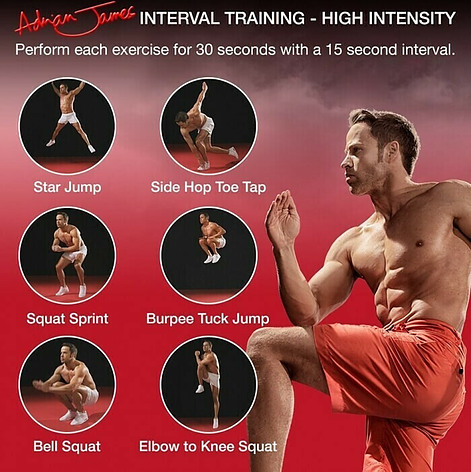
I am introducing you to a workout strategy that packs a punch in short bursts: High-Intensity Interval Training, or as it’s better known, HIIT. An exercise regime alternates between intense anaerobic activity and less intense recovery periods. HIIT is like doing a series of sprints instead of a long marathon.

Tracing its origins back to the 1970s, HIIT first gained recognition among track athletes. But it didn’t stay confined to the track for long; soon, it was shaping the fitness routines of people across the globe, thanks to its time-efficient and results-driven nature.

The beauty of HIIT lies in its inclusivity; you don’t have to be an elite athlete to reap its rewards. This adaptable method also suits the not-so-athletic individuals and is the workout you’ve been looking for to fit into your busy schedule.

You might wonder if HIIT sessions fit into the ever-squeezed time of your day. I’m here to tell you that they do. These workouts are compact, typically 15 to 30 minutes, but deliver maximum benefits within that compressed timeframe.

With this foundational understanding of what HIIT entails and its practicality for daily life, we can focus on the heart of the matter: the compelling health benefits that make HIIT an essential part of modern exercise regimens. From strengthening your heart to burning calories efficiently, the next segment will delve into how to put in maximum effort in short. Disciplined bursts can lead to profound and lasting health benefits.

The Multifaceted Health Benefits of HIIT

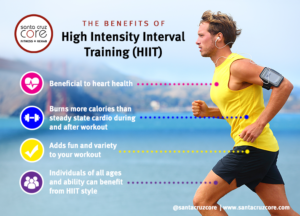
HIIT isn’t just about saving time; it’s a powerhouse for your health. One of the most compelling benefits is its impact on cardiovascular health. Regular HIIT can help improve heart function and decrease the risk of heart disease.

Moreover, HIIT kicks your metabolism into high gear. The high-intensity bursts of exertion, followed by recovery periods, burn calories during the workout and long after you’ve finished.

Muscles also get a significant boost from HIIT. The training sequences can be adapted to target strength and endurance, leading to stronger, leaner muscles and better overall physical performance.

Your brain benefits as well. HIIT can be a stress-buster, releasing endorphins that improve mood and reduce anxiety. The physical intensity often brings a mental clarity that many find crucial for coping with life’s daily pressures.

It’s not just personal testimonials that back up these claims; science does, too. Multiple studies validate the positive impact of HIIT on various aspects of health, proving it’s more than a passing fitness fad.

As we transition into ways to bring HIIT into your routine, remember the rule of thumb: Consult with a professional if you’re new or have underlying health conditions. HIIT can be a game-changer for your wellness regime with the right approach.

Implementing HIIT into Your Life: Practical Tips and Considerations

You’re now familiar with the compelling benefits of High-Intensity Interval Training. So, how do you start incorporating HIIT into your routine? The beauty of HIIT is in its versatility and adaptability to varying fitness levels and time constraints. Whether you are a novice exerciser or an experienced athlete, you can craft a HIIT regimen that challenges you at the right level.

For beginners, ease into HIIT workouts to reduce the risk of injury and burnout. Start with shorter active intervals, around 20-30 seconds, followed by longer recovery times. As your endurance builds, you can increase the intensity and decrease the rest periods. Remember, the emphasis should always be on maintaining correct form to prevent injury.

Safety is another vital aspect to consider. Consulting a medical professional before starting a HIIT program is crucial if you have pre-existing health conditions or concerns.

Tailoring HIIT to your goals is also crucial. If you aim to lose weight, you may focus more on cardio-based exercises, while those looking to build strength may incorporate more resistance elements into their intervals. Monitoring your progress and being flexible with your workout routine is essential to ensure success.

Finally, to keep your motivation high, track your improvements. Use a journal, an app, or any method that works for you to record changes in your fitness level, body measurements, or even how you feel after each workout. Celebrate your victories, no matter how small, and use them as a springboard for continued progress.

https://www.wealthyaffiliate.com?a_aid=352a86b2
The Benefits Of High-Intensity Interval Training (HIIT) NOW

How to Incorporate Cardiovascular Exercises Into Your Workout Hooray Now

https://weightliftingforpower.com/how-to-incorporate-cardiovascular-exercises-into-your-workout/exercise-for-strength/admin/

How To Incorporate Cardiovascular Exercises Into Your Workout

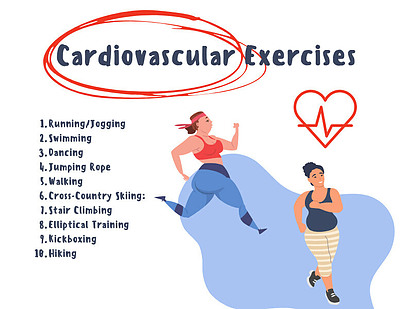
When you hear ‘cardiovascular exercise,’ it’s the type that gets your heart rate up and keeps it there for some time. These exercises, also known as ‘cardio,’ range from brisk walking to cycling, jogging, swimming, or dancing.

Integrating cardio into your daily routine is crucial for more than just losing weight. It’s a fantastic stress reliever and can improve mental health.

Some people are at different fitness levels, and that’s okay. Cardio is versatile and adaptable. Whether you are a beginner looking to start a fitness journey or an athlete aiming to enhance performance, cardio is right for you.

It’s essential to note that a well-rounded fitness routine isn’t just about how much you move and how well you move and recover. It’s about building endurance and strength, which is where cardio comes in.

Designing a Balanced Cardiovascular Routine

When I look to include cardio into my exercise regimen, it’s crucial to tailor it to my fitness goals. Whether I aim to lose weight, enhance endurance, or improve my overall health, the types of cardio I choose can significantly impact my success. To design a balanced cardio routine, I identify my endgame:

Next, I plan my cardio workouts to exercise frequency, duration, and intensity. Research suggests aiming for at least 150 minutes of moderate intensity per week for general health. Still, I understand that the ‘right’ amount varies with each person’s fitness level and goals. Sometimes, I use tools like the talk test, or heart rate monitors to gauge my intensity.

Variety in my cardio exercise routine helps prevent boredom and overuse injuries. I like to mix in high-intensity interval training (HIIT) to boost my metabolism and cross-training to maintain overall fitness. This way, my body gets to experience different challenges, and my mind stays engaged.

Integrating Cardio into Your Existing Workout Plan

I value a workout that’s not just varied but coordinated. Cardio isn’t an exercise afterthought; it’s a vital component, neatly paired with strength training to create a harmonious fitness regimen. Alternating days between cardio and strength training allow your muscles to recover while moving. But there’s more to it than just scheduling.

Monitoring your progress is crucial. Pay attention to how your body responds. You might see improvements in endurance or changes in body composition. If you need to move towards your goals, reevaluate. An honest look at your routine might tell you if it’s time to intensify your cardio or scale back if you feel worn down.

Remember, every journey is personal. Your body’s response to exercise is unique. Keep fine-tuning that balance between cardio and strength until it feels just right. And don’t shy away from seeking advice. A personal trainer can provide invaluable insights tailored to your needs.

As a final thought, celebrate your milestones. Whether running an extra mile or shaving a minute off your lap time, these victories are significant. They mark the growth in your fitness story, a narrative that’s as much about persistence and adaptation as it is about sweat and the numbers on a stopwatch.

https://www.wealthyaffiliate.com?a_aid=352a86b2
Ultimate Inverted Training For Core Strength

Benefit Circadian Rhythm Optimization For Athletic Performance Now

Duncan’s ‘5-second Rule’ For Muscle Growth

How To Choose The Right Cardio Exercise For Your Fitness Goal Now

How To Incorporate Cardiovascular Exercises Into Your Workout Hooray Now

The Science Behind Strength Training And Increased Metabolism

https://weightliftingforpower.com/the-science-behind-strength-training-and-increased-metabolism/exercise-for-strength/admin/

The Science Behind Strength Training And Increased Metabolism

I often encounter questions about the impact of strength training on metabolism. It’s essential to clarify how pushing against resistance does more than build muscle; it also revs up the metabolic engine. The resting metabolic rate (RMR) is the number of calories the body burns while at rest, which is the core of this process. The more muscle mass you have, the higher your RMR, which can lead to burning more calories even when not actively working out.

Another aspect I examine is the truth versus the myths surrounding muscle’s influence on metabolism. It’s vital to dispel the idea that strength training provides only short-term metabolism boosts. Instead, increasing muscle mass also maintains a higher calorie burn during rest periods long after the weights have. Research speaks clearly on this point; strength training can alter your body’s energy demands in a significant and lasting way.

An understanding of the way muscle fibers work is critical to knowing the metabolism’s behavior. Type I or slow-twitch fibers are endurance-oriented and consume less energy. Fast-twitch fibers (Type II) are explosive and consume more power. Practical strength training can increase the efficiency and size of these Type II fibers, thereby boosting metabolic rate.

As a content creator, I prioritize clarity. To sum up, the metabolic activity of muscle, the type of muscle fibers activated, and the efficiency of those fibers underpin the connection between strength training and increased metabolic rate. With these pieces in place, it’s easier to see how a carefully designed strength training regimen can serve your metabolic health.

Strength Training: More Than Just Muscle Building

You may approach strength training with the primary goal of enhancing muscle size or strength. Still, it’s essential to recognize its broader benefits, especially to your metabolic health. It’s not just about building bulk; it’s about creating a foundation for overall wellness.

Incorporating strength training into your routine enhances your metabolic health in ways that are not always visible to the naked eye. Resistance exercises increase muscle strength and endurance. It can improve the efficiency of your body’s energy use, even at rest.

One of the intriguing aspects of strength training is its potential to improve insulin sensitivity. Increasing muscle mass improves your body’s ability to regulate blood sugar levels.

Consider that the impact of strength training on your metabolism is both immediate and cumulative. Your body’s energy expenditure in the hours following a workout. Sustained strength training can increase an individual’s resting metabolic rate over time.

Next, I’ll guide you through extracting the maximum metabolic rewards through science-supported strength training routines and integrating nutrition strategies that work with your training efforts. Get ready to turn knowledge into action for enhancing your metabolic health.

Maximizing Metabolism with Science-Based Strength Training

It would help if you had more than random lifts and sporadic gym sessions to fully harness the metabolic benefits of strength training. It’s about crafting a deliberate, science-backed routine that aligns with your body’s needs and personal goals.

The critical components of an optimal strength training program include variability, intensity, and progression. Your routine should incorporate various exercises that target all major muscle groups, utilize enough weight to challenge those muscles, and progressively increase the intensity to continue promoting muscle adaptation and metabolic enhancement.

Consistency is ALSO CRITICAL. It’s the regular engagement with your strength training routine that leads to long-term metabolic improvements. Aim for at least two to three sessions per week, ensuring enough rest in between for muscle recovery, which is where part of the metabolic magic happens.

Don’t forget nutrition—what you eat is just as important as your workout. A well-balanced, protein-rich diet supports muscle repair and growth while providing your body’s energy to perform strength training effectively.

Everyone’s body is unique, and what works for one person may not work for another. Consider working with a fitness professional to tailor a program to your needs, or listen to your body and adjust your routine for the best results.

Strength training is a sound strategy for ramping up your metabolism in the long run. By focusing on a structured and consistent approach and feeding your body the proper nutrients, you can turn your body into a more efficient energy-burning machine.

https://www.wealthyaffiliate.com?a_aid=352a86b2
Common Strength Training Mistakes And How To Avoid Them

https://weightliftingforpower.com/common-strength-training-mistakes-and-how-to-avoid-them/exercise-for-strength/admin/

Common Strength Training Mistakes And How To Avoid Them

I’ve noticed how strength training can be a game-changer, enhancing physical strength, confidence, and mental well-being. Despite its benefits, the path to strength training success has potential mistakes that can lead to injury and frustration.

One critical mistake is prioritizing speed over form. Rushing through reps can compromise your gains and put you at risk of injury. MAKE EACH REP COUNT by focusing on technique; proper alignment and targeted muscle engagement trump the number of completed reps.

Skipping warm-ups and cool-downs is another mistake I’ve seen in the gym, and it’s one. These routines are essential for preparing the muscles for the strain of lifting and aiding in recovery afterward, helping to prevent muscle soreness and injury.

An inconsistent workout schedule may not seem like the end of the world, but it can significantly disrupt progress. When you’re irregular with your routine, achieving consistent muscle growth or strength gains is challenging.

Muscles require adequate time to repair and grow stronger after a workout. Cutting short this recovery process can hinder progress and increase injury risk. Balancing intensive workout sessions with sufficient sleep and recovery time is essential.

With these foundational insights on common mistakes, you’re better equipped to refine your approach. And that leads us to the next logical step: understanding the fine-tuning of technique, consistency, and intensity in your training regimen.

Navigating the Balance: Technique, Consistency, and Intensity

When it comes to strength training, understanding technique dynamics, consistency, and intensity is crucial. I’d say it’s a dance where every step counts — but don’t worry, I’ll help you find that rhythm without stepping on your fitness goals.

Getting your technique right is fundamental. Not only does this reduce injury risk, but it also ensures that each rep you perform is as effective as possible. I’ve seen too many gym-goers try to lift weights beyond their capabilities, sacrificing their form.

What you want is to focus on quality over quantity. Proper alignment and muscle engagement should be your mantra. It’s worth investing in a few personal training sessions if you need clarification on your form. “It’s better to lift lighter weights correctly rather than lifting heavier weights poorly.”

Now, let’s address consistency. It might not sound glamorous, but showing up and putting in the work is what gets results. An erratic workout schedule must be clarified for your muscles and mind, making it harder to maintain progress.

Maintaining a proper balance in your workout intensity is just as pivotal. Matching your regimen to your current fitness level while gradually increasing the intensity as you become stronger prevents overtraining and plateauing. Remember, more isn’t always better — SMARTER is.

Finally, pay attention to the importance of cross-training. Incorporating different types of exercises can prevent overuse injuries and boost overall muscle function. To keep your workout routine fresh and enjoyable, try incorporating activities like swimming, cycling, or yoga to enhance your strength gains.

As you perfect your balance between technique, consistency, and intensity, you’ll see improvements in your strength training outcomes and overall health and well-being.

Safeguarding Your Progress: Practical Tips from Fitness Experts

When I’ve talked to fitness experts, the consensus is clear: having a coach can revolutionize your strength training. A personal trainer does more than design workouts; they provide real-time feedback, correct your form, and tailor a program that aligns with your fitness level and goals. If hiring a personal trainer is outside reach, don’t fret. Online forums, digital coaching apps, and training videos can help you stay on track.

Mistakes happen to everyone, but our response to them differentiates success from stagnation. Learn to embrace missteps as a natural part of the learning curve. Use them to fuel your determination and refine your approach. Always ask yourself, ‘How can I do better next time?’ This mindset is pivotal for long-term improvement.

Your body is constantly evolving, and so should your strength training regimen. Be alert to how your body responds to workouts. Be willing to adjust your plan when you hit plateaus, experience pain, or overhaul your fitness targets. Remember, a good training program evolves with you.

Proper nutrition is COMPELLING for training efficacy. You’re not only what you eat; you’re how you recover. Ensure your diet includes adequate protein, healthy fats, and complex carbohydrates. Stay hydrated and consider supplements if they fit your health profile and dietary needs.

Last, embrace the wealth of knowledge around you. Join a community, whether it’s a local gym, an online group, or a fitness class. Staying informed and up-to-date with the latest strength training research and trends will keep you motivated and provide insights into new techniques or approaches that could be perfect for you.

Best Exercise Training Programs

Recommended Workout Equipment

Top Fitness Trainers THAT ARE CERTIFIED

https://www.wealthyaffiliate.com?a_aid=352a86b2
Common Strength Training Mistakes And How To Avoid Them

Strength Training Vs. Cardio: Which Is Better For Weight Loss?

https://weightliftingforpower.com/Strength-Training-Vs.-Cardio%3A-Which-Is-Better-For-Weight-Loss%3F/exercise-for-strength/admin/

cardio versus weights

When you’re eyeing weight loss, you face a barrage of advice on whether strength training or Cardio is the way to go. It’s essential to understand how both work.

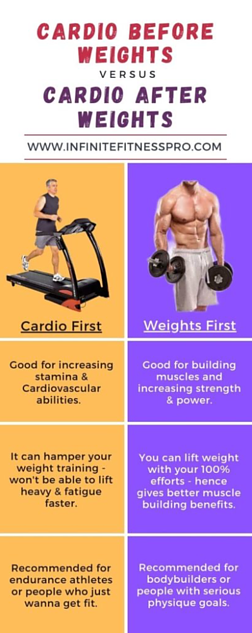
Strength training, which includes lifting or using your body weight, helps you build muscle. Muscle is metabolically active, which burns calories even when you’re not working out. It helps increase your resting metabolic rate and the calories you burn while at rest.

On the other side, there’s Cardio. Running, swimming, or cycling gets your heart rate up and burns calories in the process. It’s effective for improving your heart health and building endurance.

A common misconception is that strength training doesn’t contribute to weight loss as directly as Cardio. Yet, while Cardio might burn more calories during the activity, strength training can increase muscle mass, leading to a higher calorie burn across the day.

To grasp the complete picture, looking beyond the myths is crucial. Following this, we will dig into each form of exercise’s benefits and challenges. Knowing the differences can guide you to the most suitable choice for your weight loss journey.

Comparing the Benefits and Challenges of Strength Training and Cardio

Selecting the proper exercise for weight loss involves understanding how each method works and the specific benefits and drawbacks they offer. Regarding strength training, the advantages extend far beyond immediate calorie burn. They incorporate weights into your routine to build lean muscle mass, which profoundly affects basal metabolic rate (BMR). Simply put, more muscle means your body burns more calories at rest. It often translates to more sustainable weight management over time.

On the other hand, Cardio is well-known for its ability to produce a significant calorie burn. Running, cycling, swimming, and other cardio exercises elevate heart rate and respiration, burning calories and improving cardiovascular health. However, the high-calorie burn witnessed in cardio sessions often halts shortly after the exercise, offering less long-term metabolic enhancement.

While strength training typically burns fewer calories per session compared to Cardio, it builds muscle, which can result in a higher calorie burn over time. The balance tips depend on various factors, such as training intensity and the individual’s body composition. Combining these two methods may be the key to achieving the best weight loss and overall health results.

Sustaining long-term engagement with Cardio can be challenging for some, as it can require a significant amount of time and, depending on the intensity, may lead to burnout or injury. Strength training can be easier to integrate into a lifestyle, with shorter, more focused sessions that as one’s strength increases. Moreover, the variety in strength training routines can keep the practice stimulating and effective.

Research indicates that performing aerobic exercises can result in an immediate reduction in body weight. Choosing the Right Exercise for Your Weight Loss Goals

When you’re on the weight loss journey, it’s crucial to tailor your exercise plan to suit your personal health status, lifestyle, and preferences. The choice between strength training and Cardio doesn’t have to be mutually exclusive; combining both might often be the best approach.

Start with an honest assessment of what you enjoy because what you’ll stick with is what ultimately works. If you dread the treadmill, chances are you won’t maintain a routine built around running. The same goes for lifting weights. Enjoyment fuels consistency.

Consistency is the secret weapon in weight loss. Regularly showing up will lead to progress whether you choose weights, Cardio, or a mix.

Progress is about more than just the numbers on the scale. It’s also about building the endurance to run further, the strength to lift more, and the confidence that comes with those achievements. Your diet is an integral part of your weight loss equation. No exercise regimen can outpace a poor diet. Ensure you’re eating a balanced diet that supports your workout goals. It might mean more protein if you’re strength training or sufficient carbs for energy if you’re focusing on Cardio.

Lastly, seek advice from fitness professionals if you need help figuring out where to start. A personalized workout plan, proper technique, and clear objectives can amplify your efforts. They can help you make informed decisions that align with your health needs and fitness targets.

https://www.wealthyaffiliate.com?a_aid=352a86b2
Strength Training For Older Adults: Tips And Modifications

https://weightliftingforpower.com/strength-training-for-older-adults-tips-and-modifications/exercise-for-strength/admin/

Strength Training For Older Adults: Tips And Modifications

I’m here to tell you it’s always possible to begin. Strength training offers numerous benefits for older adults, including improved bone density, increased muscle mass, and better balance. Understanding these benefits is the first step in starting a journey toward a healthier, more active lifestyle.

Older adults must acknowledge the potential physical limitations and health concerns of age. Issues such as joint pain, reduced mobility, or chronic health conditions can impact the ability to perform specific exercises.

That’s where personal goals come into play. Seniors need to define what they want to achieve through strength training. Goals include increasing arm strength to lift grandchildren or improving leg strength for better mobility. Setting realistic and specific fitness goals makes the path forward more evident.

Before taking that first step, getting a green light from a healthcare professional is crucial. “They will evaluate your present health condition and advise on safe workout routines.” They might also recommend how to modify exercises to fit your needs.

With goals set and medical clearance in hand, it’s time to move to the nuts and bolts of strength training. In the next section, I’ll guide you through personalizing your practice, ensuring safety and effectiveness in your routine.

Personalizing Your Strength Training: Tips for Safe Practice

If you’re an older adult looking to integrate strength training into your lifestyle, personalizing your regimen is KEY to your success and safety. It’s important to acknowledge that your body differs from a younger individual’s, necessitating a tailored approach to strength training.

To begin, assess your current fitness level. It’s wise to start with less rigorous exercises focusing on building stamina. As your comfort with these exercises grows, you can gradually introduce more challenging workouts into your routine.

Proper form and technique take precedence over the amount of weight you lift. Prioritizing correct posture and movements reduces the risk of injury and ensures you’re targeting the right muscle groups. If in doubt, seeking instruction from a fitness professional can be invaluable.

Equipment like resistance bands, light dumbbells, or even bodyweight exercises can provide an effective workout. If specific movements are complex, don’t hesitate to modify them. For instance, if squats are challenging, use a chair for support. As you progress, advancing to free weights or machines might be the next step for continued improvement.

Remember to balance strength exercises with flexibility and balance training.

Keep in mind that increased intensity should come with time and confidence. There’s no rush to elevate weights or resistance; it’s far more crucial to maintain a steady, manageable pace. As you grow stronger, the next step is to increase the challenge.

Staying Motivated and Overcoming Plateaus: A Guide for Continued Success

Maintaining enthusiasm for strength training can be challenging, especially when progress seems to hit a wall.

Firstly, let’s talk about setting clear and rewarding milestones. Establish short-term goals such as improving the number of repetitions in a set or adding a new exercise to your routine. Simultaneously, envision where your fitness journey will take you in the long run. It could be being stronger to play with your grandchildren or improving your golf swing.

Community is key. Joining a group of like-minded individuals in their golden years can inspire you to stay the course.

The routine may be becoming monotonous. Introduce variety into your workouts to challenge different muscle groups and to keep the whole process fresh. Consider trying yoga or a dance class for a fun and social way to cross-train.

Celebrating your achievements, no matter how small, can provide a substantial mental boost. Did you lift weights for two weeks straight? Reward yourself with something that makes you happy—a new book, an outing, or even a favorite treat (in moderation).

Setbacks can happen, but they shouldn’t define your fitness journey. Poor weather, sickness, or busy schedules can interfere, but resilience is critical. When you’re ready, dust off those weights and start with manageable ones.

Remember that muscular aging is a reality but not an ending. By adapting and persevering with your strength training, you’re writing a story of better health and vitality, one rep at a time.

https://www.wealthyaffiliate.com?a_aid=352a86b2