Ultimate Inverted Training For Core Strength

https://weightliftingforpower.com/inverted-training-for-core-strength/exercise-for-strength/admin/
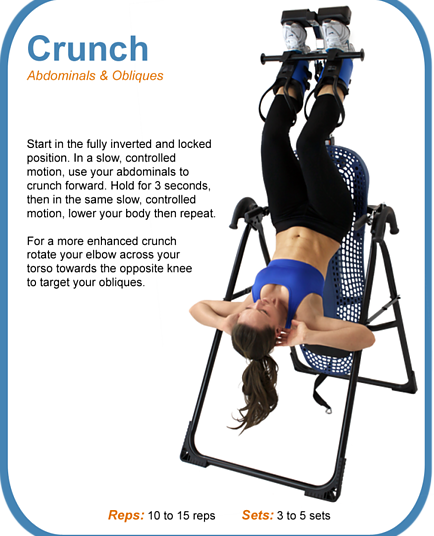
Inverted Training For Core Strength

Inverted training may sound like an extreme sport, but it’s simply about flipping the usual way you work out by turning upside down or nearly so. This upside-down approach targets your core muscles in a unique way that standard crunches and planks might miss.

Why focus on core strength? I consider it the powerhouse of your body. A strong core doesn’t just make you look defined; it stabilizes your entire body, improving posture, reducing back pain, and enhancing athletic performance.

You could be skeptical, thinking that hanging upside down is just for acrobats or fitness fanatics, but that’s not true. In this article, I aim to dispel such myths and show you that with the proper techniques, inverted core training is accessible to anyone looking to shake up their routine.

I’ll guide you through the basics, ensuring you can incorporate these exercises into your regimen without feeling overwhelmed. Safety is paramount, so I’ll also give you the know-how to prepare your body for inversion and progressively challenge yourself.

Mastering the Basics: Getting Comfortable with Inversion

Inversion might sound intimidating if you’re unfamiliar, but it means getting into positions where your heart is higher than your head. This reversal of your usual upright position profoundly affects your body, especially your core muscles. I’m here to guide you through the first steps of embracing inversion for core strength enhancement.

“Before you hang upside down, prepare your body to ensure your safety.”Begin with exercises that introduce you to it gradually, such as downward-facing dogs or legs up the wall. Stability is critical, and these simple poses will help you build the core strength necessary for more complex moves.

Start with beginner-friendly inverted poses like the bear crawl or the handstand against a wall. It’s essential to remember that while these exercises might seem basic, they lay the groundwork for a solid core that can withstand more demanding workouts.

Your progress should be measured and consistent. Moving too quickly to advanced exercises can be both practical and beneficial. Practice each new step until it feels comfortable and becomes second nature. Only then should you move to exercises that require more balance and core engagement, such as the pike handstand or the supported headstand.

Conquering the mental barrier of inversion can be just as rewarding as the physical benefits. Many people find being upside down uncomfortable at first. It’s normal, and with time, this discomfort turns into exhilaration.

Strengthening Your Core with Advanced Inversion Techniques

If you’ve practiced core exercises for a while, you might be ready to challenge yourself with more advanced techniques. Moving beyond the basics enhances your core strength and introduces you to a new world of fitness possibilities.

Equipment such as inversion tables, gravity boots, and yoga trapezes can offer additional support and intensify your workouts. These tools allow for a broader range of motion and help isolate core muscles more effectively. But remember, with greater intensity comes a greater need for mindful practice.

As you integrate these advanced movements, consider your workout schedule carefully. Balance is key. Too much too soon increases the risk of injury. Like any muscle group, your core needs time to recover between sessions. Stick to a steady progression and pay attention to how your body responds to the increased demands.

While pushing the boundaries of your abilities is exciting, it’s also critical to watch for signs of strain. Investing time in proper technique and form at this advanced stage cannot be overstated. A misalignment or an improperly executed move can set you back significantly, so if you are ever uncertain, seek guidance from a fitness professional.

Listen to your body’s feedback. Some days, you may feel strong and capable of more challenging poses, while on others, it might be more beneficial to focus on stabilization and maintaining form. Your body’s response will guide you when to push your limits, hold back, and recover.

Your journey with inverted core training continues beyond here. As you grow stronger and more confident, continually explore new exercises and variations to keep your routines dynamic and engaging. The power of inversion is profound, and with dedication and a commitment to safety, the improvements to your core strength and overall health can be just as significant.

https://www.wealthyaffiliate.com?a_aid=352a86b2

Recommended Workout Equipment

Top Fitness Trainers THAT ARE CERTIFIED
https://youtu.be/AYS5Nr9zH1g?si=THH7P2Zu5jh1_H5R

Benefit Circadian Rhythm Optimization For Athletic Performance Now

https://weightliftingforpower.com/circadian-rhythm-optimization-for-athletic-performance/

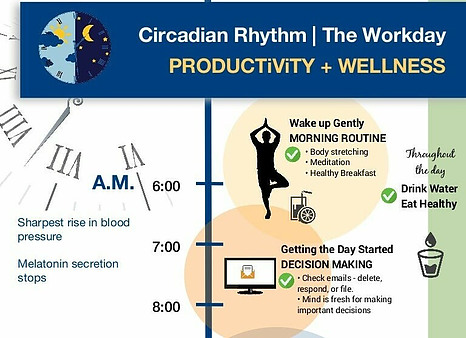
Circadian Rhythm The Workday

I will kick things off by breaking down what circadian rhythms are. It’s not just a fancy science term; circadian rhythms are your body’s natural clock. Consider it an innate mechanism that manages the sleep-wake cycle and occurs approximately every 24 hours. But it’s not just about sleep; these rhythms affect your body temperature, hormone levels, and digestion.

You’ll find out how these rhythms tie into your performance on the field or in the gym. Circadian misalignment might be the culprit if you’ve ever felt off your game for no apparent reason. When your internal clock is out of sync with your activities, it can reduce your energy levels, muscle strength, and recovery times.

Research is critical here, and current studies illuminate circadian rhythms’ role in sports science. Researchers have discovered that athletes’ circadian rhythms are associated with their performance peaks at different times of the day. Understanding these patterns can differentiate between a personal best and missing the mark.

A disrupted circadian rhythm caused by travel, stress, or irregular schedules can negatively affect athletes. Muscle recovery, metabolic processes, and the all-important quality of sleep can all take a hit. This section has laid the groundwork for optimization, and in the next section, we’ll delve into assessing your circadian rhythm with tools and techniques.

Optimizing Your Circadian Rhythm for Enhanced Athletic Performance

To take your athletic performance to the next level, aligning your training with your internal clock is crucial. Timing isn’t just everything in comedy or cooking; it’s also vital in your workouts and recovery. I will explore the best practices for synchronizing your circadian rhythm with your training to help you hit your peak when it counts.

Food isn’t just fuel; it’s a signal to your body. Eating at consistent times can reinforce your body’s natural rhythms. That’s the strategy I like to leverage to ensure I eat well and eat smart. I’ll clue you in on the kinds of foods and the timing that might give you an edge on the track or in the gym.

Ever feel jet-lagged after a long flight? Athletes often cross time zones for competitions, which can wreak havoc on their performance. I can offer advice on modifying your circadian rhythm to the time zone you’re in, minimizing the impact of jet lag, and enhancing your performance regardless of your location.

You might not think of naps as part of your training regimen, but I’m here to tell you that they can be a secret weapon. Strategic rest can significantly boost recovery and, when timed right, enhance performance. I’ll discuss how short bouts of sleep or relaxation can benefit your overall training plan.

Real-life Success Stories: Athletes Who Mastered Their Circadian Cycles

That brings us to the real-world application of everything I’m talking about. Athletes at the top of their game know the crucial role of circadian rhythm in achieving peak performance. Take, for instance, some Olympic swimmers who’ve timed their training to mimic race times, syncing their bodies for maximum output when it counts.

I’ve read about sports professionals working with chronobiologists – scientists specializing in biological rhythms. Their collaborative efforts create adjustments in training schedules that align perfectly with an athlete’s internal clock. This personalized approach has led to tangible successes and countless personal bests.

There’s evidence all over the sports world of athletes traveling with sleep coaches or bringing along special lighting to mimic daylight and optimize their sleep cycles before a big event. It isn’t just about sleeping right; it’s about leveraging every aspect of circadian science to get that edge over the competition.

It’s been around for a while, and it’s gaining momentum as more athletes and teams see its profound effect on performance. With the increased awareness and technological advances, it’s more accessible than ever for athletes at all levels to take advantage of circadian rhythm optimization.

I hope that you can see how profound the impact of aligning with your circadian rhythm can be. If you’re an athlete looking to push your limits or start to get more active, consider taking a page from the pros. Assess, adjust, and align your way to peak performance. Remember, your first attempt doesn’t need to be your last; you can always tweak and improve as you learn more about what works best.

https://www.wealthyaffiliate.com?a_aid=352a86b2

HIIT Workouts In High-altitude Conditions Safety

HIIT workout in High Altitude

https://weightliftingforpower.com/hiit-workouts-in-high-altitude-conditions/exercise-for-strength/admin/

Imagine stepping out onto a high mountain trail, bracing for a workout. At a lofty elevation, every breath you take has less oxygen than you’re used to at sea level. You’re experiencing high-altitude conditions, where the air is thinner, and the challenge to your body is more significant. This environment can significantly influence physical performance, especially during high-intensity interval training (HIIT) workouts favored for their efficiency and effectiveness in improving fitness.

Athletes often seek out these conditions for training. Why? Adapting to high altitude can improve oxygen transport throughout the body, potentially enhancing endurance once you return to lower elevations. However, it’s not all about benefits. The body might struggle with altitude sickness due to lower oxygen levels, leading to symptoms like fatigue, headache, and even nausea. Awareness of this can distinguish between a productive session and a health risk.

Adapting to the reduced oxygen at high altitudes is a process that takes time. Factors like your individual physiology, the altitude level, and the duration of exposure all play a role. It requires a strategy that blends patience with the specific demands of HIIT—a training regimen characterized by bursts of intense activity followed by rest periods. Getting it right means reaping the rewards of enhanced fitness; getting it wrong could hinder performance or lead to serious health issues.

Transitioning to section two, you’ll need to consider how to tailor your HIIT workouts for these environments. The shift from understanding the effects of high altitude to applying that knowledge to exercise routines is crucial. It includes adapting your workout intensity, structuring the right balance between work and rest, and using technology to guide your sessions effectively.

Designing HIIT Workouts for High-Altitude Success

When you’re ready to incorporate High-Intensity Interval Training (HIIT) workouts into your high-altitude regimen, it requires a strategic approach. Given the thinner air, your lungs and muscles will strain more. That’s why acclimatization is your priority. Spend several days to weeks at altitude to allow your body to adjust before diving into intense exercise.

After acclimatizing, you can modify HIIT workout specifics to match the altitude conditions. Start with reduced intensity and shorter workout intervals, gradually increasing as your body adapts. Consider extending the rest periods between intervals to give your body ample time to recover. Moreover, as your workouts intensify, listening to your body becomes paramount to avoid overexertion.

Technology can be your ally here. Using heart rate monitors helps you stay within safe exercise intensities, while oxygen saturation tools can be crucial in monitoring your body’s adaptation to the altitude. These devices help ensure you’re pushing enough and fast enough.

For example, a typical HIIT sea-level workout might consist of 30 seconds of sprinting followed by 1 minute walking, repeated for 15-20 minutes. At high altitude, you might start with 20 seconds of moderate effort followed by 2 minutes of walking. And remember, the key isn’t the workout length but how well you adapt and recover.

Safety and Performance Optimization in High-Altitude HIIT

Engaging in high-intensity interval training (HIIT)workouts at high altitudes means paying extra attention to your body’s signals. Altitude sickness, characterized by headaches, nausea, and dizziness, can occur if you push too hard without proper acclimation. Monitoring these symptoms and scaling back intensity if they arise is crucial for your well-being.

Adequate hydration is non-negotiable. The dry and low-pressure environment at altitude can lead to quicker dehydration. Drink plenty of water before, during, and after your workouts. Also, align your nutrition with your increased metabolic needs, focusing on macronutrient balance to fuel your recovery and performance.

Progress should be gradual. Altitude introduces a new stress level in your body, and HIIT amplifies this effect. Increasing workout intensity or duration should be done incrementally to allow your body to adjust.

HIIT workouts in HIGH altitude
Lastly, insights from professionals who have successfully incorporated HIIT workouts into high-altitude training can be precious. They can offer practical strategies, mistakes to avoid, and encouragement. Tailoring your approach and respecting your unique physiological responses are crucial to success.

https://www.wealthyaffiliate.com?a_aid=352a86b2

Duncan’s ‘5-second Rule’ For Muscle Growth

https://weightliftingforpower.com/of/exercise-for-strength/admin/

Building muscle is about lifting weights and increasing protein intake. But there’s more to it than just pumping iron and chugging shakes. Muscle growth, scientifically known as hypertrophy, is influenced by various factors, from the exercises you choose to how you perform them.

Enter the ‘5-second Rule’, a technique proposed by fitness expert Duncan. This rule isn’t about dropping food on the floor; it’s about optimizing each movement during your workout to maximize muscle tension and growth. It’s a simple concept that revolves around timing your movements precisely.

Muscle growth is significantly affected by how long your muscles are under tension during an exercise. Proper technique ensures that you are engaging the target muscle groups effectively.

Let’s look at the ‘5-second Rule’ and how it might be a game-changer for your workouts. This understanding will set the stage for our deep dive into the specifics of Duncan’s technique in the next section of the article.

Decoding Duncan’s ‘5-Second Rule’ for Optimizing Workouts

You may be wondering what Duncan’s ‘5-second Rule’ entails. Muscle growth-focused exercises involve a controlled and deliberate 5-second count for one lift phase. Typically, this time is to the eccentric or ‘lowering’ phase, which can lead to increased muscle tension and potential growth.

The science behind this approach rests on time under tension (TUT). Research suggests that longer TUT may enhance muscle hypertrophy. You’re increasing TUT and potentially stimulating more significant growth by intentionally slowing the movement. The ‘5-second Rule’ is a practical application of this research, making it easier to structure your workouts for this purpose.

Evidence of its effectiveness is more than just academic. Gym-goers who’ve applied this rule share their muscle size and definition improvements. Moreover, fitness professionals recognize Duncan’s method for its straightforwardness and adaptability across various exercises.

Implementing this principle is straightforward. For instance, take the classic bicep curl. Instead of lifting and lowering the weight rapidly, you lift it in a standard, controlled manner but take five seconds to lower it back to the starting position, ensuring that the muscle is under consistent stress throughout.

I’ll demonstrate how this rule applies to different exercises and provide tips for employing it in your training regimen. But remember, it’s not a one-size-fits-all solution. It’s essential to listen to your body and adjust the pace to suit your fitness level and goals.

Beyond the ‘5-Second Rule’: Sustainable Strategies for Muscle Growth

Nutrition is critical. It fuels your workout and repairs your muscles. To support the ‘5-second Rule’, focus on protein intake, balanced meals, and timing your nutrients right — think protein and carbs after training.

Mix up your training routine. Besides slow reps, include explosive exercises and vary your workouts to keep challenging your muscles. It helps to avoid plateaus and encourages continuous growth.

Remember, rest and recovery. Your muscles do not grow while lifting weights but during the resting period after exercise. Ensure you sleep well, manage stress, and include rest days for optimal muscle recovery.

Use a journal or an app to monitor your lifts, reps, and the ‘5-second Rule’ adherence. Be flexible and adjust your routine based on what the data tells you.

https://www.wealthyaffiliate.com?a_aid=352a86b2

Time under tension

Time under tension is a crucial aspect of resistance training that often gets overlooked in traditional workout routines. By slowing the movement and increasing the time the muscle is under stress, you can maximize muscle fiber recruitment and stimulate incredible growth.

Many people need more time to rush through their reps, sacrificing proper form for quantity. However, incorporating slow and controlled movements increases muscle engagement and reduces the risk of injury. Embracing time under tension can lead to better mind-muscle connections as you become more aware of how your body moves and functions during each exercise.

Next time you hit the gym, try implementing longer eccentric phases or pausing at the most challenging part of an exercise to feel the burn truly. Paying attention to time under tension can increase strength and muscle gains, taking your fitness journey to new heights.

Duncan's '5-second Rule' For Muscle Growth

Duncan's '5-second Rule' For Muscle Growth

Duncan's '5-second Rule' For Muscle Growth

Duncan's '5-second Rule' For Muscle Growth

Tabata Training For Fat Loss Now

https://weightliftingforpower.com/tabata-training/

Tabata Training For Fat Loss

Comprehending Tabata Training

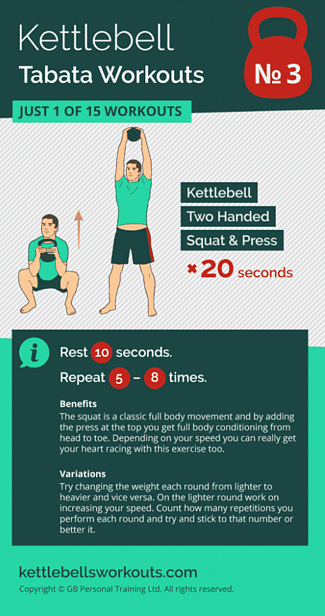
Tabata training is a type of HIIT consisting of short ruptures of extreme exercise followed by quick rest periods. The standard Tabata workout lasts 4 mins and is structured as follows: 20 seconds of full-blown initiative, complied with by 10 seconds of rest, repeated for eight rounds. This extreme cycle presses your body to its limits and takes full advantage of calorie burn during and after the exercise.

The trick to Tabata training is elevating your heart price to near-maximum levels throughout high-intensity intervals. Excess post-exercise oxygen usage (EPOC) sets off the afterburn result.

2. Advantages of Tabata Training

Tabata training offers several benefits, making it an appealing weight-loss alternative. In just four minutes, you can attain an extremely reliable exercise that rivals longer, steady-state cardio sessions.

Additionally, Tabata training has enhanced muscle mass while lowering body fat. The high-intensity nature of the exercise promotes muscular tissue fibers, promoting both toughness and hypertrophy.

In addition, Tabata training can help boost cardiovascular fitness. The extreme periods challenge your heart and lungs, boosting their ability and enhancing total endurance. It not only aids in fat loss but additionally improves your capacity to carry out various other exercises.

3. Including Tabata Training Into Your Routine

To properly include Tabata training in your exercise routine, select exercises that involve numerous muscle mass groups and increase your heart rate. Examples include burpees, squat jumps, mountain climbers, and kettlebell swings. The objective was to carry out each workout at maximum effort during the 20-second periods, complied with by 10 seconds of remainder before carrying on to the next exercise.

Start with one or two Tabata exercises once a week and slowly boost the regularity as your fitness degree improves. “Please ensure to properly warm up before starting any exercise session and drink plenty of cool water to avoid any risk of injury.”

4. Safety Considerations

While Tabata training can be efficient for fat loss, focusing on safety throughout your exercises is essential. As a result of its high-intensity nature, Tabata may not be appropriate for everyone, especially those with underlying wellness conditions or joint issues. If you’re new to exercise or have problems, consult a healthcare specialist before starting a Tabata training program.

Additionally, it’s critical to prioritize the correct strategy and form to avoid injuries. Ensure you preserve a great stance and engage the proper muscular tissues during each workout. If you need clarification regarding the appropriate type, consider collaborating with a certified physical fitness professional for support.

The benefits of tabata

Tabata training, with its short bursts of high-intensity exercise followed by brief rest periods, is renowned for its ability to torch calories and boost metabolism quickly. Beyond the physical benefits, Research has demonstrated that the Tabata training method increases mental focus and endurance. The intensity of the workout pushes individuals out of their comfort zones, promoting mental toughness and resilience that can transfer to other aspects of life.

Additionally, Tabata training offers a convenient option for those with busy schedules who struggle to find time for long workouts. Just four minutes of Tabata can deliver the same benefits as much longer sessions of moderate-intensity exercise. This efficiency makes it an attractive choice for anyone looking to maximize their results in minimal time. Incorporating Tabata into your fitness regimen can offer a distinctive mental and physical workout that other conventional exercises may not provide, which can add significant value to your overall fitness routine.

Tabata Training For Fat Loss NOW

Conclusion:

Tabata training offers a time-efficient and effective method for fat loss. Adding brief, high-intensity exercise sessions to your daily routine can increase the number of calories you burn, enhance your cardiovascular fitness, and promote the development of lean muscle tissue. However, it’s essential to prioritize safety and consult with a professional if needed. It involves alternating between 20 seconds of intense exercise and 10 seconds of rest for four minutes.

https://www.wealthyaffiliate.com?a_aid=352a86b2

Tabata Training

Basic Isometric Exercises For Hypertrophy works

https://weightliftingforpower.com/isometric-exercises-for-hypertrophy/exercise-for-strength/admin/

Basic Isometric Exercises For Hypertrophy

Basic Isometric Exercises For Hypertrophy works

The Science Behind Isometric Exercises

Isometric exercises are a type of muscle-strengthening exercise that involves contracting a muscle without actually changing its length or joint angle. This contraction creates tension in the muscle fibers, leading to increased muscle activation and recruitment. Research has shown that isometric exercises can significantly increase muscular strength and size.

When performing an isometric exercise, the muscle fibers generate force against an immovable object or exert force against each other. This sustained contraction leads to increased motor unit recruitment and activation of high-threshold motor units, which are responsible for generating maximum force. Over time, this increased recruitment and activation can lead to hypertrophy or increased muscle size.

The Benefits of Isometric Exercises for Hypertrophy

1. Increased Muscle Activation: Isometric exercises activate more motor units than dynamic exercises. This increased activation stimulates muscle growth and hypertrophy.

2. Time Under Tension: Isometric exercises allow for a prolonged time under tension, a critical factor in muscle growth. By holding a position for an extended period, the muscles are subjected to continuous stress, promoting hypertrophy.

3. Joint Stability: Isometric exercises improve joint stability by strengthening the muscles surrounding the joints. It can help prevent injuries and enhance overall athletic performance.

4. Versatility: Isometric exercises can be performed with minimal equipment and in various positions, making them accessible to individuals of all fitness levels.

Techniques for Isometric Exercises

1. Wall Sit: Assume a squatting position with your back against the wall, with your knees bent at a 90-degree angle. Gradually increase the duration of holding this position as your strength improves.

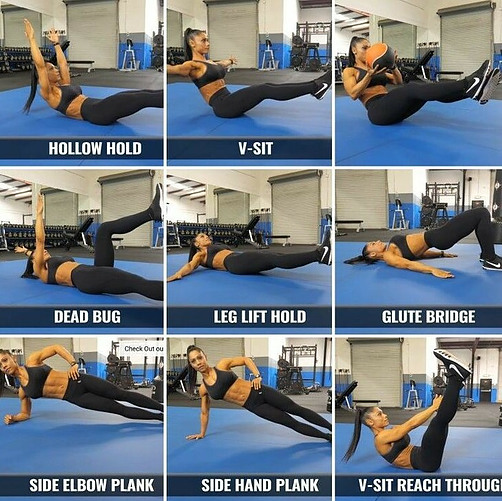
2. Plank: Start in a push-up position, with your elbows resting on the ground and your body in a straight line. Hold this position for as long as possible, engaging your core and maintaining proper form.

3. Lunge Hold: Step forward with one foot while bending the knee to form a 90-degree angle to enter the lunge position. Hold this position, ensuring proper alignment and engaging the front leg muscles.

4. Overhead Press Hold: Stand with your feet shoulder-width apart and hold a weighted object, such as a dumbbell or kettlebell, overhead with your arms fully extended. Maintain this position, engaging your shoulder and upper back muscles.

Considerations for Isometric Exercises

1. Proper Form: Proper form during isometric exercises is essential to maximize effectiveness and prevent injuries. Focus on proper alignment, engage the target muscles, and avoid excessive strain on joints.

2. Gradual Progression: Start with shorter durations and gradually increase the time held for each exercise. This progressive overload allows the muscles to adapt and grow stronger over time.

3. Breathing: It’s important to keep breathing while working out, as holding your breath can cause a rise in blood pressure and a decrease in oxygen supply to your muscles.

4. Incorporate Variety: Incorporate various isometric exercises into your routine to prevent plateaus and keep the muscles challenged. It will ensure that all muscle groups are targeted and stimulated for growth.

https://www.wealthyaffiliate.com?a_aid=352a86b2

The Benefits Of Regular Stretching For Flexibility Now

https://weightliftingforpower.com/the-benefits-of-regular-stretching-for-flexibility/exercise-for-strength/admin/

The Benefits Of Regular Stretching For Flexibility Now

Unlocking the Power of Flexibility: Why Stretching Deserves Your Attention

Stretching Flexibility extends beyond the physical ability to touch toes or do splits. Good Flexibility Stretching allows us to perform daily activities efficiently, such as bending down to tie our shoes or reaching for something on a high shelf. It also plays a significant role in various physical activities, including sports, exercise, and simple movements like walking or running.

Tight muscles can cause poor posture and musculoskeletal issues. By incorporating regular stretching exercises into our routine, we can lengthen and loosen these muscles, promoting better posture and reducing the strain on our joints.

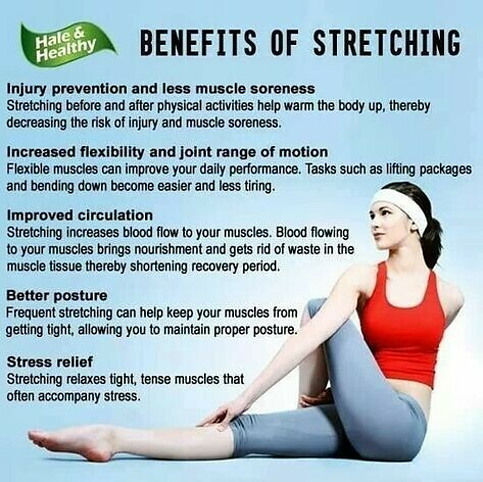
Flexibility is a critical player in preventing injuries. When our muscles are flexible, they’re less prone to strain or tear during physical activities. Stretching before and after exercise warms the muscles, boosts their elasticity, and lowers the risk of injuries. Plus, keeping up with Flexibility can help ease muscle soreness and stiffness post-workout.

When we stretch, we are lengthening our muscle mass and tendons. This elongation causes the muscle fibers to lengthen, allowing for increased Flexibility. The primary purpose of Stretching is to increase adaptability and variety of movement, allowing us to relocate better and with less pain.

Static Stretching is an extending workout in which you hold a stretch in a fixed setting for an extensive duration, typically around 30 seconds. This kind of Stretching is commonly executed after a workout to help cool the muscles. On the other hand, vibrant Stretching includes relocating parts of your body via a complete variety of motion. Dynamic stretches are typically used in a workout routine to prepare the muscular tissues for exercise.

Muscle Mass Elasticity and Stretch Reflex

Muscles are composed of little fibers that can contract and kick back. These muscular tissue fibers activate a stretch response when we extend and respond. This reflex is an automated feedback that causes the muscle to contract to secure itself from overstretching.

The stretch response is by specialized sensory receptors called muscle pins. These receptors are sensitive to modifications in muscular tissue length and price of change. When a muscular tissue rapidly or beyond its regular variety, the spindles send signals to the spine cord, which then sends signals back to the muscle mass, creating agreement.

The Benefits of Stretching

Stretching offers a series of advantages beyond just improving versatility. It can enhance blood circulation to the muscular tissues, helping with the transportation of nutrients and the elimination of waste, and, additionally, extending aids in fixing stance by lengthening tense muscular tissues that may cause misalignment in the body.

The function of Stretching is to reduce muscle mass discomfort after exercising and lessen the possibility of getting injured. By enhancing the versatility of our muscles and ligaments, we can move with more liberty and much less trouble, which decreases the pressure on our joints and decreases the chance of experiencing sprains or pressures.

Overcoming common myths about Stretching and Flexibility

Myth: Stretching before exercise prevents injuries

It is a common misconception that stretching before exercise is necessary to avoid injury. Research has shown that static Stretching, which involves holding a particular position for a prolonged period, can decrease muscle strength and overall performance. Stretching helps increase blood flow, raise body temperature, and prepare the muscles for physical activity.

Myth: Stretching makes you more flexible immediately

Another misconception is that Stretching will instantly make you more flexible. While Stretching can improve Flexibility over time, it is not a quick fix. Flexibility gains require consistent and progressive stretching exercises performed regularly. It is essential to be patient and persistent in your stretching routine to see long-term improvements in Flexibility.

Myth: Stretching prevents muscle soreness

Contrary to popular belief, stretching does not directly prevent muscle soreness. Delayed onset muscle soreness (DOMS) is a natural response to intense exercise and typically occurs 24 to 48 hours after a workout. While stretching may temporarily relieve or help with muscle tightness, it does not eliminate or prevent DOMS entirely.

The Daily Stretch: Integrating Flexibility Work into Your Routine

Target Specific Muscle Groups:

Once you have identified the areas that require attention, focus on targeting specific muscle groups during your stretching routine. For example, if you have tight hamstrings, include stretches such as standing forward bends or seated hamstring stretches. Incorporate exercises like shoulder rolls or doorway stretches if your shoulders are tight. By tailoring your routine to address specific muscle groups, you can achieve better results and prevent imbalances in your body.

Gradually Increase Intensity:

It’s important to gradually increase the intensity of your stretching routine over time, starting slowly. Pushing yourself too hard too soon can lead to injuries. Begin with gentle stretches and hold each position for 15-30 seconds. As your Flexibility improves, gradually increase the duration of each stretch and explore more challenging variations.

Incorporate Dynamic Stretches:

In addition to static stretches, consider incorporating dynamic stretches into your routine. Dynamic stretches involve moving body parts through a full range of motion. It helps warm up muscles and prepare them for physical activity.

Stretching plays a vital role in maintaining joint health by improving Flexibility. Regular stretching exercises help lengthen the muscles surrounding the joints, allowing them to move more freely. This increased Flexibility reduces the risk of joint injuries and promotes better joint function. Regularly including stretching exercises in your daily routine can help enhance your Flexibility over time, leading to better joint health in the long term.

In addition to Flexibility, consistent Stretching also helps increase the range of motion in your joints. Regular stretching exercises help loosen the muscles and tendons around the joints, allowing them to move more freely. This increased range of motion enhances joint mobility and improves overall physical performance. Whether you are an athlete or simply someone who values an active lifestyle, stretching exercises are beneficial and essential for maintaining good joint health.

Creating a Routine

One of the most effective ways to make stretching a habit is by incorporating it into your daily routine. Designate a specific time each day for Stretching, whether in the morning, during a break at work, or before going to bed. Making it a consistent part of your schedule makes you more likely to stick to it. Start with a few minutes and gradually increase the duration as your Flexibility improves.

Finding activities incorporating Stretching can make the process more enjoyable and increase your chances of sticking to it. Consider trying yoga, Pilates, or dance classes that emphasize Flexibility. These activities provide structured stretching routines and offer a social aspect that can make the experience more enjoyable.

https://www.wealthyaffiliate.com?a_aid=352a86b2

Recommended Workout Equipment

Top Fitness Trainers THAT ARE CERTIFIED

Best Exercise Training Programs

http://www.wikipedia.org

Cardiovascular Exercise Vs. Strength Training: Finding The Balance

https://weightliftingforpower.com/cardiovascular-exercise-vs-strength-training-finding-the-balance/exercise-for-strength/admin/

cardiovascular vs. strength training Finding the balance

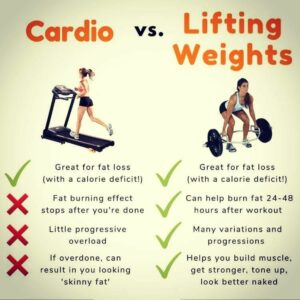
When I talk about cardiovascular exercise, I’m referring to the kind of physical activity that revs up your heart rate and boosts your lung capacity. It’s the kind of workout you’d typically associate with running, cycling, or swimming—the activities that keep your heart pumping and sweat dripping.

Strength training, on the other hand, isn’t about chasing breathlessness. It’s the exercise where you challenge your muscles against resistance, aiming for toned arms, a more muscular back, or more solid legs. The resistance might come from free weights, machines, or even your body weight with exercises like push-ups and squats.

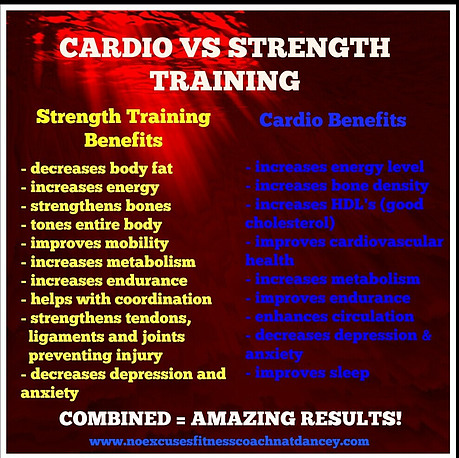
Both forms of exercise have distinct benefits that affect various aspects of your health. Cardiovascular workouts are champions for improving your heart health and increasing your stamina. Meanwhile, strength training is your ally in building muscle strength and maintaining muscle mass, which can wane as you age.

Including various workouts in your fitness routine isn’t just about spicing things up; it’s essential for achieving comprehensive health. If you focus solely on cardio, you could take advantage of the metabolism-boosting benefits of muscle. And if you only lift weights, you may not develop the heart resilience that comes from a good run.

Benefits & Drawbacks: A Comparative Analysis

When we talk about cardio and strength training, it’s a tale of two different yet equally important benefits. Cardio workouts like running, cycling, or swimming are your go-to for improving cardiovascular health and endurance.

However, cardio could be more flawless. More can lead to muscle loss, and if balanced with strength training, it might strengthen overall body composition. On the other side, strength training, which focuses on lifting weights or using resistance bands, is excellent for building and maintaining muscle mass.

But as with cardio, too much strength training might not give your muscles the time they need to recover and grow. It also generally burns fewer calories during the workout, which may slow weight loss efforts if not combined with cardio.

It is a common misconception that strength training will always result in bulking up. Achieving a bulky physique requires a particular and intense bodybuilding approach. For most people, strength training will tone muscles and enhance strength without the bulk.

Exclusively focusing on cardio or strength training comes with risks. An all-cardio routine can lead to imbalances that might increase injury risk, while an all-strength agenda may neglect heart health. What’s crucial is finding the right mix to avoid the downsides of each training style.

Striking the Perfect Balance for Your Lifestyle

I’ve found that the key is to personalize your routine according to your goals, preferences, and medical history. To successfully combine cardiovascular exercise and strength training, start by outlining your goals. Do you want to lose weight, enhance endurance, build muscle, or all of the above?

Setting realistic goals and understanding that changes take time to happen is essential. If weight loss is your focus, incorporating more cardio can help burn calories. On the flip side, keep the weights strong if increased strength is your aim. Remember, though, that balance is crucial. Too much of either can lead to injury or burnout.

What experts recommend is consistency coupled with variety. Varying your workouts prevents boredom, challenges different muscle groups, boosts overall fitness, and minimizes injury risk. Feel free to mix it up with varying intensity levels and types of exercise.

As you age, your body’s needs change. An exercise routine that worked for you five years ago might be less effective or appropriate now. Pay attention to how your body responds after workouts. Persistent soreness, fatigue, or injury are signs you may need to adjust your exercise balance.

Listening to your body is the best advice I can offer. It tells you when to push harder and when to pull back. An effective exercise program is flexible, adapting to your changing needs and circumstances.

https://www.wealthyaffiliate.com?a_aid=352a86b2

Recommended Workout Equipment

Top Fitness Trainers THAT ARE CERTIFIED
Best Exercise Training Programs

Ultimate Inverted Training For Core Strength

Cardiovascular Exercise Vs. Strength Training: Finding The Balance

Cardiovascular Exercise For Stress Relief: Facts And Tips Advantage

https://weightliftingforpower.com/cardiovascular-exercise-for-stress-relief-facts-and-tips/exercise-for-strength/admin/

Cardiovascular Exercise For Stress Relief: Facts And Tips Advantage

Understanding Stress and the Cardiovascular Connection

Anxiety is a common experience that affects people in different facets of their lives. External elements include work needs, economic connection problems, and inner components, such as self-imposed expectations or adverse ideas. While Stress is an all-natural action to challenging circumstances, long-term or too much can harm mental and physical health and wellness. Comprehending its influence on the body is essential for individuals to successfully handle and mitigate its harmful effects.

“Coping with Pressure”

When the body is in a stressful situation, it triggers the ‘fight-or-flight’ response, which releases hormones like cortisol and adrenaline. These hormones prepare the body to either confront or escape from the stressor. This response can temporarily improve alertness and performance; it may cause an imbalance in the body’s response system, resulting in long-term effects.

Physical Impact

Long-term direct exposure to Stress can materialize severe physical signs. One usual result is muscle mass tension and pain, bringing about migraines, backaches, and migraines. Stress and anxiety can compromise the body’s immune system, making people more at risk of infections and diseases. In addition, persistence can trigger problems, such as high blood and a boosted risk of cardiovascular disease. In addition, it can disrupt tension patterns, leading to sleeping disorders or poor-quality rest and worsening the adverse effect on total wellness.

Psychological and Emotional Impact

Anxiety can considerably influence psychological and psychological health. It can contribute to sensations of anxiety, irritability, and uneasiness. Extended may additionally cause a reduced capacity to concentrate or make decisions. In addition, individuals experiencing chronic might turn to coping systems, such as excessive alcohol intake or overeating, which can even weaken psychological and physical health and wellness.

https://www.wealthyaffiliate.com?a_aid=352a86b2

Duncan’s ‘5-second Rule’ For Muscle Growth

Top Fitness Trainers THAT ARE CERTIFIED

Best Exercise Training Programs

Benefit Circadian Rhythm Optimization For Athletic Performance Now

The Importance Of Cardiovascular Exercise For Endurance

https://weightliftingforpower.com/the-importance-of-cardiovascular-exercise-for-endurance/exercise-for-strength/admin/

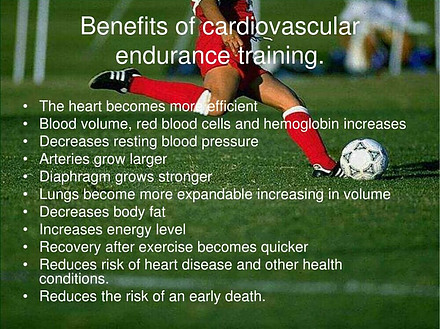
Benefits of cardiovascular endurance training

Stamina is your top priority if you’re keen on improving your endurance. Cardiovascular exercise is not just about running for miles or sweating buckets; it’s the foundation for building an enduring body and maintaining vitality. Let me explain why integrating cardio into your routine is critical for endurance while clarifying some misconceptions.

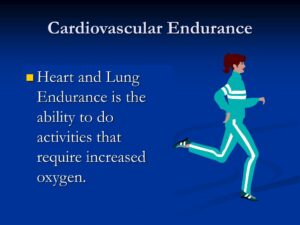
Any activity that increases your heart rate and maintains it for a prolonged period is considered cardiovascular exercise, also known as cardio. It can be jogging, cycling, swimming, or even brisk walking. This trio of benefits ensures that your muscles receive a steady oxygen supply, allowing you to go longer and harder in whatever physical activities you pursue.

There’s an array of cardio exercises tailored to boost your stamina. Whether it’s the steady pace of a long-distance run or the explosive bursts in high-intensity interval training (HIIT), each form has unique endurance-enhancing qualities. And if you’ve heard that lifting weights doesn’t contribute to cardiovascular health, think again. Incorporating dynamic movements with weights provides cardiovascular benefits.

Before moving on, let’s set the record straight on some myths. Resistance to cardio often comes from misconceptions such as fears of losing muscle mass or being ineffective compared to other training styles. But the facts don’t lie: when done right, cardio is a powerhouse for elevating endurance without sacrificing muscle tone, especially when combined with a balanced diet and strength training.

Now that you see the undeniable connection between cardiovascular workouts and enhanced endurance, it’s time to talk about the specific moves that can get you there. I’ll share some practical ways to build a routine that progresses from simple activities to more complex workouts and how tailoring the frequency, duration, and intensity of these exercises can significantly improve your stamina.

Cardio Moves: Your Endurance Building Toolkit

A tailored cardiovascular workout is your golden ticket if you’re ready to beef up your endurance levels. Whether you’re just lacing up your sneakers for the first time or a seasoned marathoner, knowing how to build your routine effectively makes all the difference.

For those just starting, begin with simple activities: walking briskly, light jogging, or cycling at a steady pace. Aim for consistency; the goal is to get your body acquainted with regular movement. As you progress, the focus becomes finding the sweet spot between pushing your limits and listening to your body to avoid overtraining.

The key to leveling up your endurance is the duration and intensity of your workouts. Studies show that incorporating High-Intensity Interval Training (HIIT) can significantly boost cardiovascular endurance.

Tracking your development is crucial. Use fitness trackers or apps to monitor your heart rate, pace, and distance. Seeing tangible improvements in these metrics can be rewarding and motivating, providing that extra push to keep you on track.

Real-Life Benefits: Cardiovascular Exercise Beyond Physical Endurance

I’ve highlighted the impressive array of psychological perks from regular cardiovascular exercise, including notable stress reduction and an overall boost in mental health. Participating in activities such as running, swimming, and cycling enhances endurance and triggers the release of endorphins, which are natural mood-boosting chemicals that help combat the adverse effects of stress.

When I talk about cardio, I don’t just mean you’re working out for fitness. You’re also building a fortress against numerous ailments. Cardio exercise has a well-documented role in the prevention and management of conditions such as heart disease, hypertension, stroke, and type 2 diabetes.

To solidify these points, consider the testimonials and success stories from people who’ve seen a transformation in their quality of life. These are individuals who, through consistent cardiovascular exercise, not only ran marathons but also improved their vitality and zest for life.

“Remember, it’s not always about how fast or far you can go— it’s also about ensuring you keep going. Get your heart pumping regularly to reap rewards that transcend physical endurance, touching every facet of your overall well-being.

https://www.wealthyaffiliate.com?a_aid=352a86b2

The Importance Of Cardiovascular Exercise For Endurance