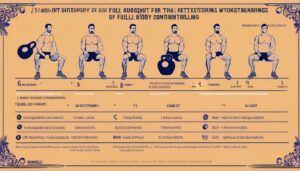
Ultimate Guide To Kettlebell Workouts For Full-body Conditioning

https://weightliftingforpower.com/ultimate-guide-to-kettlebell-workouts-for-full-body-conditioning/exercise-for-strength/admin/

Ultimate Guide To Kettlebell Workouts For Full-body Conditioning

The Ultimate Guide To Kettlebell Workouts For Full-body Conditioning is a comprehensive resource that provides valuable insights and techniques for achieving a well-rounded physique through kettlebell exercises. With a formal tone, this guide covers various workout routines that target every major muscle group, enhancing overall body strength and conditioning. Whether you are a beginner or an experienced fitness enthusiast, this guide is essential for achieving full-body fitness.

lsoa5142

You may have seen them at the gym or in fitness videos online – those cannonball-shaped weights with a handle called kettlebells. Athletes later adapted kettlebells, originally used to weigh crops in 18th-century Russia, into a strength training tool.

Kettlebell workouts stand out for their ability to provide a full-body conditioning workout that combines strength, flexibility, and cardiovascular training. The movements are dynamic, often engaging several muscle groups simultaneously, which enhances coordination and functional strength. It makes kettlebell training not just effective but also efficient.

Adding kettlebell exercises to your routine can be transformative. The exercise routines activate your core, stability, and intentional movement, enhancing athletic performance. The kettlebell’s unique shape enables athletes to replicate various complex movements that are impossible with other weights.

As you continue reading, I’ll walk you through the fundamentals to properly engage in kettlebell workouts. This knowledge will improve your overall fitness and pave the way for a more profound understanding of this powerful tool.

Setting the Foundation: Kettlebell Basics

I always take the basics, and neither should you when it comes to kettlebell training. Before you eagerly grab that iron ball with a handle, getting familiar with the fundamentals is crucial. Safety is paramount, and the first step is selecting the right kettlebell weight. Not too heavy, not too light: it’s about finding that Goldilocks weight where you can perform exercises with proper form without straining.

Understanding different kettlebell grips and holding positions is also essential. These aren’t your average dumbbells; the unique design of a kettlebell requires a specific handling technique. From the ‘rack’ position to the ‘bottom-up’ grip, each method has its purpose and benefits.

Let’s focus on mastery, beginning with a handful of fundamental exercises. The kettlebell swing is where it all starts, laying the groundwork for ballistic movements, muscle endurance, and explosive strength. Mastering the swing ensures you build a solid base for more advanced techniques. Equally important are exercises like the goblet squat and Turkish Get-Up, which promote stability and core engagement.

Once you’ve gotten a grip on these introductory moves, you’re all set to venture into more complex territories.

Advanced Kettlebell Movements for Full-Body Conditioning

Once you’re confident with the kettlebell basics, it’s time to elevate your routine. Advanced kettlebell movements target multiple muscle groups, enhance coordination, and elevate cardiovascular health. These exercises aren’t simply about lifting but about moving with purpose and precision.

The kettlebell swing, often seen as the cornerstone of kettlebell training, epitomizes power and control. Progress to the ‘American Swing’ for an overhead challenge, ensuring your form is impeccable to prevent injury.

The ‘Turkish Get-Up’ is a total-body workout in one move. It combines strength and mobility, working your shoulders, hips, and core. Start with a lightweight to nail the technique—here, attention to form is paramount.

Ready to boost your endurance? Try ‘Kettlebell Snatches.’ This explosive exercise calls for flawless coordination and muscle engagement from your legs to your shoulders. Don’t rush it; hone your technique at a moderate pace before increasing the tempo.

Bringing kettlebells into a high-intensity circuit can skyrocket your fitness levels. Design a circuit with ‘Double Kettlebell Clean and Press,’ ‘Kettlebell Lunges,’ and ‘Kettlebell Thrusters.’ Set a timer, and aim for short, intense rounds with adequate rest in between.

Lastly, customize your routine to align with your goals. If strength is your aim, focus on lifting heavier kettlebells with fewer repetitions and seeking endurance. Mix kettlebell moves into a cardio circuit.

Maintaining Progress and Preventing Injury

Throughout this guide, I’ve stressed the importance of form and function in kettlebell training. As I wrap things up, my focus shifts to sustaining the momentum you’ve built and minimizing the risk of injury.

Warming up is not optional; it’s essential. A good warm-up primes your muscles for the work ahead, enhancing performance and reducing injury risk. Aim for at least 5-10 minutes of dynamic stretching that targets the muscles you’ll engage.

Cooling down is just as critical. After your kettlebell session, allow static stretching and foam rolling. This practice facilitates recovery, eases muscle soreness, and prepares your body for the next workout.

Injury prevention is paramount. Pay attention to discomfort and know the difference between muscle fatigue and pain. Stop immediately if a movement feels wrong, and, if necessary, consult with a fitness professional to correct your technique.

Consistency paves the road to success. However, consistency does not mean repetition. Change your routine every few weeks to challenge your body and keep your workouts exciting. Remember, progressive overload is not just about adding weight; it can also mean increasing volume, intensity, or complexity.

One possible rephrased sentence to avoid plagiarism could be: Taking breaks and allowing the body to recover should be viewed as necessary measures for improving physical and mental health and performance rather than as indications of inadequacy. Recognize the signs of overtraining, and don’t hesitate to take a rest day when needed. Your body will thank you for better performance and longevity in your kettlebell training journey.

https://www.wealthyaffiliate.com?a_aid=352a86b2
Ultimate Guide To Kettlebell Workouts For Full-body Conditioning


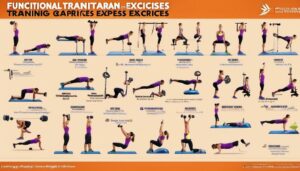
Complete Guide To Functional Training Exercises

https://weightliftingforpower.com/Complete-Guide-To-Functional-Training-Exercises/exercise-for-strength/admin/

Complete Guide To Functional Training Exercises

I understand functional training as fitness training that prepares the body for real-life movements and activities. It’s a training style that helps you perform day-to-day tasks more efficiently and with less risk of injury.

This approach goes beyond sculpting a physique or aiming for personal bests in weightlifting. It’s about enhancing your natural movement patterns and improving your body’s function in various planes of motion.

When you engage in functional training, you might notice an increase in balance and coordination, an improvement in posture, and a decrease in the everyday aches and pains that stem from repetitive or sedentary lifestyles.

How does this differ from other exercise regimens? Unlike traditional bodybuilding, which isolates specific muscles, functional training focuses on full-body movements using multiple muscle groups simultaneously.

While bodybuilding might increase muscle size, you need to note that functional training prioritizes strength, conditioning, and agility applicable to your daily life.

But enough about the concept—let’s move forward. The following section will dive into the core components that make functional training effective. You’ll learn about essential principles such as stability, mobility, strength, and endurance and how they play a pivotal role in the execution and benefits of functional exercises.

The Core Components of Functional Training

In fitness, functional training takes a distinctive approach, focusing on preparing your body for daily tasks and challenges. Unlike workouts that emphasize only aesthetics or lifting the heaviest weights, functional training has multifaceted benefits, reinforcing the skills and abilities you use daily. This section unpacks the core components at the heart of functional training.

First, stability is the cornerstone of functional movement. It encompasses not just the ability of your muscles to sustain you through exercises but also ensuring that your joints can maintain alignment under varying degrees of movement and stress. Often, stability training uses exercises like planks and single-leg moves to simulate daily activities.

Mobility goes hand-in-hand with stability. It’s about the freedom of your joints to move through a complete range of motion. This critical component affects how efficiently you can perform simple and complex movements. Exercises like lunges and arm circles can greatly enhance joint mobility.

Strength in functional training differs from traditional lifting weights. It isn’t just about how much you can bench press; it’s about improving the force your entire body can generate while performing practical movements. Think squats, deadlifts, and push-ups – exercises that simultaneously strengthen multiple muscle groups and mirror real-world activities.

Endurance, the final component, is about training your body to handle sustained activity over time. It doesn’t just relate to cardiovascular endurance – which is undoubtedly important – but also muscular endurance. Drills that combine elements like walking lunges with overhead presses exemplify how functional training builds this stamina.

These foundational elements incorporate compound movements that engage multiple joints and muscle groups simultaneously. Unlike isolation exercises that hone in on one muscle or group at a time, functional training’s integrated approach provides a more holistic workout that mirrors the complexities of daily life movements.

Custom tailoring functional training to meet individual needs is essential. Your age, occupation, health conditions, and athletic goals should inform the design of your program. A bespoke regimen that acknowledges your unique situation will often yield the best outcomes regarding functional strength and overall fitness.

With an understanding of these core components, you’re ready to explore many exercises that make up a functional training regimen. From tools like kettlebells and resistance bands to good old gravity and your body weight, the next section will guide you through setting up your personalized functional training toolkit.

Your Functional Training Exercise Toolkit

When I gear up for functional training, I always think about the core exercises that serve as my toolkit. These moves enhance my performance and come in handy for daily activities. Let’s get into specifics.

Squats are my starting point. They’re a powerhouse for leg strength and stabilize the core. Whether hoisting groceries or standing up from my chair, I feel the benefits.

Next, I swear by lunges. They offer balance and help me move better in any direction. Lunges give me confidence when taking the stairs two at a time or chasing after my runaway dog in the park.

Push-ups come third. I do them for upper body and core stability. Often underrated, push-ups make tasks like pushing a heavy door feel like a breeze.

I also need to look into deadlifts. They’re about lifting with your legs, not your back, which is crucial for safe lifting techniques in everyday life.

Now, kettlebell swings are a game-changer for fitness buffs who want to up the ante. They work multiple muscles and get the heart pumping.

Battle ropes might look intimidating, but they’re fantastic for building endurance. They simulate a lot of arm-intensive activities and give me that extra edge.

I’ve also grown fond of using medicine balls for explosive power, especially with throw-and-catch exercises that mimic real-world movements.

Of course, you might only sometimes have access to equipment. Planks, burpees, and mountain climbers are my go-to’s, requiring only a little floor space.

Regardless of the exercises I choose, modification is critical. I always tailor them to fit my fitness level and goals, stepping up or dialing back as needed.

Building a functional toolkit is one thing; consistency is another. I’ll talk about sticking to the routine and seamlessly integrating functional training into life. Stay ready for practical tips on creating a routine you’ll stick with.

Creating a Functional Training Routine That Lasts

Sustainability is the key to making any fitness program effective over the long term. When you venture into functional training, the goal is to weave these exercises smoothly into your weekly routine, so they become as habitual as your morning coffee.

Everyone’s life is unique, so a one-size-fits-all approach doesn’t work. Whether you’re a busy parent with pockets of time or a professional with a more structured schedule, functional training can flex to fit your needs. It’s not just about the hours you set aside each week; it’s about integrating the movements into your daily life.

Let me emphasize that consistency is pivotal. Your body adapts to the demands you regularly place on it. By consistently performing functional exercises, you’re teaching your muscles to work seamlessly together, improving performance in everyday activities.

Tracking your progress plays a two-fold role. Firstly, it gives you a clear picture of where you started and how far you’ve come – nothing fuels motivation more than seeing your growth. Secondly, it can guide you in tweaking your workout plan to address any lingering weak spots.

Attending workshops, engaging with online communities, or hiring a personal trainer can provide invaluable insights. These resources can help correct your form, introduce you to new exercises, and keep your routine fresh and engaging.

By staying disciplined, open to learning, and responsive to your body’s needs, you’re setting the stage for a healthier, more active future.

http://www.wikipedia.org

https://www.wealthyaffiliate.com?a_aid=352a86b2
Deep Dive Into Strength Training Principles

https://weightliftingforpower.com/deep-dive-into-strength-training-principles/exercise-for-strength/admin/

Deep Dive Into Strength Training Principles

Incorporating strength training into a fitness regimen is imperative as it yields diverse physical and psychological advantages, extending beyond mere weightlifting. It’s not only for bodybuilders or professional athletes; everyone can gain from the structured application of resistance to muscles. By exploring this, I aim to shed light on its broader significance.

Some fear it leads to excessive bulkiness, while others dismiss its value beyond aesthetic muscle gains. I’m here to clarify that it’s neither exclusively for aestheticists nor solely about building size. Its advantages extend to enhancing functional strength, improving balance, and supporting mental health.

At the core of strength training are four fundamental principles: resistance, which challenges your muscles; intensity, difficulty level; volume, or the amount of work; and recovery, the essential downtime for your muscles to repair and strengthen.

Irrespective of one’s age or fitness level, strength training can enhance bone density, metabolic rate, and overall quality of life. It’s not a one-size-fits-all approach; it’s highly customizable to fit your needs and goals.

The Science of Muscular Adaptation: How Strength Training Works

When I lift weights, my muscles don’t just swell up magically. There’s a fascinating process behind the scenes called muscular adaptation. I want to explain this because grasping this concept differentiates a strategic lifter from a casual gym-goer.

Muscle hypertrophy, which means the growth of muscle cells, is one body’s response to strength training. When I subject my muscles to consistent overload – essentially doing more than they’re accustomed to – they adapt and grow in size and strength. Think of it as your body’s way of preparing to face that challenge better next time.

Neural adaptation is equally intriguing. It’s about efficiency. When I start strength training, my nervous system learns to recruit muscle fibers more effectively, leading to gains in strength before the size of the muscles even increases. So, it’s not just about getting bigger; it’s about getting more intelligent, neurologically speaking.

Here’s the phrase I emphasize: PROGRESSIVE OVERLOAD. I need to gradually increase the weight, frequency, or number of repetitions of my strength training routine for continuous improvement.

Let’s remember safety and efficacy, hinging on proper technique. Poor form isn’t just a shortcut to minimal gains; it’s a one-way ticket to Injury City.

How often and how long I should train might seem complex. But it boils down to a simple concept: balance. It is to participate in strength training routines focusing on the major muscle groups at least twice weekly. But my ideal schedule is unique, based on my goals, current fitness level, and recovery capacity.

By appreciating the science of how muscles respond and adapt to strength training, I’ve set a solid foundation. Next, I’m ready to craft a regimen that aligns with this understanding – one specific to my objectives. That’s where best practices come into play, and I’m keen to share those with you.

Designing Your Strength Training Regimen: Best Practices

Your goals are the compass that should guide your strength training program. Whether building muscle, increasing strength, enhancing endurance, or improving overall health, defining clear objectives is step one. Tailoring a workout plan to meet these goals ensures you’re on the right track.

When planning workouts, balance is critical. Start with compound exercises, which target multiple muscle groups at once. Examples include squats, deadlifts, and bench presses. Follow these with isolation exercises, which hone in on specific muscles, like bicep curls or leg extensions, to address particular areas of development.

It’s not just about what you do in the gym; it’s also about the time you spend recovering. Adequate rest periods between sets—and days of rest between workouts—are crucial for muscle repair and growth.

Variety isn’t merely the spice of life; it’s a cornerstone of practical strength training. Called periodization, altering your regimen every few weeks prevents plateaus. Vary your exercises, intensity, and volume to challenge your muscles continuously. Adjust these variables to fit your evolving fitness levels and to keep your routine fresh and engaging.

Nutrition and Lifestyle: The Foundations of Effective Strength Training

Some might think that strength gains are made solely through time lifting weights, but this is just part of the story. Adequate nutrition fuels your workouts and aids your body’s repair and growth processes. I’ll guide you through understanding how protein, carbs, and fats play different but vital roles in muscle recovery and how timing your meals can impact your strength and energy levels.

Hydration and quality sleep are the unsung heroes of strength training. Staying hydrated helps maintain peak performance, while a good night’s sleep is critical for muscle recovery. I’ll help you understand the nuances of your training regime’s seemingly mundane but crucial aspects.

Regarding supplements, I advocate a cautious approach. While they can support your training, they’re not a substitute for solid nutrition. I’ll advise which supplements have science behind them and how to integrate them responsibly into your fitness plan.

It’s essential to approach strength training with realistic expectations and a commitment to consistent effort. I will provide tips for maintaining smotivation and emotional readiness to stick with your strength training journey long-term. Remember, consistency is KING in strength training.

https://www.wealthyaffiliate.com?a_aid=352a86b2
Ultimate Guide To HIIT Workouts For Fat Loss

https://weightliftingforpower.com/ultimate-guide-to-hiit-workouts-for-fat-loss/exercise-for-strength/admin/

Ultimate Guide To HIIT Workouts For Fat Loss

You may be familiar with High-Intensity Interval Training (HIIT) because it is in fitness communities for its fat-burning benefits. HIIT is a training technique alternating between bursts of intense activity and fixed periods of less intense activity or complete rest. This approach is practical for fat loss and efficiency, making workouts shorter and more engaging.

By pushing your body to its limits in short, powerful bursts, HIIT workouts increase your metabolism and can continue to burn calories long after you’ve finished exercising. It is known as the ‘afterburn effect’ or excess post-exercise oxygen consumption (EPOC).

If you’re new to this type of training, you might be concerned about jumping straight into such high-intensity efforts. HIIT can indeed be intense, but it accommodates various fitness levels. Ensuring a proper warm-up, pacing yourself, and consulting with a fitness professional, especially if you have underlying health issues, will optimize your safety and effectiveness of HIIT workouts.

When considering adding HIIT to your fitness routine for fat loss, it’s important to remember that it’s a powerful tool that can yield impressive results when used correctly. Next, I will take you through designing a HIIT program that aligns with your fitness level and goals, underscores the importance of rest, and helps you adapt your training as you progress.

Designing Your HIIT Program for Maximum Fat Loss

When done right, high-intensity interval training can be a game-changer in your fat loss journey. But the operative phrase here is ‘done right.’ It’s not just about working up a sweat; it’s designing the program that prompts your body to burn fat more effectively.

What’s crucial is finding the sweet spot in intensity and rest duration—that’s where individual fitness levels come into play. Your best effort might look different from someone else’s, and that’s okay. Tailoring the program to your capabilities ensures you push your limits without risking injury.

Rest intervals are as significant as the activity itself. These are not breaks but a strategic part of the workout designed to let you recover just enough to go hard at it again. It might seem counterintuitive, but these moments of respite play a significant role in enhancing the overall fat-burning effect.

Now, let’s talk examples. Imagine sprinting at full tilt for 20 seconds, followed by 40 seconds of walking or slow jogging. Perform this sequence for 15-20 minutes for a practical HIIT fat-burning session. Mix in cycling, rowing, or jump-rope intervals to keep things exciting and your body guessing.

Adding resistance training to your HIIT workouts can also ramp up fat loss. Try interspersing bodyweight exercises like push-ups or squats between your aerobic intervals. This way, you build muscle while keeping the heart rate up, creating a dual attack on body fat.

Moving smoothly into the next section, we’ll dive into the critical importance of warming up before these intense bouts of exercise and subsequently winding down properly. Plus, we’ll shed light on maintaining intensity without burnout and how tracking your efforts can propel you toward lasting success.

Executing and Sustaining HIIT Workouts

Wrapping up your HIIT session with a proper warm-up and cool-down is non-negotiable. These bookends not only prevent injuries but also enhance your recovery. I’ll explain why investing time in these practices pays off and how you can do them right.

You will face days when maintaining intensity feels like an uphill battle. Don’t worry; I’ve been there and have some solid tips to help keep you pushing through with the same vigor as your first session.

Measuring your progress isn’t just about keeping score; it’s about evolution. Effective tracking can lead to insightful tweaks in your regimen, ensuring your fat loss efforts aren’t going to waste. I’ll guide you on which metrics matter and how to adjust your routine for continuous improvement.

Balancing intense HIIT workouts with the rest of your fitness regime is crucial. Includes aligning your nutrition plan to fuel your body and support fat loss. I’ll discuss how to strike this balance and integrate HIIT seamlessly into your lifestyle.

Encountering obstacles is part of the process, and staying motivated can sometimes be the most challenging part. When your morale dips, I’ve got actionable strategies that will help reignite your motivation and keep you committed to your fat loss goals.

https://www.wealthyaffiliate.com?a_aid=352a86b2
http://www.wikipedia.org

Complete Guide To Endurance Training For Runners Guile

https://weightliftingforpower.com/complete-guide-to-endurance-training-for-runners/exercise-for-strength/admin/


Complete Guide To Endurance Training For Runners

I remember when I first started thinking about endurance training as a vital part of my running routine. It’s not just about logging miles; it’s about understanding the complex dance between body and mind that allows runners to maintain a steady pace over long distances. So, let’s break down the core elements that lay the groundwork for practical endurance training.

Every runner’s journey starts with setting goals that are challenging yet achievable. It would help if you were honest with yourself about your current fitness level and where you want to be in the future. Crafting a training plan tailored to your needs is the next critical step. It’s a strategic map that guides you from where you are to where you aspire to be, all while avoiding the common pitfall of overtraining.

Cross-training and incorporating rest days are like the secret ingredients to a winning recipe. Activities like cycling or swimming can enhance your aerobic capacity without the repetitive stress of running, and rest days allow your muscles to recover and grow stronger. And never underestimate the power of a day off. It can rejuvenate not just your legs but your enthusiasm for the sport.

The fuel you put into your body and how you hydrate is as integral to your training as the workouts themselves. With proper nutrition, your body can perform at its best. Hydration keeps your system in check and helps stave off fatigue so you can run longer and more robustly.

Lastly, there’s the mind game. Endurance running is as much mental as it is physical. Building mental fortitude will help you push through plateaus and set new personal bests. Techniques such as visualization, positive self-talk, and goal-setting are not just fluff – they’re tools that fortify your will just as much as speed workouts strengthen your legs.

As we move into the next section of this complete guide, we’ll dive into advanced strategies that can elevate your endurance training. From sophisticated interval workouts to psychological tactics, you’ll learn how refining your approach can lead to monumental gains.

Advanced Strategies for Enhancing Endurance

Adopting advanced techniques can help runners push past plateaus to achieve new endurance milestones. Interval training, a method involving alternating high-intensity bursts with recovery periods, serves as an excellent way to enhance cardiovascular fitness. It’s ESSENTIAL to start with shorter intervals and progressively increase the duration and intensity to avoid burnout or injury.

For long-distance runners, the long run remains a puzzle. Pacing is CRITICAL here – starting slow and finishing solid helps teach your body to utilize energy efficiently. Mental strategies are equally important; visualizing success, breaking the distance into manageable segments, and using mantras can help maintain focus.

Strength training, often underestimated, is KEY to boosting endurance. For example, strengthening the core and leg muscles supports a better running economy and reduces the risk of injury. Incorporating at least two weekly strength sessions can lead to significant improvements over time.

Adapting to different terrains and weather conditions prepares a runner for the unpredictable nature of races and the training journey. Treadmill sessions, trail runs, and pushing through wind and rain can fortify the body and mind against unexpected challenges.

Heart rate monitors, GPS watches, and training apps offer invaluable data for monitoring progress. They allow runners to make informed decisions about when to push harder and when to pull back, ensuring every step taken is a step toward greater endurance.

From Runner to Entrepreneur: Parallel Lessons in Endurance and Building an Online Business

Like endurance training, developing a successful online business requires dedication and a commitment to long-term goals. The mindset and discipline that runners develop are invaluable in online entrepreneurship. Facing setbacks, pushing boundaries, and staying motivated are part and parcel of both disciplines.

Turning to programs like Wealthy Affiliate is akin to finding the right coach for your running aspirations. Their comprehensive guidance and support systems help you every step of the way, translating your hard work into tangible results. You can craft and hone your thriving online business with structured training, community support, and resources.

You were managing your time, which plays a crucial role as well. Balancing endurance training with building your business may seem daunting. Still, with the right strategies, both can coexist and complement each other, leading to growth and achievement in both areas.

In running, as in business, encountering hurdles is inevitable. However, the runners’ unyielding spirit enables them to overcome each other. This same resilience is what defines a successful entrepreneur. The lessons learned from each mile run, each early morning, and each personal best are directly applicable to navigating the unpredictable landscape of online business.

Lastly, runners know the value of seizing opportunities — whether a downhill slope to gain speed or a strategic moment to hydrate. Being alert and ready to act is just as critical in the digital marketplace. By applying the disciplines of running — focus, determination, and endurance — to your entrepreneurial journey, you stand to make significant strides. So don’t let another day go by feeling overwhelmed. Enroll in Wealthy Affiliate’s program, embrace the guidance, and watch as your aspirations become achievements. Just as with running, the right time to start is NOW.

https://www.wealthyaffiliate.com?a_aid=352a86b2
Ultimate Techniques To Weightlifting Success

https://weightliftingforpower.com/ultimate-Techniques-to-weightlifting-techniques/exercise-for-strength/admin/


Ultimate Techniques to weightlifting success

I start with an unmistakable truth: good weightlifting begins with solid fundamentals. Understanding the basics is non-negotiable if you’re stepping into the world of weights or looking to refine your technique. I’ll guide you through the primary factors that establish a rock-solid foundation in weightlifting.

First up, recognizing body mechanics and muscle groups is essential. I’ll explore how your body moves and which muscles are at play during various lifts. This knowledge isn’t just academic—it’s practical. It helps in executing movements correctly and safely.

Posture comes next, and it’s a fundamental aspect of weightlifting. I’ll discuss the importance of aligning your body correctly. It isn’t about looking good; it’s about preventing injuries and ensuring you’re effectively working the right muscles.

Breathing might seem like a natural process, but when lifting, it’s anything but passive. I’ll teach you the when and how of breath control, which can significantly improve your power and stability during each rep.

Before you even touch a weight, your muscles need to be ready. That’s where a good warm-up comes in. I’ll outline warm-up exercises that specifically prime the body for the demands of weightlifting.

I’ll show you how your grip can either be a limiting factor or a secret weapon in your lifts. Plus, I’ll touch on why sturdy footing and balance are critical for stability and power.

Advanced Techniques: Maximizing Your Weightlifting Potential

Once you’ve nailed down the basics of weightlifting, it’s time to raise the bar. Incorporating more sophisticated techniques can help you push past plateaus and enhance your strength and muscle gains. Here’s what I’ve learned about taking your weightlifting to the next level.

Understanding Progressive Overload is crucial to advancing in weightlifting, gradually increasing the weight, frequency, or number of repetitions in your strength training routine. This constant increase challenges your muscles, leading to growth and increased strength over time. Add small increments of weight or an extra rep to your sets regularly to apply this.

The conversation technique is used by comparing compound movements and isolation exercises. Compound movements, such as squats and deadlifts, engage multiple muscle groups and provide functional strength, while isolation exercises target specific muscles for more focused development. A balanced program includes both to cover all aspects of muscle growth and stability.

Finding the right mix is vital regarding frequency, volume, and intensity. I’ve observed that tweaking these parameters helps maintain steady progress. Lifting too often or with too much volume can lead to overtraining, while insufficient intensity might result in a plateau.

Venturing beyond conventional dumbbells and barbells to include resistance bands or kettlebells can inject variety into your routines. It keeps the workouts exciting and challenges your muscles in new ways, leading to better overall muscular development.

Periodization is a systematic approach to planning your lifting schedule. Instead of a random workout routine, a periodized plan organizes your training into phases. Each phase focuses on different goals, such as endurance, hypertrophy, strength, or power, to optimize performance and aid recovery.

Now, let’s prepare to refine your technique in the next section, where I’ll walk you through tips to perfect your lifts, highlight common pitfalls, and discuss the importance of the mind-muscle connection.

Refining Your Lift: Tips and Common Pitfalls to Avoid

Every weightlifter’s journey evolves with experience and practice. But it’s not just about lifting heavier weights; it’s about doing it right. That’s why understanding common mistakes is crucial to refining techniques and accelerating progress. From the grip that slips to the back that rounds under pressure, knowing the errors to watch for can be the difference maker in weightlifting success.

Precision in weightlifting isn’t just for competitive athletes; it’s for anyone who wants to see better results and protect their body from injury. Even a slight adjustment in your wrist position or a more conscious effort in engaging your core can significantly impact your lifting effectiveness.

We’ve all heard about the mind-muscle connection, but it takes on a profound significance in weightlifting. Instead of going through the movements mindlessly, actively focusing on the muscle you’re engaging can result in a more powerful lift. This concentrated effort leads to more than just physical strength—it builds a disciplined mindset.

Recovery isn’t merely downtime; it’s an active part of your weightlifting regimen. Are rest days, proper sleep, nutrition, and hydration less integral to your routine than the weights themselves? They should be. Striking the right balance ensures that you’re building muscle and sustaining it.

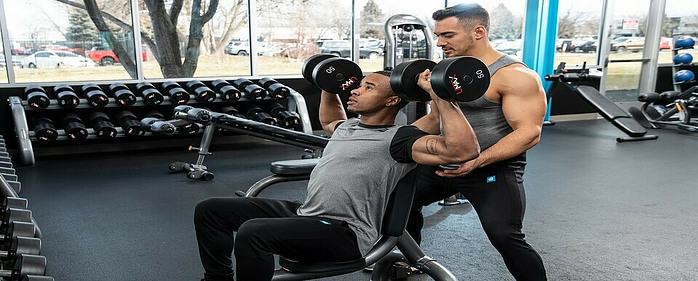
No lifter is an island. Feedback from seasoned coaches or fellow lifters can offer a new perspective on your technique. It’s an opportunity to learn and grow. Embracing a community that shares your goals can provide motivation and insight that solo training often needs to improve.

The learning never stops. Science and methodology surrounding weightlifting are constantly advancing. Keep an eye out for emerging data that challenges old paradigms and offers fresh advice on lifting smarter, not harder. Your weightlifting journey is unique to you, so take these pointers, carve out your path, and WATCH YOUR STRENGTH SOAR.

https://www.wealthyaffiliate.com?a_aid=352a86b2
Balance Your Fitness Plans Using These Tips

About Me AND EXCITING WEBSITE FOR EXERCISING

ABOUT ME

https://weightliftingforpower.com/about-me/exercise-for-strength/admin/

About me, Sojiel Shahrzad, and I welcome you to my world at , where I blend my love for strength training with a desire to inspire and inform. At 59, I’ve lived enough to know that good health is a priceless treasure, and I’ve dedicated myself to sharing that wealth with others.

San Antonio, Texas, is where I call home—a place that offers the perfect backdrop for a life dedicated to fitness and well-being. It’s not just the weight room where I invest my energy; I relish the moments when I can lose myself in a book, recharging my mind, or seek tranquility on nature walks, absorbing the serene Texas landscapes.

My enthusiasm isn’t reserved for my hobbies alone; I’ve channeled it into Exercise Fitness, my brand that stands for more than just routines and workouts. My website is more than a digital space—an empowerment, education, and community hub. In each blog post I write, I pour insights gleaned from decades of experience in exercise training, aiming to lift the spirits and weights off the shoulders of those who venture onto my site.

Perhaps the most profound joy I find is in assisting those who have less—offering a hand to lift them through the knowledge and power of exercise. I firmly believe in the transformational ability of weightlifting and fitness, not just for the body but for the soul. It’s about creating a bridge of opportunity for all, regardless of their starting point, to achieve a healthier, more fulfilling life.

So, as you read on, know that my commitment is unwavering—I’m here to guide, support, and share the powerful journey into the realm of physical prowess and inner peace. Welcome to the starting point of a stronger, more powerful you.

My website is all about exercise, the fitness of all levels, and how to

Move your body and strengthen it in many ways for each body part, and have good nutrition and diet for a healthy physical body.

My website will show you how to perform the exercises correctly and in good form. Also, many exercises for women to lift weights strengthen their bodies and lose weight with weight-loss exercises and diet.

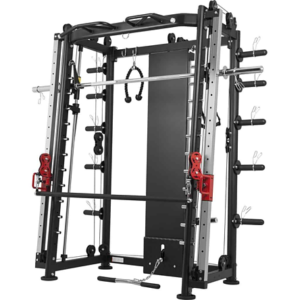
hammer smith machine for strength


https://www.wealthyaffiliate.com?a_aid=352a86b2
Recommended Workout Equipment

https://weightliftingforpower.com/about-me/exercise-for-strength/admin/

Best Exercise Training Programs

Top Fitness Trainers THAT ARE CERTIFIED

Circadian Rhythm Optimization For Athletic Performance

Inverted Training For Core Strength

http://www.wikipedia.org

https://youtu.be/8ef7FhmMcLU?si=-iiF3dB_7uof9hsk

About me

Recommended Workout Equipment

Workout exercise equipment

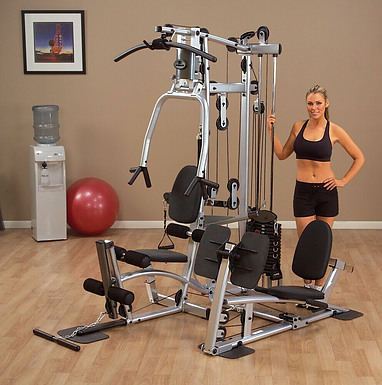
When I set out to transform my living space into a home gym, I immediately understood the challenge. Selecting the right workout equipment isn’t just about the shiniest gadgets or trendiest fitness toys; it’s about what aligns perfectly with my fitness goals, personal needs, and the amount of space I can dedicate to my workouts.

Personalization is key. Consider the types of workouts that invigorate and inspire you. Do you relish the rush of a cardio session, or do you pursue the burn of strength training? Your preferred form of exercise will determine the equipment you should prioritize.

I also had to be realistic about the space I had available. A compact apartment will have different equipment necessities compared to a spacious basement. But no matter your space, there’s gear designed to be tucked away or even double as household furniture.

Quality is essential. I made it my mission to invest in workout gear that wouldn’t disappoint me. Remember, safety and effectiveness are paramount when choosing workout equipment. High-quality gear reduces the risk of injury and elevates the performance of your workouts.

The research stage became my best friend. I read reviews, watched tutorials, and asked professionals for advice. Look for trusted sources that test and evaluate products rigorously.

And finally, pay attention to versatility. The more functions a piece of equipment can serve, the better your investment. For instance, an adjustable bench can support a variety of exercises, which, in the long run, provides more bang for your buck.

The Essentials: Must-Have Workout Equipment for Home Gyms

“Creating a personal gym in the comfort of your home can significantly change your physical fitness routine.” It allows you to work out on your schedule without the commute and distractions of a public gym. But what do you need to make your home gym effective? Let’s start with the basics.

First and foremost, space-saving and versatile adjustable dumbbells are an intelligent addition. Unlike fixed-weight dumbbells, these allow you to change the weight to suit various exercises and strength levels. They’re a practical choice for those with limited space.

They come in different tension levels and are particularly useful for warm-up stretches and strength training exercises. They’re also lightweight, portable, and can be in a drawer—ideal for those needing to convert their workout area into a living space.

Every home gym should have a good-quality yoga mat. Even if yoga isn’t your go-to, a mat provides a cushioned surface for exercises like push-ups, planks, and burpees while protecting your floor.

Now, a jump rope is perfect for anyone focusing on cardio. It’s affordable, requires minimal space, and can deliver a high-intensity workout in just minutes.

Lastly, stability balls are incredible for core workouts and improving balance. It can double as an office chair to keep those core muscles engaged when you’re not using it for exercises.

These items can serve as a solid foundation for various workouts and accommodate different fitness levels. Remember, the goal is to invest in versatile, space-efficient equipment that supports your fitness journey.

Advanced Gear: Elevating Your Fitness Journey

Consider advanced workout equipment if you’ve been consistent with your workouts and are looking for new challenges.

Progression is vital in any fitness journey. As you grow stronger and your endurance improves, your routine must evolve to keep you engaged and moving toward your goals. Advanced equipment supports this progression and keeps you challenged.

Let’s discuss some high-tier items that can add depth to your workout space. Power racks, for example, offer a safe environment for heavy lifting without a spotter. Rowing machines provide a full-body cardio workout that’s both effective and low-impact.

Investing in more sophisticated gear often means more features and better durability. That said, I’ll remind you to make purchases with foresight. Consider equipment that supports exercises you’re already familiar with and enjoy. It ensures you get the most out of your investment.

Finally, remember that a greater need for proper use and regular maintenance comes with greater complexity. Read the manual, watch instructional videos, and get an expert to show you the ropes. Matching your equipment to your fitness level is crucial to avoid injury and obtain the best results.

I recommend contacting a fitness coach or a physical therapist before adding heavy-duty equipment to your collection. Their guidance can be invaluable, ensuring your choices support a balanced, safe workout regimen that aligns with your objectives.

In the end, the fitness path you’re on is distinctly yours. Advanced workout gear can be a powerful ally, constantly pushing you towards new heights. Choose wisely, use responsibly, and keep steering your fitness story forward.


http://www.weigtliftingforpower.com


weightliftingforpower.com/power-planks/exercise-for-strength/admin/

Top Fitness Trainers THAT ARE CERTIFIED

https://weightliftingforpower.com/fitness-trainers/exercise-for-strength/admin/

Top Fitness Trainers

Selecting the Fitness trainer on a fitness journey is critical. It’s the difference between wandering and moving with purpose toward one’s physical best. In a sea of fitness enthusiasts and professionals, standouts with reputations for solid results, innovation, and an unwavering commitment to their craft.

What sets these trailblazers apart is their deep understanding of physiology, nutrition, and human movement science, paired with a genuine desire to uplift others. These lead individuals have acquired multiple certifications, remarkable credentials, and an inherent aptitude for establishing client connections, cultivating an atmosphere that facilitates positive change.

I will introduce you to a cadre of exceptional individuals who are pillars in the fitness world. These professionals range from specialists in building Herculean strength and imparting the grace of a dancer to sculpting endurance fit for a marathoner and engraining the peace of a practiced yogi.

Each trainer has etched out a niche and excelled within their domain, attracting a following that’s a testament to their expertise. They’re known not just for the celebrities they train or the Instagram followers garner but for the lives they’ve changed. They bring fitness dreams to life through personalized programs and their signature methodologies—one squat, sprint, or asana at a time.

Behind the Scenes: The Journey to the Top

Top fitness trainers may be confident experts who can tackle any workout challenge. But their path to the summit of fitness expertise wasn’t a simple set of burpees; it took relentless drive and passion. Here, we uncover these professionals’ essential steps to reach their esteemed positions.

A solid educational background paves the way for success in the fitness industry. The best trainers didn’t just wake up with know-how; they studied. Whether through degrees in kinesiology, certifications from accredited organizations like ACE or NASM, or specialized training in nutrition, their academic efforts laid a solid foundation for their practical expertise.

It’s not merely about the certifications, though. These top trainers have countless hours of hands-on experience that adds weight to their advice. They’ve walked the floors of gyms, worked up close with clients, and adapted workout routines to real-life scenarios. The proof of their expertise isn’t just on paper; it’s evident in the success stories of the people they’ve transformed.

The fitness industry never stands still, and neither do leading trainers. They stay ahead of the curve, constantly upgrading their skills to incorporate the latest scientific insights and innovative exercise techniques. This commitment to ongoing professional development ensures they can provide the most effective and up-to-date advice.

They’ve mastered various methods, from HIIT to yoga, to deliver diverse and comprehensive training sessions. Now, let’s move forward and explore how this expertise translates into picking the right trainer to meet your fitness challenges head-on.

Choosing the Right Trainer for Your Fitness Goals

Selecting a trainer is a pivotal decision influencing your fitness journey and overall well-being. The right trainer will align with your goals, inspire progress, and offer the support and expertise necessary for you to evolve. But how do you choose from this impressive lineup?

Start by examining your fitness targets. Are you aiming to build strength, enhance flexibility, improve cardiovascular health, or find a balance with mind-body practices? This decision will shape your choice, as each trainer brings unique specialties.

Compatibility is just as critical. Your rapport with a trainer can differentiate between a good experience and a great one. Look for someone who communicates effectively, respects your needs, and motivates you in a way that resonates with you.

Investing in a trainer who creates customized plans to tackle your specific needs can kickstart your fitness journey. While cookie-cutter programs have their place, personalized guidance has the potential to yield far more significant results.

Credentials reflect a trainer’s dedication to excellence and a commitment to safety and efficacy. Be bold in inquiring about certifications and areas of expertise. It’s your right to know who you’re entrusting your fitness to.

Taking that first step to reach out to a trainer might feel daunting, but remember, they’re here to help you. A competent and professional trainer will always encourage and welcome your queries and concerns and be open and honest about their training methods. Your initial sessions should indicate their teaching style and the future of your fitness partnership.

https://www.wealthyaffiliate.com?a_aid=352a86b2

https://weightliftingforpower.com/isometric/exercise-for-strength/admin/

Recommended Workout Equipment

Best Exercise Training Programs

Best Exercise Training Programs

https://weightliftingforpower.com/best-exercise-training-programs/exercise-for-strength/admin/

I know you’re here because you’re serious about your fitness journey. It’s not just about sweating it out on the treadmill or lifting weights; it’s about choosing the best exercise program that aligns with your goals.

What are you aiming for? Are you looking to build muscle, shed pounds, or increase your endurance? The answer to that question heavily influences the training program that will work best for you.

Of course, the decision doesn’t stop at your fitness objectives. Your current fitness level, time availability, and even personal preferences are crucial in selecting the best program you will use over the long haul.

I understand the importance of trust and expertise in fitness advice. That’s why I strive to offer insights based on well-researched information and the latest in exercise science.

Let’s crack on and explore some trusted and practical exercise training programs that might be the catalyst you need for your transformation. Next, I’ll explain what to look for in a program and how various options cater to different fitness goals.

Analyzing Top Exercise Training Programs

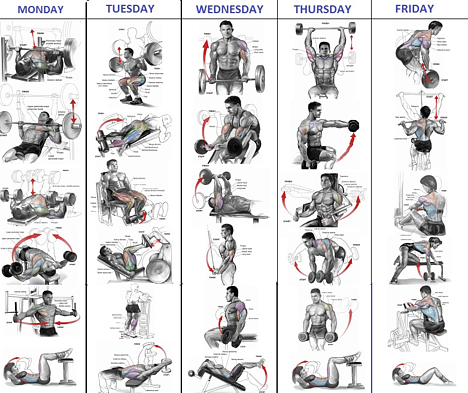
When considering which exercise training program might suit you best, weighing several factors is essential. These include your fitness level, available time, and specific health goals. Whether you’re after muscle gain, improved endurance, or better overall health, there’s a training program designed for your needs. I’ll guide you through the standout features of some of the most popular types of programs.

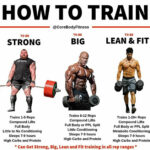
Consider strength training programs to bulk up or increase muscle strength. These typically involve weightlifting and resistance exercises. Such routines are not just for bodybuilders; they are crucial for overall health, helping to enhance bone density and metabolic rate.

Boosting your cardiovascular health is your main priority. If that’s the case, programs centered around aerobic activities like running, cycling, or swimming could be more up your alley. You should perform these exercises to increase your heart rate and promote cardiovascular endurance.

Flexibility and balance-focused programs such as yoga or Pilates can benefit those seeking a more body-mind integration approach. These disciplines prioritize movement precision and can improve your core strength, flexibility, and mental well-being.

Let’s not overlook high-intensity interval training, commonly known as HIIT. This dynamic approach alternates short bursts of intense activity with periods of rest. Many fitness professionals advocate for HIIT because of its efficiency in improving fitness and aiding fat loss within a shorter timeframe.

Stay tuned as I move on to discuss how tailoring any of these programs to your personal needs is not just possible but also encouraged for the best results.

Customizing Your Exercise Routine for Maximum Benefit

A one-size-fits-all approach rarely works in fitness. Your unique body type, goals, and lifestyle mean that the ideal training program for someone else might not fit you. Recognizing this is your first step towards crafting an exercise regimen that works and sticks.

Personalization begins with understanding your starting point. Are you a beginner, intermediate, or advanced in terms of fitness? A beginner might thrive on full-body workouts, while someone more advanced could require split routines to see results. Listen to your body and be honest about your level because jumping into a routine too advanced could lead to injury.

Tracking progress is next. Documenting your lifts, reps, and cardio times can show you a clear picture of improvement, keeping morale high. It’s about the small wins, and they count BIG. A fitness log, digital or paper, becomes the history book of your journey toward peak fitness.

Here comes the tricky part – making adjustments. More is needed to perform a program; occasional tweaks are necessary. Have you stopped seeing results? It may be time to increase the weight or intensity. Are you feeling worn out? Perhaps you’re overtraining and need more rest days. Stay attuned to your body’s feedback and be ready to shift gears accordingly.

Finally, pay attention to expert advice when personalizing your program. A personal trainer can offer tailored advice that considers your physiology, preferences, and even the time you can commit to exercise.

Maintaining Motivation and Measuring Progress

Staying committed to any exercise program is vital for seeing your desired results. I can’t stress enough the importance of clear, attainable goals aligning with your fitness journey. It would help if you had targets that challenge you without being discouraged. Setting up incremental achievements helps to keep momentum going and staves off burnout.

I recommend using apps that track your workouts and provide detailed feedback on your performance. These tools offer invaluable insight into your progress and can help you tweak your workouts for better results. Look for features like goal-setting, reminders, and social sharing to keep things engaging.

Speaking of engaging, take into account the impact of community. Working out with friends, joining fitness groups, or sharing your goals online can create a sense of accountability and support. I’ve noticed that when people feel part of a fitness community, they are likelier to stick with their routine.

Lastly, remember to celebrate every victory, no matter how small. Each milestone is a step toward a healthier you. If you find your progress plateauing, don’t hesitate to reevaluate and adjust your goals. It’s about the journey, not just the destination. So, keep pushing forward, be patient with yourself, and trust in the process.

https://www.wealthyaffiliate.com?a_aid=352a86b2