Develop Strength And Endurance With Kettlebell Workouts For Beginners NOW

https://weightliftingforpower.com/building-strength-and-endurance-with-kettlebell-workouts-for-beginners/

I’ve noticed that more people are curious about kettlebell workouts – for good reason. This tool has a rich history, dating back centuries, but it’s made a significant comeback in recent years. If you are new to fitness, kettlebell training can effectively develop strength and endurance.


cad6147b 91dd 4a18 8c8f 6bb98d8772de

65276fb9 195b 4a7c 880c df245f784e36

One of the critical advantages of kettlebells is their versatility. Kettlebells offer a comprehensive workout that targets multiple muscle groups simultaneously, unlike other gym equipment that is more specific in its approach.”Regular exercise leads to enhanced muscular coordination  increased calorie burn.”

If you’re starting out with kettlebells, getting familiar with the foundational movements is crucial. These exercises lay the groundwork for various complex routines you can explore later on. Moreover, as we want to keep injuries at bay, I’ll share some important safety tips, like ensuring proper form and selecting a kettlebell weight that matches your current fitness level.

Before you get into the heart of kettlebell training, remember that the goal here is to move with control and precision. Accuracy in handling the kettlebell is more vital than the speed or repetition of your movements. Let’s ensure you start on the right foot, or better yet, with the right swing – the kettlebell swing.

89d33d71 81ee 4b0e a352 d9aae0be960d

Fundamental Kettlebell Exercises for Beginners

If you’re new to kettlebell training, understanding the core movements will take you far. Let’s focus on exercises that build a solid base for strength and endurance. Three fundamental routines stand out for their efficiency and accessibility.

The Kettlebell Swing:

Often considered the cornerstone of kettlebell workouts, the swing combines a hinge movement with an explosive hip thrust. I will demonstrate the correct way to swing a kettlebell by positioning your feet shoulder-width apart, holding the kettlebell with both hands, and swinging it between your legs while maintaining a flat back.” Proper form is vital to harness its full potential while minimizing the risk of injury. Once you’ve got the hang of it, you can try one-handed swings for added challenges.

Kettlebell Squats:

Squats are essential for building lower body strength. Holding your kettlebell close to your chest, you’ll squat down with the weight, aiding your stability. It’s vital to focus on depth and form rather than speed. Squats strengthen your legs and engage the core, back, and shoulders, offering a full-body workout component.

The Turkish Get-Up:

Develop Strength And Endurance With Kettlebell Workouts For Beginners NOW

This exercise is a bit complex but worth learning. Starting from lying down, you’ll move to a standing position while keeping the kettlebell aloft. With my guidance, you’ll navigate this multi-step exercise that covers strength, mobility, and stability. It targets nearly every muscle group and boosts your functional fitness.

Now that you know the basic exercises, it’s time to build them into a routine you’ll look forward to. Regular practice will improve strength and endurance, laying the groundwork for a progressive  journey. Let’s move on to how you can structure these workouts effectively.

Creating Your  Workout Routine

You know the fundamentals of kettlebell exercises; now, it’s about putting those moves into a comprehensive workout routine. Effective training hinges on crafting a balanced plan that supports gradual progress and maintains your interest. Too much too soon can lead to burnout or injury, while too little may not yield the desired results.

Start by deciding how many days a week you can work out. Aim for consistency, even if that means beginning with just two or three days a week. Consistency trumps intensity when you’re starting. Each session should include a warm-up, a combination of the fundamental moves,  a cool-down period. You’ll want to focus on form and technique rather than the amount of weight you’re lifting.

As for the duration, keep workouts brief at first—somewhere between 15 to 30 minutes. This time frame is enough to build strength without overtaxing your body. If you feel strong at the end of your routine, that’s a good sign; pushing to exhaustion isn’t necessary and can be counterproductive.

Your initial workouts should consist of low to moderate intensity. Learn to listen to your body—lower the weight or reduce the reps if something doesn’t feel right. The key is continuous movement to help build endurance while you refine your technique. Over time, you can add sets, increase reps or weight, and incorporate new exercises. Gradual adjustments will keep your body challenged and evolving.

Balance is essential. Your routine should include exercises that work your entire body. Consider including a push, a pull, a squat, a hinge, and a core-specific movement in each session. This approach builds strength uniformly and helps prevent injury by avoiding overtraining certain muscle groups.

Lastly, remember that recovery is an integral part of your routine. Work during workouts is crucial, but rest  recovery allow your body to repair and build muscle. Days off are just as important as training days. Get adequate sleep, stay hydrated, and consider activities that promote recovery, like yoga or gentle stretching, on your off days.

Advanced Considerations and Next Steps

As you consistently challenge your muscles with kettlebell workouts, you’ll reach a point where the initial exercises may not push your boundaries as they once did. It’s essential to recognize that it’s time for a more demanding routine.

Incorporating more complex movements, such as kettlebell snatches or clean and press, will introduce a new intensity and skill level. It’s best to seek a knowledgeable coach or utilize credible instructional videos to ensure your technique is safe and effective before upping it.

Focusing on the supporting cast of exercises is essential to complete a workout effectively. Core stability, flexibility, and mobility exercises significantly enhance your workouts. Activities like planks, lunges,  stretches will fortify your foundational strength and allow for more significant performance gains.


Even as you progress, keeping a log of your workouts is a valuable tool to track your improvements and areas needing additional focus. Reflecting on how far you’ve come when the inevitable plateau arrives is also motivational. Adjust your goals as you surpass milestones, and always celebrate your progress.

Remember, the key to continued advancement in strength  endurance lies in consistency, proper technique, and progressive overload. Set realistic targets and stay patient,  the fruits of your labor with  workouts will be apparent in the enhanced capabilities of your body.

https://www.wealthyaffiliate.com?a_aid=352a86b2

Tips For Improving Form And Technique In Kettlebell Training NOW

https://weightliftingforpower.com/tips-for-improving-form-and-technique-in-kettlebell-training/

Perfecting the kettlebell technique form begins with a solid grasp of the basics. Before loading a kettlebell into your workout routine, I want to ensure you clearly understand the foundational movements. Paying close attention to the mechanics and how you grip the kettlebell can significantly affect your training results.

Tips For Improving Form And Technique In Kettlebell Training

Tips For Improving Form And Technique In Kettlebell Training

Equally critical is starting with a kettlebell that matches your current fitness level. I always advise against jumping into heavier weights prematurely, as this can hinder your form and lead to injury. It’s better to aim for mastery with a lighter weight and then progress accordingly.

I recommend a few essential exercises for honing form: kettlebell swings, squats, and Turkish get-ups. These movements cover the spectrum of what kettlebell training can offer, from explosive power to core stability and overall conditioning.

I can’t stress enough the importance of correct foot positioning and stance. It’s the foundation that supports every lift. And let’s remember breathing – synchronized breath with movement is paramount to maximizing power and maintaining stability through your sets.

Now, remember, these are just the starting points. Once you feel comfortable with the essentials, you can take your kettlebell training to the next level. That’s where the fun begins, as you start incorporating more advanced techniques into your routine, which I’ll cover in the following section. But remember, safety and form are your top priorities. Ensuring these techniques enhance your overall fitness without risking undue harm is essential.

Tips For Improving Form And Technique In Kettlebell Training

Tips For Improving Form And Technique In Kettlebell Training

Advanced Kettlebell Maneuvers: Enhancing Your Skillset Safely

Once you’re comfortable with the foundational exercises of kettlebell training, advancing your skills can take your fitness to new heights. It’s crucial to progress cautiously to prevent injury. Introducing more challenging techniques comes with the need for a deeper understanding of form and safety. One effective method is progressive overload, which involves gradually increasing the weight or complexity of the exercises. This tactic fosters strength without overburdening your muscles or joints.

Delving into the snatch and clean-and-jerk starts with learning each segment of the movements. Begin with no weight to master the mechanics, and only then add the kettlebell. Watch for common errors, such as a rounded back or incorrect wrist position, which could lead to strain.

Self-assessment plays a pivotal role in your development. Use a mirror or record your sessions to observe and adjust your form. It’s often difficult to sense misalignments while performing the exercise, so visual feedback is invaluable.

Though it may be tempting to push through on your own, there are times when seeking guidance from a professional coach is essential, especially when tackling more complex lifts. A coach can provide immediate corrections, helping to ingrain proper technique more quickly and effectively.

Safety is non-negotiable. Therefore, these steps not only enhance your kettlebell training but also safeguard your well-being as you explore the breadth of what kettlebell workouts have to offer.

Reducing Injury Risks: Safety Protocols for Kettlebell Workouts

Injury prevention starts long before you swing a kettlebell. You incorporate a thorough warm-up that primes your muscles and joints for the dynamic movements ahead. I recommend dynamic stretches that mimic the exercises you’re about to perform, complemented by mobility work targeting your hips, shoulders, and ankles, which are crucial for kettlebell training.

It’s crucial to listen to your body and recognize the signs of overtraining. These signs might include persistent soreness, a drop in performance, or general fatigue. If you notice these symptoms, it’s time to reassess your training intensity and schedule.

Rest days are not an omission from training; they are an essential part of it. Active recovery—think light stretching, walking, or yoga—can significantly enhance your muscle’s recovery process and prepare you for your next kettlebell session.

Monitoring Progress: Measuring Success in Your Kettlebell Training

Consistent practice and improvement in form determine success in kettlebell training, not just the weight you lift. Setting tangible goals and milestones is crucial for staying motivated and on track. For instance, if you’re working on your kettlebell swing, a goal might be to achieve 50 consecutive swings with proper form.

Keeping a workout log is invaluable. I can’t stress enough that tracking your exercises, sets, reps, and personal notes can illuminate patterns and progress over time. It’s a simple tool but provides clear evidence of your advances and areas needing attention.

Remember to underestimate the role of technology, too. Apps and fitness trackers are more than just trendy gadgets; they offer data-driven insights that can fine-tune your training. They can monitor everything from your heart rate to the number of calories burned, giving you a comprehensive view of your workout beyond just the kettlebells.

We’re often our own worst critics or may not notice our improvement. Constructive feedback can provide the necessary external perspective to refine technique and form, ensuring you continue to improve safely and effectively.

Lastly, take time to celebrate your achievements. Whether mastering a new technique or hitting a personal best, these moments are milestones in your fitness journey worth recognizing. Plan your next steps, and reflect on the hard work that got you to this point. Success in kettlebell training is a marathon, not a sprint, and YOUR dedication to form, technique, and safety will keep you swinging vigorously and safely for years to come.

Tips For Improving Form And Technique In Kettlebell Training

https://www.wealthyaffiliate.com?a_aid=352a86b2

Effective Kettlebell Exercises For Beginners

https://weightliftingforpower.com/effective-kettlebell-exercises-for-beginners/

I remember when I first encountered kettlebells at the gym. They struck me as odd, cannonball-like weights with handles that people were swinging around with an air of intensity. If you’re new to the fitness scene or looking to diversify your routine, you may find kettlebells intriguing yet effective.

Effective Kettlebell Exercises For Beginners

Effective Kettlebell Exercises For Beginners

Essentially, kettlebells are a type of free weight used in strength and conditioning training. The unbalanced weight distribution of kettlebells challenges your muscles to stabilize during workouts, enhancing overall strength and coordination.

Kettlebell workouts provide a distinctive combination of endurance and strength training. They engage multiple muscle groups, providing a full-body workout and improving functional strength. It can make daily activities more accessible and reduce the risk of injury.

When starting, it is crucial to focus on learning fundamental movements to ensure you use kettlebells effectively and safely. Proper form and technique are non-negotiable to prevent injury and to get the most out of your workouts.

Starting with the basics and prioritizing safety will pave the way for a strong foundation. This approach will foster confidence and ensure that you are building strength and skills progressively.

Foundation Moves: Mastering The Kettlebell Basics

When I stepped into the world of kettlebells, I began with some fundamental movements that set the stage for all future training. These foundational exercises are indispensable for building strength and ensuring safe and effective workouts. Here’s where I advise you to start:

The Kettlebell Deadlift acts as a primer for your core and the all-important posterior chain, which includes the muscles you can’t see in the mirror but are crucial for everyday movements. Proper deadlift form involves a hip-hinge motion, keeping the back straight and engaging the glutes and hamstrings as you lift.

Next is the Kettlebell Swing. This dynamic exercise is a staple in kettlebell routines, and for a good reason. It develops power in the hips and legs while challenging your cardiovascular system. Remember, the momentum should come from your hips, not your arms.

Then we have the Goblet Squat, which targets your quadriceps, glutes, and core. Holding the kettlebell close to your chest, you’ll work on lowering your body as if sitting back into a chair, ensuring your knees don’t extend past your toes to maintain proper alignment.

Finally, challenge yourself with the Turkish Get-Up. It’s a sequence that transitions you from lying on the ground to standing while holding a kettlebell. This complex effective move engages multiple muscle groups and tests your coordination, balance, and strength.

Progressing with Purpose: Advancing Your Kettlebell Skills

After a while, the basics come naturally, and your body starts craving a bit more. That’s your cue to up the ante. Recognizing this moment is crucial, as it signals that your muscles are ready for the next challenge. Consider the following pointers to ensure you’re moving forward safely and effectively.

The question of when to scale up the weight of your kettlebell isn’t one of time but of technique. Can you perform your basic movements with ease and proper form? If you can swing that kettlebell with a smooth rhythm and without compromising form, it’s time to consider going heavier.

Your kettlebell journey doesn’t end with mastering the basics; a world of movements builds on those fundamentals. Try combinations like the swing to high pull or the squat to press. Compound exercises like these work multiple muscle groups simultaneously, boosting your efficiency.

Interval training introduces a cardiovascular element to your kettlebell routine. You improve your respiratory endurance while burning fat by alternating between high-intensity exercises and brief rest periods. Start with manageable intervals and gradually reduce your rest times.

Documenting your progress not only motivates but also guides your workout adjustments. Set challenging and attainable targets, ensuring a balanced approach to strength and conditioning.

Effective Kettlebell Exercises For Beginners

Kettlebell Workout Routines for Beginners

Building a well-rounded workout schedule is essential for getting the most out of your kettlebell training. As you start, aim to incorporate kettlebell exercises into your routine 2-3 times a week. Allow your body to adjust to the new movements and recover correctly between sessions.

For those new to kettlebell training, here’s a simple plan to follow:

Session 1: Focus on lower body strength with kettlebell deadlifts and goblet squats, aiming for three sets of 8-10 repetitions for each exercise.

Session 2: Concentrate on the core and cardio with kettlebell swings and Turkish get-ups, performing three sets of 10-15 swings and 3-5 Turkish get-ups per side.

Remember to warm up before and cool down after your workouts to prevent injury and promote flexibility. Begin each session with dynamic stretches and movements that mimic your workout. End with static stretches to relax your muscles.

Consistency is vital to improving strength, endurance, and overall fitness. Set a schedule that fits into your lifestyle and stick to it. When not working with kettlebells, consider integrating other physical activities like walking, cycling, or yoga for a well-rounded fitness regimen.

As you progress, listen to your body and adjust your workouts accordingly. If a certain weight becomes too easy, it’s a sign that you might be ready for a heavier kettlebell. Similarly, if you master the beginner routines, consider seeking more advanced workouts or enlist the help of a certified trainer to take your kettlebell training to the next level.

Kettlebells can offer a lifetime of fitness growth. So, take pride in your achievements and NEVER stop challenging yourself to learn and grow stronger. Your fitness journey is uniquely yours, so own it, enjoy it, and keep pushing forward.

https://www.wealthyaffiliate.com?a_aid=352a86b2

Safely Progressing In Kettlebell Training As A Beginner NOW

https://weightliftingforpower.com/safely-progressing-in-kettlebell-training-as-a-beginner/

Starting my journey into kettlebell training as a beginner was safely progressing language. Similarly, understanding the essential kettlebell fundamentals is non-negotiable for anyone aspiring to use these dynamic tools effectively and safely.

Safely Progressing In Kettlebell Training As A Beginner NOW

Safely Progressing In Kettlebell Training As A Beginner NOW

You may have noticed kettlebells come in varying shapes and sizes. I recommend the standard cast iron kettlebell with a smooth handle for beginners. It’s versatile for various exercises and is a solid starting point. Selecting the right kettlebell can make a difference in your initial training period.

A typical kettlebell workout involves ballistic exercises combining strength, flexibility, and cardiovascular training. It’s a challenging yet  progressing venture that demands attention to form and proper engagement of your entire body.

Most importantly, injury prevention must be a top priority from day one. Warm-ups and wrist guards are your friends. Proper stance and grip, maintaining a neutral spine, and never sacrificing form for heavier weight are the golden rules that safeguard your progression.

Wisdom in kettlebell training isn’t only in the heft of the weight but also in the knowledge of when and how to wield it. Let’s anchor this wisdom firmly as I guide you to craft a personalized kettlebell regimen that targets your goals, meets your fitness level, and respects your limitations. Step by step, you will design a program incorporating essential exercises built on the solid ground we’ve just covered.

Designing Your Kettlebell Beginners’ Program

When you’re eager to start kettlebell training, your primary focus should be designing a program that aligns with your fitness level and goals. Embarking on this journey without a clear roadmap can lead to frustration or injury. Start by setting realistic and measurable goals. You aim to increase strength, enhance flexibility, improve cardiovascular health, or combine these.

Progressing In Kettlebell Training As A Beginner

Next, familiarize yourself with the essential exercises for beginners. Start with kettlebell swings, goblet squats, and deadlifts. These foundational moves build strength and teach you to control the kettlebell’s unique shape and weight distribution.

But it’s not just about the kettlebell moves. Creating a balanced routine is vital. This comprehensive approach helps prevent overuse injuries and contributes to overall physical fitness.

Another common question is, ‘How often should beginners train with kettlebells?’ As a beginner, start with two to three sessions weekly, allowing ample recovery time between workouts. Allow your body to adapt to the new stimulus, increasing frequency as your strength and confidence grow and progress.

Technique Triumphs: Mastering Form and Movement

Safely Progressing In Kettlebell Training As A Beginner NOW

I cannot stress enough how vital proper form is in kettlebell training. Ignoring the nuances of technique can lead not only to ineffective workouts but also to serious injury. Good form ensures you’re targeting the right muscles and getting the most out of each movement.

As a beginner, it’s easy to fall into common traps. Using incorrect techniques while lifting a kettlebell can impede progress and elevate the risk of injury. Some incorrect techniques include swinging the kettlebell too high or too low, bending the wrist during a lift, or relying on momentum rather than muscle strength.

Getting from right is worth breaking down fundamental kettlebell moves into smaller parts. To do the kettlebell swing correctly, engage your core, keep your spine neutral, and focus on your hip hinge. Recording yourself or practicing in front of a mirror can help you perfect your form.

Moreover, don’t shy away from using resources to improve your technique. Video tutorials can be beneficial, but make sure they’re from certified professionals. Sometimes, investing in a session or two with a kettlebell coach can set you on the right track faster than going alone.

As You Progress: Advancing Your Kettlebell Skills

You’ve built a strong foundation in kettlebell training, and I can sense your eagerness to see where this path can take you. As you grow stronger and more confident, one question emerges: ‘How do I advance my kettlebell skills?’

First, look for signs that you’re ready to level up. Your current weight might feel lighter, or your form has become impeccable. These are clear indicators that it’s time to challenge your muscles further.

Adding variety is vital when progressing. Explore new exercises—like the Turkish get-up—which demands coordination and engages multiple muscle groups. Introduce movement combinations that push your endurance and enhance your agility.

It’s not just about upping the weight. Pay attention to the number of repetitions, too. As you get stronger, more reps are sometimes better. Find the balance between weight, reps, and rest to continue making gains without overworking your body.

Remember, there’s always more to learn. Seek out workshops or connect with a seasoned instructor. Resources like instructional books and reputable online content can provide fresh insights and keep your kettlebell journey exciting and progressing.

In pursuing more significant challenges, remember the foundational principle of safety. Never compromise on form for the sake of lifting heavier weights. Always listen to your body; it will let you know if you’re pushing the correct limits. Keep your training safe, consistent, and enjoyable; you’ll watch your abilities and kettlebells progressing.

https://www.wealthyaffiliate.com?a_aid=352a86b2

https://youtube.com/shorts/Vt81ilkeZ-8?si=2Ih6pkqnLjZgiLYv

Common Mistakes To Avoid When Starting Kettlebell Training

https://weightliftingforpower.com/common-mistakes-to-avoid-when-starting-kettlebell-training/

When I first picked up a kettlebell, I quickly learned that this compact weight is a powerhouse for building strength, endurance, and flexibility. If you’re starting, you may already know that kettlebells can offer a full-body workout and deliver impressive fitness gains.

Common Mistakes To Avoid When Starting Kettlebell Training

Common Mistakes To Avoid When Starting Kettlebell Training

But there’s a catch: proper form is non-negotiable. Before commencing any physical activity, taking precautionary measures to prevent strain and injury, which can result from poor form or a lack of care, is crucial. That’s why focusing on technique from the outset is VITAL.

I’ve seen many beginners innocently incorporate mistakes into their routines. These include letting the lower back bear the brunt of the movement, gripping the kettlebell handle as if it were a lifeline, and forgetting the importance of controlled breathing.

Investing time with a certified kettlebell instructor can pay off in spades. They can guide you through the nuances of good form and help you avoid common pitfalls. This foundational step ensures that your kettlebell journey starts on the right foot – and sets the stage for everything that follows.

Now, as you become more comfortable with the technique, you will also need to pay attention to the tools of the trade themselves: your kettlebells. Let’s transition to the factors to consider when selecting the appropriate weight and taking care of your kettlebells, ensuring your fitness regimen is as effective as it can be.

Selecting Your Tools Wisely: Kettlebell Selection and Care

Common Mistakes To Avoid When Starting Kettlebell Training

I’ve seen far too many beginners grab the heaviest kettlebell on the rack and struggle through a workout, only to end up discouraged or injured. It’s a common pitfall, but it’s easy to avoid with the correct information. When you’re choosing a kettlebell, it’s not about impressing anyone or jumping to advanced levels before you’re ready. It’s about knowing where to start.

As a beginner, lift a kettlebell you can control for at least 8-10 reps with good form. For most, that means starting lighter than you might think. There are typical starting weights, but testing different sizes is essential to find what works best for you. Experts suggest that men and women should begin weightlifting at 16 kg (35 lbs). Remember, mastering the movement is vital; the weight will increase as your technique and strength improve.

Now, let’s talk about selection in terms of materials and construction. Look for kettlebells with a smooth handle, a stable base, and a durable coating. These will serve you well and be kinder on your hands and floors. Cheaper, poorly constructed kettlebells might save money initially, but they could cause injuries or wear out quickly.

After bringing your kettlebell home, keeping it in good shape is just as important as picking the right one. Store it in a clean, dry place to avoid rust or damage. Regularly check for any changes in texture or stability, as these can affect your grip and overall safety.

The takeaway is simple: start with the right weight and a quality kettlebell. As you develop your skills, you won’t regret the thought and care you put into selecting your equipment. Speaking of development, let’s create a workout routine that aligns with your new tool, setting you on a path to safe and effective progress.

Structuring Your Path: Designing an Effective Kettlebell Routine

Avoid to swing that kettlebell with gusto right from the get-go but take a step back. A well-structured workout routine is critical to reaping the full benefits of kettlebell training without burning out. Crafting your kettlebell plan requires a thoughtful balance of strength, endurance, and ample recovery time.

A standard error is going all in every day. It is a surefire route to overtraining, which stalls your progress and increases the risk of injury. Instead, start with a moderate schedule. It could be three days a week, twenty minutes for each session, complemented by rest or active recovery days. This schedule sets the stage for consistent growth and lets your body adapt.

Your routine should include a mix of kettlebell exercises that target different muscle groups. By doing so, you ensure balanced development. Swings, Turkish get-ups, snatches, and squats could form the backbone of your training. These movements hit multiple muscle groups and teach you about body mechanics.

Incorporating variety into your routine isn’t just to stave off boredom — it’s essential for continued progress. Over time, your body becomes accustomed to the same movements, which can lead to plateaus. Introduce new exercises or variations, alter your rep scheme, or change your weights periodically.

While kettlebells can be at the core of your fitness regime, they shouldn’t stand alone. Pairing kettlebell workouts with other forms of exercise, like running, swimming, or yoga, can augment your fitness by building cardiovascular health and flexibility and preventing muscle imbalances.

Progressing Safely: Listening to Your Body and Making Adjustments

As you develop your kettlebell training regimen, tuning into your body’s signals is vital. Think of it as the ultimate feedback loop—your body.

It’s crucial to avoid the difference between the soreness from a good workout and the pain that signals injury. Avoid sharp pain or discomfort that persists, it’s your body urging you to stop and reassess.

Remembering kettlebell workouts requires you to be mindful of your body’s abilities and limitations, and avoiding overexerting yourself is best. This so-called ego lifting—adding more weight than you can handle safely—sets you up for setbacks. Always prioritize form over the amount of weight you are lifting.

Rest days are not an interruption but a fundamental part of your training. These days aren’t signs of slacking; they are active recovery periods allowing your muscles to rebuild and your strength to increase.

Keep a training log. Recording your workouts helps you track your progress and informs decisions about when to increase the intensity or weight. It’s factual input for making intelligent, informed adjustments to your training.

https://www.wealthyaffiliate.com?a_aid=352a86b2

How To Choose The Right Kettlebell Weight For Beginners NOW in 2024

https://weightliftingforpower.com/how-to-choose-the-right-kettlebell-weight-for-beginners/

How to choose the right Kettlebell weight for beginners that those cannonball-like weights with handles that people seem to swing around with control and confidence. Kettlebells, just by their look, suggest strength and purpose. I remember when I first caught sight of them; I was both intrigued and intimidated at the same time. But let’s get straight to the point: kettlebell training has surged in popularity for good reason.

How To Choose The Right Kettlebell Weight For Beginners NOW in 2024

How To Choose The Right Kettlebell Weight For Beginners NOW in 2024

If I walk you through why kettlebells have become a favored tool in fitness regimens, you’ll find they offer more than just versatility – they’re a powerhouse for developing strength, enhancing flexibility, and boosting cardiovascular fitness. Unlike machines that isolate certain muscle groups, kettlebells engage multiple muscles through compound movements. Think of them as a Swiss Army knife for your workout routine.

Now, before we venture out to pick one from the rack, it’s essential to understand the distinctions among kettlebells. They vary in more than just weight; materials range from traditional cast iron to vinyl-coated, and they come in different shapes and sizes to suit various grips and exercises. This understanding lays the groundwork for making an educated selection that aligns with your needs.

As this first glance into the world of kettlebell training concludes, I urge you to consider your present fitness level. Do you know your current strengths and areas that need improvement? Having a clear assessment of where you stand will be vital as we look at how to pick the correct kettlebell weight – an important next step in your fitness journey.

Navigating Your Starting Point: Assessing Your Current Fitness Level

When you’re eyeing that rack of kettlebells, eager to add them to your workout routine, take a moment to evaluate where you’re starting from. Your current fitness level is the compass that’ll guide you to the kettlebell weight that’s just right for you.

I recommend a straightforward approach to gauge your strength and endurance. Begin with basic bodyweight exercises like push-ups, squats, and planks. The number of repetitions you can comfortably manage, and the ease with which you maintain good form, provides insight into the kettlebell weight that’ll challenge you without pushing you over the edge.

Setting realistic goals and expectations is key. If you’re new to resistance training, it’s tempting to pick a hefty weight, but starting too high can lead to discouragement or injury. It’s not a race—it’s about consistency and building strength safely over time.

Before you move on to the next section, take stock of your assessment. Remember, the weight you’ll start with isn’t a number set in stone; it’s a stepping stone to your growth in kettlebell training.

The Perfect Match: Selecting the Ideal Kettlebell Weight for You

Understanding how to choose the right kettlebell weight as a beginner can be the defining factor between an effective workout and potential injury. The sweet spot of the weight allows for skill development while also challenging your body.

If you are new to kettlebells, it’s best to err on the side of caution. For most women starting out, an 8 to 12 kilogram (18 to 26 pounds) kettlebell is suggested, while men may opt for a 12 to 16 kilogram (26 to 35 pounds) kettlebell.

Remember, the key isn’t how much weight you can move, but how well you can move it. Mastering the kettlebell’s unique movements should take precedence over hefting the heaviest bell you can find.

A kettlebell that’s too heavy can set you up for strained muscles and an unpleasant introduction to kettlebells, while one that’s too light might not provide enough stimulus for growth and improvement.

One actionable step to ensure you’re on the right track is to perform a simple ‘swing test.’ Try doing a set of kettlebell swings with the weight you’re considering. If you can do 10-15 swings with proper form and feel like you can do another set after a short rest, you’ve likely found a good starting weight.

It’s wise to seek guidance from a certified trainer if you have access to one. Personalized advice, based on your fitness level and goals, can be invaluable in selecting the perfect weight that aligns with both your capabilities and aspirations.

Safety and Progression: Navigating Your Kettlebell Journey

Before you wrap up this kettlebell primer, let’s underline safety and sustainable progression. Stepping into the world of kettlebell training, it’s essential you start off on the right foot. Embrace a weight that allows you to hone your form without straining your muscles.

Here’s the thing: injury is the quickest derailment of your fitness regime. So pay close attention to your body’s feedback. If there’s pain beyond the usual workout soreness, it could be a sign to lower your weight, at least until you build more strength and better technique.

As you gain confidence and muscle, it’s natural to think about moving up in weight. Do so with caution and perhaps guidance from a trained professional. Increase the weight only when you can perform exercises with perfect form and relative ease for your current weight.

Keep a journal or use an app to track your workouts and any increases in weight. It’s not just about lifting heavier; it’s about lifting smarter. By advancing methodically, you’ll foster a more resilient and powerful physique over time.

Remember that kettlebell training is a journey, not a sprint. Continue to educate yourself, seek advice from experts when needed, and prioritize your wellbeing with each swing. With patience and persistence, you’ll unlock the full potential of kettlebells in your workout routine.

https://www.wealthyaffiliate.com?a_aid=352a86b2

The Benefits Of Kettlebell Training For Beginners NOW

https://weightliftingforpower.com/the-benefits-of-kettlebell-training-for-beginners/exercise-for-strength/admin/

If you’ve ever set foot in a gym, chances are you’ve seen a kettlebell. Deceptively simple in appearance, these cast-iron weights have a handle on top and offer a dynamic range of exercises for people of all fitness levels. Although kettlebells have roots that go back centuries, it’s only recently that they’ve muscled their way into mainstream fitness, particularly among those new to exercising.

The boom in kettlebell training is no accident. Beginners are finding kettlebells to be an effective tool for building strength, endurance, and flexibility. This increase in interest is mirrored by research and testimonials affirming the kettlebell’s place in the fitness toolkit. In this article, I shed light on why incorporating kettlebells into your routine can be a game-changer.

The forthcoming sections will unveil how kettlebells can revolutionize your workouts by offering FULL-BODY CONDITIONING, the foundations for impeccable safety and scalability, and the potential for building a sustainable, lifelong fitness habit. Let’s peel back the veneer and see why starting with kettlebells could be one of the best decisions on your fitness journey.

Full-Body Conditioning with Kettlebells

A standout quality of kettlebell training is its ability to engage multiple muscle groups simultaneously. This efficiency is particularly beneficial for beginners looking to maximize their workout time. With just a few movements, one can stimulate muscles across the entire body, from the legs and glutes to the core, arms, and shoulders.

The unique design of a kettlebell, with its off-center weight distribution, challenges the body in a way that traditional weights cannot. This leads to improvement in not just muscle strength but also balance and coordination. New kettlebell users will quickly appreciate this as they progress through exercises like kettlebell swings, goblet squats, and Turkish get-ups.

 the joys of kettlebell training is the subtle  strength work with cardiovascular conditioning. Because  the dynamic nature of kettlebell exercises, beginners are likely to experience an elevated heart rate in the same session they’re building strength. This means, with a single kettlebell, you can effectively replace  gym equipment, saving both time and money.

In the following section, I’ll share some essential advice to help you stay safe and get the most out of your kettlebell training. We’ll look at selecting the right weight, mastering form to prevent injury, and understanding how kettlebell training can grow with you as your fitness journey evolves.

Safety and Scalability: Advantages for Newcomers

If you’re new to kettlebell training, emphasizing safety can’t be overstated. It’s essential to educate yourself on proper form and technique before swinging into action. Bad habits not only hinder progress but also pave the way for potential injuries. Luckily, resources abound. Qualified fitness professionals offer workshops and online tutorials tailored for beginners. Start with light weights; a common recommendation for men is a 16-kg kettlebell, while women might begin with an 8-kg or 12-kg kettlebell. As your skill and confidence grow, so too can the weight  kettlebell.

Choosing the right kettlebell weight is crucial. It should feel challenging yet manageable throughout your workout. When in doubt, err on the side  lighter weight. You’ll still get a beneficial workout while reducing injury risk. If you’re purchasing for home use, consider a single versatile kettlebell that can accommodate a variety of exercises.

Kettlebells offer exceptional versatility. Their unique shape allows for smooth progression from lighter to heavier weights. Beginners often notice considerable strength gains in a short period, enabling them to increase their kettlebell weight incrementally. Additionally, numerous exercises can be modified to increase or decrease intensity, making kettlebells suitable for varied fitness levels.

Continual progression is not just about increasing kettlebell weight. It also refers to the sophistication of exercises and combinations. Foundational movements like the swing, deadlift, and squat can evolve into more complex routines as your technique improves. The goal isn’t to rush progression but to build a solid foundation that supports a lifetime fitness and well-being.

Building a Foundation for Lifelong Fitness

Kettlebell training isn’t just a passing trend; it’s a practical approach to establishing a robust fitness foundation. Whether you’re starting your fitness journey or looking to diversify your routine, the benefits  incorporating kettlebells are enduring. The beauty in this tool lies in its versatility and its ability to grow with you as you develop greater strength and capability.

For beginners, the adaptability of kettlebells is crucial. They offer an effective way to build mobility and functional strength that translates into better posture, improved coordination, and a lower risk of injury in daily activities. With proper technique, kettlebells work your muscles in a way that is both natural and challenging.

Beyond the physical benefits, kettlebell training contributes to a robust sense  well-being. Regular practice can enhance your mental toughness and resilience, giving you the confidence to tackle challenges both inside and outside the gym. The exercises promote a mindful focus on movement, reinforcing the mind-body connection.

Furthermore, the kettlebell community provides a wealth  resources and shared knowledge, which makes learning and progress an enjoyable process. You’ll often find supportive trainers and fellow enthusiasts willing to help you refine your technique and keep you motivated.

In essence, starting with kettlebells is more than adopting a new workout routine; it’s embracing a lifestyle change that prioritizes your health and well-being. Integrate kettlebell training into your regimen and embrace the journey toward a stronger, fitter, and healthier you.

The Benefits Of Kettlebell Training For Beginners NOW

https://www.wealthyaffiliate.com?a_aid=352a86b2

Getting Started With Kettlebell Training: A Beginner’s Guide

https://weightliftingforpower.com/getting-started-with-kettlebell-training-a-beginners-guide/exercise-for-strength/admin/

Getting Started With Kettlebell Training: A Beginner's Guide

Ultimate Guide To Kettlebell Workouts For Full-body Conditioning

I remember the first time I saw a kettlebell; this cast-iron ball with a handle looked deceptively simple. After years of personal experience and professional training, I understand the powerful impact this tool can have on one’s fitness journey.

Kettlebell training stands out because it’s not just about building muscles or pounding on a treadmill. It’s a blend of strength, flexibility, and cardio that serves beginners and gym veterans alike. Its effectiveness comes from the dynamic movements that target multiple muscle groups simultaneously. Your workouts can be shorter, but you’ll still reap significant rewards.

Kettlebell training offers a significant advantage as individuals can perform it without requiring a gym membership or a personal trainer. It’s low on space requirements and relatively inexpensive, so many people find it convenient for home workouts. “It is convenient to store one in a closet or under a bed.”

I’m often asked, ‘Are kettlebells right for me?’ My response is always an emphatic ‘Yes!’ Kettlebell training is incredibly scalable. Whether you’re hoping to boost your endurance, lose weight, or gain strength, starting with a kettlebell is smart.

With these benefits in mind, you might be ready to get started. But before you begin, it’s crucial to choose the right kettlebell. It means considering factors like weight, size, and material—details I’ll discuss in the next section. Getting this decision right sets the stage for a successful and enjoyable kettlebell training experience.

Selecting Your First Kettlebell

When embarking on your kettlebell journey, choosing the right one is crucial. Think of it as picking a new workout partner, a commitment to your fitness goals. For beginners, weight, size, and material questions are paramount.

The weight of your first kettlebell can either set the stage for success or lead to discouragement and injury. A standard recommendation is to start with an 8 kg (18 lb) kettlebell for women and a 16 kg (35 lb) kettlebell for men. These weights offer enough resistance for a wide range of exercises while minimizing the risk of strain. Listen to your body; if the recommended weight feels too challenging, it’s wise to choose a lighter option.

The size and handle diameter of the kettlebell are also critical, as they affect your grip and the comfort of your workout. Look for a kettlebell with a handle wide enough to accommodate both hands without being too crowded, generally about the width of your hips.

Material matters, too. Cast iron kettlebells are durable and widely available, making them a solid choice for most beginners. Some kettlebells feature a vinyl coating, which can protect floors and reduce noise but ensure the coating doesn’t interfere with the kettlebell’s balance or your grip.

Where should you buy your kettlebell? Fitness retailers, sporting goods stores, and online marketplaces are all options. When shopping, check for rough seams or imperfections in the handle that could affect your grip or cause discomfort during a workout. A high-quality kettlebell should feel smooth, solid, and ready to handle the rigors of regular use.

With your perfect kettlebell, you’re ready to dive into kettlebell training. Next, you’ll learn how to perform the fundamental movements safely and effectively.

Mastering Fundamental Kettlebell Movements

If you’re going to train with kettlebells, good form is non-negotiable. Not only does it prevent injury, but it also ensures you’re getting the most out of your workout. As you move onto this next phase, remember that practice makes perfect.

START with the kettlebell swing. It’s the cornerstone of kettlebell training, engaging your core, hips, and the back of your thighs. Assume a shoulder-width stance, grip the handle with both hands and hinge at the hips instead of the waist.

PROGRESS to the Turkish get-up. It’s a total-body move that teaches you about body mechanics. Lie on the floor, kettlebell beside you, roll towards it, and press it above you with one hand — this sets the stage for coordination and balance.

CONTINUE with the goblet squat. Hold the kettlebell close to your chest and squat, driving through your heels. It’s excellent for strengthening your quads, glutes, and core.

INCORPORATE the kettlebell press. Start with the kettlebell at shoulder height and press it overhead, locking out your elbow. Works out your shoulders and upper body, reinforcing your stability and control.

SAFETY is paramount. Ensure your space is clear so you won’t be hitting anything or anyone. Also, as a beginner, it’s wise to engage a certified trainer at least once to check your technique.

With these movements under your belt, you’ll feel more confident. But before forging ahead, let’s discuss how to structure these exercises into an effective routine that fits your fitness goals.

Creating Your Kettlebell Workout Routine

After gaining proficiency in the fundamental techniques and movements of kettlebell training, it is time to develop a custom workout plan. It’s crucial in these early stages to strike a balance between consistency and variety to maintain your motivation and continue seeing results.

Begin by establishing a workout schedule that fits your lifestyle. It might involve training two to three times weekly, ensuring adequate muscle recovery time. Consistency is vital in this stage; sticking to your planned workouts will develop discipline and foster improvements.

Pay attention to the importance of rest in the creation of your routine. Muscles grow during rest periods, so incorporating rest days is as vital as the workout. It might be tempting for beginners to expedite results by minimizing rest, but this can lead to burnout and injuries.

Here’s a simple structure for a beginner kettlebell workout week, alternating between kettlebell days and rest or active recovery days: – Monday: Kettlebell routine focusing on full-body movements – Tuesday: Rest or light cardio like walking – Wednesday: Kettlebell routine, perhaps focusing on specific muscle groups or incorporating more complex exercises – Thursday: Rest or active recovery with stretching or yoga – Friday: Kettlebell routine that includes what you’ve learned so far – Weekend: Rest days, light activity, or engaging in a sport or recreation

Ultimately, the accurate measure of your progress won’t just be how you’re advancing in your kettlebell techniques, but also improving your overall fitness and strength. Keep track of your workouts, and note increases in reps, sets, and weights, as well as how you feel during and after exercise.

Remember to stay patient and positive. Progress might come in waves, and that’s perfectly normal. As your body adapts, so will your ability to handle more challenging workouts. Keep your chin up, stay focused, and enjoy the journey to better health and fitness!

https://www.wealthyaffiliate.com?a_aid=352a86b2

Introduction To Times Volume Training NOW

https://weightliftingforpower.com/introduction-to-times-volume-training/exercise-for-strength/admin/

Introduction To Times Volume Training NOW

Have you ever heard about Time Volume Training? If not, you’re in for a revelation that might redefine your entire workout routine. It’s a method quietly gaining a reputation for its unique approach to boosting strength and endurance.

So, what sets Time Volume Training apart from other methods? It pivots on the idea that it’s not just the weight or the number of repetitions that count. Instead, it focuses on the total time your muscles are under tension and strategically planned rest periods. This subtle yet powerful shift can lead to impressive fitness gains.

Why should you consider adding Time Volume Training to your fitness plan? For starters, the benefits are hard to ignore. It’s known for increasing muscle endurance and providing a cardiovascular workout simultaneously. You can expect to burn calories effectively while building the resilience of your muscles.

With an understanding of the basics of Time Volume Training, you’ll be well-equipped to dive into the nitty-gritty details. Next, we will explore its core components and how to manage rest intervals. You’ll see precisely how strategic timing can amplify your workout results.

The Fundamentals of Time Volume Training

I understand that jumping into a new training method can feel like navigating uncharted territory. You’re ready for a fresh challenge, yet the particulars might seem murky. Time Volume Training (TVT) is no exception; it’s a unique approach to weight lifting that streamlines the complex variables of exercise into two fundamental pillars: time and volume.

Time Volume Training redefines the typical set-and-rep formula you may use. In TVT, instead of selecting a weight that allows you to reach failure within a certain number of repetitions, you choose a weight you can lift comfortably for 10-15 reps. But there’s a catch: you only perform five reps per set.

Rest periods in TVT are surprisingly brief. Where traditional lifting might encourage rest intervals of 60-90 seconds or more, Time Volume Training often slashes this to 15-30 seconds – just enough to regain your breath and reset. This intentional minimization of downtime creates an environment where endurance, strength, and hypertrophy can flourish.

Exercise selection in TVT should tilt towards compound movements that recruit multiple muscle groups. These exercises – think squats, presses, and rows – help maximize your time’s efficiency and the volume’s effect on your body’s muscle groups. However, it isn’t a rigid rule; isolation exercises can also find their place within TVT routines, especially for targeting specific muscular development.

The final piece of the puzzle in Time Volume Training is time management. You work within a defined time frame – usually 20 to 30 minutes – and aim to complete as many low-rep sets as possible within this window. The sheer volume of quality sets, compounded over time, contributes to impressive gains in both size and strength.

Remember, a successful TVT approach requires meticulous attention to the clock and your body’s signals. The rapid succession of sets demands that you remain keenly aware of form and fatigue, calling for a strategic balance between pushing your limits and listening to your muscles’ feedback.

Implementing Time Volume Training: A Step-by-Step Guide

Getting to grips with Time Volume Training, or TVT, begins with understanding its principles. Before you add it to your routine, you must familiarize yourself with its operation. TVT is built around performing a specific number of reps within a set time frame, punctuated by brief rest periods.

For beginners, the aim is to start at a comfortable level. Choose a weight that allows you to do 15 reps of an exercise efficiently – this will be your starting point. Initially, commit to a 15-minute session, alternating between training and rest. A good rule of thumb is to perform reps for half the time, then rest for the remaining half before switching.

Progression is critical if you’re ready to take it up a notch. Every TVT session should push you further. You can do this by increasing the volume of work (doing more reps or sets), decreasing your rest intervals, or extending the total session time.

Now, let’s talk about crafting a TVT routine that suits your goals and fitness level. A balanced routine typically targets different muscle groups and includes a variety of exercises. For example, you could incorporate a push exercise like the push-up, a pull exercise such as a dumbbell row, and a leg exercise like squats.

Remember, the end goal isn’t just doing more reps or lifting heavier weights – it’s about consistent improvement over time. Keep this in perspective to maintain motivation and set realistic expectations for your Time Volume Training journey.

Maximizing Results and Overcoming Challenges in Time Volume Training

To truly excel in Time Volume Training, attention to detail and a commitment to applying best practices are essential. I’ll guide you through enhancing the effectiveness of your routine, addressing common setbacks you may encounter, and adhering to methods that ensure you’re making the most of your Time Volume Training.

Consistency is KING. A sporadic approach won’t cut it – you must be as regular as the clock. This method thrives on frequent, consistent efforts integral to continuous improvements and building muscle memory.

An ESSENTIAL part of achieving results with Time Volume Training is tracking. Take note of your workouts, the time you take, and the growth in your performance. You can utilize apps or a good old notepad, but whatever you choose, make it a habit. It also means listening to your body and tweaking your routine for optimal progress.

Sometimes, you’ll hit a wall. Plateaus can be frustrating, but they’re often signs that your body has adapted to the current stress and it’s time for a change. Revisit your exercise selection, tweak your rest periods, and consider increasing time per set or the volume of work gradually. It can help you blast through those plateaus and onto new fitness peaks.

Finally, remember the power of recovery. Time Volume Training is demanding, and with adequate rest — sleep, good nutrition, and perhaps even active recovery techniques -Neglect recovery, and you’re missing a critical piece of the puzzle.

By embracing these strategies, your Time Volume Training sessions will be more effective and offer a satisfying path to achieving and beating your personal fitness goals. Work smarter, not just more challenging, and watch as the results speak for themselves.

https://www.wealthyaffiliate.com?a_aid=352a86b2

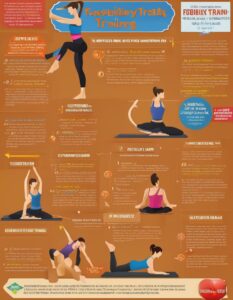
Comprehensive Guide To Flexibility Training

https://weightliftingforpower.com/Comprehensive-Guide-To-Flexibility-Training/exercise-for-strength/admin/

Comprehensive Guide To Flexibility Training

Comprehensive Guide To Flexibility Training

Flexibility is the muscle’s ability to stretch and give us the range of motion needed for day-to-day tasks, exercise, and sports. It’s not about being able to do splits at the drop of a hat but about maintaining the functionality and comfort of your body as you move it.

The spectrum of flexibility training extends from static stretches, where poses for a certain period, to dynamic stretches, which involve movement and prepare the body for activity. Ballistic stretching, involving bouncing movements to push muscles beyond their normal range, is generally not recommended due to its high risk of injury.

Understanding personal limits is vital. I know my body isn’t the same every day, and neither is yours. A warm-up, including light jogging or dynamic stretches, can prepare the muscles for deeper stretching and reduce the risk of strains or sprains.

Why bother with all of this? Because the rewards are substantial. Improved flexibility elevates your overall health, aids in injury prevention, and enhances the quality of athletic endeavors. Even simple, everyday movements can be easier and more efficient with a supple body.

As you’ve begun to appreciate the foundational elements of flexibility training, you might be curious about where you currently stand and how to move forward. In the next section, I’ll walk you through assessing your flexibility, crafting personal goals, and creating a framework for consistent progress.

Personalizing Your Flexibility Journey: Assessing Your Needs and Setting Goals

When it comes to enhancing your flexibility, it’s not a one-size-fits-all endeavor. Your current level of flexibility, lifestyle, age, and goals will steer your training course. Before you can leap forward, you need to know where you’re standing, and here’s how you do that.

Self-assessment is the starting block. You could be a beginner with a limited range of motion or someone with moderate flexibility looking to aim higher. Do some basic stretches and note the ease or difficulty you face. Be honest with yourself; it’s about knowing your baseline, not setting a world record.

With your current status in mind, it’s time to set stretch goals – and I mean that quite literally. Goals should be SMART: Specific, Measurable, Achievable, Relevant, and Time-bound. Maybe you’re aiming to touch your toes without bending your knees or working to master a full split. Chart a course that challenges you without setting you up for disappointment.

Flexibility training isn’t a sprint; it’s a gradual progression. It takes regular practice and time – think weeks or months, not days. Sticking to a schedule is critical. And it’s worth noting that flexibility can differ wildly among people. What works for a teenager might not suit someone in their fifties. Tailoring your approach is crucial.

Patience bears stretching success. If you’re older or less active, start with gentler stretches and progress more slowly. Your body will thank you. Likewise, if you’re younger or more active, you might progress faster but still need to avoid overdoing it.

Essential Flexibility Exercises: Building a Comprehensive Routine

A well-structured stretching routine targets various muscle groups and embraces different stretching techniques. Concentrating on major muscle groups such as the hamstrings, hips, back, and shoulders is essential. For each group, there are specific stretches I’ll guide you through.

Let’s draw attention to a specialized technique called Proprioceptive Neuromuscular Facilitation, or PNF for short. PNF is a series of stretching techniques that typically involve a stretch, a contraction, and a further stretch. This method is excellent for making quick gains in flexibility due to the muscular relaxation that occurs after contraction.

Integrating stretch sessions into your daily life can be effortless. Consider replacing sedentary activities with dynamic stretches or allocate time each morning for a brief static stretching routine. It’s about finding those small opportunities throughout your day for a quick stretch – while watching TV, after sitting for long hours, or post-workout.

Lastly, tools like straps, resistance bands, and foam rollers can significantly increase the effectiveness of your stretches. They help deepen the stretch, maintain proper alignment, and ease into challenging positions. Remember, using equipment is not cheating; it’s an intelligent way to work towards greater flexibility while minimizing the risk of injury.

Staying Safe and Motivated: Overcoming Challenges in Flexibility Training

Staying consistent with flexibility training can sometimes be an uphill battle. You might hit a plateau, get frustrated with slow progress, or even experience the occasional setback. But let’s not get discouraged. Everyone faces these hurdles, and the important thing is how you respond to them.

Let’s start with a simple truth: making mistakes is part of the learning process. Whether you’ve overestimated your limits or forgotten to warm up, what matters is that you recognize these slip-ups and take steps to avoid them in the future. Reflect on your routine, listen to your body, and adjust accordingly.

When you find your progress stalling, change it up. Add variations to your stretching routine, gradually increase the frequency or intensity, and ensure you’re giving your body the rest it needs to recover. Sometimes, seeking advice from a professional or joining a class can provide fresh insight and a much-needed boost.

The key to injury prevention is a balance between stretching and rest. Give yourself time to recover if you feel pain beyond a normal stretch discomfort. Rushing the process can do more harm than good. Remember, flexibility gains are marathons, not sprints.

Finally, keeping your motivation high can be as simple as setting smaller, interim goals to celebrate the small victories. Engage with a community of like-minded folks who can offer support, share their experiences, and cheer you on. Track your progress with photos or a stretching diary to see how far you’ve come.

Remember, the journey to becoming more flexible is unique to you. Embrace your pace, stay mindful of your body’s signals, and enjoy the process. Before you know it, the benefits of flexibility will unfold in your day-to-day life, proving that the effort is worth every stretch.

https://www.wealthyaffiliate.com?a_aid=352a86b2