Step-by-step Guide To Strength Training

https://weightliftingforpower.com/step-by-step-guide-to-strength-training/

You may have heard that strength guide training is pivotal for overall health. But what exactly is it? At its core, strength training, also known as resistance training, involves exercises designed to improve muscle strength and endurance.
63b2e445 3418 4160 afea d38efb78dc55

dfd2b8b8 1569 4486 8b86 117568a455e2

Unlike cardio, which emphasizes endurance and continuous movement, strength training focuses on exerting muscles against resistance. It’s a powerful exercise for athletes and everyone, regardless of age.

There’s a myriad of benefits packed into strength training. It builds muscle mass, strengthens bones, boosts metabolism, and improves mental health. And let’s clear this up immediately: it’s not just for bulking up. Strength training can help you slim down, increase mobility, and support a healthy lifestyle.

Some might worry that lifting weights is just for the young or the already fit, but I’ve witnessed people from all walks of life enhance their well-being through strength training. Tailoring training to meet anyone’s needs is possible with the right approach.

Preparing for Your Strength Training Journey
bb62c4bb 7c63 4aaa bb72 e965ab49de15Step-by-step Guide To Strength Training

Establishing the right conditions beforehand is crucial to have a successful weightlifting workout. You would only build a house with a blueprint; the same goes for building your body. I’ll guide you through the steps to prepare effectively for your strength training.

First, think about your fitness goals. When planning your workout, set goals that are Specific, Measurable, Achievable, Relevant, and Time-bound (S.M.A.R.T.) to provide direction and clarity.

Assessing your health before you begin is crucial. If you have any pre-existing conditions or are new to exercise, speak with a healthcare professional. “Ensure that you have clearance for the activity level you plan to undertake, prioritizing safety.”

Now, let’s talk gear. At home, you can start with minimal equipment: a set of dumbbells or resistance bands, perhaps. If the gym is your chosen battleground, select one that’s convenient and well-equipped. Comfort with your environment is critical to staying on track.

Choosing the right gym can be its hurdle. Look for a welcoming atmosphere, knowledgeable staff, and a clean environment. Many offer a free trial to get a feel for the place. The right gym will make your training sessions something to look forward to.

Your First Steps: Beginning a Strength Training Routine

Starting a strength training program is an exhilarating move towards enhancing your well-being and physical fitness. I understand that starting any new workout regimen can be daunting. The aim is to make your introduction to strength training as smooth as possible, providing you with the essentials to get started safely and confidently.

Warm-up exercises set the stage for a successful workout. They prime your muscles, enhance flexibility, and reduce the risk of injury. A thorough warm-up guide might include dynamic stretches, light cardiovascular exercises like walking or cycling, and mobility work focusing on the joints.

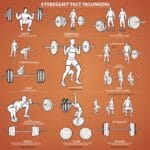
As a beginner, you should focus on learning critical exercises targeting the major muscle groups. Bodyweight movements such as squats, push-ups, and planks are great starters. Once you’re comfortable, you can gradually introduce free weights or resistance machines.

Proper form is non-negotiable. It’s more important than the amount of weight you lift or the number of repetitions you perform. Incorrect form can lead to injuries and setbacks. If you need more clarification about your technique, seek guidance from a qualified trainer.

Tracking your progress is both motivating and informative. Keep a log of the exercises, weights, repetitions, and how you felt during each workout. This guide record is invaluable; it helps recognize patterns, celebrate improvements, and plan future workouts that challenge your growing strength.

Maintaining and Advancing Your Strength Training

You must update your routine regularly to avoid hitting a plateau in your strength training. Here are some strategies to help you continue making progress.

SAFETY ALWAYS COMES FIRST: As you increase intensity, never compromise on form. You are doing fewer reps better than risking injury with improper technique.

REST IS YOUR ALLY: Remember to underestimate the power of rest. Your muscles need time to recover and grow stronger. It’s important to prioritize getting sufficient sleep and taking rest days into your exercise routine. It will help you avoid burnout and injuries.

BEYOND THE PLATEAU: If your progress stalls, shake up your routine. Try different exercises, alter your rep scheme, or change the weights you’re lifting.

Eat for strength: Nutrition is half the battle. Fuel your body with the right balance of proteins, carbs, and fats to support your strength training goals.

SEEK PROFESSIONAL GUIDANCE: A qualified trainer can provide personalized guidance to elevate your strength training journey.


https://www.wealthyaffiliate.com?a_aid=352a86b2

How Walking Can Improve Your Overall Wellbeing NOW

https://weightliftingforpower.com/how-walking-can-improve-your-overall-wellbeing/

You may have heard that walking is good for you. I’m here to confirm that truth and explain why making strides on foot isn’t just about getting from point A to B; it’s a gateway to better health. Walking is a highly effective yet underrated form of exercise that can significantly improve overall wellbeing.

How Walking Can Improve Your Overall Wellbeing NOW

How Walking Can Improve Your Overall Wellbeing NOW

Walking is a cornerstone of a well-rounded wellness routine. People can perform this low-impact exercise anywhere without requiring any special equipment, making it a suitable option for those with busy lifestyles. Through various traditions and practices, people around the world have revered walking for its physical, mental, and emotional restorative powers.

Historically, walking has been a foundational element of human life. Philosophers like Aristotle conducted peripatetic lectures while strolling through ancient walkways, and many cultures have used walking as a form of meditation and reflection. Today, amidst a fast-paced society, walking remains a simple yet powerful practice for staying healthy.

Physical Health: The Stride Towards Fitness

How Walking Can Improve Your Overall Wellbeing NOW

How Walking Can Improve Your Overall Wellbeing NOW

When you think about improving your physical health, walking might not be the first thing that comes to mind. But I’m here to tell you that it should be. Walking isn’t just a way to get from point A to point B; it’s a gentle, low-impact exercise that packs a powerful punch for your fitness and overall health.

First up, let’s talk about the heart. Regular walking can improve cardiovascular health, reducing the risk of heart disease and stroke. Maintaining a brisk pace encourages your heart to work harder, strengthening it over time. It’s much like any muscle in your body; you need to exercise it to keep it strong.

Muscles and joints also reap the rewards of consistent walking. Those who walk regularly may notice more toned legs, a firmer abdomen, and even improved arm muscle tone if they pump their arms as they stride. The controlled, steady nature of walking helps build muscle endurance and fortify bones, preventing loss of bone density as you age.

Additionally, walking can be a formidable ally if you’re watching your weight. Regular exercise and a balanced diet help manage weight by burning calories. You also foster a healthier metabolism, which keeps your body’s engine running smoothly.

Finally, pay attention to the value of walking for joint health. Regular walking helps maintain flexibility and strength in your joints, reducing the pain associated with arthritis. By keeping the joints moving, you’re less likely to suffer from stiffness and the loss of joint function.

Mental Clarity and Emotional Balance Through Walking

I’ve noticed in my own life how a brisk walk can clear the mind. Research backs this up, showing that those who walk regularly tend to experience lower levels of stress, anxiety, and depression. When we walk, our body releases endorphins, natural mood lifters.

You might not consider your morning stroll a problem-solving session, but walking can unlock creative thinking. My best ideas come when I’m on the move. Studies reveal that walking, particularly outdoors, can stimulate creativity and innovation.

Good quality sleep is foundational for wellbeing. Have you ever found that you sleep more deeply after a day of walking? Frequent walkers say their sleep quality has improved, and they can fall asleep more quickly while having more restful nights.

After recognizing how walking can sharpen our minds and stabilize our emotions, weaving this activity into your daily routine is the next step. Let’s explore how you can turn walks into a cornerstone of your lifestyle for sustained wellbeing.

Incorporating Walking into Your Lifestyle

Adopting a walking routine doesn’t have to be a drastic change. Small, consistent additions to your day can yield significant benefits over time. A straightforward way to start is by replacing short car trips with walking. Is the grocery store just a mile away? Consider walking there instead of driving. Those extra steps count, and the fresh air is a bonus.

Walking doesn’t have to be a solitary activity. Invite friends or family members to join you. It serves as a source of inspiration and helps reinforce bonds and cultivate a feeling of togetherness within a group. It is a source of inspiration, strengthens relationships, and develops a sense of togetherness within a group. Moreover, stimulating conversation can make the time pass quickly; before you know it, you’ve clocked in many steps.

When establishing objectives, it’s crucial to remember that each person is unique and has distinct requirements and preferences. Your neighbor might enjoy brisk morning jogs while you prefer leisurely evening strolls. When setting walking goals, listen to your body and choose a schedule that aligns with your fitness level. You could start with a ten-minute walk after dinner and gradually increase the time as you feel more comfortable.

KEEP TRACK of your walks using a simple notepad or a smartphone app. Keeping track of your progress can serve as a strong motivator. As the number of steps increases, you’ll likely feel a sense of accomplishment. When you accomplish small objectives, they can motivate you to establish fresh ones, resulting in a consistent pattern of positive reinforcement that boosts your overall physical and mental wellbeing.

Remember, walking is more than just a physical activity; it’s an investment in your quality of life. With each step, you’re moving towards a healthier, more vibrant you. So lace up those shoes and take the first step today because the best path to wellbeing might be the one you can walk on.

Group walks provide an excellent opportunity to connect with nature and others in a shared experience. Walking with a group encourages physical activity and fosters social interaction and community bonding. The group’s collective energy can be motivating and uplifting, making the walk more enjoyable and rewarding

As you walk through a natural environment, notice the intricate details of the ecosystem. A combination of sounds, including rustling leaves and chirping birds, creates the natural symphony. Pay attention to the patterns and textures around you, from the rough bark of trees to the soft moss beneath your feet. Each step you take connects you with a world that is constantly evolving and interconnected.

https://www.wealthyaffiliate.com?a_aid=352a86b2

Walking For Heart Health: What You Need To Know Fitness

https://weightliftingforpower.com/walking-for-heart-health-what-you-need-to-know/

I understand the importance of keeping your heart healthy, and you probably do, too. The engine keeps us moving; just like any engine, it needs regular maintenance. That’s where walking is one of the simplest yet most effective exercises for cardiovascular fitness. I want to help you see why walking is a leisurely activity and a powerhouse for your heart.

The connection between physical activity and  health is well-documented. A wealth of evidence suggests that participating in moderate-intensity physical activities, such as walking, can significantly lower the likelihood of developing cardiovascular diseases. The beauty of walking lies in its simplicity and accessibility. Whether it’s a brisk morning stroll or a vigorous hike, each step contributes to a stronger, healthier heart.

Many believe that only intense activities like running or high-intensity interval training benefit the heart, but that’s a common misconception. Walking at a pace that elevates your heart rate can provide remarkable benefits for you  without the joint stress from more high-impact activities.

Now, before you lace up your sneakers and head out the door, planning your approach is essential. In the next section, I can help you evaluate your physical fitness, establish realistic objectives, and create a tailored walking plan. We’re not just meandering around aimlessly but taking strategic steps towards a -healthy life.

Walking For Heart Health: What You Need To Know Fitness

Walking For Heart Health: What You Need To Know Fitness

Starting Your Walking Routine for Health

Evaluating your current fitness situation is a crucial first step. Checking in with your healthcare provider can provide a safe baseline from which to begin, especially if you’re managing existing heart conditions or are new to regular exercise. With a green light from your doctor, you can progress with confidence.

Next, craft a walking plan that suits you. This means considering not just the distance you walk but also the pace and frequency. Aim for a plan that’s challenging yet achievable. Take it easy by starting with a slow 15-minute walk in the vicinity, and then progressively enhance the intensity and duration of your stroll as you get used to it.

Making walking a daily habit is critical for long-lasting  health improvements. Consistency trumps sporadic bursts of activity. Find a routine that fits into your schedule. Some people swear by morning walks to start the day, while others prefer an evening walk to decompress. The key is to make it a non-negotiable part of your day, akin to brushing your teeth.

Even with the above advice, knowing when to take a day off is essential. Rest is as crucial as exercise, especially as your body adapts to a new routine. Listen to your body and give it the downtime it needs.

Maximizing the Benefits: How to Walk Right for Your Heart

c75ea7cf ca1e 4d34 897b b930961c50bd

Putting one foot in front of the other can bolster heart health, but there’s a knack for turning a stroll into a potent cardiovascular workout. It begins with pacing. A brisk pace works wonders, setting you  to work harder. Aim for a speed where talking is possible, but singing isn’t.

I encourage you to listen to your body. It’s the best gauge for adjusting intensity. When ready, add intervals. That’s alternating between a fast pace and a leisurely one. This training boosts heart rate variability, a sign of a robust heart.

Walking with proper form matters, too. I suggest standing tall, keeping your gaze ahead, and letting your arms swing naturally. This posture ensures that each step contributes to your heart’s strength without unnecessary strain on joints.

Remember to do the first few sessions sparingly. Increase duration and distance gradationally. Your heart will thank you for small increments. If you use a heart rate monitor, aim to stay within 50-70% of your maximum heart rate initially, especially if you’re new to exercise.

Beyond Walking: Complementary Activities and Lifestyle Changes

Walking isn’t the sole hero in the narrative of  health. A well-rounded approach to well-being often includes a cast of supporting characters. I’ll guide you through complementary activities and lifestyle changes that can work harmoniously with your walking routine to bolster your  health further.

Nutrition plays a critical part in cardiovascular health. Integrating friendly foods like leafy greens, whole grains, and fatty fish can multiply the positive effects of your walking routine. Think of your diet as the fuel that keeps your heart’s engine running smoothly.

When it comes to low-impact exercises that complement walking, consider swimming or cycling. These activities offer variety to keep your exercise routine engaging and emphasize different muscle groups, contributing to overall cardiovascular endurance.

Sleep quality and stress are two factors that play a significantly understated role in  health. By ensuring that you get an adequate amount of quality sleep, you can effectively rejuvenate your  energy levels. Additionally, practicing effective stress management techniques like meditation or deep breathing exercises can assist in regulating and maintaining a calm heartbeat.

Embrace these changes as endearing companions along your path to a healthier heart. Combined with a consistent walking routine, they create a powerful synergy that elevates your  health to new heights.

https://www.wealthyaffiliate.com?a_aid=352a86b2

The Mental Health Benefits Of Walking NOW

https://weightliftingforpower.com/the-mental-health-benefits-of-walking/

I understand the power of putting one foot in front of the other. That simple act of walking can be a remarkable tool for mental health. Where some might see just physical exercise, I see an accessible path to emotional and psychological well-being.

Mental health, a vital aspect of overall health, is gaining the spotlight it deserves. With the fast-paced nature of modern life, stress and anxiety are all too familiar. Walking is a practical solution to these modern ailments—it requires no special equipment, can be done almost everywhere, and is entirely free.

Research doesn’t just suggest walking can help; it confirms it. Studies underline that a regular stroll can do wonders for the mind. From enhancing mood to reducing the risk of chronic mental health conditions, walking is a stride towards a healthier, happier mindset.

With that in mind, I invite you to explore the ‘how’ and the ‘why’ — understanding the mechanisms at play can encourage us to lace up our sneakers with purpose. It’s more than a breath of fresh air; it’s a step in the right direction for mental resilience and clarity.

8dd4b52d 9353 4e73 89af de33cf005242

The Mental Health Benefits Of Walking NOW

Unpacking the Stress-Relief Benefits of Walking

Despite the well-known influence of physical activity on stress management, people need to widely recognize the significant role that walking plays in this equation. Walking isn’t just about moving from point A to point B; it’s an act that engages the body and mind, directly affecting our stress levels. Brisk walking reduces stress responses and promotes balance.

Biologically, stress triggers a release of cortisol, often called the ‘stress hormone.’ When cortisol levels remain high over prolonged periods, it can wreak havoc on health. Fortunately, walking has a regulatory effect. Walking can restore hormonal balance, leaving the walkers feeling relaxed.

There’s a wealth of personal stories from individuals who have turned to walking as a sanctuary from stress. Take, for example, a nurse who finds solace in her evening walks, reporting that it allows her to ‘decompress’ after a demanding day. Or a teacher who uses quick walks during breaks as moments to ‘reset’ his mental state, helping him maintain a calm demeanor throughout the school day.

Incorporating daily walking into one’s life can seem daunting, but it’s about building a routine that becomes second nature. Start small, maybe with a short walk around the block or to a local park. Over time, as it becomes a habit, walking can be a reliable tool for managing daily stressors. The key is consistency; the more regular the walks, the more pronounced the stress-relief benefits.

Walking Your Way to Improved Mood and Emotional Resilience

88d816ff 3464 4e1b be3d c8f4ac326f63

You may have experienced the lightness that follows a stroll or how a brisk walk can shift your mood from gloomy to hopeful. It’s no coincidence; walking has the power to revamp our emotional state. Beyond the physical realm, it triggers a cascade of biochemical reactions that can uplift our spirits.

Our brains release endorphins, often called the ‘feel-good’ hormones, during physical activities like walking. Endorphins act as natural mood enhancers and pain relievers, reducing the sensation of pain and producing positive sensations in the body that are similar to the effects of morphine.

Researchers have linked regular walking to a reduction in symptoms of anxiety and depression. The rhythmic nature of walking provides moving meditation, promoting peace and mental clarity. Over time, it can significantly improve your mental health, helping you manage these conditions effectively.

Consistently stepping out for walks also builds emotional resilience. Emotional resilience refers to one’s ability to adapt to stressful situations or crises. Walking can provide mental space for processing thoughts, leading to better problem-solving and coping strategies under duress.

How can we turn walking into a more pleasurable and mood-enhancing routine? Here are a few tips to consider:

Choose scenic routes or trails that stimulate your senses and provide new experiences.

Engaging in physical activity with a companion or becoming part of a walking team can offer a chance to socialize while staying fit.

Set achievable goals that encourage a sense of accomplishment with each walk.

Listen to music, audiobooks, or a podcast while walking to combine mental engagement with physical activity.

Optimizing Your Walking Routine for Maximum Mental Health Benefits

0c9f224f 60f7 44a2 b44e 71a291e65765

Personalization is vital when tailoring your walking routine to support your mental health. To fully benefit from your walks, practice mindful walking by paying attention to your surroundings and bodily sensations. Nature walks, in particular, provide a serene setting that fosters relaxation and mindfulness. These practices encourage you to be present, helping to reduce rumination and negative thought cycles.

It is essential to create and adhere to a regular schedule that suits your lifestyle. Taking a walk every day, whether it’s a quick and energetic walk or a relaxed and leisurely stroll, can have a profound impact on your mental health and well-being. Develop a realistic schedule for yourself—even short walks can be beneficial if done regularly.

But don’t walk alone; consider combining your walking routine with other positive mental health practices. You can include listening to uplifting music, inspiring podcasts, or even practicing breathing exercises while walking. Creating a multi-sensory experience can elevate the impact on your mood and stress levels.

Lastly, I challenge you and your community to advocate for walkable environments. Safe, accessible paths and nature trails can enrich everyone’s mental health. Your voice can drive change, making it easier for everyone to step out the door and into a healthier frame of mind.

Mental health benefits of walking outside

Our mental health receives a powerful boost when we step outside and stroll in nature. Research suggests that walking outside can reduce feelings of stress, anxiety, and depression by promoting the release of endorphins in the brain. Indulging in the lush greenery and breathing in fresh air can provide a soothing and uplifting experience for the mind, improving one’s overall well-being.

https://www.wealthyaffiliate.com?a_aid=352a86b2

Walking Vs. Running: Which Is Better For Health?

https://weightliftingforpower.com/walking-vs-running-which-is-better-for-health/

I understand that decisions about our health can often feel overwhelming, especially regarding exercise. With so much advice swirling around, I aim to provide a clear picture of how walking and running stack up against each other. Both are time-honored ways to keep fit, but which is better for health? That’s what I’m here to explore.

23110e9f b94a 4fc3 84de a2b34ef4d661

36ff57c2 0ec4 4d21 97c4 46443421fa6f

Exercise is undeniably essential for maintaining good health. “It is essential to manage weight effectively and reduce the likelihood of chronic illnesses to maintain a healthy lifestyle.”Walking and running are two of the most popular and accessible ways to stay active.

I draw on a wealth of scientific research that compares the two to give you the most reliable insights. The debate of walking versus running is nuanced, and a closer look at the evidence will help you understand each activity’s unique benefits. It’s about equipping you with the knowledge to make informed decisions for your health journey.

Step by Step: The Advantages of Walking for Health

I will explain why walking is an exercise powerhouse in its own right. It’s a versatile activity that nearly everyone can participate in. Regardless of fitness level, from the absolute beginner to the seasoned athlete, walking can play a valuable role in maintaining and enhancing health.

A major perk is that walking is kind to your joints. It’s a low-impact activity, which means that compared to running, it puts far less stress on your knees and hips. That’s especially important for individuals with arthritis or those recovering from injury. Numerous research studies indicate that engaging in moderate physical activities, like regular walking, can significantly decrease diabetes and certain types of cancer.

Moreover, walking is more than just physical exercise; it can be a tremendous mental health booster. Walking generates increased blood flow, nourishing your brain and possibly improving cognitive function. It’s also a powerful antidote to stress. When walking briskly, endorphins boost mood, ease anxiety, and clear the mind.

Walking is effective and sustainable for weight management. Walking burns calories without the risk of overexertion, unlike running, which may require more recuperation time. Walking is also associated with improved heart health; boosting cardiovascular circulation helps strengthen your heart and blood vessels.

Lastly, don’t underestimate walking as merely a ‘starter’ exercise. It can lead you to more intense physical activities, but for many, walking remains a cornerstone of their fitness regime, providing a balanced and less strenuous way to stay healthy.

Picking Up the Pace: The Health Rewards of Running

Walking Vs. Running: Which Is Better For Health?

ffc3669f 1c36 4c70 942c 8f1b7ab41af6

There’s a reason running is often a go-to for fitness enthusiasts aiming to ramp up the intensity of their workouts. When you increase your pace from a walk to a run, the game changes—you light a proverbial fire under your calorie burn, and the benefits start adding up. Running, a high-impact activity, tends to burn more calories than walking. It can be a powerful tool if your aim is significant weight loss or improving your body composition.

But the perks of picking up the pace continue with calorie burning. Driving your heart rate higher, running sets the stage for an all-around enhancement of cardiovascular health. Regular runners often enjoy lower blood pressure, a reduced risk of heart disease, and better cholesterol levels. As you pump your legs and push your endurance, you’re cultivating heart strength and fortifying your muscles.

Those who run can also vouch for the psychological lift it provides. As you hit your stride, the famous’ runner’s high’ — a sense of euphoric well-being that floods you post-run — is a testament to the mood-boosting power of this exercise. That’s due to the release of endorphins, your body’s feel-good chemicals, making running as beneficial for your mind as it is for your body.

However, if you’re starting or have pre-existing health issues, don’t be discouraged. Running might seem intimidating, but it can be approachable with a proper plan. Beginners should consider a gradual build-up in intensity to acclimate their bodies. Consulting a health professional before beginning a running regimen is crucial for those with health concerns — they can provide tailored advice and guidance.

Striking the Right Balance: Choosing What’s Best for You

When it comes down to it, the decision between walking and running isn’t a contest with a clear winner. It truly boils down to your personal health goals and preferences. Some people adore the serenity and consistency of a brisk walk, while others thrive on the intensity and challenge of a run.

It’s essential to weigh the benefits of each activity against your health profile. Consider any existing health issues, your current fitness level, and what feels sustainable for you in the long term. For some, the high impact of running might be too much, increasing the risk of injury. If that rings true, walking is an excellent alternative with significant health benefits.

Incorporating variety in your fitness routine isn’t just about staving off boredom. It’s also about challenging different muscles, giving parts of your body a break when needed, and perhaps most importantly, maintaining your enthusiasm for staying active. Don’t hesitate to mix things up by interspersing jogs with your walks or vice versa.

Health experts often suggest that walking and running can provide a comprehensive fitness regimen, targeting different energy systems and improving overall health resilience. Whether you wear out your sneakers on a serene trail or pound the pavement in a lively sprint, the most vital aspect is that you’re moving.

So, pay attention: your body is your best guide. Notice how you feel during and after exercise. If you’re energized and motivated, that’s excellent – keep going. But if you’re consistently in pain or dread your workouts, it’s time to reassess. AND REMEMBER, the ultimate goal is building a habit of physical activity that’s enjoyable and health-promoting for years to come.

https://www.wealthyaffiliate.com?a_aid=352a86b2

10 Tips For Walking Safely And Effectively NOW

https://weightliftingforpower.com/10-Tips-For-Walking-Safely-And-Effectively/

Walking is more than just a way to get from point A to point B; it’s a tips cornerstone of a healthy lifestyle. Recognized for its cardio benefits and low impact on joints, it’s an exercise that’s accessible to just about everyone. Yet, as with any physical activity, a fusion of safety and efficiency is vital. This article isn’t about walking more; it’s about walking smarter.

729ebfc0 a09a 4a9d b7b4 3a0e3eb0a208

20716ac6 a2b3 4828 9058 3de16a4fdaf9

Whether you’re walking for fitness, leisure, or your daily commute, key considerations must be made to ensure not just safety but also effectiveness. It is not about a one-size-fits-all rulebook. Instead, I want to offer practical advice that you can tailor to your life, surroundings, and fitness level.

It’s crucial to recognize that every step counts. Applying these tips can help you avoid unnecessary risk and make each walk an investment in your long-term health. Let’s step forward together on this path of better walking, keeping safety and personal wellbeing in mind, and enjoying this simple yet profound activity.

Pre-Walk Preparation: Laying the Groundwork for Safety

f14f7c5a ff8c 4f1b 820f bf8cb599228e

10 Tips For Walking Safely And Effectively

When I consider walking as part of my fitness regimen, I start with preparation. It’s not just about lacing up any old pair of sneakers and hitting the pavement. Being adequately prepared can have a substantial impact on both your safety and comfort.

I can’t stress enough the importance of choosing the proper footwear. Ill-fitting shoes can cause blisters, shin splints, and long-term joint problems, so it is important to choose the right shoes. So, I look for shoes with good arch support, cushioning, and a grip that matches the terrain I plan to tackle.

It’s also vital to know where I’m going. Surveying my route beforehand lets me anticipate busy intersections, uneven sidewalks, or areas with poor lighting. It helps me stay safe and avoid any potential hazards along the way.

Remember hydration and nutrition. A well-hydrated body performs better, and a light, nutritious snack can provide the energy needed for a vigorous walk. Dynamic stretches prime my muscles and prepare my body for the movements, reducing the risk of injury.

With my shoes tied, the route set, and my body nourished and warmed up, I’m preparing to leave. When walking, it’s essential to take steps, proactively prioritize safety, and prepare for the journey ahead. Next, I’ll share how to put these preparations into practice with effective walking techniques.

Walking Techniques: Maximizing Benefits While Minimizing Risks

Mastering the art of walking isn’t just about putting one foot in front of the other; it’s about how you do it. Pacing is your secret weapon here. Finding your ideal walking speed is critical. It’s a balance between pushing yourself just enough to elevate your heart rate and maintain endurance without overstressing your body.

It’s not just speed that matters, but also how you carry yourself. Proper posture can make a tremendous difference. Standing tall, keeping your gaze forward, and your shoulders relaxed allows efficient breathing and prevents back pain.

Every path presents its own set of challenges and rewards. Whether trekking on a trail or walking on a city street, modifying your stride according to the terrain helps maintain balance and avoid mishaps.

Safety isn’t just about your physical wellbeing; it’s also about being conscious of your environment. It means staying aware of the traffic alongside roads, keeping an eye out for uneven pavements, or being mindful of natural obstacles on a trail.

You are moving on; cooling down after your walk is as critical as the walk itself. It’s tempting to skip this part, especially after a long walk when you’re eager to rest. However, this next section will reveal why the cooldown is a golden opportunity to enhance your walking routine further.

Post-Walk Practices and Considerations

I cannot emphasize enough how vital your post-walk routine is. It is where you help your body recover and gear up for the next outing.

Cooling down should be an unskippable ritual. It’s simple: finish your walk with a few slower, relaxed paces, then do some stretches. Target your legs, calves, and back. These stretches are vital. They improve flexibility and can drastically reduce your risk of injury.

More and more walkers are turning to technology to stay on track. It’s wise to use apps and gadgets to monitor your activity. But remember, it’s about informing your journey, not dictating it. These tools should empower you, not lead to overreliance or self-criticism.

Another critical point is self-awareness. After each walk, take a moment to reflect. How do you feel? Are there any aches or pains that weren’t there before? Responding promptly to your body’s signals is non-negotiable. Catching potential issues can prevent long-term setbacks.

Finally, balance is your friend. Walking every day is excellent, but too much without rest can lead to burnout or injury. Adequate rest is part of the program, not an interruption. Listen to your body, and it will likely thank you with more enjoyable, effective walks in the following days.

https://www.wealthyaffiliate.com?a_aid=352a86b2

How To Start A Walking Routine For Better Health

https://weightliftingforpower.com/how-to-start-a-walking-routine-for-better-health/

You might not give it much thought, but walking is a remarkably effective form of exercise. Consider its broad-ranging advantages:Start walking can bolster heart health, assist in weight management, and enhance mental wellbeing.

2e415de4 9d11 4b10 9a18 26ae931d1bf2

337af6a9 cdeb 4f33 90a4 d4fe62618885

Now, despite its simplicity, walking is often overlooked. Maybe because it’s something we do without effort, we assume it can’t make much difference. However, research begs to differ. Studies show a consistent walking routine can significantly lower the risk of chronic diseases.

You can meet the CDC’s guidelines for moderate-intensity aerobic activity by engaging in activities like brisk walking for at least 150 minutes each week. Implementing a walking routine can be your stride towards meeting this guideline and improving your health.

I’m not just presenting a general health principle; I aim to create a road map for you to build and maintain a walking routine. This approach isn’t about intense workouts but about integrating a practical, enjoyable, and sustainable activity into your life for long-term benefits.

Identifying Your Personal Walking Goals

Before you lace up your sneakers and step out the door, it’s crucial to consider what you aim to achieve with your walking routine. Having clear, personalized goals can transform your walks from aimless strolls to powerful tools for your health.

Are you walking to shed a few pounds, maintain weight, or improve cardiovascular fitness? You may be interested in the mental clarity of a brisk morning walk or the peace of a leisurely evening saunter. Recognize what you want to get out of your walking routine; this understanding will guide the ‘how’ and ‘when’ of your steps.

If you’re new to walking for exercise, start with manageable targets. For instance, aim for a 15-minute walk on most days of the week and incrementally build up. Regularity is more beneficial than intensity when you’re just starting.

I recommend keeping a simple log of your walks. Note how far you went, how you felt, and anything notable about the walk. It doesn’t have to be elaborate—a straightforward notepad or a digital app will do the trick. Celebrate small victories; perhaps you walked five minutes longer than last time or chose to take the stairs. These are the kinds of progress worth acknowledging.

Next, I’ll guide you through building this routine into a sustainable part of your lifestyle. We’ll discuss the practical details of setting yourself up for success and how you can stay influenced by making each walk enjoyable and varied.

Creating a Sustainable Walking Routine

23347c48 ec26 4fc6 890d 677c23880ec6

How To Start A Walking Routine For Better Health

Once you’ve set clear personal goals for your walking routine, the next step is to establish a sustainable plan. Your success in maintaining a walking routine rests on your ability to integrate it into your daily life.

Proper footwear is critical. I cannot stress enough how comfortable walking shoes can make or break your experience. Ill-fitting or inappropriate shoes can lead to injuries that may derail your efforts. Investing in good-quality footwear pays off not just in comfort but also in protecting your feet and joints.

It’s wise to start slowly, especially if you’re new to regular exercise or returning after a break. You could begin with a brisk 10-minute walk each day and gradually increase the duration by five minutes weekly until you can comfortably walk for 30 minutes or more.

To keep your routine engaging, change your routes often. Walking the same path every day can become tedious. Exploring new neighborhoods or taking on park trails inject variety and revitalization into your routine.

Safety should never be an afterthought. Always pick well-lit, safe paths for your walks, and if you’re venturing out early in the morning or after dark, wear reflective gear. Share your walking plan with someone if you’ll be in a secluded area.

Consistency is the backbone of any routine. Aim to walk simultaneously daily to help it become a habitual part of your schedule. On days when time is short, a shorter walk is better than none—keep up the habit.

Building a walking habit isn’t a race; it’s about cultivating a part of your lifestyle that can last for years. As you walk toward better health, this simple practice will be a cornerstone for a healthier, happier life.

Maximizing Health Benefits Through Complementary Practices

So, you’ve laced up your shoes and stepped into a healthier routine with your new walking regimen. That’s great! But there’s more to it than just putting one foot in front of the other. To reap the full spectrum of benefits walking offers, consider pairing your endeavors with complementary health practices.

Optimal health requires a balanced diet, hydration, and mind-body practices like yoga and meditation.

Remember, stretching isn’t just a prelude to your walk; it’s a crucial component that prepares your muscles, reducing the risk of injuries. Moreover, including some strength training exercises on alternate days can fortify your legs, making your walks more efficient and increasing their health benefits.

Remember to appreciate the power of a supportive community or simply walking with friends or family. This interaction can turn exercise into a social event, increasing your commitment and, arguably, making it more enjoyable.

Lastly, rest is as important as activity. Taking rest days helps your body to recover from physical exertion, making you stronger and more resilient. Please pay close attention to your body’s signals and give it the necessary downtime. It will help avoid overexertion and potential injury, ensuring that your walking routine remains a sustainable and beneficial part of your healthy lifestyle.

https://www.wealthyaffiliate.com?a_aid=352a86b2

The Benefits Of Walking For Health and its Calming Simplicity

https://weightliftingforpower.com/the-benefits-of-walking-for-health/

When you think about boosting your health, the image of a gym with all the latest equipment might come to mind. But what if I told you that something as simple as walking can profoundly affect your wellbeing? It’s true. The beauty of  lies in its simplicity and accessibility. You can begin a new activity by simply having a comfortable pair of shoes and being willing to take the initial step without costly equipment or specialized training.

3f704757 23e5 4c8d 80cf 9d648ab125ba

There’s a misconception floating around that only high-intensity exercise can whip you into shape. It’s time to bust those myths. Science shows that it can significantly contribute to your health. I’m not dismissing the value of a good run or weight session, but its is a powerhouse in its own right.

I’m here to guide you through the health benefits of regular walking. I’ll make sure by the end of this exploration, you’ll be lacing up those sneakers with a new perspective. Does that mean you need to start walking for hours on end? Not. Even a brisk 30-minutes daily can set you on a path to improved health. With that in mind, let’s explore how walking can be your ally in building physical health. Grab your water bottle, and let’s get moving – metaphorically, for now.

Physical Health: Steps to a Better You

The Benefits Of Walking For Health and its Calming Simplicity

5bbb402b 0a67 4d4f 9dd5 2248bff13c1c

You might be surprised how walking could be one of the most effective tools in your health arsenal. It’s a low-impact exercise accessible for most people and requires no special equipment, just a good pair of shoes. Let’s explore the numerous ways walking can contribute to your physical wellbeing.

One of the most significant benefits comes in the form of cardiovascular improvements. Regular walking increases heart rate, promotes blood flow, and strengthens the heart. Over time, this can reduce heart disease and stroke risks. It’s an easy way to help keep your blood pressure in check.

In our increasingly sedentary world, walking answers weight management woes. It’s a calorie burner that, when consistent, helps maintain a healthy weight and combats obesity. This activity can be particularly effective when paired with healthy eating habits.

When it comes to musculoskeletal health, walking doesn’t fall short. It strengthens bones and muscles, improving balance and coordination. It can be incredibly beneficial as one age, reducing the risk of falls and fractures.

A consistent routine can also play a crucial role in preventing chronic diseases. Regular walkers report lower incidences of conditions such as type 2 diabetes, arthritis, and certain types of cancer. It’s one of the most uncomplicated preventive measures you can integrate into your daily routine.

After examining the physical advantages of walking, the conversation naturally progresses to the mind. Your mental health can benefit greatly from this  yet effective activity. In the next section, we’ll discuss how walking can clear the path for a healthier body and a more serene and focused mind.

Mental Health and Emotional Wellbeing: Clearing the Path

I recognize the importance of walking, not just for your body but for your mind, too. Walking can act as a reset button for your mood. When you feel overwhelmed or anxious, a brisk walk might be just what you need.

Numerous studies have shown that walking, significantly when done regularly, can reduce stress levels. It’s a natural way to release tension and allows for a mental breather – giving your thoughts room to settle.

You may also find that walking helps to lessen symptoms of depression. Regular physical activity increases endorphin levels, often called the body’s natural mood lifters. These hormonal changes can lead to an improved sense of wellbeing.

I’ve noticed that walking outside can do wonders for mental clarity and creativity. Being in a new environment, away from the usual distractions, gives your brain the space to develop fresh ideas and perspectives.

The benefits for your mental health extend beyond just dealing with stress or a brief mood boost. IT  sets the stage for an improved outlook on life, enhancing your emotional resilience.

Your Social Health:

Walking isn’t just a solitary venture; it’s a social activity that can profoundly enrich your life. Integrating  into your daily routine with others creates opportunities for social connections that you might have otherwise missed. Whether through structured   groups or casual strolls with friends,  side by side can foster conversations, deepen relationships, and build new ones.

It is noteworthy how walking together can mirror moving forward with others. It’s an inclusive activity that nearly everyone can participate in, breaking down age, fitness level, or social status barriers. For family members across generations, its  is a simple yet meaningful way to spend quality time, share stories, and create memories.

Lastly, I encourage you to let walking be a door to your community. Beyond fitness, it’s a chance to uncover the hidden gems of your neighborhood, meet residents, and participate in civic life. Community  events, charity walks, or volunteer ‘plogging’ (picking up litter while jogging   can make your steps count for more than just health—they become steps towards a stronger, more connected community.

https://www.wealthyaffiliate.com?a_aid=352a86b2

The Importance Of Warm-Up And Cool-Down In Kettlebell Training For Beginners Now

https://weightliftingforpower.com/the-importance-of-warm-up-and-cool-down-in-kettlebell-training-for-beginners/

If you’re new to kettlebells, you might overlook the warm-up, eager to start swinging. However, warming up is a step you should always take. I’ve seen the difference it makes in myself and others I’ve trained. Getting your body ready for exercise can decrease the likelihood of harm and enhance your athletic abilities.

b4ab4de8 77c4 42e5 a8e8 b56cbfad9064

The Importance Of Warm-Up And Cool-Down In Kettlebell Training For Beginners

Warm-up exercises gently ready your muscles and cardiovascular system for a kettlebell workout’s increased demands. Think of it as pre-heating an oven before baking – the preparation ensures everything works. By increasing blood flow, you’re warming the muscles, making them more pliable and responsive.

Dynamic stretches are your go-to for warming up, meaning you move as you stretch. This type of stretching imitates the movements of kettlebell exercises, which helps your body adjust to the upcoming activity. Pay particular attention to your shoulders, hips, and hamstrings – these areas play a prominent role in kettlebell workouts.

Kettlebell training involves cardiovascular exertion and strength, so your warm-up should reflect that. You’re not just stretching; you’re gradually increasing your heart rate and loosening up joints with movement patterns you’ll use during the workout. This approach doesn’t just physically prepare you; it also mentally tunes you into your session. And with your muscles well-prepped, you’re now ready to design a warm-up routine that specifically complements kettlebell training.

Designing the Perfect Kettlebell Warm-Up Routine

c493de0f 2f6f 4a7f ae28 e95287961de1

I’m not one for beating around the bush, so a kettlebell’s shape and weight distribution demand a unique warm-up routine. Without one, you’re giving injuries a free pass. Here’s how to get your muscles ready and your heart pumping just right.

Time is precious, and I get it. You might be thinking, ‘How long should I warm up?’ It generally takes 10 minutes to get the blood flowing and joints lubricated. Be mindful, though – a warm-up that’s too brief won’t prep you enough, and one that’s too long might tire you out before the main event.

It’s not all about the time, though—intensity matters. Start slow and build up. Some light jogging or stationary cycling does wonders initially, followed by mobility exercises that mirror the kettlebell movements you’ll be doing.

Let’s talk specifics. Mobility work is your secret weapon – it directly affects your range of motion and performance. Think about the areas you’ll be targeting: shoulders, hips, and hamstrings, especially. Arm circles and hip hinges are your go-to moves, preparing you for swings, snatches, and presses.

I can’t stress this enough – make it consistent. A perfect warm-up routine is the one you’ll do. So, personalize it, make it enjoyable, and most importantly, keep it regular.

Navigating the Cool-Down: Transitioning from Kettlebell Chaos to Calm

d86e9e82 fb46 4af0 b46f aef259fe3c14

After you’ve pushed through the final set of kettlebell swings and your muscles are burning with effort, it might be tempting to drop the weights and collapse on the nearest flat surface. But hold on. I have a secret weapon for you that might not be so secret but underutilized: the cool-down.

Cooling down isn’t just about comfortably bringing your heart rate down; it’s an essential capping to your routine for three main reasons. First, it helps your body transition from the high-intensity state of exercise to normalcy. Second, it aids in preventing muscle soreness and promotes faster recovery. Third, it can avoid the unpleasant dizziness or fainting that could happen if you stop exercising too abruptly, thanks to how it helps regulate blood flow.

Your cool-down should include a few minutes of active recovery. It Means lower-intensity exercise like walking or light jogging. It enables the body to keep moving, which, in turn, encourages the removal of lactic acid buildup in your muscles. You’ve asked your muscles to work hard; now it’s time to thank them with a proper cool-down that encourages repair and growth.

Cool-down exercises I’ve found particularly effective for kettlebell routines include stretching the major muscle groups you’ve used, like your glutes, hamstrings, shoulders, and back. Remember to breathe deeply during these stretches.

Regularly incorporating a cool-down phase supports your immediate recovery and lays the groundwork for enduring habit transformation. As you make it a staple of your kettlebell routine, your body will THANK YOU by being ready and capable for subsequent workouts, ultimately enhancing your fitness longevity.

Building a Solid Foundation: The Key to Kettlebell Mastery

I’ve covered the importance of warm-up and cool-down routines in your kettlebell training journey. But let’s remember the ultimate goal: to build a solid foundation. It means understanding the whys and hows, which minimizes risks and maximizes the benefits of this powerful workout tool.

As a beginner, you’re in an excellent position to establish good habits from the start. Consistent warm-ups prepare your body, reducing the risk of injury, while intentional cool-downs optimize recovery. It’s NOT JUST about getting through a session. It’s about enhancing the next one.

Kettlebell workouts are demanding, involving multiple muscle groups and requiring significant energy and focus. “This is where safety becomes an absolute necessity and cannot be compromised.” From maintaining proper form to recognizing when to increase kettlebell weight, you must be in tune with your body’s capabilities and limits.

Rest days are as crucial as workout days. Over-exertion can lead to burnout and injury, setting back your progress. By acknowledging that rest is part of the program, you respect the process of achieving robust, sustainable fitness.

The time you invest in learning the proper techniques, establishing a warm-up and cool-down routine, and taking adequate rest will pay off. Kettlebell training demands an individual to exhibit perseverance, composure, and mindfulness to achieve optimal physical and mental strength.

Remember, every athlete was once a beginner. Mastery in kettlebell training only happens after some time. Take your training one swing at a time, and don’t rush the process. The steady, measured approach leads to long-term success and well-being.

https://www.wealthyaffiliate.com?a_aid=352a86b2

Creating A Beginner-Friendly Kettlebell Training Routine NOW FOR SUCCESS

https://weightliftingforpower.com/creating-a-beginner-friendly-kettlebell-training-routine/

Kettlebell training might sound intimidating if you’re starting your fitness journey, or perhaps you’ve heard of it and are curious to try it. Kettlebell training involves a cast-iron or cast-steel ball with a handle attached to the top. It’s known for creating strength, flexibility, and cardiovascular health.

Creating A Beginner-Friendly Kettlebell Training Routine NOW FOR SUCCESS

Creating A Beginner-Friendly Kettlebell Training Routine NOW FOR SUCCESS

There’s a misbelief that kettlebells are only suited for highly fit athletes. I’m here to tell you that’s not the case. Kettlebell exercises can accommodate beginners and offer modifications to match various fitness levels.

Kettlebells lend themselves to various movements, working several muscles simultaneously. This efficiency is part of what makes them so compelling and a favorite among fitness enthusiasts.

Before diving in, prioritize safety to ensure a great start. I advise beginners to start with lighter weights to master form and to seek guidance when needed. Remember, proper technique is crucial to reap the benefits while minimizing the risk of injury.

With your interest piqued and safety tips in your pocket, we’ll transition smoothly into the next phase. It’s time to learn to pick the kettlebell that’s right for you.

Selecting the Right Kettlebell

Creating A Beginner-Friendly Kettlebell Training Routine NOW FOR SUCCESS

Creating A Beginner-Friendly Kettlebell Training Routine NOW FOR SUCCESS

Now that you understand what kettlebell training is and why it’s beneficial, the next crucial step is choosing the right kettlebell. The one you select will be a fundamental tool in your fitness journey, so it’s essential to get it right.

Kettlebells come in various types, each with its own set of features. Traditional cast-iron kettlebells are robust and usually less expensive, while competition kettlebells have uniform sizes regardless of weight, making them ideal for consistent technique practice.

The weight of the kettlebell is your primary concern. As a beginner, you’re looking for a weight that challenges you but doesn’t compromise your form. A typical starting point for men is a 16kg kettlebell, while women might start with an 8kg or 12kg bell. Listen to your body; starting too heavy can lead to injuries.

The handle design is just as vital since it affects your grip. Look for a handle that comfortably fits both hands with enough space between the handle and the bell’s body. Avoid kettlebells with rough handles to prevent blisters.

As for kettlebell materials, go for one that feels comfortable and durable. Vinyl-coated kettlebells can protect your floors but might get slippery with sweat. Powder-coated or bare metal kettlebells often provide a better grip.

If purchasing a kettlebell isn’t an option, you can get creative at home. A sturdy bag filled with books or cans can serve as an improvised weight, but keep safety in mind and ensure the makeshift kettlebell is secure.

Once you have chosen the kettlebell that fits your needs, it’s time to develop a personalized workout regimen that aligns with your fitness objectives and current physical condition.

Designing Your Beginner Kettlebell Routine

Embarking on a kettlebell training journey as a beginner can be both exhilarating and intimidating. I aim to demystify the process and arm you with a simple, productive routine to set you on the path to strength and confidence. Before diving into the exercises themselves, it’s essential to establish clear and achievable goals. Consider what you want to accomplish with kettlebell training, whether building muscle, increasing endurance, or enhancing flexibility.

A solid beginner’s routine should cover all the critical areas for a balanced full-body workout. I recommend starting with foundational exercises that target major muscle groups. These can include the kettlebell swing for your posterior chain, the goblet squat for lower body strength, the kettlebell press for upper body conditioning, and the kettlebell row to target your back.

The structure is crucial for success and safety in any workout regimen. A beginner’s kettlebell routine should include a thorough warm-up to prepare your body for action. It could involve dynamic stretches and light cardio movements. After warming up, transition to your kettlebell exercises, focusing on form and control rather than speed or the number of reps. Finish with a cooldown period that includes static stretches to aid recovery.

Rest and recovery are as vital as the workouts themselves. I advise beginners to schedule kettlebell training every other day to allow muscles time to heal and grow stronger. This alternate-day approach helps prevent burnout and reduces the risk of injury due to overtraining.

Tips for Maintaining Form and Avoiding Injury

If you’re new to a fitness routine, especially one involving kettlebells, it’s imperative to prioritize form and safety above all else. Good form is the cornerstone of practical training and helps prevent injuries that could derail your progress. With each exercise, ensure your movements are controlled and deliberate, focusing on the targeted muscle groups.

Many beginners fall into traps of common errors like swinging the kettlebell with just their arms, squatting too profoundly in a swing, or rounding the back during lifts. Please pay attention to these pitfalls and actively work to avoid them by regularly checking your form and using a mirror or video to self-assess.

Progression in kettlebell training is not just about adding more weight. It’s about mastering the weight you’re currently using. Only consider moving to a heavier kettlebell when you can perform exercises efficiently, precisely, and, most importantly, without fatigue compromising your form.

Lastly, while solo workouts have their perks, consulting a fitness professional with experience in kettlebell training can provide invaluable feedback. A coach can correct your form, tailor your routine to your goals, and ensure your workout remains safe and effective. Remember, it’s not just about working hard but also about working smart to enjoy all the benefits of kettlebell training.

https://www.wealthyaffiliate.com?a_aid=352a86b2