The Importance Of Rest And Recovery For Beginners NOW

https://weightliftingforpower.com/the-importance-of-rest-and-recovery-for-beginners/

When you’re eager to get fit, you might think the best approach is to push yourself daily. However, rest and recovery are non-negotiable aspects of any effective fitness regimen, especially for beginners. ITS best optimizes physical performance during training; it is crucial to take regular rest days to allow the body to recover from physical demands. It’s not just about avoiding the gym but allowing your body the time it needs to repair and strengthen itself.


62506039 6199 416b b327 70d35ce5aaccThe Importance Of Rest And Recovery For Beginners NOW

For those new to exercise, recognizing the importance of rest days is vital. Your muscles need time to rebuild after lifting weights or strenuous activity. With this critical downtime, you can run your progress smoothly and avoid setting yourself up for injury.

Far from being a sign of laziness, incorporating regular rest into your workout schedule is a smart strategy. It’s about working with your body rather than against it. Physiological benefits include reduced inflammation, replenished energy stores, and the repair of micro-tears in muscle fibers during exercise.

Sadly, many myths perpetuate that daily exercise without rest is beneficial. I’ve encountered numerous claims that more is always better regarding fitness, but science and experience tell us otherwise. Persistent training without adequate rest can lead to a plateau in performance or, worse, a decline.

Acknowledging the role of rest and recovery is a fundamental step in your fitness journey. As you adjust to regular exercise, your body will thank you for the periods of rest that contribute to your overall performance and well-being. Understanding the process behind muscle repair and growth will offer even deeper insight into why rest is essential.

The Science Behind Muscle Repair and Growth

When starting a new workout routine, the focus is often on the excitement of the activity itself. But what happens after you lace up your sneakers and cool down? Your muscles enter a critical phase I like to call the body’s behind-the-scenes work: repair and growth. “Beginners, whose muscles are not accustomed to regular physical stress, consider this process crucial.

During exercise, your muscles undergo microtrauma, tiny tears that are normal and necessary for muscle growth. The repair of these microtears, primarily during rest periods, leads to muscle strengthening. This cycle of stress and recovery eventually leads to improved fitness and muscle mass increases.

A good night’s sleep is far more than a mere pause from your daily bustle. During those crucial hours of sleep, your body produces the majority of its growth hormone – a key player in the muscle repair process. Skimping on sleep doesn’t just leave you yawning; it can severely hinder your recovery and muscle growth.

Ignoring rest has numerous pitfalls, and it can lead to overtraining syndrome. This condition manifests through a plateau in performance, persistent muscle soreness, and decreased immunity. Instead of building yourself up, you’re essentially breaking yourself down.

Citing several research studies, experts have consistently found a positive correlation between adequate rest and improved athletic performance. When it comes to fitness, more is not always better. Quality trumps quantity, and that includes the quality of your rest days.

Practical Tips for Effective Rest and Recovery

Knowing the science behind muscle repair is one thing, but applying it to your routine is where you begin to see benefits. Let’s explore how to integrate rest and recovery into your fitness journey.

One of the most straightforward steps is to mark rest days in your calendar. If you’re starting, aim for at least one full day of rest between workout sessions. As you become more experienced and your training intensifies, you may need more frequent or extended rest periods.

What you do on your rest days matters, too. Engaging in low-impact activities like stretching, walking, or yoga can help increase blood flow to muscles without strain, promoting recovery.

Your diet on rest days plays a crucial role in recovery. Hydrate well and focus on foods rich in proteins, omega-3 fatty acids, and antioxidants. Such nutrients aid muscle repair and reduce inflammation, helping your body bounce back more effectively.

Last but not least, pay attention to mental rest. Stress wreaks havoc on your body, potentially slowing down the recovery process. It’s essential to manage stress in our lives.

As essential as these steps are, adopting them means confronting and overcoming common challenges and misconceptions about rest. It is especially true for beginners who fear taking a day off could set them back. On the contrary, as we’ll see in the next section, rest is a secret weapon for progress, not a hindrance.

Navigating Common Challenges and Misconceptions

One concern I hear often is the fear of losing fitness or progress during rest days. While worrying about setbacks is natural, your body won’t lose its gains from a short break. It’s during these rest periods that muscles repair and become stronger.

Understanding how to listen to your body is another critical skill. If you’re feeling exhausted, experiencing persistent soreness, or not performing as well as usual, these may be signs that your body needs more rest. Ignoring these signals can lead to burnout or injury, which, in the long run, will set you back far more than a rest day would.

Deciding when to rest and when to push through isn’t always easy. It’s important to differentiate between the usual discomfort of challenging workouts and the pain that signals something is wrong. If you’re in a good state but aiming to recover, opting for active recovery techniques such as light walking or yoga might be beneficial.

Finally, consistency in your rest habits is critical. Making rest days a non-negotiable part of your fitness routine helps to ensure your progress continues unhindered. It might sound counterintuitive, but regular rest is one of the most proactive steps for your health and fitness journey.


https://www.wealthyaffiliate.com?a_aid=352a86b2

Building Strength As A Beginner NOW

https://weightliftingforpower.com/building-strength-as-a-beginner/

Starting a strength training routine is crucial for improving your health, but it’s essential to have a solid grasp of the fundamentals before beginning. If you’re new to this world, forget any misconceptions you might have heard. Strength training is a rewarding way to increase your physical fitness, enhance your mental well-being, and improve your quality of life.

Building Strength As A Beginner NOW

Building Strength As A Beginner NOW

One of the first benefits you’ll likely notice is increased functional strength, which makes everyday activities easier. As you progress, you’ll also see improvements in your balance, coordination, and posture. Moreover, it can contribute to bone density and metabolism in the long run and even help manage chronic diseases.

Recognizing the different types of strength training methods available to beginners is critical. Whether you choose bodyweight exercises, work with free weights, or start on machines, what matters most is finding a technique that aligns with your goals and preferences. Understanding these options helps you create a diverse and engaging workout routine.

Before you lift your first weight, take a moment to set clear, achievable objectives. Are you interested in building muscle, enhancing endurance, or improving overall health? Define what success looks like for you and consider how you’ll measure your progress. It could be through weekly check-ins, progress pictures, or simply noting how you feel after each workout.

As your muscles wake up to this new demand, remember that consistency is your greatest ally. Staying motivated might be challenging, but tracking your improvements and celebrating small victories can maintain your momentum. With these foundational elements, you can advance to the next crucial step: creating your personalized strength training plan.

Starting Strong: Creating Your Strength Training Plan

When I first ventured into strength training, I quickly grasped the significance of a well-crafted workout plan. It’s similar to having a roadmap in unfamiliar territory – it guides your journey and helps you avoid getting lost.

Building Strength As A Beginner NOWBuilding Strength As A Beginner NOW

Before starting any fitness program, evaluating your current fitness level is essential. Remember, this is not about competition but understanding your starting point. You can only plan a route if you know your origin. Even a superficial assessment with basic exercises can show where you stand.

Now, let’s talk about the foundation of your workout regime: the structured plan. This plan should be as detailed as necessary, outlining which exercises to perform, how many sets and repetitions, and the weight you’ll use. When it comes to determining the right weight, remember to start light. It’s better to gradually increase the intensity of your workout rather than pushing your muscles too hard and risking injury.

Balance in your workout routine is crucial. I urge you to notice all significant muscle groups. A full-body approach ensures balanced development and prevents overuse injuries. Of course, rest is just as important as the workouts. Your muscles need time to recover and grow. Aim for at least one full rest day between workouts targeting the same muscle groups.

The technique is king in strength training. It’s the cornerstone that can make or break your progress. Even if it means lifting lighter weights, proper form prevents injuries and ensures you’re working the right muscles. There’s no shame in starting with bodyweight exercises or lighter weights to master the movement. “Believe me, taking care of your muscles now will pay off later.”

To neatly link this section with the next, it’s important to note that while a solid plan and perfect technique are indispensable, your body needs the right fuel to grow stronger. This section covers the critical element of nutrition in strength training.

Nutrition and Strength: Fueling Your Body for Success

Building Strength As A Beginner NOW

Nutrition and Strength: Fueling Your Body for Success

I know you’re eager to see those strength gains, and nutrition plays a crucial role. In this section, I’ll help you understand how the right food choices can optimize your strength training outcome. Considering you’ve got your strength training plan in place, let’s ensure your nutrition aligns with your fitness goals.

Your muscles need the right fuel to grow and repair after a workout. Think of your body like a car; the quality of fuel you put in determines how well it runs.

Protein is the star here. It’s your muscle’s building block, and including a sufficient amount in your diet is essential. Lean meats, eggs, dairy, legumes, and nuts are excellent sources.

But let’s not overlook carbohydrates and fats. They’re the supporting cast that provides energy for your workouts. Here’s a rephrased version of the sentence to avoid plagiarism:

Nutrition and Strength: Fueling Your Body for Success

For a nutritionally balanced diet, it is advisable to incorporate whole grains, vegetables, fruits, and healthy fats like avocado and olive oil.

Hydration also impacts your strength training. Water keeps your body moving smoothly; even mild dehydration can affect your performance and recovery.

As for supplements, they can be helpful, but they’re not a magic bullet. Before adding protein powders, creatine, and branched-chain amino acids (BCAAs) to your routine, it’s best to consult a dietitian or personal trainer.

Remember, though, your nutritional needs are unique to you. If in doubt, seeking personalized advice from a nutritionist can provide you with a tailored plan that supports your strength training journey.

Beyond the Basics: Advancing to the Next Level

Now that I have established a sturdy base in strength training and nurtured my body with the proper fuel, it’s natural to wonder where to go next. The goal is to grow stronger steadily, avoiding any temptation to rush and risk injury.

The key to safely increasing training intensity lies in gradual progression. I don’t need to make leaps; I can add a little more weight, a few more reps, or introduce new exercises slowly. This approach keeps my muscles challenged and encourages ongoing strength development.

Even with the best-laid plans, hitting a plateau can be frustrating. When progress seems stalled, I tweak my routine, vary my exercises, or adjust rest periods to kickstart my growth again. Sometimes, it takes a slight change to reignite my body’s response to the workout.

As I progress, it’s essential to remain eager to learn. I keep up with the latest strength training by reading books, attending workshops, or following credible online sources.

Another powerful tool is seeking help from a professional coach. If my budget allows, I could benefit from personalized instruction to fine-tune my technique, ensuring I make the most of each session.

Support groups play a subtle yet transformative role. Whether it’s a local gym buddy or an online community, having like-minded individuals to share tips and encouragement with can make the journey more enjoyable and streamlined.

Proper Form And Technique For Beginners NOW

https://www.wealthyaffiliate.com?a_aid=352a86b2

Essential Exercises For Beginners Advantage

Proper Form And Technique For Beginners NOW

https://weightliftingforpower.com/proper-form-and-technique-for-beginners/

Starting a fitness journey is thrilling and full of anticipation about the changes you’re eager to see in yourself. But before racing toward those fitness milestones, it’s crucial to pause and talk about the bedrock of all effective exercise routines: proper form and technique. Without this foundation, the risk of injuries escalates, and the potential for progress plummets.

Proper Form And Technique For Beginners NOW

Proper Form And Technique For Beginners NOW

You’re not just lifting weights or running; you’re guiding your body through movements that, when performed correctly, can transform your physical capabilities. Proper form is the silent guardian of your fitness goals; it ensures exercises work the intended muscles while keeping your joints and tissues safe. It blends correct posture, appropriate movement pace, and proper muscle engagement.

Your approach should prize quality over quantity. Whether it’s your first day or you have months under your belt, mastering the basic movements with precision is more beneficial than haphazardly breezing through a workout. I recommend adopting a mindset that celebrates each rep done right; understanding this attention to detail speeds up your journey to improved fitness more than any shortcut could.

The Basics of Proper Form: A Guide for Fitness Novices

Proper Form And Technique For Beginners NOW

Proper Form And Technique For Beginners NOW

The gym can seem like a labyrinth of complex machines and intimidating workouts when starting out. But before you tackle any of that, you must grasp the essentials of proper form. Why? Good form is the secret to making every rep count and steering clear of injuries.

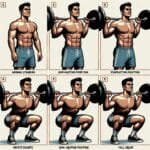
Let’s start with squats, a staple in any fitness regimen. They’re a multi-joint movement that fortifies your lower back, glutes, and legs when done right. Keep your feet shoulder-width apart, back straight, and lower down as if sitting back into a chair, with your chest up and eyes forward. It’s crucial to ensure your knees don’t buckle inward and stay in line with your toes.

Next, let’s do some push-ups. They seem simple, but they’re a litmus test for your upper body strength and form. Your hands should be under your shoulders, your body in a straight line from head to heels. To prevent shoulder strain, keep elbows at a 45-degree angle.

Finally, the deadlift. This powerful exercise targets almost every major muscle group. Stand with your feet hip-width apart, a slight bend in your knees. Grip the bar close to your shins, keeping your back neutral and braced. As you lift, drive through your heels and bring your hips forward.

Here are some quick cues: for squats, think ‘sit back, not down.’ For push-ups, imagine ‘sticking your spine to the ceiling.’ And for deadlifts, it’s ‘push the floor away with your feet.’ Remember, these cues promote a safe and effective workout.

The key element that ties all these movements together is your core. No matter the exercise, keeping your core muscles engaged is your body’s natural weight belt, ensuring stability and power. And yes, this also applies to how you breathe. Combine strong exhalation with exertion to maintain that core engagement.

With the foundations laid here, the next step is to be vigilant about common pitfalls. Even top athletes can slip up on form, which is why the section to follow is crucial. It focuses on typical beginner mistakes and how to fix them.”Please remember that I am here to support you in making every move count.” So stay tuned, and let’s ensure your routine is as impactful as your determination.

Common Mistakes to Avoid as a Beginner

As a beginner, the fitness journey can sometimes be as challenging as exciting. In your eagerness to see results, you might overlook the critical aspect of maintaining the correct form. Here, I’ll pinpoint the typical pitfalls beginners encounter and how you can navigate them.

First and foremost, let’s address the squat. Many novices tend to let their knees cave in, a mistake that can lead to knee pain or injury. To prevent this, actively press your knees outward to align with your toes throughout the movement.

Next up is the push-up, where dropping the hips or hiking them too high is standard. This compromise to form reduces the exercise’s effectiveness and strains the lower back. Ensure your body is straight from head to heels, like a plank.

During deadlifts, the error often lies in rounding the back, which puts you at risk for a severe injury. My tip? Engage your core, push your chest out, and keep the back straight, as if you’re balancing a glass of water on your lower back.

While avoiding these errors is vital, spotting them in the first place is half the battle. Many gyms offer mirrors, not for vanity, but for form checks. Use them. Better yet, recording your training sessions can be enlightening. This self-audit provides a real-time feedback loop, enabling you to correct the form immediately.

Above all, remember that gradual improvement is the name of the game. Don’t rush to increase weights or speed—focus on moving well before moving often. With time and practice, you will master the form, so don’t let initial miscues dishearten you.

Utilizing Resources and Expertise to Enhance Your Training

You understand that proper form isn’t just about looking good in the gym; it’s a critical factor in hitting your fitness milestones without injury. Achieving this solo can be daunting, so don’t hesitate to tap into the vast pool of resources and expert guidance.

Consider hiring a professional trainer, even if it’s just for a few sessions. A trained eye can spot issues in your form that you might not notice and provide tailored advice that can make all the difference. The right coach will offer encouragement and teach techniques that stay with you for life.

If a personal trainer isn’t an option, take advantage of the digital era’s offerings. Fitness apps, online video tutorials, and intelligent wearables can provide invaluable feedback on your workout routine. These tools often come with visual and auditory cues that can correct your form in real-time, ensuring you’re performing each exercise correctly.

Lastly, consider the value of a supportive community or workout partner. Training with someone else allows for immediate feedback, and there’s a bonus—it’s often more fun. Sharing your fitness journey can keep you motivated and accountable, turning the solitary task of exercising into an engaging and socially enriching experience.

Remember to keep your eyes on the prize: steady improvement in your fitness and exercise techniques. Over time, proper form becomes second nature, and your beginner’s journey will transform into an empowered and confident fitness routine. Go at your own pace, stay dedicated, and watch as you surpass your expectations.

Proper Form And Technique For Beginners NOW

https://www.wealthyaffiliate.com?a_aid=352a86b2

Essential Exercises For Beginners Advantage

https://weightliftingforpower.com/essential-exercises-for-beginners/

Knowing where to begin can be as important as the end goal if you’re starting on your fitness journey. It’s crucial to start with exercises that match your current fitness level and will set the foundation for future progress. I’ll outline why building a solid foundation with basic exercises is crucial and how you can go about it.

First, getting familiar with your body’s capabilities and limitations is critical. You need to listen to your body and recognize the difference between good pain, like the slight burn of a workout, and bad pain, which could indicate injury. Respecting your body’s signals will help you progress without setbacks.

Setting realistic goals is another important step. Your objectives need to match your current fitness level and lifestyle. You could aim to run a 5k or climb the stairs without losing breath. Whatever your goals, ensure they’re achievable and measurable.

Lastly, patience and consistency are your best allies. Fitness improvements take time to happen. It takes time and regular effort to see changes. Skipping workouts or pushing too hard too soon will only hinder your progress. Stick to your plan; you’ll see results and enjoy the journey.

Now that you understand the initial steps in beginning your fitness journey, it’s time to get active. In the next section, I’ll introduce you to essential strength training exercises to help you build a solid muscular foundation.

Essential Strength Training: Building a Strong Base

Essential Exercises For Beginners Advantage

Essential Exercises For Beginners Advantage

“To achieve complete physical wellness, it’s crucial to incorporate strength training into your fitness routine. It provides a solid foundation for overall physical fitness and well-being. Novices must understand that strength training builds muscle, boosts metabolism, fortifies bones, and improves overall health. Before diving in, know that mastering the basics is imperative for long-term success and injury prevention.

One of the first exercises I recommend to beginners is the squat. This fundamental movement engages some of the largest muscles in the body, including the quadriceps, hamstrings, and glutes. It’s essential for everyday functional movements as simple as standing up from a chair. Ensuring correct posture and starting with bodyweight squats can make all the difference.

Next up, push-ups. They might seem daunting initially, but push-ups work multiple muscle groups simultaneously, from your chest and shoulders to your core. Modified push-ups with knees on the ground can help build the requisite strength until you’re ready for full push-ups.

Lunges are another integral exercise that promotes functional fitness. They imitate walking and climbing movements, strengthening your legs and core while improving balance and coordination. Like squats, lunges require attention to form—keeping the back straight and not letting the knees go over the toes can prevent strain.

Lastly, always appreciate the value of perfecting your form. Poor technique undermines your efforts and puts you at risk of injury. It’s better to perform fewer reps correctly than to rush through many with improper form. Consider enlisting a trainer or using reputable online resources to ensure you do each movement correctly.

Cardiovascular Fitness: Starting with the Heart

You know how vital a healthy heart is to your overall well-being. Cardio workouts are crucial for shedding weight and increasing lung capacity, promoting healthy blood flow, and lowering susceptibility to chronic ailments. Beginner exercises should be approachable, enjoyable, and sustainable – let’s explore some of these.

It’s tempting to imagine you need to hit the running tracks hard or attend high-intensity spin classes to see benefits. But for beginners, walking is a fantastic starting point. It’s gentle on the joints, accessible, and fits your daily routine. Try to walk at a quick pace for around 30 minutes each day. You’ll notice increased stamina and mood from the endorphins released during moderate exercise.

If swimming sounds more appealing, you’re in for a treat. It’s a total body workout that water resistance makes both challenging and supportive. The buoyancy of water is kind on your joints, making it a suitable choice if you’re overweight or have joint pain. Plus, it can be incredibly relaxing and meditative, blending physical exercise with mental calm.

For those who enjoy a fusion of fun and fitness, cycling might be your thing. Start with leisurely bike rides and gradually increase the pace and distance. Cycling bolsters your leg muscles and keeps your heart rate up. It can be a pleasant way to explore your surroundings or get from point A to B.

The key to cardio is consistency. Mix things up to stay motivated – walk one day, swim the next, and cycle over the weekend. This variety will relieve boredom, work different muscle groups, and improve overall fitness.

Flexibility and Balance: The Unsung Heroes of Fitness

Essential Exercises For Beginners Advantage

Essential Exercises For Beginners Advantage

If you’ve been following a beginner’s exercise routine, you’ll find that strength and cardio work get much of the spotlight. However, flexibility and balance play crucial but often overlooked roles.

For starters, flexibility training helps to keep your muscles long and limber, allowing for a more excellent range of motion and reduced risk of injury. Regular stretching can ease muscular tension and enhance recovery, making it a vital component of any workout regimen.

Yoga is an excellent introduction to both flexibility and balance exercises. It might seem daunting initially, but yoga offers beginner-friendly poses that can significantly improve your stability and flexibility over time. Plus, it has the bonus of promoting mental well-being.

Although they might seem less ‘active ‘than other workouts, balance exercises are essential for preventing falls and improving posture. These exercises train your body to control its position, which is critical as we age or recover from injuries.

As you tailor your exercise routine, consider incorporating stretches post-workout and dedicating a few minutes daily to balance exercises. You don’t need to spend hours; a consistent, focused effort can yield noticeable improvements. Remember, every aspect of fitness supports others, creating a well-rounded, healthy lifestyle.

https://www.wealthyaffiliate.com?a_aid=352a86b2

The Process Of Achieving Optimal Cardiovascular Fitness NOW

https://weightliftingforpower.com/the-process-of-achieving-optimal-cardiovascular-fitness/

Optimal Cardiovascular fitness is more than a buzzword; it’s a critical component of your well-being. Cardiovascular fitness is the term used to describe the capability of the heart, lungs, and circulatory system to provide oxygen and nutrients to the body while participating in physical activity. Why does this matter? Opium cardiovascular fitness is associated with a reduced risk for chronic diseases, notably heart disease, the leading cause of death globally.

The Process Of Achieving Optimal Cardiovascular Fitness

The Process Of Achieving Optimal Cardiovascular Fitness

What is the ideal cardio fitness?

Doing more than the recommended minimum—up to 300 minutes of moderate activity per week—can help you shed those extra pounds.

When discussing cardiovascular fitness, I refer to three vital components: endurance, strength, and flexibility. Consider these the trio that compose a symphony of movement. Endurance is your body’s ability to engage in aerobic activities like running or swimming for extended periods. St length pertains to the heart muscle’s power, enabling it to pump blood effectively. La toy, the flexibility of the blood vessels ensures they can expand and contract as needed, supporting blood flow.

Several assessments measure fitness levels if you’re curious about your cardiovascular health. You can evaluate your stress levels by monitoring your heart rate and breathing while exercising or tracking how fast your heart rate returns to its average pace after a workout. These benchmarks are helpful starting points to tailor a plan that works for you.

Remember, the goal here is not to prepare for a marathon overnight but to create a habit of physical activity that suits your lifestyle and enhances your health. Creating Your Cardiovascular Fitness Plan: A Personalized Approach

Embarking on the journey towards achieving optimal cardiovascular fitness requires a well-planned approach. It’s essential to have a clear strategy in place to achieve your fitness goals. You examine your unique circumstances to devise an effective and sustainable program. Let’s walk through the steps to create a plan tailored just for you.

Your first step is to establish goals that are not only ambitious but realistic. Whether you are training for a marathon or simply getting to the point where you can climb stairs without getting winded, your goals should motivate you to set SMART goals – Specific, Measurable, Achievable, Relevant, and Time-bound – to elevate your chances of success.

With goals in place, it’s time to look at the exercises that can get you there. Cardiovascular exercises come in many forms, from running and swimming to cycling and rowing. Choose activities you enjoy, as this will help you stick with them longer—alternate high-intensity exercises like sprinting with low-intensity sessions such as biking or walking for a well-rounded workout routine.

You’ll need to balance the intensity and duration of your exercises to avoid burnout and injuries. “To avoid injury and help your body adapt to higher levels of activity, it is important to gradually increase the intensity over time, allowing your body to adjust before increasing further.” A heart rate monitor can be helpful here; it helps you train at the right intensity based on your fitness level and goals.

Lastly, take into account the value of professional guidance. A certified fitness trainer or a health coach can help tailor your fitness plan, teach you proper technique, and ensure you exercise safely, particularly if you’re new to fitness or have pre-existing health conditions.

Nutrition and Recovery: Essential Elements of Cardiovascular Training

What is the best for cardiovascular fitness?

When it comes to cardiovascular fitness, there’s simply no one-size-fits-all solution.

Achieving optimal cardiovascular fitness is more than just the time spent running on a track or cycling up a hill. It’s equally about what happens in the kitchen and during downtime. The foods you eat are pivotal in fueling your body for exercise and repairing it afterward.

A heart-healthy diet comprises fruits, vegetables, whole grains, and lean proteins. These foods provide the vitamins, minerals, and antioxidants your body needs to perform at its best. Om ga-3 fatty acids in fish like salmon are known for their cardiovascular benefits. Hydration is also critical; water enables blood circulation and the transportation of nutrients in the body.

But training doesn’t end with nutrition; recovery is a cornerstone of any fitness regimen. Your body needs time to repair and strengthen itself after each workout. Includes quality sleep, which allows for essential physiological repairs, and rest days to prevent overtraining.

Stress, too, can have a significant impact on cardiovascular health. Stress can negatively impact cardiovascular health, but effective stress management techniques can help improve it.

As you transition to tracking progress and staying motivated, remember that the proper diet and recovery practices are integral. By honoring your body’s needs in activity and rest, you set the stage for consistent improvement and long-term success in your fitness journey.

Tracking Progress and Staying Motivated: The Journey to Peak Cardio Fitness

Measuring improvements in cardiovascular fitness isn’t just essential for tracking your progress—it’s a powerful motivator. As you embark on this journey, using the right tools and methods to assess your improvement can reaffirm your commitment to the process. Regular check-ins on your endurance levels, for instance, through time trials or distance covered, can give you concrete evidence of your advances.

What is the optimal amount of cardio for health?

at least 150 minutes of moderate-intensity cardio each week.

Celebrating small victories is crucial to maintaining a positive mindset. Every extra minute you run, each additional lap you swim, or the new personal best you achieve on the bike is a stepping-stone towards your larger goal. Ac knowledge of these milestones and consider rewarding yourself in a way that supports your fitness journey.

What is the meaning of cardiovascular fitness?

Cardiovascular fitness refers to how well your heart and lungs work together to supply your body with oxygen during physical activity.

Over time, you might hit a plateau. It’s natural, and it happens to everyone. When progress stalls, it’s time to re-evaluate and adjust your plan. It could mean changing your routine, adding cross-training, or consulting a fitness professional for additional insight.

Your attitude can make or break your journey to peak cardiovascular fitness. Keep motivation high by setting new goals, trying different activities to keep things fresh, and remembering WHY you started. The rewards worth pushing for are the sense of accomplishment, the surge of energy, and the longevity you’re working toward.

https://www.wealthyaffiliate.com?a_aid=352a86b2

Best Exercises For Weight Loss quickly Boost

https://weightliftingforpower.com/fitness-goal-setting/

https://weightliftingforpower.com/strengthen-a-powerful-core/

Step-by-step Guide To Performing A Perfect Squat

https://weightliftingforpower.com/step-by-step-guide-to-performing-a-perfect-squat/

If you’re seeking an exercise that delivers, you must recognize squats. With a reputation for being a staple in fitness routines, their impact goes far beyond building leg muscles.Perfect Squats are a fundamental movement that carries over into our daily activities, making them essential for physical wellness.

Step-by-step Guide To Performing A Perfect Squat

Step-by-step Guide To Performing A Perfect SquatWhen executed with proper form, squats engage multiple muscle groups, boost your core strength, and enhance flexibility, providing a compendium of health benefits. They’re proven to improve circulation, support joint health, and can even contribute to better posture. They are a powerhouse exercise that targets the body’s stability and strength.
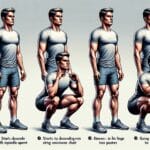
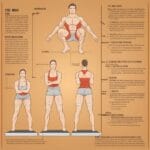
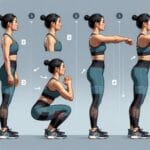
Nevertheless, it’s not uncommon to encounter myths about squats. Some people worry about knee damage or believe they’re only suitable for specific individuals. However, when performed correctly, squats are safe and effective for various abilities and body types. Let’s put aside these misconceptions as I guide you through the steps to perfect your squat technique.

Achieving the perfect squat begins with preparation – not just mentally, physically, and environmentally. The following section of this guide will delve into the essential preliminary steps before diving into the squat proper. From warming up your muscles to arranging your workout area, I’ll cover all you need to get started on the right foot. Ensuring these bases are COVERED will set you up for success as you progress into the detailed step-by-step squat guide.

Preparing Your Body and Environment for Squats

Step-by-step Guide To Performing A Perfect Squat

Step-by-step Guide To Performing A Perfect Squat

Preparing your body and surroundings is essential before diving into any workout, including squats. I’ll explain how a proper warm-up can shield you from injuries and how your choice of environment affects performance.

Starting with a warm-up does more than get your blood flowing; it primes your muscles and joints for the demands of a squat. Specific warm-up exercises like leg swings, hip circles, and walking lunges set a solid foundation for a safe and effective workout.

Next, think about your space. You might not need a gym; a clear spot at home will do. But ensure the flooring is stable. If it’s too soft, you’ll be able to find balance. As for footwear, stability is critical. Go for flat, supportive trainers that help you plant your feet firmly on the ground.

Now, let’s talk stance. There’s no one-size-fits-all position, but the goal is to find a balance that works for your body type. Be mindful of your foot spacing. Shoulder width is a general rule, but adjust as needed so your feet are just outside your hips. Ensure your feet are pointing slightly outward to align with the direction of your knees during the squat.

These preparatory steps are not mere formalities but are crucial for maximizing performance and avoiding injury. As you learn the squat technique, keep these foundational elements in mind.

The Squat Breakdown: A Step-by-Step Guide

Step-by-step Guide To Performing A Perfect Squat

Perfecting the squat begins with your stance. Stand with your feet shoulder-width apart. The width can vary slightly based on comfort and mobility, but finding a stable, balanced position is critical. Your toes should point slightly outward, aligning naturally with your knees.

From your stance, the squat movement starts. Imagine you’re about to sit back in a chair. Bend at the hips first, then the knees, pushing them outwards to avoid collapsing inward. Avoid extending your knees past your toes to maintain proper alignment. A helpful tip is to keep your weight centered over your heels, not your toes, which safeguards your balance.

Breathing is a powerful tool for stability. Inhale as you lower your body, hold your breath at the lowest point to create a tight core, and exhale as you drive upwards. The Valsalva maneuver is used during weightlifting to preserve spinal integrity by sustaining intra-abdominal pressure.

“Make sure to avoid the mistakes that can cause problems with your squat form.” Keep your knees from caving in, keep your chest up instead of leaning too far forward, and ensure your lower back isn’t rounding. Regular self-assessment is vital for progress. Pay attention to how your body feels during each squat and adjust as you go.

Troubleshooting and Improving Your Squat Form

Incorporating the proper form is essential, but I know mistakes can creep in even with guidance. Let’s tackle how to identify and fix issues in your squat technique.

First, are your knees caving in? is a standard error. Strengthening exercises for the hips and thighs may be necessary. Also, focus on pushing your knees out as you squat.

If you’re experiencing discomfort in your lower back, re-examine the curve of your spine. Remember to engage your core; it should support your back throughout the movement.

Are you struggling to keep your heels on the ground? That’s often a sign of tight calves or ankles. Stretching and mobility work can significantly improve this over time.

Now, part of improving is tracking your progress. Recording yourself can offer invaluable insights. You’ll spot misalignments and asymmetries you wouldn’t notice otherwise.

Working with a trainer can provide immediate feedback and personalized advice. Even a single session can immensely benefit your form and understanding of the exercise.

Remember, the journey to a perfect squat doesn’t happen overnight. It requires patience and practice. Adjust when needed, embrace variations to challenge your body, and listen to what it tells you. With diligent effort and attention to form, you’ll perform a perfect squat and unlock a new level of strength and fitness.

https://www.wealthyaffiliate.com?a_aid=352a86b2

Step-by-step Guide To Starting A Running Program Boost

https://weightliftingforpower.com/step-by-step-guide-to-starting-a-running-program/

I remember when I first laced up my running shoes; the anticipation was high, but so was the uncertainty. If you’re considering starting a running program, you’re about to embark on a journey that can significantly improve your physical and mental health. Research has shown that running is associated with an array of health benefits. The advantages of regular exercise are diverse, from mitigating the possibility of persistent ailments to augmenting one’s mood and cognitive abilities.

Intimidating myths about this accessible sport hold back many potential runners. It’s common to hear concerns about time constraints, the fear of injuries, or the mistaken belief that running is only for those already fit. As someone who’s experienced and worked through these hesitations, running is a versatile activity that people of all fitness levels can enjoy.

I’ve met countless individuals from all walks of life who’ve shared with me the positive impact running has had on their lives. From retirees discovering newfound vitality to busy parents carving out time for self-care to office workers relieving stress after a day at the desk, these stories are a testament to the transformative power of putting one foot in front of the other.

With this backdrop of understanding, it’s essential to pivot towards the practical aspects of beginning a running program. Before you think about pacing or mileage, establishing your goals and setting the right expectations is the first step; whether you’re aiming to complete a 5K or simply looking to incorporate more activity into your daily routine, getting clear on your WHY will lay a solid foundation for your running journey.

Step 1: Establishing Your Running Goals and Expectations

When I first laced up my running shoes, my aspirations were modest. I’ve since learned that setting goals is a cornerstone of a successful running program. The first decisive step is to pinpoint WHY you’re hitting the pavement. Are you running for your health, to de-stress, or to prepare for a race? Your motives shape your approach.

Step-by-step Guide To Starting A Running Program Boost

Step-by-step Guide To Starting A Running Program Boost

And if you’re like me, you’ll want goals you can reach without feeling like you’re chasing the impossible. Design SMART (Specific, Measurable, Achievable, Relevant, Time-Bound) objectives to guide your running journey. For instance, ‘running a 30-minute 5K in six months’ is specific and measurable.

Let’s remember expectations. Overzealous goals in the early stages often lead to injuries or burnout. I recommend you embrace a gradual progression. Don’t aim to run every day if you’re starting. Instead, run two to three times weekly and build up from there.

I once overdid it and found myself sidelined with sore shins for weeks. Take it from my experience: baby steps. That’s also why consulting with a healthcare provider before starting is a SMART move. They are capable of offering customized recommendations according to your medical background.

Establishing clear goals and expectations can create a spark that ignites your running routine. Let’s keep that momentum as we move on to the next nitty-gritty of gear and nutrition.

Crafting Your Running Plan

I can’t stress enough how crucial it is to have a running plan that matches your current level of fitness and experience. As I discovered when I started, jumping into a running routine without a clear strategy can lead to injury and demotivation. So, to avoid these pitfalls, let me guide you through creating a plan that’s as unique as you are.

Step-by-step Guide To Starting A Running Program Boost

Programs like Couch to 5K can be a lifesaver for beginners. These programs increase intensity at a doable pace, preventing the kind of burnout that stops many beginners in their tracks. It’s about consistency, not speed. And remember, it’s okay to repeat a week if you need more time to adjust to the workload.

In addition to running, your plan must include cross-training exercises. Cross-training strengthens other muscles and enhances your overall fitness, which in turn can improve your running performance. A personal favorite of mine is swimming; it’s gentle on the joints while offering a superb full-body workout. Throw in a few rest days each week to allow your body to recover, and you’re on track for success.

As you progress, listening to your body and adjusting your plan is essential. Some days, you’ll feel like you can conquer the world, while others might require a more gentle approach. Take note of how your body responds after each run and make incremental changes accordingly.

Staying Motivated and Overcoming Challenges

Beginning a running program is invigorating, but the real test is sticking with it through thick and thin. I can’t stress enough the importance of motivation.

One simple but effective tactic I use is setting short-term milestones. They don’t have to be big; something as simple as running an extra minute can cause celebration.

You’re bound to face obstacles. It could be bad weather, a busy schedule, or a motivational slump. Don’t be too hard on yourself. Adapt your plan as needed, but keep your overall goals in sight.

Consider joining a running group. The camaraderie makes miles fly by and keeps you accountable. If groups aren’t your thing, even just one running buddy can make a difference.

Lastly, keep tabs on your progress. I like a good running app that tracks my mile splits and total distance. When you see how far you’ve come, a considerable boost propels you further.

Remember, every runner starts with a single step. The path will be challenging, but I promise you, the rewards are worth every stride. Keep lacing up those sneakers, step out the door, and RUN.

https://www.wealthyaffiliate.com?a_aid=352a86b2

https://weightliftingforpower.com/10-dynamic-warm-up-exercises-to-prep/

https://weightliftingforpower.com/weightlifting-for-explosive-power/

https://weightliftingforpower.com/quickly/

https://weightliftingforpower.com/strengthen-a-powerful-core/

https://weightliftingforpower.com/strengthen/

Effective Home Workouts Skyrocket

How To Prevent Exercise Injuries NOW

Exercise Equipment Maintenance Checklist NOW Awesome

Mastering Proper Form In Weightlifting NOW

https://weightliftingforpower.com/mastering-proper-form-in-weightlifting/

I can’t stress enough the importance of proper form in weightlifting. But what exactly IS adequate form? It’s the precise way to position and move your body to lift weights effectively, safely, and efficiently.

Mastering Proper Form In Weightlifting

Why prioritize form? Because it’s the cornerstone of any successful weightlifting program. Proper form ensures you engage the correct muscles and joints and preserve their integrity. This approach is not only about avoiding injury but also about getting the most out of every lift.

The biomechanical benefits of maintaining correct alignment go beyond injury prevention. To ensure proper lifting of weights, optimizing force production and actively translating the exerted energy is crucial rather than relying on compensation by unrelated muscles. It means each lift is more efficient, making for a more robust and faster progression in your weightlifting journey.

Some think that lifting heavier equals better results, regardless of form. It couldn’t be farther from the truth. Sacrificing form for heavier weights often leads to imbalances and injuries. Instead, respecting your body’s mechanics and gradually progressing ensures sustained improvement and longevity in the sport.

As a solid introduction to form, consider this: only some people’s perfect lift looks the same due to individual differences in body type and biomechanics. However, the principles of correct positioning—spinal alignment, joint stacking, and muscle engagement—remain primarily universal.

Techniques for Mastering Form: From Novice to Advanced Lifters

Weightlifting is a journey with your body as the vehicle and proper form as its fuel. You begin where mastering the basics is crucial. As the weights increase, so does the complexity of your form. Establishing a solid foundation building from novice movements to advanced techniques is paramount. Ensuring a steady progression safeguards against injury and facilitates continued growth in strength and skill.

For the beginner, it’s about understanding the ABCs of weightlifting: Alignment, Breathing, and Control. Getting these right sets the course for all subsequent training. I advocate starting with bodyweight exercises or light weights, focusing intently on the firing pattern of muscles and the rhythm of the movement. Only then, when you’ve got the basics nailed down, should you consider adding more weight to your lifts.

Assistance exercises are often your unsung heroes. Think of these as the scaffolding to the main lift. Exercises like Romanian deadlifts for improving your conventional deadlift or front squats to enhance your clean and jerk provide targeted practice that translates into better performance.

Another essential practice is technique drills. These are the repeated, focused execution of a single aspect of your lift. For example, ‘clean pulls’ for Olympic lifters focus on the initial explosive movement of the clean. It’s a chance to drill down into one section of a complex exercise to make it second nature. There is immense value in isolation before integration.

Feedback is gold, and you’ll want to introduce it early on. Whether from a certified coach or a slow-motion video of your lift, external feedback helps identify subtle misalignments or movement patterns you might overlook. Use it as a mirror to reflect on your form and make necessary adjustments.

As you grow from a novice to an adept lifter, the emphasis on form continues. The journey evolves, requiring a deeper understanding and a commitment to constant refinement. When exercising, prioritize proper form over weight by improving your technique instead of the numbers. To prevent injuries and setbacks in your fitness journey, prioritize appropriate form over weight. I cannot stress enough the integral role proper form plays in preventing injuries. It’s not just about lifting more; it’s about lifting right to ensure you can keep lifting for years. A misalignment can result in immediate injury or long-term wear and tear, so here are ways to stay safe.

First, core strength is your ally. Your core muscles act like a natural weightlifting belt, stabilizing your spine. Incorporate exercises such as planks, dead bugs, and presses into your routine to build a reliable foundation.

Next, pay attention to the importance of a dynamic warm-up. Jumpstarting your muscles with movements like leg swings, arm circles, and light cardio increases blood flow and prepares your body for the demands of lifting.

On the flip side, cool-down exercises are not mere afterthoughts. They gradually reduce heart rate and help muscles recover. Implementing stretching and foam rolling can enhance flexibility and reduce muscle soreness.

Always listen to your body. Sudden pain or discomfort signals you to stop and reassess your form. If it persists, seek advice from a healthcare professional before returning to your routine.

Lastly, always ensure you’re hydrated and have eaten enough to support your exercise. It is not just about energy; it’s about having the necessary resources for muscle repair and recovery post-workout.

Elevating Your Performance: Advanced Form Optimization

Improving your form in weightlifting is a never-ending process. Even as an experienced lifter, there’s always room to polish your technique. Plateaus in form can be frustrating, but they are an opportunity for growth. To overcome them, focus on identifying the specific aspects of your technique that have room for improvement. Work with a coach who can provide focused input or record your sessions to self-assess and track progress.

Aside from the physical component, your mental game is crucial in weightlifting. Evidence supports the efficacy of mental strategies like concentration exercises or visualization techniques. Imagine a successful lift before you attempt it; this mental rehearsal can prime your nervous system for the task ahead and enhance your muscle coordination.

Remember, staying informed is critical even as you develop your physical capabilities and mental strategies. The scientific understanding of weightlifting forms and techniques is continually evolving. By regularly reviewing recent research and learning from the experiences of other lifters, you can integrate new insights into your training regimen.

Keep a critical eye on your performance, stay humble in your pursuit of mastery, and always prioritize safety and form over lifting heavier weights prematurely. Your dedication to form contributes to short-term gains and ensures a healthy and sustainable lifting career. So, KEEP PUSHING, stay patient, and enjoy the journey of continual improvement in your weightlifting form.

https://www.wealthyaffiliate.com?a_aid=352a86b2

Sequential Approach To Improving Flexibility NOW

https://weightliftingforpower.com/sequential-approach-to-improving-flexibility/

Flexibility is essential for physical fitness. It helps you improve exercises better and perform everyday movements. The capacity of one’s joints and muscles to move without discomfort or pain is what is meant by flexibility. It’s essential for maintaining balance, reducing the risk of injuries, and increasing your level of comfort during physical activities.

Sequential Approach To Improving Flexibility NOW

Sequential Approach To Improving Flexibility NOW

Having good flexibility is one of the most effective ways to prevent injuries. By allowing your body to move more freely, you reduce the likelihood of placing undue stress on your muscles and joints. It becomes increasingly essential as you age or engage in repetitive motion sports or occupations. Improved flexibility contributes to better performance, whether you’re a casual jogger or a competitive athlete. It can lead to more fluid movements, better posture, and, in some cases, increased power and endurance.

While many people know that flexibility is essential, there’s a wealth of myths that surround its practice. Some believe that only certain activities like yoga or ballet require flexibility or that they naturally deteriorate with age beyond reversal. Others may think they’re just not ‘flexible people,’ resigned to the limited range of movement indefinitely. However, flexibility can be significantly improved with regular training, regardless of your starting point or age.

With these basics in mind, it becomes clear that knowing your flexibility level is a critical first step. You will only know how much you can improve if you know where you’re starting from. That’s why the next natural step involves evaluating your current flexibility and establishing goals. It lays the foundation for a sequential approach to increasing your range of motion.

Assessing Your Current Flexibility Level

260d4547 4859 4334 8d91 d3a6c8763615

Before jumping into a new flexibility program, it’s essential to know where you stand. It’s like mapping out a route before a trip; you need a starting point. An effective way to set and track progress towards meaningful goals is by first conducting an honest and thorough assessment of your flexibility. You don’t need fancy equipment for this; a clear space, measuring tape, or chalk might do the trick.

A straightforward approach is the ‘sit and reach’ test. Sit on the floor, legs straight, and reach forward towards your toes. How far can you come? Mark the spot. And Measures the flexibility of your hamstrings and lower back. It’s crude but effective. Don’t worry if you’re far from touching your toes – everyone starts somewhere. Or perhaps you could try the shoulder flexibility test. Can you bring both hands together behind your back, one reaching from above, the other up from the waist? Measures shoulder mobility.

Now that you have some baseline measurements of your flexibility, it’s time to set some goals. Be realistic. If your fingertips are 6 inches from your toes today, targeting a 1-inch improvement in the first few weeks is more sensible than expecting to palm the floor immediately. Record your results in a journal or an app – tracking is crucial for seeing progress over time.

With your current flexibility mapped out and goals in place, it’s crucial you develop a routine that acknowledges your body’s needs and respects your limits. You’ll want to focus on exercises and stretches, targeting areas where you’re less flexible, always prioritizing safety to avoid any injuries. Remember, the aim is to improve over time, not to force your body into poses it’s not ready for. Patience and consistency are your best assets in this endeavor.

Developing a Personalized Flexibility Routine

Sequential Approach To Improving Flexibility NOW

Sequential Approach To Improving Flexibility NOW

Your flexibility journey is uniquely yours. What works for one person may not suit another, which is why a tailored approach is essential.

Begin by identifying critical stretches for your specific needs. Are your hamstrings tight? Is your shoulder mobility limited? Target these areas with stretches designed for them.

Dynamic stretching, involving movement and gradual increases in reach and speed, is excellent for warming up. Static stretching, where you hold a pose, is ideal for cooling down.

Incorporate a blend of both dynamic and static stretching into your routines for balanced flexibility training.

Consider different yoga poses, pilates exercises, and other flexibility-focused activities to expand your routine.

Remember to listen to your body. Stretch to the point of tension, not pain, and hold static stretches for 15 to 30 seconds for optimal benefit.

Safety is paramount. Avoid bouncing while stretching, as it can cause muscle strain. Move into stretches slowly and with control.

Pair your stretching routine with strength training exercises. Muscles work in pairs, so it’s essential to strengthen both the muscle you’re stretching and its opposing muscle group.

Finally, stay consistent with your routine. Flexibility is a long-term goal, and regular practice is vital to seeing improvements.

Tracking Progress and Adjusting Your Approach

I understand the enthusiasm with which you commit to a flexible routine, eagerly anticipating the fruits of your consistency. But let’s be clear: actual progress requires both effort and time, and it’s my job to ensure you have the tools to see tangible improvements. Keeping an eye on your development is not just encouraging; it lets you refine your approach, ensuring it remains effective and safe.

You don’t need intricate gadgets or software to chart your progress. Simplicity often prevails. Use a diary to note your stretching frequency, the duration of each session, and how specific stretches feel over time. Comparing initial assessments to current capabilities highlights your advancement and illuminates areas needing extra attention. Celebrate these wins; they fuel your motivation.

Adjustments are not admissions of failure; they’re signs of intelligence at work. If a stretch no longer challenges you, it’s time for an upgrade. Introduce props like straps or foam rollers or explore more profound variations. Conversely, if discomfort creeps in, that’s your cue to scale back or seek guidance. Flexibility training isn’t a race; it’s a commitment to long-term health.

Rest and recovery are as critical as the stretches themselves. Pushing too hard can set you back, so listen to your body. Days off are an essential component of your flexibility journey, allowing muscles to heal and adapt. With patience and persistence, a more limber you await on the horizon. Keep stretching, keep adjusting, and stay committed – your future self will thank you.

https://www.wealthyaffiliate.com?a_aid=352a86b2

The Process Of Building Muscle Mass growth

https://weightliftingforpower.com/the-process-of-building-muscle-mass/

You may see it as a simple equation: lift weights, eat protein, and muscles grow. However, the reality is a bit more nuanced. I’m here to unravel the biological mechanism known as muscle hypertrophy, the process responsible for muscle growth.

The Process Of Building Muscle Mass

The Process Of Building Muscle Mass

Your genetic makeup can impact your ability to build muscle efficiently. But this doesn’t mean DNA seals your fate. Knowing your body type can help you set achievable goals and customize your approach to building muscle.

Muscle growth happens when muscle protein synthesis outpaces muscle protein breakdown. It doesn’t happen while you’re lifting weights but during recovery periods as your body repairs the microscopic tears caused by strenuous exercise.

Different types of muscle fibers make up muscles. Slow-twitch fibers (Type I) are endurance-oriented and resistant to fatigue, while fast-twitch fibers (Type II) are more significant and focus on strength and power. Your workout regimen should target the hypertrophy of both fiber types to achieve balanced growth.

Now that you know the biological groundwork for muscle growth, let’s move on to the next essential component: nutrition. It’s not just about eating more; it’s about eating right. The following section will cover the nutritional building blocks your muscles need to grow and how to effectively incorporate them into your diet.

Nutrition Power: Fueling Your Muscle-Building Journey

The foundation of any successful muscle-building plan lies in the kitchen. What I eat has a profound impact on the muscle-building process. It supplies me with the energy needed for the workouts and the nutrients for repairing and growing my muscles. Understanding the diet-muscle connection is vital, and that starts with knowing what to put on my plate.

Protein is like the brick of my muscle-building house. I aim for a steady daily intake to ensure that my muscles have the material needed for repair and growth. Good sources include lean meats, dairy, beans, and nuts. Carbohydrates are also essential. They provide me with energy. With adequate carbs, my workouts could improve. I turn to fruits, vegetables, and whole grains to get my carbs.

“People used to vilify healthy fats in the past, but now they have changed their perception.”Today, I recognize that fats are crucial in hormone production, including testosterone, which is pivotal for muscle growth. I get healthy fats from avocados, olive oil, and fish.

Timing my nutrient intake can also enhance my muscle-building regime. Eating protein and some carbs before and after workouts fuels my sessions and aids in recovery. I give my muscles the raw materials they need exactly when they’re most receptive.

Supplements, when used correctly, can support my muscle-building plan. However, I stay vigilant about what I choose. Protein powders, amino acids, and creatine are popular choices. I carefully weigh them against my diet and fitness goals, knowing they’re there to supplement, not replace, a nutritious diet.

The Workout Blueprint: Strategies for Maximum Muscle Gain

Building muscle isn’t just about what happens in the gym; it’s about applying the right strategies to your workout routine to maximize muscle gain effectively. It would be best if you had a plan that’s specific to muscle hypertrophy, which means focusing on exercises, sets, and reps designed to enlarge muscle fibers.

Regarding strength training, specific exercises are particularly effective at triggering muscle growth. Compound movements like squats, deadlifts, and bench presses involve multiple muscle groups and joint actions, increasing the release of muscle-building hormones. It’s also vital to include isolation exercises, such as bicep curls and extensions, targeting specific muscles.

Progressive overload is a cornerstone of strength training. Gradually increasing weight or reps challenges muscles. Without progressive overload, muscles adapt and stop growing. It’s essential to keep pushing the boundaries within reasonable limits to keep seeing improvements.

However, muscles need time to repair and grow. That’s where the balance between intensity and rest comes in. Ensuring enough recovery time between sessions is as crucial as the workouts. It’s important to avoid overtraining, which can cause injuries and prevent progress. Listen to your body to stay safe and make gains.

Remember, more than collecting gym hours is required to translate to muscle mass. It’s the quality of your workouts that counts. Each session should leave you feeling like you’ve pushed your boundaries, and over time, these incremental increases in demand on your muscles will add up to significant gains.

Beyond the Gym: The Role of Lifestyle in Muscle Development

The Process Of Building Muscle Mass

Muscle building is a journey that extends well beyond the hours spent lifting weights or pumping iron in the gym. You might be surprised to find that while exercise is critical, your everyday lifestyle choices can either turbocharge or undermine your muscle-building goals.

A good night’s sleep isn’t just a luxury—it’s a cornerstone of muscle recovery. When we sleep, our body naturally releases growth hormones and mends any microtears in our muscle fibers that may have occurred during intense physical activity. Getting enough high-quality sleep, ideally 7-9 hours each night, is essential for muscle growth and repair. Therefore, it is crucial to prioritize sleep as part of a healthy lifestyle and exercise routine.

Stress is a fact of life, but when it gets out of hand, it can disrupt the balance of anabolic hormones like testosterone, which is vital for muscle synthesis. Tap into stress-busting techniques like deep breathing, meditation, or even light walking to help keep your hormone levels stabilized.

Hydration might not make headlines in muscle magazines, but it’s critical for peak muscle performance. Dehydration can weaken you, leading to subpar workouts and potential muscle breakdown. To achieve optimal exercise, you should consume fluids before, during, and after your workout.

Muscle development is cumulative and depends on the total sum of your lifestyle choices. Consistency in maintaining a healthy, balanced diet, managing stress, prioritizing sleep, and staying hydrated will all stack up in your favor over time, adding strength and definition to your frame.

https://www.wealthyaffiliate.com?a_aid=352a86b2