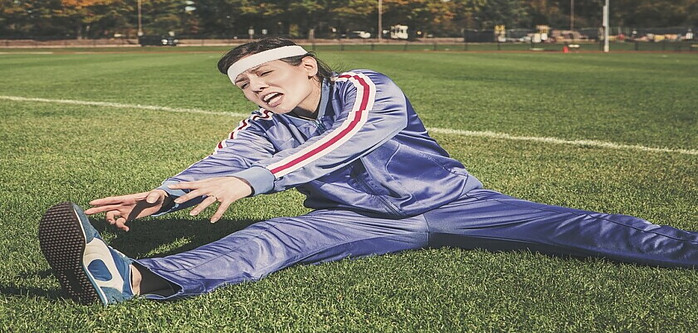
Exercise-related injuries are common among athletes and fitness enthusiasts, with various factors contributing to their prevalence. From overuse and improper technique to sudden trauma and severe fractures. The rising popularity of high-intensity training programs and extreme sports has also increased the risk of sustaining exercise-related injuries.
Strains and sprains are common injuries, but differentiating between the two is essential for proper management. Strains occur when muscles or tendons Have you ever experience sudden pain or discomfort because of a sudden movement? That could be a sign of overstretching or tearing of your muscles. It’s not a pleasant experience, but with the proper care, you can return to feeling your best in no time! Overexertion during physical activities. On the other hand, sprains involve stretching or tearing ligaments, typically due to twisting or bending awkwardly.
Common causes of strains include:
- Inadequate warm-up before exercise.
- Improper lifting techniques.
- Doing Repetitive movements that strain the muscles.
On the other hand, sprains often occur during sports activities where sudden changes in direction can lead to ligament damage. Slips and falls can also result in sprained ligaments, particularly in the ankles and wrists.
Stress fractures are a common injury, often caused by repetitive stress on the bones. Identifying the signs of a stress fracture is crucial for early intervention and preventing further damage. Look out for localized pain that worsens with activity, tenderness to touch, and swelling around the affected area. Understanding your risk factors is vital in preventing stress fractures. Factors such as overtraining, improper footwear, and nutritional deficiencies can increase vulnerability. Athletes should be particularly vigilant, as their high-impact activities put them at greater risk.
Tendinitis can be a painful and frustrating condition that many people experience. It’s essential to prevent it and seek treatment if it does occur. Repeating specific muscles and tendons without adequate rest and recovery time can lead to microscopic tears and inflammation in the tendon. This overuse strains the affected area excessively, causing pain, swelling, and restricted movement. Furthermore, poor form or technique during physical activities can exacerbate the problem by placing additional stress on the tendons.
Rotator cuff injuries are common among weightlifters and baseball players, who rely heavily on shoulder strength and mobility. Despite the varying demands of their respective activities, both groups frequently experience overuse injuries to the rotator cuff muscles due to repetitive and forceful movements. For weightlifters, the rotator cuff can become strained from the constant overhead pressing and pulling movements involved in exercises like shoulder presses and pull-ups. Meanwhile, baseball players are at risk due to the intense throwing motions required for pitching or fielding.
Professional athletes and individuals who are passionate about fitness often push themselves to the limit, believing that more effort equates to better results. Improper technique can lead to various issues, such as muscle imbalances, joint strain, and even severe injuries. Conversely, overtime can result in fatigue, decreased performance, and an increased risk of overuse injuries.
Injuries are a widespread occurrence, with statistics showing that over 39 million people seek medical attention for accidental injuries globally each year.
Studies have found that sports-related injuries affect millions of individuals annually, with soccer players being particularly prone to knee injuries due to sudden directional changes and physical contact during games. Consider Ryan, whose promising soccer career came to a halt when he tore his ACL during an important match. These examples highlight the universal nature of injuries and emphasize their impact on individuals from all walks of life.
Proactive Measures to Keep Your Workouts Injury-Free
Achieving fitness goals can often feel overwhelming, especially with the abundance of conflicting information available. Professional guidance in exercise routines helps individuals achieve their fitness goals more effectively and ensures safety and injury prevention.
Cross-training involves varying your workout routine to include various exercises and activities. Through exercise, such as swimming, cycling, and strength training, individuals can improve their overall fitness while allowing their bodies to adapt to new movements constantly.
Furthermore, cross-training challenges the body and helps individuals develop balance, flexibility, and coordination in daily activities. By embracing variety in their workouts and avoiding repetitive strain on specific muscles or joints, individuals can genuinely experience reduced injury risk while enjoying a more engaging approach to fitness.
Appropriate gear and equipment are crucial in ensuring safety across various activities. From wearing a helmet during cycling to using safety harnesses in construction work, the right gear can significantly reduce the risk of injury. Quality backpacks, sturdy footwear, and weather-appropriate clothing can enhance comfort and prevent accidents. Moreover, for sports enthusiasts, using proper protective gear like mouth guards, knee pads, and gloves can mitigate the impact of falls or collisions.
Listening to your body is not just a wellness fad; it’s a crucial component of self-care. When we pay attention to the signals of exhaustion and pain that our body sends us, we can prevent serious health issues from arising. Taking the time to tune in can reveal patterns and triggers that might contribute to ongoing discomfort or fatigue.
Ignoring these signals could lead to prolonged suffering and potentially worsen our physical health. By acknowledging these cues, we empower ourselves with the knowledge needed to address underlying issues and make necessary lifestyle adjustments. This proactive approach lets us take charge of our well-being and maintain a healthier, more balanced life.
Rest days are in the pursuit of fitness and muscle gain. It’s crucial to understand that muscles need time to rebuild and strengthen after being subjected to intense workouts. Embracing rest days gives the body a chance to heal and allows for mental rejuvenation, preventing burnout and fatigue.
When the body is with a balanced diet, it can better withstand the physical demands of training and recover effectively.
Even dizziness increases the likelihood of injury sustained during workouts. By ensuring adequate fluid intake before, during, and after exercise, athletes can support their bodies in recovery.
It’s not just about hitting the gym and lifting weights; it’s also about incorporating relaxation techniques to improve overall health. In addition, paying attention to proper nutrition and hydration is crucial for supporting the body during exercise and aiding in recovery. Understanding one’s limits and listening to the body’s signals are equally vital in preventing injuries.
https://www.wealthyaffiliate.com?a_aid=352a86b2

A fantastic post for experienced athletes and gym rats who have forgotten some of these issues or rather how to avoid them as well as the beginners starting out. You mentioned Ryan the soccer player whose career came to a halt due to an ACL injury, it didn’t stop his career completely did it? I think the point you make about listening to your body is the most important point here for me. You will always get unlucky injuries, but if you fail to listen to your body prepare for it to make you listen. Great post with a ton of excellent advice here.