https://weightliftingforpower.com/top-10-gentle-back-exercises-for-people-over-60/
Back Exercises For People Over 60
Warming up matters more than you think, especially for keeping your back healthy. Picture it as a wake-up call for your muscles before any exercise. It improves flexibility and gets your blood flowing, reducing the risk of aches or strains.Start with some simple stretches. Try easy front, back, and side stretches — they take only a few minutes but prepare your back for more. You can also add arm circles and leg lifts to signal your muscles it’s time to work.
These exercises help anyone feeling the stiffness common over 60.A good warm-up reduces injuries. It’s like greasing your joints, preventing tweaks and pains that can appear suddenly. Once your body feels loose, you can enjoy exercises without worrying about overdoing it.How long should you warm up? Aim for 5 to 10 minutes. It’s not a time sink but a setup for success that makes your routine safer and more effective. Do these warm-ups before any physical activity to make it a daily habit. It doesn’t take much but pays off in the long run.
Top 10 Gentle Back Exercises for People Over 60
When choosing back exercises, it’s important to tailor moves to be gentle yet effective. Each exercise here is carefully selected to consider ability and comfort, especially for those over 60.The standing back stretch is a great start. Clasp your hands behind you and lift them slightly while keeping your back straight. This simple move helps flexibility and eases lingering stiffness in your upper back.
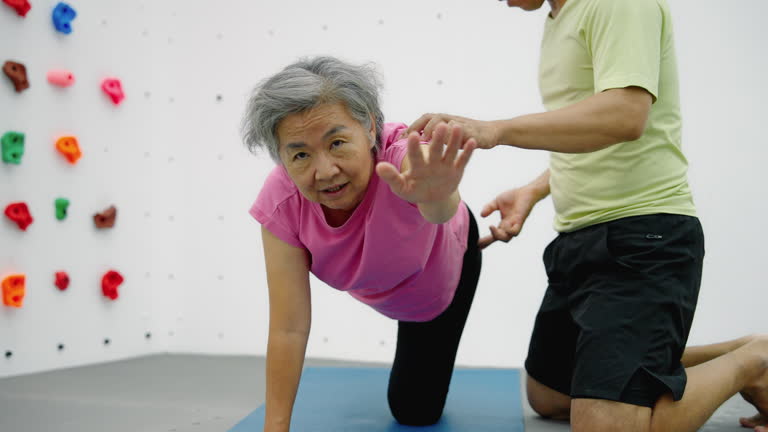
Next is the seated forward bend. If you have lower back tension, this move can be your go-to. While sitting, slowly lean forward toward your toes, only as far as comfortable. This encourages a gentle stretch without pushing too hard.Try cat-cow stretches as well. Arching and rounding your back on all fours helps balance your spine and increase mobility.
It’s perfect for gently improving spinal flexibility.Then there’s the wall sit, great for easing lower back strain and engaging your core. Stand with your back against the wall and slide down into a sitting position to strengthen supportive muscles without stress.Another effective exercise is the low-impact bridge. Lie on your back and lift your hips slowly while keeping your feet flat on the floor.
This action supports your lower back and engages your glutes.Don’t overlook pelvic tilts. Lying on your back with knees bent, gently flatten your back against the floor, then release. Simple but effective for strengthening lower back and abdominal muscles.If you have access to a pool, water aerobics can be a gentle, fun way to exercise the entire back.
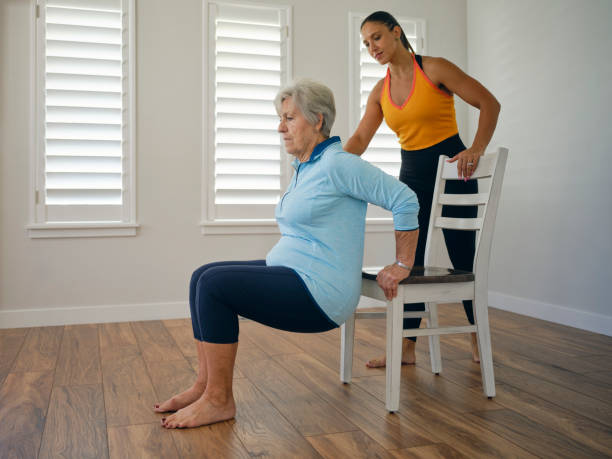
The buoyancy of the water supports your movements, making it easier on the joints.Leg lifts are another easy option. While lying on your back, alternate lifting each leg. This balances working your back muscles without overdoing it.Adding a seated side stretch can help. While sitting, stretch one arm over your head and lean to the opposite side. It works your obliques and helps maintain flexibility.Finally, try a standing leg lift. Use a chair for support and lift one leg slightly backward while keeping your back straight. This targets lower back muscles and builds stability.None
Incorporating Back Exercises into Daily Routine
Crafting a balanced exercise schedule is more than fitting exercises into your day; it’s about creating a framework that keeps you committed without overwhelming you. Mixing different exercises throughout the week, like stretches and lifts, helps keep things fresh and engaging.Staying motivated can be tricky, especially with changes in daily life. Set small, achievable goals to keep it interesting.

Set a timer for each session or pencil it in on your calendar like an important appointment. This makes exercises as crucial as other daily tasks.Remember that exercises should be tailored to your ability and comfort. If a move feels too difficult on some days, don’t worry. Adjust or simplify the routine.
The focus should always be on movement and comfort.Tracking progress isn’t just for records — it also encourages you. A simple journal or app can help note improvements and obstacles. Noticing patterns provides a clear understanding of what works and where to tweak.Integrating exercises into your day doesn’t have to be intimidating.
Start with manageable steps and gradually increase efforts as you build confidence. Making exercise a natural part of your routine ensures lasting benefits and improves your health.
Embracing a Healthier Lifestyle with Safe Back Exercises
Daily practice of these exercises supports a healthier lifestyle prioritizing mobility and comfort. By committing regularly, you’re not just exercising your body but also nurturing your well-being.Each move brings you closer to stronger, more flexible back muscles, reducing the risk of painful issues.

It’s not just about ticking off exercises; every session contributes to your overall health.If questions arise during your journey, seeking expert advice can offer reassurance. Guidance from physiotherapists or trainers experienced with seniors provides personalized advice for your needs.
Reaching out to professionals for tips can deepen your understanding of suitable techniques and help personalize your routine. Returning to trusted sources helps you stay informed and effective.Engaging in these exercises opens doors to a community where sharing experiences and solutions supports your growth.
Encouragement flows naturally when done with peers or in a guided class, helping you stay consistent and optimistic.Keep moving forward is the key takeaway. Small, steady steps add up, and soon you’ll feel the impact on your flexibility and confidence. Caring for your back today means fewer worries tomorrow, so embrace these exercises with enthusiasm and commitment.