https://weightliftingforpower.com/supplements-101-which-ones-really-work-for-bodybuilders/
Supplements 101
Stepping into bodybuilding supplements can feel overwhelming with endless options and loud promises. Before diving in, it’s vital to understand the basics. Supplements come in various forms, from powders to pills, each serving different needs. At their core, supplements fill gaps our regular diet might miss, especially under bodybuilding’s intense physical demands.Identifying which supplements are necessary and which are bonuses can save time, money, and improve results. Key supplements like protein powders help meet protein demands when whole foods aren’t enough. Others, such as certain vitamins or minerals, are essential only when specific deficiencies are identified.

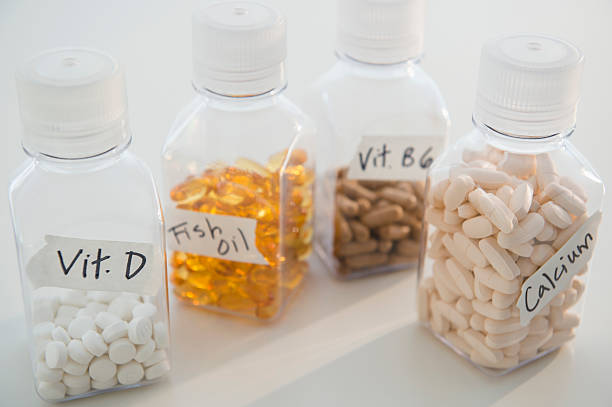
The science behind supplements centers on supporting performance, recovery, and muscle growth. Most effective supplements are backed by research, providing a solid basis for their claims. For instance, creatine’s effectiveness in boosting strength and muscle mass is well-documented, making it a staple for many athletes.Safety should always be a top concern when considering supplements. They need to be used thoughtfully to avoid side effects. Consider dosage, potential interactions, and product quality. Consulting a healthcare provider can help you navigate these concerns and ensure your supplements fit your health and bodybuilding goals.
The Most Popular Supplements: Unpacking Their Claims
The popularity of certain supplements often hinges on their benefits, such as boosting muscle mass, enhancing endurance, or speeding recovery. Creatine is a prime example, hailed as a powerhouse for increasing muscle energy production, improving strength and performance during intense workouts. Creatine works by increasing phosphate levels in muscle cells, fueling rapid, powerful movements crucial for weightlifting.Protein powders, particularly whey and casein, have carved a niche in bodybuilding.
These supplements streamline meeting daily protein goals, critical for muscle repair and growth. They’re especially handy post-workout, when muscles are ready to absorb protein to begin repair.Branched-Chain Amino Acids (BCAAs) focus on endurance and reducing post-exercise muscle damage. They may delay fatigue during workouts and speed recovery, allowing more frequent training. However, if you consume enough protein, you might already get sufficient BCAAs.
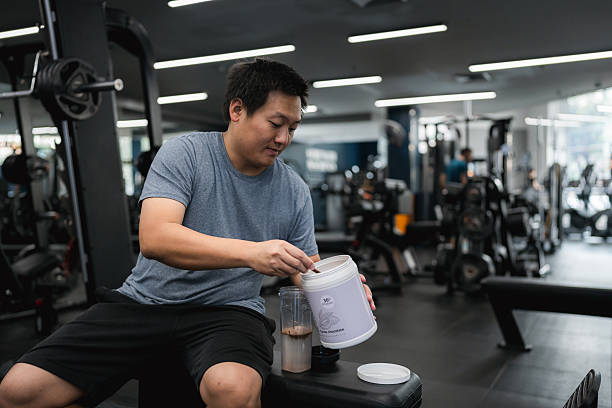
Pre-workout supplements aim to provide extra energy and focus for productive workouts. Often containing caffeine, amino acids, and other boosters, they promise enhanced alertness and stamina. It’s vital to monitor caffeine intake to avoid side effects like jitters or energy crashes.Each of these popular supplements comes with its own set of claims, and while many are backed by evidence, others rely on anecdotal experiences. Carefully weighing the science behind each can help determine which supplements might support your fitness journey.
Supplements Proven to Work: Backed by Research
The distinction between supplements that work and those that don’t often boils down to solid research. Creatine, widely used among athletes, is one of the most studied supplements, with research consistently showing its effectiveness in boosting strength and muscle mass. It enhances your muscles’ ability to produce energy during heavy lifting or high-intensity exercise.Protein supplements, especially whey protein, have ample research supporting their role in enhancing muscle recovery and growth. After intense muscle exertion, whey protein provides the necessary amino acids more swiftly than whole foods, making it a convenient post-workout choice.Omega-3 fatty acids stand out for their anti-inflammatory properties, which can speed up recovery times and support overall joint health, crucial for anyone lifting regularly.
These fatty acids, found in fish oil supplements, can help mitigate the wear and tear that comes from constant, intense exercise.Vitamin D, often overlooked, plays a key role in muscle function and bone health. Many people, particularly those in less sunny climates, might be deficient, which can affect not only their general health but also their exercise performance. Ensuring adequate Vitamin D levels through supplements can support strength gains and reduce the risk of injury.Minerals such as magnesium and zinc play a significant role in supporting a well-rounded bodybuilding regimen. Magnesium is vital for muscle relaxation and recovery, while zinc supports immune function and protein synthesis. Both are crucial in promoting the body’s ability to repair and grow muscles effectively.
Selecting the Right Supplements for Your Goals
Navigating the supplement aisle becomes significantly easier when you align your choices with your personal bodybuilding goals. Whether the aim is to gain muscle mass, increase strength, or improve recovery times, understanding what each supplement offers can guide better decision-making.When selecting supplements, reading labels carefully can be insightful. This helps you understand dosages and additional ingredients. An overwhelming list of unknown additives is a red flag. Prioritizing supplements with clear, straightforward compositions is wiser.Consulting with a healthcare professional is invaluable, particularly when introducing new supplements to your regimen.
They can provide personalized advice based on your health needs and fitness goals, ensuring you’re not only taking the right supplements but also taking them safely.As your body evolves with training, your supplement needs may change. Regularly reassess your intake and its alignment with your goals to stay on track. Whether tweaking dosage, introducing a new supplement, or dropping one that no longer serves you, staying adaptable is key.Ultimately, the aim is to support your bodybuilding journey as effectively as possible, minimizing potential risks and maximizing performance and health benefits.