Safety Tips For Outdoor Workouts

Knowing your environment is the first step in making outdoor workouts as safe as possible. Whether you’re hitting the sidewalks, parks, or those rugged trails, each setting has its own risks and considerations. It’s smart to assess where you’ll be exercising quickly. Are there cracks, uneven surfaces, or crowded paths? Being on alert for these can help prevent potential mishaps.

The weather can change on a dime, turning a sunny day into a sudden storm. Staying informed about the weather before you venture out can protect you from hazardous conditions that could put you in danger. Wearing adjustable layers and having a shelter plan enhances safety. And remember, even on a cloudy day, UV rays can be sneaky, so don’t skip the sunscreen.

Timing your workouts is more crucial than it might seem. Early mornings and late evenings are calmer and less crowded, bringing visibility challenges. If you’re running or biking as the day ends or begins, it’s key to ensure you’re visible. Daytime has its quirks too, from peak heat hours to the busiest times crowd-wise. Picking the right time for your workout isn’t just about convenience; it’s about ensuring you’re safe and focused.

Gear Up Right: Essential Equipment for Optimal Safety

Outfitting yourself with the right gear is not about fashion—it’s about staying safe and sound while sweating it out. Start with your feet. The shoes you wear need to match the surface you’ll be conquering. Whether you’re jogging on a smooth path or a bumpy trail, the right pair can prevent injuries before they start.

When it comes to clothing, being visible is way more important than looking good. Reflective gear or high-visibility clothing is your best bet, especially during low-light hours. If you’re out before the sun rises or after it dips, ensure drivers and others can spot you easily.

Let’s talk gadgets and apps. A lightweight tracking device can be invaluable during solitary outdoor workouts. If something goes south, it’ll help pinpoint your location for emergency contacts. There are apps designed for safety, too, alerting a friend or family member if you don’t check back in time.

Preparing with the right gear isn’t just an add-on to your workout; it’s central to staying safe and enjoying the fresh air without hiccups.

Body Awareness: Listening to Your Body and Recognizing Warning Signs

While gearing up and knowing your surroundings are crucial, paying attention to what your body tells you is just as important. Staying hydrated isn’t a task saved for after the workout. Notice the signs of dehydration, like feeling dizzy or developing a headache. These aren’t just nuisances—they’re warning bells for your health.

Understanding the difference between pain and strain can significantly impact your outdoor routine. Muscle soreness from pushing hard is one thing, but if something doesn’t feel right or you’re experiencing sharp pain, it’s time to slow down or call it a day. Attention to these warnings can prevent a minor issue from becoming a serious injury.

Keeping a steady pace in your breathing helps maintain endurance. Whether you’re running, cycling, or lifting outdoors, breath control helps keep your body relaxed and efficient. If you’re gasping or find your breathing scattered, it’s a signal to reel it in and find your rhythm again.

Body awareness isn’t just about actual movements. It’s about recognizing when to push through and when to give it a break, ensuring your workout is not only effective but injury-free as well.

Safety in Numbers: The Benefits and Tactics of Community Workouts

Working out in a group isn’t just about socializing. There’s a real safety net in having company around. Local fitness clubs or informal groups offer a blend of encouragement and security. Being with others can deter unwanted attention and provide immediate help if needed.

The buddy system is a tried-and-true method. Having someone come along not only boosts your motivation but also ensures support if things don’t go as planned. Two heads are better than one, whether it’s a minor trip or a sudden emergency.

Letting someone know your plans, even if they’re not with you, adds security. Share your route, your expected return time, and any essential details with a trusted person. It helps to have someone looking out for any unplanned absences.

Working out doesn’t have to be a solitary experience. Embracing the community aspect adds enjoyment and sets a foundation for a safer routine.

How To Avoid Lower Back Pain During Deadlifts And Heavy Lifting

Getting the hang of the deadlift and heavy lifting starts with nailing the proper form and technique. It’s all about moving in a way that keeps your back safe, distributes weight evenly, and uses your whole body efficiently. Picture your lower back as the backbone of this entire operation—literally. When your form is spot on, you reduce stress on your spine, help your muscles work better together, and make serious gains while minimizing injury risks.

Improper lifting techniques often lead to common injuries. The one everyone wants to steer clear of is that dreaded lower back pain. Usually, it results from rounded shoulders, jerky motions, or lifting with your back rather than your legs. Each misstep adds unnecessary stress to your spine, making those simple errors now potential pain points later.

Understanding the role of spinal alignment is crucial in safeguarding your back health. Think of your spine like the central support of a building. When it’s aligned correctly, it can withstand weight and pressure. Keep your natural posture intact when lifting. Avoid bending or twisting, which isn’t part of the exercise, and you’re much less likely to face those unwanted injuries.

Warm-up and Stretching: Preparing Your Body for Lifting

Before hitting the weights, getting your muscles warmed up is a non-negotiable starting point. Please don’t skip this crucial step; it sets the foundation for optimal performance and reduces the risk of injury. Think simple cardio moves like jogging in place or jumping jacks to get things going. These exercises rev up your system and switch your focus from day-to-day stress to workout mode.

Stretching plays a pivotal role in keeping your muscles flexible and ready to handle the demands of lifting. Focus on dynamic stretches that mirror the movements you’ll perform during your lifting session. Stretch out your hamstrings, hips, and shoulders, aiming for smooth movements that stretch but don’t strain. Maintaining a good range of motion will help your body manage lifting pressures more efficiently.

Recognizing signs of muscle fatigue is also key. If your muscles feel tired, they’re more vulnerable to injuries. Listening to your body makes a world of difference. If you start feeling fatigue setting in during your lifts, take a step back and reassess. Sometimes, a little rest or weight adjustment is needed to prevent overdoing it. Being proactive about these signals helps keep everything on track and injury-free.

Developing Core Strength to Support Lifting Techniques

Building a strong core is about so much more than just getting those abs to show. A well-developed core is an anchor for your spine, providing the stability you need to lift effectively. Focused core training reinforces spinal support, reducing the load on your back during lifting activities.

Integrate exercises like planks, leg raises, and Russian twists into your routine. These workouts strengthen the muscles in your torso, promoting a balanced and stable core. Work your front and engage your back muscles to ensure increased core strength.

When your core is strong, it enhances your lifting techniques by allowing for better balance and control. With a stable core, the rest of your body can execute each move precisely, reducing the risk of slipping into bad habits that lead to strains or injuries. It also helps build the confidence to tackle heavier lifts safely.

A solid core doesn’t just protect your spine; it’s about empowering every lift you make. Approaching your lifting with this mindset means you’re less likely to sacrifice form over lifting more weight prematurely. This strong foundation plays into improved overall performance and long-term safety.

Implementing Preventive Measures for Long-term Back Health

Selecting the appropriate equipment can significantly lower your risk of developing back pain. Lifting belts, for instance, can offer extra support to your lower back during heavy lifts, stabilizing your core even further. They aren’t magic, though—they work best when you pair them with a proper lifting technique.

Managing how you increase your lifting weight over time is a key strategy in minimizing stress on your body. Approaching weight progression with patience gives your muscles and joints a chance to adapt. Remember, gradual progression is the key to building strength without overwhelming your system, significantly reducing the chances of injuries. This approach puts you in control of your fitness journey, ensuring you’re not rushing into heavier weights before your body is ready.

Don’t underestimate the power of rest days and proper recovery. Prioritizing recovery time for your body is vital for sustaining endurance and effectively warding off injuries. Embrace rest as an essential part of your training routine. Take advantage of rest days to help your muscles recover and strengthen after intense workouts. This critical time enhances your performance and significantly reduces the risk of overuse injuries, reassuring you that rest is not a sign of weakness but a crucial part of your fitness routine.

Incorporating these measures into your lifting routine strengthens your body and your confidence in executing lower back-safe movements. The benefits ripple into your everyday life, providing a solid foundation for any physical task you take on while keeping injury risks low.

Which Is Better For Weight Loss Elliptical Or Treadmill

https://weightliftingforpower.com/which-is-better-for-weight-loss-elliptical-or-treadmill/

The elliptical and the treadmill offer great opportunities for weight loss Elliptical or treadmill, but they work best in different ways. Every option provides unique advantages; your decision should reflect your preferences and specific health objectives. Let’s explore how these two popular machines can affect your waistline.

Which Is Better For Weight Loss Elliptical Or Treadmill

When considering weight loss Elliptical or treadmill, it’s important to analyze your fitness goals and preferences to make the best choice.

If you’re serious about burning calories, the treadmill is often your best bet, especially when putting in maximum effort. Running or even fast walking gets that heart rate up and torches calories. However, using an elliptical can be just as effective, especially if you work all those muscles with a higher resistance setting. It’s about pushing yourself, whether gliding on an elliptical or pounding away on a treadmill for effective weight loss Elliptical or treadmill results.

For those focused on weight loss Elliptical or treadmill, incorporating interval training can significantly enhance calorie burn.

Which Is Better For Weight Loss Elliptical Or Treadmill

An elliptical might not feel as intense as a treadmill run, but it’s easier on the joints. That could be a game-changer if you’ve got concerns about impacting your knees. Despite the gentler motion, it still offers a solid cardio workout that boosts metabolism. Ultimately, both help you burn calories and improve your cardiovascular health, which is vital to any weight loss plan, especially when considering your options for weight loss Elliptical or treadmill.

As you explore the best methods for weight loss Elliptical or treadmill, consider integrating both into your routine for varied workouts.

Changing up the intensity is key to seeing results. Cranking up the incline or alternating between jogs and sprints on a treadmill can keep your body guessing and working hard. Adjusting the resistance and speed or using programs that simulate different terrains can do the trick with an elliptical. Varying your workouts ensures better weight loss results and keeps things interesting.

Remember, the key to effective weight loss Elliptical or treadmill is consistency and gradual progression in your workouts.

Choosing the Right Equipment for Your Weight Loss Journey

Weight Loss: Elliptical or Treadmill – A Comparison for Effective Weight Loss

Many people find that weight loss Elliptical or treadmill is a personal choice that depends on individual comfort and fitness levels.

Weight Loss: Elliptical or Treadmill – Which is Right for You?

Choosing the right equipment is crucial for achieving your fitness goals and accommodating any physical limitations. By considering these factors, you can take charge of your fitness journey, ensuring that you make smart choices that will elevate your workout experience and lead to outstanding results.

Ultimately, your choice of weight loss Elliptical or treadmill should align with what you enjoy most to sustain a long-term fitness commitment.”However, if joint pain is a concern, the elliptical might edge out the treadmill due to its low-impact nature.

Many users report greater success in their weight loss Elliptical or treadmill journey when they combine both types of exercise.

Enjoyment and variety in your workout routine play pivotal roles in achieving your fitness milestones. Switching between an elliptical and a treadmill adds diversity, which can keep motivation high. When you enjoy what you do, you’re likelier to stick with it, which translates to better long-term results.

Understanding how each machine impacts your joints is crucial. While a treadmill can mimic natural running and walking conditions, it also puts pressure on knees and ankles. An elliptical’s smooth, gliding motion reduces this stress, making it a viable option for those with joint issues or recovering from an injury.

Incorporating both machines into a regular fitness regime can deliver the best of both worlds. Experts often recommend cross-training—using both machines to balance your exercise routine. This approach promotes weight loss and protects against workout boredom and overuse injuries. It’s about finding a sustainable routine that works for you.

One of the primary benefits of using an elliptical for weight loss is its effectiveness in burning calories. Studies indicate that a moderate-intensity workout on an elliptical can burn between 300 and 400 calories per hour, depending on an individual’s weight and effort level. This calorie expenditure makes it a viable option for those looking to shed pounds. Moreover, the elliptical allows users to adjust resistance and incline, enabling them to customize their workouts according to their fitness levels and goals.

Accessibility is another significant advantage of the elliptical machine. Unlike high-impact exercises such as running, which may not be suitable for everyone, the elliptical provides a low-impact alternative that can accommodate various fitness levels. This makes it particularly beneficial for recovering from injuries or joint issues. Additionally, many gyms offer elliptical machines for home use, making it easy for individuals to incorporate them into their daily routines.

Not only does using an elliptical machine aid in weight loss, but it also significantly boosts cardiovascular health, tones muscles, and increases endurance. Investing in this equipment is wise for a more vibrant and active lifestyle. Experience the power of dual-action handlebars that engage your upper and lower body, delivering a complete workout designed to significantly enhance muscle definition and overall fitness. In addition, regularly using an elliptical machine can dramatically improve your heart health by enhancing cardiovascular endurance and effectively lowering blood pressure. Embrace this simple yet powerful workout to promote a healthier heart and well-being.

In conclusion, for effective weight loss Elliptical or treadmill workouts, it’s essential to find the right balance that fits your lifestyle.

Which Is Better For Weight Loss Elliptical Or Treadmill
Instructor and student workout at gym after pandemic reopening. They running on treadmill

One of the primary benefits of using a treadmill is its versatility. Users can walk, jog, or run at their own pace, making it suitable for individuals of all fitness levels. Whether one is a beginner seeking to enhance their cardiovascular health or an experienced athlete training for a race, treadmills can accommodate a variety of workout intensities. Many models come equipped with pre-programmed workouts, heart rate monitors, and customizable settings, empowering users to personalize their fitness routines and reach their goals.

As you plan your routine, think about how weight loss Elliptical or treadmill can be integrated into your weekly exercise schedule.

Which Is Better For Weight Loss Elliptical Or Treadmill

Another significant advantage of treadmills is accessibility. They provide a safe and controlled environment for exercise, free from the unpredictability of outdoor conditions such as weather changes or uneven terrain. This makes them particularly appealing for those who feel uncomfortable exercising outside or have limited access to safe walking or running paths. Furthermore, treadmills can be used anytime, offering flexibility for individuals with busy schedules.

Regarding health benefits, regular treadmill use can improve cardiovascular fitness, weight management, and enhance mental well-being. Consistent aerobic exercise helps strengthen the heart and lungs while promoting better circulation. Additionally, the ability to monitor progress through distance and calories burned can motivate users to stay committed to their fitness journey.

Incorporating both machines into your fitness regimen can enhance your weight loss Elliptical or treadmill experience.

https://www.wealthyaffiliate.com?a_aid=352a86b2&data1=www.weightliftingforpower.com&image=fitness

http://www.wikipedia.org

https://weightliftingforpower.com/top/

https://weightliftingforpower.com/core-workouts/

Which Is Better For Weight Loss Elliptical Or Treadmill

The elliptical and the treadmill offer great opportunities for weight loss, but they work best in different ways. Every option provides unique advantages; your decision should reflect your preferences and specific health objectives. Let’s explore how these two popular machines can affect your waistline.

If you’re serious about burning calories, the treadmill is often your best bet, especially when putting in maximum effort. Running or even fast walking gets that heart rate up and torches calories. However, using an elliptical can be just as effective, especially if you work all those muscles with a higher resistance setting. It’s about pushing yourself, whether gliding on an elliptical or pounding away on a treadmill.

An elliptical might not feel as intense as a treadmill run, but it’s easier on the joints. That could be a game-changer if you’ve got concerns about impacting your knees. Despite the gentler motion, it still offers a solid cardio workout that boosts metabolism. Ultimately, both help you burn calories and improve your cardiovascular health, which is vital to any weight loss plan.

Changing up the intensity is key to seeing results. Cranking up the incline or alternating between jogs and sprints on a treadmill can keep your body guessing and working hard. Adjusting the resistance and speed or using programs that simulate different terrains can do the trick with an elliptical. Varying your workouts ensures better weight loss results and keeps things interesting.

Choosing the Right Equipment for Your Weight Loss Journey

Choosing the right equipment is crucial for achieving your fitness goals and accommodating any physical limitations. By considering these factors, you can take charge of your fitness journey, ensuring that you make smart choices that will elevate your workout experience and lead to outstanding results.

– “Improve it. “However, if joint pain is a concern, the elliptical might edge out the treadmill due to its low-impact nature.

Enjoyment and variety in your workout routine play pivotal roles in achieving your fitness milestones. Switching between an elliptical and a treadmill adds diversity, which can keep motivation high. When you enjoy what you do, you’re likelier to stick with it, which translates to better long-term results.

Understanding how each machine impacts your joints is crucial. While a treadmill can mimic natural running and walking conditions, it also puts pressure on knees and ankles. An elliptical’s smooth, gliding motion reduces this stress, making it a viable option for those with joint issues or recovering from an injury.

Incorporating both machines into a regular fitness regime can deliver the best of both worlds. Experts often recommend cross-training—using both machines to balance your exercise routine. This approach promotes weight loss and protects against workout boredom and overuse injuries. It’s about finding a sustainable routine that works for you.

One of the primary benefits of using an elliptical for weight loss is its effectiveness in burning calories. Studies indicate that a moderate-intensity workout on an elliptical can burn between 300 and 400 calories per hour, depending on an individual’s weight and effort level. This calorie expenditure makes it a viable option for those looking to shed pounds. Moreover, the elliptical allows users to adjust resistance and incline, enabling them to customize their workouts according to their fitness levels and goals.

Accessibility is another significant advantage of the elliptical machine. Unlike high-impact exercises such as running, which may not be suitable for everyone, the elliptical provides a low-impact alternative that can accommodate various fitness levels. This makes it particularly beneficial for recovering from injuries or joint issues. Additionally, many gyms offer elliptical machines for home use, making it easy for individuals to incorporate them into their daily routines.

Not only does using an elliptical machine aid in weight loss, but it also significantly boosts cardiovascular health, tones muscles, and increases endurance. Investing in this equipment is wise for a more vibrant and active lifestyle. Experience the power of dual-action handlebars that engage your upper and lower body, delivering a complete workout designed to significantly enhance muscle definition and overall fitness. In addition, regularly using an elliptical machine can dramatically improve your heart health by enhancing cardiovascular endurance and effectively lowering blood pressure. Embrace this simple yet powerful workout to promote a healthier heart and well-being.

One of the primary benefits of using a treadmill is its versatility. Users can walk, jog, or run at their own pace, making it suitable for individuals of all fitness levels. Whether one is a beginner seeking to enhance their cardiovascular health or an experienced athlete training for a race, treadmills can accommodate a variety of workout intensities. Many models come equipped with pre-programmed workouts, heart rate monitors, and customizable settings, empowering users to personalize their fitness routines and reach their goals.

Another significant advantage of treadmills is accessibility. They provide a safe and controlled environment for exercise, free from the unpredictability of outdoor conditions such as weather changes or uneven terrain. This makes them particularly appealing for those who feel uncomfortable exercising outside or have limited access to safe walking or running paths. Furthermore, treadmills can be used anytime, offering flexibility for individuals with busy schedules.

Regarding health benefits, regular treadmill use can improve cardiovascular fitness, weight management, and enhance mental well-being. Consistent aerobic exercise helps strengthen the heart and lungs while promoting better circulation. Additionally, the ability to monitor progress through distance and calories burned can motivate users to stay committed to their fitness journey.

Dumbbell Barbell Bench Press

https://weightliftingforpower.com/dumbbell-barbell-bench-press/

Dumbbell Barbell Bench Press

The bench press is one of those staple exercises in nearly every strength training routine. At its core, it’s all about building upper body power, explicitly targeting the chest, shoulders, and triceps. But here’s where it gets interesting: you have options between using dumbbells or a barbell, and each has unique perks.

Dumbbell Barbell Bench Press

Dumbbell Barbell Bench Press

Incorporating the Dumbbell Barbell Bench Press into your routine can significantly enhance your upper body strength and muscle development.

In the great debate between dumbbells and barbells, let’s start with the benefits and considerations of each. Dumbbells offer an unparalleled range of motion, enabling you to effectively target muscle balance and enhance symmetry for optimal fitness results. They’re also fantastic for engaging stabilizer muscles, which can improve overall strength. Conversely, barbells take the crown when lifting heavier weights, allowing you to build pure strength over time. Plus, they simplify progression since you can easily stack on weight plates.

Dumbbell Barbell Bench Press

Dumbbell Barbell Bench Press

The Dumbbell Barbell Bench Press provides the flexibility to switch between equipment based on your training goals.

Getting the form down is crucial, no matter which equipment you choose. Always start with a weight that you can control. Proper form isn’t just about effectiveness; it’s about avoiding injuries, which can sideline progress. Keep your elbows tucked, maintain a firm grip, and gently arch your back to engage your chest.

Mastering the Dumbbell Barbell Bench Press technique ensures you maximize gains while minimizing injury risks.

Incorporating both dumbbells and barbells can provide a balanced routine that maximizes strength. Think about starting with the barbell for those heavy lifts, then switching to dumbbells to polish off the muscles with a fuller range of motion. It’s an efficient way to hit muscle fibers that the barbell might miss.

Common questions pop up all the time: How often should you bench? What’s the right starting weight? Should you have a spotter? For beginners, aim for two sessions a week, gradually increasing intensity. As for weight, listen to your body—if you’re struggling mid-set, it’s too heavy. And yes, a spotter is a good idea, especially when lifting near your max limit.

Equipment and safety are non-negotiable when it comes to bench pressing. Always check the bench stability and wear comfortable clothing that doesn’t restrict movement. Safety clips on weights can prevent unexpected slips. Make no mistake—preventing accidents keeps you on track to hit those strength goals.

Getting a peek into the minds of the pros can transform your understanding. Trainers often emphasize integrating dumbbell and barbell presses to target different angles of the pecs. Athletes swear by varying tempos and grips to challenge muscles differently.

Technique and Benefits

The Importance of the Dumbbell Barbell Bench Press

Proper technique is crucial when performing the dumbbell barbell bench press to maximize effectiveness and minimize injury risk. In the barbell version, the lifter lies flat on the bench and firmly plants the feet for optimal stability and support. The barbell is grasped with both hands, slightly wider than shoulder-width apart. The lifter then lowers the barbell to the chest and pushes it back to the starting position. In contrast, the dumbbell variation allows for a greater range of motion and can help address muscle imbalances since each arm works independently.

Both variations primarily engage the pectoral muscles but also activate secondary muscles such as the deltoids and triceps. The Dumbbell Barbell Bench Press is an effective exercise for building upper-body strength. In the active voice, trainers can adjust the weights for different fitness levels; beginners may start with lighter weights or use a spotter for safety, while advanced lifters can increase resistance to further challenge their strength.

One of the most common variations is the incline dumbbell bench press. By adjusting the bench to an incline, this version emphasizes the upper portion of the pectoral muscles and shoulders. This variation is particularly beneficial for those looking to develop a more balanced chest or improve their performance in overhead pressing movements. The incline position also helps to reduce stress on the shoulder joints, making it a safer option for individuals with shoulder issues. Another effective variation is the decline dumbbell bench press. By positioning the bench at a downward angle, you can effectively target your lower chest, greatly enhancing your workout results. This can benefit individuals who build a fuller chest appearance or improve their strength.

Furthermore, the decline position can activate the muscles, enhancing growth and development in areas that traditional pressing movements may less stimulate. The single-arm dumbbell bench press effectively enhances stability and core engagement. This variation requires one arm to perform the media while the other remains at rest or stabilizes the body. This unilateral technique effectively engages your chest and triceps and activates your core muscles throughout the movement. Embrace this approach to enhance your overall strength and performance!

Dumbbell Barbell Bench Press

Dumbbell Barbell Bench Press

Incorporating this exercise into a balanced workout regimen can improve muscle endurance and stability. Furthermore, regular practice can enhance functional strength, which is beneficial for daily activities and other sports.

Finally, it’s worth noting how the strength you build translates beyond the gym. Whether carrying groceries or doing physical work, the bench press builds functional strength crucial for everyday life. Understanding these nuances is your ticket to safer, more effective workouts.

To sum up, the Dumbbell Barbell Bench Press is an essential exercise for those aiming to boost their upper body strength. Individuals can successfully incorporate this exercise into their fitness routines by concentrating on correct form and gradually increasing resistance, ultimately contributing to their overall strength and conditioning objectives.

http://www.wikipedia.org

https://weightliftingforpower.com/weight-loss-elliptical-or-treadmill/

https://weightliftingforpower.com/core-workouts/

https://weightliftingforpower.com/top/

https://weightliftingforpower.com/stretching-and-strengthening/

https://weightliftingforpower.com/bodyweight-exercises/

https://amzn.to/4964pKk

Integrating Core Workouts Into Your Daily Fitness Plan

https://weightliftingforpower.com/integrating-core-workouts-into-your-daily-fitness-plan/

Core workouts are often misrepresented as just a means to a flat stomach or six-pack abs, but they actually play a vital role in overall fitness. A well-conditioned core is foundational for balance and stability, supporting every movement, from complex exercises to simple daily tasks like carrying groceries or climbing stairs.

The core is a comprehensive system that extends beyond the abs. It includes the pelvis, lower back, hips, and abdomen, all working harmoniously to maintain posture and provide the body with a balanced center of gravity.

Boosting core strength helps improve posture, reduce back pain, and enhance athletic performance. Whether lifting weights, running, or practicing yoga, a strong core stabilizes the body and makes every activity more effective and less prone to injury.

Challenging the common myth that core workouts are exclusively about aesthetics is essential. While visual results can be a perk, the primary gain is functional strength, which you’ll notice in everyday activities. A strong core helps you move more efficiently, making life a little smoother—whether you’re playing with your kids or sitting at a desk all day.

Understanding these benefits pushes the relevance of core exercises beyond the gym. They become an integral part of daily life, contributing to long-term physical health and making everyday movements more manageable. By elevating well-being through core strength, you’re setting a foundation for a healthier lifestyle.

Designing Your Core Workout Routine

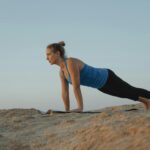
Starting an effective core workout routine, even for beginners, is not as complicated as it may seem. Considering your current fitness level is crucial for your success and progress. If you’re new to exercising, start slow with basic movements like planks or leg raises. These exercises are less intimidating and can gradually build endurance and strength, making the journey manageable and less daunting.

Core workouts

Core workouts
A woman doing a plank core workout

When integrating core exercises into your routine, consider your existing fitness habits. Core exercises can be seamlessly incorporated at various points in your workout, such as at the start to engage your core early or at the end for a final burn. Consistency is key, so scheduling core workouts on days you know you can commit to them could help.

Timing your workouts can also make a significant difference. Some people find early morning core sessions energizing and set a positive tone for the day, while others prefer evening workouts to relax. Explore various times to discover when you feel most energized and productive. Finding the right fit for your schedule can transform your daily routine!

Core workouts
Beautiful young black woman standing in side plank on yoga mat at home, free space. Millennial African American female in sports outfit exercising core muscles, doing strength workout indoors
Core workouts
Fitness, gym with men and women doing plank, strong and exercise for muscle, cardio and endurance in workout class. Health, wellness and diversity, body training and healthy active challenge.

As you grow stronger, introducing elements of progressive overload will help you avoid plateaus. You can do this by slightly increasing the duration or intensity of your workouts. However, listen to your body and don’t rush the process. Safety and form should always come first.

Your routine should feel challenging but achievable, providing a motivational push without being overwhelming. Making core exercises a central part of your plan ensures balanced muscle development and prepares you for various physical activities.

Practical Core Exercises for All Fitness Levels

Whether you’re a beginner or a seasoned athlete, a wide range of core exercises can meet your needs. Classic exercises like crunches, leg raises, and pelvic tilts are simple yet effective for beginners. These workouts require minimal equipment and can easily be done in the comfort of your living room, making them an ideal choice for your fitness routine.

Core workouts
Fit active athletic young woman doing bicycle crunch situp exercise alone lying on mat wooden floor, strong sporty girl wear activewear training abs core muscles workout routine in sport gym studio

As you progress, incorporating intermediate exercises such as Russian twists, mountain climbers, and stability ball jackknives will add variety and challenge. These exercises can enhance coordination and require more balanced control, pushing your core to work harder.

For advanced-level people, movements like hanging leg raises, dragon flags, and windshield wipers can push your core strength to new heights. These exercises are physically demanding and require excellent form to avoid injury.

Practicing with poor technique can lead to injuries and reduce exercise effectiveness. Doing fewer reps correctly is better than rushing through more with improper form. Your safety and well-being are our top priority, so we encourage you to focus on mastering technique. Videos and personal trainers can be great resources, ensuring you exercise safely and effectively.

Tools like resistance bands, stability balls, or light weights can intensify your workouts. These tools encourage different movements and engage various muscles, preventing workout monotony and promoting balanced strength.

Including elements of pilates and yoga in your routine can also benefit your core. Exercises like plank variations, boat poses from yoga, and pilates movements like the teaser offer great core benefits while improving flexibility and mindfulness.

This diverse approach keeps workouts engaging and ensures you’re continuously challenging your muscles, leading to consistent improvement and motivation to keep pushing forward.

Maximizing the Benefits of Core Workouts

Once you’ve started your core workout routine, understanding how to measure your progress becomes essential. This can be as simple as tracking the number of reps and sets you complete or noticing improvements in balance and posture over time.

Using a workout journal or fitness apps can help you stay organized and motivated as you track tangible improvements in your strength.

Recovery is key after any workout, and core exercises are no exception. Giving your muscles time to recuperate reduces injury risk and improves performance. Strategies like stretching, foam rolling, or yoga classes can promote more effective recovery.

Nutrition also plays a massive role in complementing your workout efforts. A balanced protein-rich diet supports muscle repair and growth, while staying hydrated is crucial for optimal body function during exercise.

Setting realistic goals allows you to maintain focus and motivation without feeling overwhelmed. Whether it’s improving the duration of a plank or increasing the number of repetitions in your exercises, having clear objectives gives you direction.

Core workouts, when consistently practiced and carefully monitored, strengthen muscles and provide better support for the body in everyday life. This seamless integration of fitness and daily living fosters an overall healthier lifestyle.

https://youtu.be/DHJupOV_IOA?si=NDOrnIJV6RolfgoL

http://www.wikipedia.org

https://weightliftingforpower.com/stretching-and-strengthening/

https://weightliftingforpower.com/bodyweight-exercises/

https://weightliftingforpower.com/the-best-barbell-exercise-card-sets/

https://weightliftingforpower.com/customizing-your-barbell-exercise-

cards/

https://weightliftingforpower.com/using-barbell-exercise-cards/

Understanding The Anatomy Of Core Muscles And Targeted Exercises

Strong Core Benefits

Top 10 Dumbbell Exercise Cards For Full-Body Workout

https://weightliftingforpower.com/top-10-dumbbell-exercise-cards-for-full-body-workout/

Top 10 Dumbbell Exercise Cards For Full-Body Workout: Top Tips for Success

Dumbbell workouts are a fantastic choice for anyone looking to get in shape from home or at the gym because they offer incredible versatility and convenience. Unlike bulky gym machines, dumbbells can fit in any corner of your home, making full-body workouts accessible anytime.

Top 10 Dumbbell exercises

pexels krizalid99 14085125

Dumbbell workouts are a fantastic choice for anyone looking to get in shape from home or at the gym because they offer incredible versatility and convenience. The Top exercises can be performed using dumbbells, making full-body workouts accessible anytime.

Top 10 Dumbbell exercises

istockphoto 538746983 612x612 1
Young Men Doing Squats With Dumbbell In Gym

Strength training and muscle toning are two of the most significant benefits of incorporating dumbbell exercises into your routine. Dumbbells help build muscle strength and play a critical role in improving muscle endurance, boosting your metabolic rate, and aiding in weight management.

istockphoto 950472370 612x612 1
Muscular Men Exercise With Weights

pexels tima miroshnichenko 5327446

A full-body workout using dumbbells targets multiple muscles simultaneously, enhancing overall fitness. It’s not just about building biceps; you’re hitting quads, abs, back, and more, providing a balanced workout that covers everything. This kind of exercise regime is excellent for improving physical performance and posture and reducing injury risks.

Consider incorporating the Top exercises into your routine for balanced benefits and overall fitness improvement.

One of the most empowering aspects of dumbbell workouts is their adaptability to any fitness level. No matter your skill level, dumbbell exercises can be expertly tailored to match your unique fitness goals and personal preferences. Embrace the versatility of dumbbells to achieve results that resonate with you! As you progress, you can increase weights, reps, or sets, ensuring your regimen evolves as your strength and abilities grow.

For those interested, check out our guide on the Top 10 Dumbbell Exercise Cards For Full-Body Workout to maximize your training!

For those seeking an organized approach to their workouts, consider using the Top 10 Dumbbell Exercise Cards For Full-Body Workout to guide your routine.

Top 10 Dumbbell Exercises for Comprehensive Fitness

These Top 10 Dumbbell exercises can elevate your fitness game.

These ten dumbbell exercises are the go-tos you’ll want for engaging multiple muscle groups to boost your fitness level. Let’s dive into the variety of these exercises and get you excited about your workout routine:

Start with the humble Dumbbell Squat. It is a powerhouse move for your quads, glutes, and hamstrings. You amp up the resistance by adding dumbbells, making each squat more effective. If you’re new, try holding lighter weights and gradually step up as you master your form.

As you perform the Dumbbell Squat, think of how this Top move can enhance your strength.

Next up is the Bent-over Row. This one’s a winner for strengthening the back. Engaging muscles that often get neglected, this exercise improves posture too. Keep your back straight to avoid strain, and start with moderate weights to maintain control.

Don’t skip the Dumbbell Chest Press, which targets the chest, triceps, and shoulders. While you can do it lying on a bench, you can also do it lying flat on the floor at home. Ensure your weights are manageable so you can focus on pressing with the right form.

The Dumbbell Chest Press is often regarded as a Top choice for upper body strength.

The Standing Shoulder Press is great for carving out shoulders while engaging your core for an extra stability boost. To protect your back, always engage your core and opt for weights you can confidently lift overhead.

Incorporate Dumbbell Lunges into your routine for killer legs and improved balance. They zero in on glutes, quads, and hamstrings while challenging your coordination and stability. Start sans weights if you need to get acclimated to the movement.

In the realm of leg workouts, Dumbbell Lunges stand out as a Top exercise for building strength.

The Dumbbell Row to Tricep Kickback offers a two-in-one approach. It targets the triceps and upper back, providing a comprehensive upper-body workout in one fluid motion. Always practice reasonable control to get the most benefit without injury.

The Russian twist is indispensable for a sturdy midsection. With a dumbbell in hand, it elevates the classic ab exercise, engaging the obliques and rotationally challenging the core. It is perfect for adding variety to ab workouts.

The Russian twist is a Top move to engage those core muscles effectively.

Deadlifts are a staple for the posterior chain, focusing on your back and legs. Dumbbells let you maintain a neutral grip, which translates to better posture. Keep your movements slow and controlled.

For a functional movement, the Renegade Row combines planks with rows to deliver a full-body challenge. As you pull the weight, push your stability to the test, engaging core muscles alongside the back and arms.

Challenge yourself with the Renegade Row, which is a Top exercise for core strength.

Finish the lineup with Curls to Press. It combines bicep curls with a shoulder press, offering efficient training for the arms and shoulders in tandem. Go for lighter weights initially to nail good form so you can build up safely.

Designing a Balanced Dumbbell Workout Routine: Tips and Tricks

Designing a balanced dumbbell workout routine requires incorporating the Top exercises for effectiveness.

Crafting a well-rounded workout routine using dumbbells doesn’t have to be complicated. The key is balancing different exercises to ensure all major muscle groups get the attention they deserve. This approach nurtures muscle growth and prevents imbalances that could lead to injuries down the road.

Start by mixing up your exercises throughout the week. A good rule of thumb is to alternate between focusing on upper-body and lower-body workouts. For instance, you might concentrate on exercises like shoulder and chest presses on Monday, while Wednesday could be all about squats and lunges.

Remember to include your Top exercises when alternating your weekly workout focus.

Incorporate compound movements like the deadlift or the bent-over row to pack more punch into your workouts. These exercises effectively engage several muscle groups at once, allowing you to achieve more results in less time.

When putting together your schedule, remember the importance of rest and recuperation. Providing your muscles with sufficient time to recover and strengthen is vital, as it shows that you are prioritizing the care needed for building stronger muscles. Make sure to incorporate enough rest into your weekly routine for optimal results. A three-day regimen, for instance, allows muscle groups adequate downtime before they’re challenged again.

Making time for the Top exercises will ensure you achieve well-rounded muscle growth.

Varying your routine is also crucial. Shake things up every four to six weeks by swapping exercises or increasing the weight or reps. It keeps muscles adapting and prevents boredom that might hurt your motivation.

Remember to add in some core exercises regularly. Strong core muscles are the foundation of many movements, helping to maintain proper form and reducing injury risks.

Don’t forget to add your Top exercises along with core drills for a complete routine.

Don’t overlook the role of flexibility and mobility work. Incorporating some stretching post-workout or a dedicated yoga session weekly will help keep your body limber and ready for those challenging moves.

Finally, monitor your progress. Keep a journal or use an app to track the weights you’re lifting and the reps you’re hitting.It’s a satisfying way to see tangible proof of your hard work paying off, providing insights into where you might need to focus more effort.

Tracking your progress with the Top exercises is essential for seeing results.

Maximizing Results with Consistency and Proper Nutrition

Keeping steady with your workouts is key to seeing the changes you’re after. It’s all about making working out a habit.The trick is to find a routine that fits into your lifestyle so it doesn’t feel like a chore. It could be grabbing some quick reps during lunch or starting your day with some exercise. The more it becomes a regular part of your day, the more likely you’ll stick with it.

To maximize your workouts, make sure to incorporate the Top exercises into your routine.

While motivating yourself can be challenging, setting small, achievable goals might keep you on track. Recognize each milestone, whether it’s lifting heavier weights or increasing the number of reps. Tracking your progress and celebrating wins builds momentum.

Nutrition plays a vital part in complementing your hard work. Nourishing your body with a balanced diet is crucial for maximizing muscle growth and ensuring proper recovery. Make the right nutritional choices to unlock your full potential and achieve your fitness goals. Fuel your demanding workouts with lean proteins, whole grains, and vegetables. These powerhouse foods deliver the essential nutrients and energy you need to perform at your best!

Your nutrition should also support those Top exercises for optimal muscle recovery.

Hydration is just as important. Drinking enough water throughout the day aids in performance and recovery. Post-workout, consider a protein-rich snack to help muscles repair and grow. You can pair a dumbbell workout with homemade protein smoothies or healthy snacks to replenish energy levels.

Hitting barriers and not seeing quick results can be frustrating. Remember, patience is crucial, and results take time. Think of the bigger picture and the long-term benefits of a healthy lifestyle.

Think about the long-term benefits of sticking to your Top exercise routine.

Sometimes it helps to connect with community or workout groups to share your journey and experiences. These connections often bring new tips, motivation, and a sense of accountability.

It’s about doing what’s best for your body. Personalize your path to fitness with dumbbells and keep things engaging. As you move forward, listen to your body, adjust when needed, and stay committed to your health journey.

https://www.wealthyaffiliate.com?a_aid=352a86b2

http://www.wikipedia.org

https://weightliftingforpower.com/core-workouts/

https://amzn.to/3Ydy3Zg

Maintaining Proper Form For Bench Press To Prevent Shoulder Injury

https://weightliftingforpower.com/maintaining-proper-form-for-bench-press-to-prevent-shoulder-injury/

When you’re starting with the bench press, its sheer popularity can be both inspiring and daunting. It’s one of those cornerstone exercises that people swear by for building upper-body strength. The bench press primarily targets your chest muscles, but also gives your triceps and shoulders a pretty good workout. So getting it right is crucial for significant gains and avoiding any unwanted aches or injuries. Understanding the proper form for bench press is vital to your success.

To achieve the best results, it’s essential to master the proper form for bench press, as it directly correlates to your performance and safety.

First, let’s get the fundamentals down. Your grip on the barbell, the path you follow as you lift, and how you align your body—all of these mechanics decide how effective and safe your bench press will be. Start with a comfortable but firm grip, ensuring your thumbs and fingers wrap securely around the bar. The bar path isn’t a tight up-and-down deal; it usually follows a slightly curved trajectory from near your mid-chest to just above your shoulders as you press up. Remember, maintaining proper form for bench press helps you avoid injuries.

Practicing the proper form for bench press ensures that you engage the right muscles, maximizing your strength gains.

Many people fall into traps that lead to shoulder injuries. A frequent error is flaring your elbows too far out, leading to unnecessary stress on your shoulders. Positioning your elbows nearer to your torso will safeguard your shoulders and enhance your overall technique. Instead, try to keep your elbows at about a 45-degree angle relative to your body. Another slip-up is letting your lower back arch too much—it should have a natural, slight curve, but not overly so, to ensure your spine stays safe while also giving you a powerful pressing position.

By emphasizing the proper form for bench press, you can reduce the risk of injury significantly.

To summarize, focusing on your grip, body alignment, and elbow positioning will not only enhance your performance but also ensure you practice the proper form for bench press. This will help you progress safely in your training.

Remember, the proper form for bench press is your best defense against injuries.

Pre-Workout Preparation: Warm-Up and Mobility Exercises

Having the proper form for bench press during your warm-up is crucial for injury prevention.

Proper preparation before hitting the bench is something you can’t skip if you’re about keeping your shoulders in good shape. Warming up isn’t just about physically prepping your body; it’s also about getting mentally tuned into the task. A good warm-up gets the blood flowing and muscles prepped, reducing the risk of strains or injuries.

Focusing specifically on your shoulders, dynamic stretches are a great place to start. Move through arm circles, cross-body swings, and shoulder rotations to effectively wake up those muscles and enhance your range of motion. Don’t go through these. They might seem small, but they pack a powerful punch in preventing damage.

Dedicating some time to mobility can make the difference between a safe lifting session and a painful one. Exercises like wall slides or band pull-aparts can gradually increase shoulder flexibility. These exercises promote healthy joint movement and bolster your shoulder’s ability to handle the strain from bench pressing.

Never underestimate the power of getting your head in the game. Take a moment for mental prep, too. Concentrating on your breathing, visualizing your bench press technique, and establishing clear goals for your session can enhance your lifting safety and effectiveness. With your body loose and mind ready, you’re readying yourself up for a productive and confident workout.

Mastering Proper Form: Step-by-Step Guide to Safe Pressing

Consistently practicing the proper form for bench press will enhance your lifting technique.

 Proper Form For Bench Press
Personal Trainer Showing Young Man How To Train Chest Exercise With Barbell In A Health And Fitness Concept

Getting your form right is like having a reliable compass. It guides you safely through the ups and downs of the bench press, boosting your strength gains and protecting your joints. Start by checking your hand placement on the bar. You want your grip to be firm but relaxed, usually wider than shoulder-width. This setup helps engage the correct muscles and keeps things balanced.

Your feet play a surprisingly crucial role, too. Ensure they’re firmly on the ground, providing a strong base for your entire body. A stable base prevents unwanted movement that could throw you off balance.

Ensure your feet are planted firmly, as this contributes to maintaining the proper form for bench press.

 Proper Form For Bench Press
Professional trainer coaching fitness client performing dumbbell strength training, maintaining correct posture during intensive workout in contemporary exercise facility

With your feet set and grip right, focus on your back. Your lower back should have a slight arch—it’s not diving into extremes but maintaining a natural curve. This helps you achieve a strong pressing position and shields your spine from excessive pressure.

Lifting isn’t just about brute strength but consistency and pacing. Gently lower the bar to your chest, maintaining a controlled motion and ensuring your elbows remain near the optimal 45-degree angle we discussed. When pressing upwards, keep a steady, consistent speed to maximize muscle engagement and reduce the chance of mishaps.

Controlling your motion is a key aspect of the proper form for bench press.

If you have a workout buddy or spotter handy, now’s the time to get that support. They can help with safety, ensuring the barbell doesn’t drop, especially when hitting your last few challenging reps. Their presence can provide a sense of security and support, allowing you to push your limits confidently.

 Proper Form For Bench Press
Young attractive fit Man with beard In Gym Exercising Chest On The Bench Press. Bodybuilding, motivation, active, healthy lifestyle. Top view

To grow in strength while keeping safety at the forefront, progressively increasing the weight you lift is key. However, proper form must always be prioritized over heavier loads. This way, your gains come without putting your shoulders at unnecessary risk.

Prioritizing the proper form for bench press allows you to safely increase your lifting capacity.

Recovery and Injury Prevention: Keeping Shoulders Healthy Post-Workout

Prioritizing recovery keeps your shoulders healthy and ready for the next session. Cooling down is crucial. Gentle stretches focused on your shoulders help maintain flexibility and reduce tightness. Consider icing your shoulders if they feel beaten up after a tough set.

Incorporating stretches that focus on the proper form for bench press can improve shoulder health.

Listening to your body post-workout is important for catching any early signs of trouble. A little bit of soreness is normal, but persistent pain deserves attention. Address discomfort sooner rather than later with rest, and if it lingers, consult a professional.

Listening to your body after practicing the proper form for bench press helps catch any early signs of strain.

Balance is fundamental in a good training program. Building in regular rest days allows your muscles and joints to heal and recover, leading to better long-term performance. This approach guarantees you can make consistent progress without jeopardizing your well-being or risking injury.

Charting your progress through a training log or app provides insights into what’s working and what’s not. Trawhat’sghts, reps, and any discomfort you notice. This ongoing self-assessment helps you make the necessary tweaks to improve while keeping those shoulders strong and injury-free.

Ultimately, mastering the proper form for bench press is essential for long-term success in your fitness journey.

Tracking your sessions with a focus on the proper form for bench press will lead to consistent improvement.

http://www.wikipedia.org

Effect Of Exercise On Mental Health

https://weightliftingforpower.com/effect-of-exercise-on-mental-health/

Exercise and the brain are like best friends, always benefiting each other. When you move, the brain lights up in exciting ways. This understanding of how physical activity impacts brain function is a journey that science is still uncovering, but it’s a journey that puts you in the driver’s seat of your mental health. One significant aspect of this relationship is the Effect Of Exercise On Mental Health.

The Effect Of Exercise On Mental Health is gaining more recognition as research continues to reveal its profound impact on emotional well-being.

Effect Of Exercise On Mental Health

Effect Of Exercise On Mental Health

Neuroplasticity might sound like a mouthful, but it’s how your brain responds to experiences. Exercise is a major player here, stimulating the growth of new neural connections. Imagine it as your brain getting a workout alongside your body, becoming stronger and more adaptable, highlighting the Effect Of Exercise On Mental Health.

This connection highlights the Effect Of Exercise On Mental Health and how nurturing this relationship can lead to improved quality of life.

Then there’s the legendary endorphin rush, that natural high you get post-exercise. It’s not just hype. These chemicals in your brain act like natural painkillers and mood elevators. Feeling blue? Sometimes a quick jog might be what the doctor ordered, illustrating the Effect Of Exercise On Mental Health!

This endorphin rush is part of the broader Effect Of Exercise On Mental Health, showcasing how exercise can lead to lasting happiness.

Exercise doesn’t stop at mood boosts. It enhances memory and cognitive abilities, which are vital for daily functioning and overall mental health. Participating in physical exercise has been found to increase the size of the hippocampus, an essential brain region that contributes to verbal memory and learning. So, while squatting or stretching, you’re not just keeping fit, you’re keeping your brain sharp and intellectually engaged.

Understanding the Effect Of Exercise On Mental Health can motivate individuals to prioritize physical activity in their lives.

Boosting Mood and Alleviating Anxiety: Exercise for Mental Well-being

Exercise can do wonders for your mood, almost like hitting refresh on a sluggish computer. Research consistently shows that being active can reduce anxiety and depression symptoms, offering relief often as effective as medication for some folks.

Furthermore, studies illustrate the Effect Of Exercise On Mental Health by showing significant reductions in symptoms of anxiety and depression.

What happens chemically in the brain during exercise is fascinating. When you’re active, your brain churns out more dopamine and serotonin—the chemicals that help regulate mood and emotions. Getting sweaty is like recharging your mental batteries.

This chemical response underlines the Effect Of Exercise On Mental Health and emphasizes the importance of keeping active.

Don’t underestimate the power of group exercises. Whether it’s a local yoga class or a community soccer game, the social aspect adds another layer of mental health benefits. Being part of a group can foster a sense of belonging and reduce feelings of isolation.

Real-life stories often speak volumes. Many people share inspiring journeys of improved mental health thanks to regular physical activity. From overcoming severe depression to managing anxiety levels, exercise has played a pivotal role in reclaiming their lives.

The collective experiences reinforce the Effect Of Exercise On Mental Health, encouraging others to engage in physical activity.

A Closer Look: Tailoring Physical Activity for Mental Health Benefits

Ultimately, knowing the Effect Of Exercise On Mental Health can help tailor individual fitness plans to maximize mental wellness.

Different forms of exercise provide varying benefits for mental health; picking the right activities can significantly boost your mood and overall wellness. Some types, like aerobic exercises—think cycling or running—are particularly effective for improving mental well-being. The rhythmic and repetitive nature of these activities, like meditation in motion, helps focus the mind.

Creating a workout plan tailored to mental clarity is key. Identify activities you enjoy. If you love dancing, join a dance class. Do you enjoy solitude? A morning jog might be your thing. The goal is to choose exercises that feel less like a chore and more like a personal getaway.

When creating a plan, always consider the Effect Of Exercise On Mental Health and its role in your overall happiness.

Outdoor activities play a special role. Nature has a calming effect, and activities like hiking or outdoor yoga can amplify the mental benefits. Sunlight also helps regulate sleep and mood, so catch those rays (with sunblock, of course).

To avoid burnout, it’s important to balance physical exertion with relaxation. Overexercising can lead to stress and anxiety, counteracting the benefits you’re seeking. Listen to your body, incorporate rest days, and remember that moderation often leads to sustainable success. Achieving this balance is vital for your overall well-being and will give you confidence that you are moving in the right direction.

Incorporating Exercise into Daily Life: Practical Tips and Strategies

Starting with simple exercises is a great way to ease into a new habit. Basic stretches, short walks, or light aerobics help build confidence and establish a routine without overwhelming you.

If time is tight, micro-workouts might be your best friend. These are short bursts of activity that you can fit into any part of your day. Whether you do a quick set of jumping jacks or climb stairs, every little bit adds up to a healthier you.

Combining exercise with mindfulness creates powerful synergy. Practices like tai chi or mindful walking can bring peace to your busy mind as your body moves, providing mental and physical health benefits.

Setting realistic goals helps maintain motivation. Start small and celebrate each accomplishment, no matter how tiny. Tracking progress can also be encouraging—try keeping a journal or using an app to see how far you’ve come. Consistency is crucial in your journey; each small step brings you closer to enhanced mental health and well-being. Embrace the process and watch the positive changes unfold.

Ultimately, maintaining this focus on the Effect Of Exercise On Mental Health will empower you on your wellness journey.

http://www.Barbend.com

http://www.wikipedia.org

http://www.amazon.com

http://www.Muscle&Fitness.com

https://weightliftingforpower.com/weight-loss-elliptical-or-treadmill/

https://weightliftingforpower.com/dumbbell-barbell-bench-press/

https://weightliftingforpower.com/core-workouts/

https://weightliftingforpower.com/top/

https://weightliftingforpower.com/proper-form-for-bench-press/

Understanding The Anatomy Of Core Muscles And Targeted Exercises

Top 5 Core Workouts To Improve Posture And Balance

Best Exercise Routines For Beginners

Common Mistakes To Avoid When Doing Core Exercises

https://weightliftingforpower.com/common-mistakes-to-avoid-when-doing-core-exercises/

Core exercises aren’t just about sculpting your abs; they’re about building a foundation for your body’s overall strength, stability, and balance. When people think of core workouts, it’s easy to picture endless sit-ups and crunches, right? However, a real core workout focuses on a wider group of muscles, including your hips, lower back, and even your shoulders.

 Strengthening these muscles helps in everyday tasks and improves posture, crucial for preventing injuries. Understanding the mistakes when doing core exercises can enhance your workout effectiveness.

Being aware of the mistakes when doing core exercises can significantly improve your results.

Understanding the mistakes when doing core exercises is crucial for anyone looking to enhance their fitness journey.

By recognizing the common mistakes when doing core exercises, you can tailor your routine for better outcomes.

One major misconception is that you need a gym full of fancy equipment to work your core effectively. The truth is, bodyweight exercises are not only convenient but incredibly effective. Movements like planks, bridges, and reverse crunches can bring impressive results when done right, especially when avoiding the mistakes when doing core exercises.

Avoiding mistakes when doing core exercises will help you achieve optimal results.

Awareness of the mistakes when doing core exercises will help maximize your workout efficiency.

Identifying the mistakes when doing core exercises is essential for continuous improvement.

It’s also common to believe that more ab exercises mean better abs. Spending hours doing crunches won’t give you six-pack abs if you’re not managing your diet or doing other workouts to reduce body fat. The core is more than the surface muscles; it’s the stabilizer for most of your movements in and out of the gym. Being aware of the Common Mistakes To Avoid When Doing Core Exercises is essential for achieving your fitness goals.

Many individuals overlook the mistakes when doing core exercises that can hinder their progress.

Recognizing the Common Mistakes To Avoid When Doing Core Exercises is vital for achieving a balanced fitness regimen.

Learning from the mistakes when doing core exercises can lead to more effective workouts.

So, what should you focus on instead? Think variety and full-body engagement. Incorporating exercises that work multiple areas at once can transform your core strength. It means including functional movements like deadlifts, squats, and even kettlebell swings. These may not feel like traditional core exercises, but they engage your core efficiently.

Remember, core exercises aren’t about perfection. They’re about steady progress and understanding what works for your body. By balancing the right exercises, you’ll build a stronger, more stable core that supports all aspects of your fitness.

Mistake #1: Ignoring Proper Form and Technique

Paying attention to the mistakes when doing core exercises ensures better safety and results.

Remember the Common Mistakes To Avoid When Doing Core Exercises can set back your progress significantly.

Understanding the mistakes when doing core exercises is crucial for any fitness enthusiast.

Proper form and technique are the backbone of effective core exercise. A few sloppy reps won’t hurt, but they can lead to serious setbacks over time. Bad form often means you’re not targeting the right muscles; worse, it increases the risk of injuries. A well-aligned body benefits your core results and protects your entire musculoskeletal system.

Recognizing the mistakes when doing core exercises can prevent injuries and improve performance.

One typical blunder is arching the lower back during exercises like planks or sit-ups, which can strain the spine. It is crucial to keep a neutral spine, where the natural curve of your back is maintained. Another mistake is allowing your neck to strain forward, which can lead to discomfort or even headaches post-workout.

To avoid the Common Mistakes To Avoid When Doing Core Exercises, focus on maintaining proper alignment.

Breath control often gets overlooked, too. Proper breathing helps effectively engage core muscles. A good rule of thumb is to exhale on exertion. For instance, breathe out as you lift in a crunch, helping brace your core muscles.

What can you do to boost your form? Start by slowing down each movement to focus on alignment and breathing. Watch yourself in front of a mirror or record your workout. It’s surprising how often we think we’re doing an exercise correctly until we see it. If possible, consult a fitness trainer for personal feedback.

Adjusting your routine to avoid the Common Mistakes To Avoid When Doing Core Exercises will yield better results.

Above all, patience is key. Mastering proper form takes time, but it’s a worthwhile investment for your long-term health and fitness journey. Aim for consistency; remember, a few quality reps always beat numerous incorrect ones.

Mistake #2: Resorting to Endless Repetitions Instead of Progressive Overload

To avoid common mistakes when doing core exercises, focus on form and gradual progression.

mistakes when doing core exercises

mistakes when doing core exercises

By avoiding the Common Mistakes To Avoid When Doing Core Exercises, you can enjoy a more effective workout.

Many people fall into the trap of thinking that doing countless reps will lead to better results in core workouts. While you might feel the burn, that doesn’t necessarily mean you’re building a stronger or more resilient core.

Quantity doesn’t trump quality. Performing endless rounds of one exercise, like crunches, could cause fatigue without effectively working the deeper core muscles. Instead of repeating the same movements, mix in new exercises that target the diverse components of your core. It not only prevents monotony but also engages your core in different ways.

Being aware of the Common Mistakes To Avoid When Doing Core Exercises can enhance your overall performance.

So, how can you ensure you’re making real progress?It could involve adding weight to a Russian twist, increasing the duration of a plank, or even incorporating instability into your exercises with a balance ball.

Being mindful of the mistakes when doing core exercises can lead to significant improvements.

Other effective strategies include varying your routine every few weeks. Swap out some standard moves for more challenging variations, keep your muscles guessing, and adapting. Not only does this build strength, but it also enhances endurance and agility. Introducing one new challenging exercise at a time can be a game-changer for those starting out.

Evaluating your routine for mistakes when doing core exercises is essential for long-term success.

Avoiding the Common Mistakes To Avoid When Doing Core Exercises will lead to a stronger core over time.

Remember, building a reliable, robust core that supports all body movements is not a race but a journey. By focusing on progression rather than repetition, you create a dynamic exercise environment that strengthens your core more effectively.

Keeping Balance: Neglecting Core Cardio and Flexibility

Integrating knowledge about the Common Mistakes To Avoid When Doing Core Exercises is essential for overall fitness.

Building a strong core involves more than static exercises. It’s about integrating cardio and flexibility into your routine because a well-rounded workout plan results in greater core strength and stability. Cardiovascular exercise increases overall fitness and helps you manage body fat effectively, making your core muscles more visible and active.

When it comes to refining core strength, flexibility is equally critical. A flexible body moves more efficiently and is less prone to injury. Stretching promotes better muscle synergy during workouts, which in turn optimizes effectiveness. Simple stretches focusing on the hips, spine, and legs can significantly enhance your range of motion and strengthen your core support. Invest a few minutes each day to experience the benefits!

Incorporating lessons learned from the mistakes when doing core exercises can enhance your routine.

Incorporating lessons from the Common Mistakes To Avoid When Doing Core Exercises can improve your strength training.

Including cardio exercises that engage your core can be transformative. Activities such as cycling or swimming naturally involve extensive use of your core, enhancing stability and resilience. Even brisk walking activates those essential core muscles when done with proper posture.

On the flexibility front, yoga and Pilates are excellent options. They stretch out tight muscles and emphasize core stability and control. This dual benefit underscores their value in a comprehensive core routine.

Focus on the Common Mistakes To Avoid When Doing Core Exercises to enhance the effectiveness of your workout.

Reflecting on the mistakes when doing core exercises can help refine your approach.

Balance is vital in fitness. Overemphasizing one area while ignoring others can create imbalances that increase the risk of injuries. Prioritizing a well-rounded approach is essential for your overall safety and performance. By balancing core exercises with cardio and flexibility training, you’re ensuring a holistic approach to fitness. Embrace this balance, and your core—and body—will thank you for it.

Ultimately, understanding the mistakes when doing core exercises ensures a balanced fitness journey.

http://www.barbend.com

https://weightliftingforpower.com/weight-loss-elliptical-or-treadmill/

https://weightliftingforpower.com/dumbbell-barbell-bench-press/

https://weightliftingforpower.com/core-workouts/