The Science Behind Arms For Power: How Strong Arms Enhance Your Overall Fitness

https://weightliftingforpower.com/the-science-behind-arms-for-power-how-strong-arms-enhance-your-overall-fitness/

Strong Arms are more than just a physical attribute; they’re essential for many of our daily activities, from lifting grocery bags to playing sports. The muscles in your arms, including the deltoids, biceps, and triceps, play a big part in how you move and how your body supports those movements.

strong arms

Arms don’t just stand alone when it comes to strength. When they’re strong, they help improve your overall body strength and stability. It’s like building a good foundation for a house. If your arms are strong, it can make other activities easier, like carrying heavy loads or even simple tasks like opening a jar.

Research into muscle development supports the importance of working on those arm muscles. Studies have shown that targeted arm exercises can significantly increase muscle strength and endurance. It’s not just about the aesthetics; it’s about ensuring your body functions well together.

Strong arms also contribute to better performance in sports and other physical activities. Whether swinging a tennis racket or throwing a football, having strong arms means generating more power and executing movements more precisely. It’s not just about bulking up; it’s about making everyday life smoother and more efficient.

Strengthening Arms: Techniques and Benefits

Building strong arms involves more than just lifting weights. Practical exercises like push-ups and pull-ups go a long way in enhancing arm strength. These workouts engage various muscle groups, making them beneficial for anyone seeking strength without requiring extensive gym equipment.

Strong arms

Mixing things up with varied resistance training to keep muscles growing and adapting is essential. It keeps the workouts from becoming stale and encourages muscle hypertrophy, which is a fancy way to say your muscles will grow bigger and stronger. Resistance bands, free weights, and even your own body weight can be your best friends in this.

Having strong arms isn’t just about looking good; it also significantly boosts your cardiovascular fitness and endurance. When your arms are stronger, your heart and lungs don’t have to work as hard, letting you go the distance, whether jogging, biking, or swimming.

Balancing your muscle work is key. Overtraining leads to fatigue and potential injury, while a balanced approach ensures every muscle group gets its fair share of attention without overdoing it. Listen to your body, adjust your workouts as needed, and integrate rest days to let muscles recover. This way, building strong arms becomes a sustainable and rewarding journey.

The Interconnectedness of Arm Strength and Core Fitness

Arm strength plays a significant role in enhancing core strength and stability. When working on arm exercises, you often engage the core. This relationship ensures that your movements are powerful and controlled, which can be crucial in preventing injuries and improving overall fitness.

Core workouts and arm exercises can complement each other nicely. Compound movements like deadlifts, kettlebell swings, and planks with shoulder taps engage both areas, making workouts more efficient and effective. These exercises shape the arms and core and boost functional strength for everyday activities.

When planning workouts, balancing arm and core exercises to achieve peak performance is essential. A balanced routine helps avoid muscle imbalances, which can lead to poor posture or injury. Consider alternating days between focusing on arms and core, ensuring sufficient recovery time between intense sessions.

Hearing success stories and case studies can be exceptionally motivating. For instance, athletes often report dramatic improvements in their performance by integrating arms and core training. Regular folks have seen transformations, too, like better posture and increased energy levels in everyday tasks. These real-life examples show how interconnected arm strength and core fitness can make a real difference.

Taking a Holistic Approach to Physical Fitness

Integrating arm workouts with a full-body fitness routine ensures you get the most out of your fitness journey. Strong arms can complement other muscle groups, helping you develop a balanced and harmonious physique that supports both practical and health goals.

Diet and nutrition cannot be ignored when it comes to building muscle. A protein-rich diet, healthy fats, and carbohydrates support muscle growth and recovery. Foods like chicken, fish, nuts, and whole grains are excellent choices that fuel your body and aid in muscle repair.

Beyond the physical, there are mental advantages to having strong arms and engaging in fitness routines. Thanks to the endorphins released during exercise sessions, confidence gets a boost, stress levels drop, and mood can improve. It’s not just about physical transformation but also mental well-being.

Rest and recovery are critical. While pushing through workouts without breaks may be tempting, giving your muscles time to recover is crucial to prevent injuries. Implementing rest days and ensuring proper sleep can significantly affect how your body responds to workouts, enhancing performance and results over time.


http://www.wikipedia.org

Maximizing Your Gains: Building Arm Strength For Increased Power Output

When building arm strength, grasping the fundamentals of arm anatomy can set you on the best path for success. Muscles like the biceps, triceps, and those often forgotten forearms play starring roles.

The biceps, sitting comfortably on the front of your upper arm, are what most folks think of when flexing for strength. They’re responsible for elbow flexion, which means they help when you lift items or pull things towards your body. Meanwhile, the triceps stand in the background on the back of the upper arm, providing elbow extension. Triceps are silently on duty whether pressing, throwing, or carving a path through water as you swim.

Forearms don’t get the limelight they deserve, yet they’re critical in everything from gripping a coffee cup to zipping through an intense set of deadlifts. The intricate muscles of the forearm go beyond food grabbing—they stabilize movements and sustain endurance loads.

Balancing these muscles ensures you’re not just building bulk but achieving functional strength designed to power through daily tasks and demanding sports activities with ease. That’s where understanding muscle physiology comes into play. Muscle growth happens when these fibers undergo tiny tears that regeneration processes make stronger, essentially amplifying your strength and power output over time.

So why balance? Overworking one muscle group might lead to imbalance, causing injury or impeding performance growth. Keeping each part of the arm in top shape means more effective performance in whatever challenge you take on.

Effective Arm Workouts: Exercises Designed for Maximum Muscle Engagement

The right exercise routine will engage your muscles for maximum growth and power, building on your understanding of anatomy. Let’s uncover a few trusty exercises guaranteed to work all those arm muscles.

Bicep curls are a staple for a reason. Whether using dumbbells or a barbell, these curls hone in on your biceps. For your triceps, think about exercises like tricep dips or overhead extensions, which let you stretch and strengthen them efficiently.

Compound movements, like push-ups and pull-ups, present a dual benefit since they engage multiple muscle groups, enhancing overall arm strength. With these, your arms work hard, and your core and shoulders join in, creating a dynamic and efficient workout.

Resistance training and bodyweight exercises both have their place in your routine. Machines and free weights offer a controlled environment to improve technique and progressively overload your muscles. On the other hand, bodyweight exercises allow you to build muscle endurance and functional strength without any gear—perfect for on-the-go workouts.

Embracing progressive overload is key. Slowly increase the amount of weight or resistance to challenge your muscles, prompting them to grow stronger. As they adapt, you’ll notice an increase in endurance and power output, which means your hard work is paying off.

Nutrition and Recovery: Essential Elements for Arm Muscle Growth

Building muscle isn’t just about what happens in the gym. A healthy diet is essential for enhancing arm strength development. A diet high in protein—whether from chicken, tofu, or lentils—delivers the vital nutrients your muscles need for recovery and growth following tough workouts.

Aside from protein, carbs are your best friend when it comes to fueling high-energy sessions and facilitating recovery. Whole grains, fruits, and veggies supply the slow-burning energy to power through those compound moves and beyond.

Let’s not skip the healthy fats—avocados, nuts, seeds—they’re crucial for maintaining hormone levels that support muscle growth. Balance these with proteins and carbs, and that’s a recipe for success.

Hydration keeps your muscle fibers working efficiently. Drinking enough water keeps those efforts pumped and your body functioning at its best. It’s easy to overlook until that last set in your routine starts dragging.

Recovery isn’t only about rest days, though those are non-negotiable for preventing burnout. Active recovery, like light stretching or yoga, supports circulation and eases muscle tension. Your muscles rebuild while you rest, ensuring you’re ready to take on your next workout even stronger. Proper rest days let the magic happen as your muscles heal and expand in strength and capacity.

Customizing Your Arm Strength Program: Tailoring Workouts for Individual Goals

Every workout plan should start with clear, realistic goals. It’s easy to get inspired and aim high, but beginning with achievable objectives sets you up for a series of victories, keeping motivation high.

Before diving into any exercise routine, get a handle on your current fitness level. It doesn’t just prevent potential injuries—understanding your starting point helps track progress more effectively over time.

Each person’s body reacts differently to workouts. Adapting your routine based on your progress and personal limits means optimizing your efforts. If one type of exercise isn’t yielding the expected results, it’s a good time to switch things up.

Keep an eye on your progress regularly. Whether you’re increasing reps or adding extra weights, small improvements pile up over time. These incremental changes make all the difference and keep you motivated.

Staying aware of your body’s feedback is crucial. If you overdo it, you risk setbacks. Adjust based on how you’re feeling and the feedback your muscles are giving you. This will not only keep you motivated but also ensure sustainable growth.

Your arm strength journey is personal and ongoing. Continuous assessment and adjustment ensure you’re building strength effectively without hitting plateaus.

How To Perfect Your Form In Great Tricep Workouts

https://weightliftingforpower.com/how-to-perfect-your-form-in-great-tricep-workouts/

How To Perfect Your Form In Great Tricep Workouts

The triceps are a fascinating group of upper arm muscles, often overshadowed by their more famous counterpart, the biceps. But these muscles play a vital role in arm movement, particularly in extending the elbow joint. Comprised of three heads—the long, medial, and lateral—the triceps are critical for movements that require pushing and stabilizing.

Great Tricep workouts

Great tricep workouts

Each head of the triceps has its own function. The long head stabilizes the shoulder joint and aids in extending the arm backward. The medial head is the workhorse of the group, responsible for all-around movement and providing fundamental support. Meanwhile, the lateral head often catches the eye in terms of definition, contributing to the muscle’s iconic ‘horseshoe’ shape.

Understanding how these muscles function can help you tailor workouts to ensure balanced development. Many people get caught up in myths, especially those suggesting that only heavy lifting will result in bigger triceps. However, flawless form combined with appropriate weight can achieve better and safer results.

To achieve optimal results in your training, consider strategies on how to perfect your form in great tricep workouts.

Understanding how to perfect your form in great tricep workouts can transform your results and make your training more effective.

To truly enhance your training, consider techniques on How To Perfect Your Form In Great Tricep Workouts.

By incorporating tips on how to perfect your form in great tricep workouts, you can significantly enhance your overall performance.

Developing your triceps improves arm aesthetics. It also significantly contributes to upper body strength, influencing everything from your ability in pulling exercises to your overall arm endurance. Strong triceps can positively affect posture and help prevent injuries by distributing stress more evenly across your arm during daily activities or rigorous workouts.

Remember that knowing how to perfect your form in great tricep workouts is essential for achieving your fitness goals.

Key Principles of Effective Tricep Workouts

Great tricep workouts

Great tricep workouts

Getting started on the right foot with a solid tricep workout means understanding the importance of pre-exercise preparation. Warming up your muscles isn’t just a nice-to-have; it’s crucial. By dedicating a few minutes to activities like dynamic stretches or light cardio, you’re preparing your muscles for optimal performance and reducing the risk of injury.

Great tricep workouts

Focus on how to perfect your form in great tricep workouts during your warm-up to ensure your muscles are ready for the challenge ahead.

While the urge to lift heavy to see quick gains can be tempting, mastering the technique should always come first. Proper form protects your joints and ligaments and ensures that the triceps are doing the majority of the work, maximizing benefits and minimizing the risk of injury. To maximize your progress, always start with a comfortable weight that allows you to maintain perfect form. As you become more powerful, progressively raise the weight to challenge yourself and consistently reach your fitness objectives.

Incorporating knowledge on how to perfect your form in great tricep workouts can lead to better results and less risk of injury.

Paying attention to your body’s cues is essential to working out. If you notice pain in your joints, persistent soreness, or an unusual lack of coordination, it might indicate poor form or even the onset of an injury. Taking heed of these signs and adjusting your routine accordingly can prevent long-term damage.

Avoiding injuries also involves knowing the common pitfalls of tricep exercises. For instance, when performing tricep extensions, your elbows should not flare out excessively, as this strains your shoulders and diminishes the focus on the triceps. Activating your core and maintaining a straight spine while exercising are straightforward but powerful methods to boost the effectiveness and safety of your workouts.

Always keep in mind how to perfect your form in great tricep workouts to maximize your efficiency and results.

Popular Tricep Exercises and How to Perfect Your Form

A few exercises stand out for their effectiveness when building stronger triceps. Tricep dips, for instance, are a staple that targets all three muscle heads. But execution is key. Begin by setting your hands at shoulder-width on a solid bench. Keep your elbows tucked as you lower your body, focusing on smooth, controlled movements to prevent shoulder strain.

When performing tricep dips, remember how to perfect your form in great tricep workouts to avoid injury.

Another favorite is the cable pushdown, which is celebrated for isolating the triceps and allowing for a full range of motion. Stand straight, feet shoulder-width apart, and keep your elbows close to your sides. As you push down, pause slightly at the bottom before returning to the start. This pause enhances muscle engagement and maximizes the exercise’s effectiveness.

Mastering cable pushdowns is another way to focus on how to perfect your form in great tricep workouts.

Overhead tricep extensions are perfect for adding variety to your routine, but they demand precision. Hold a dumbbell with both hands, elevating it above your head. Lower the weight behind your head by bending at the elbows, ensuring they stay pointed forward rather than splaying outward. It focuses on your triceps, reducing strain on the elbows and shoulders.

Knowing how to perfect your form in great tricep workouts helps in executing overhead extensions correctly.

Breathing properly complements technique and can improve exercise efficiency. Exhaling during the exertion phase and inhaling during the rest phase helps control movements and maintain stability. Consistency in your breathing pattern aids muscle engagement, enabling the triceps to work more effectively.

Integrating Tricep Workouts into Your Overall Fitness Routine

Balancing out your workout routine is crucial for comprehensive muscle development and preventing overuse injuries. While triceps exercises are essential, complementing them with workouts that target other muscle groups ensures an even distribution of muscle strain and aids in recovery.

Balancing your routine is part of how to perfect your form in great tricep workouts and prevent overuse injuries.

Nutrition and hydration are crucial elements that significantly enhance muscle recovery and growth. Prioritizing these factors can lead to better performance and quicker results. Consuming enough protein supports muscle repair, while staying adequately hydrated helps with nutrient transport and muscle function. Timing meals around workouts can optimize energy levels and recovery.

How do I target all 3 tricep heads?

To effectively target all three tricep heads — medial, lateral, and long — you must incorporate various exercises emphasizing different angles and movements. For instance, using a combination of overhead extensions, pushdowns, and close-grip bench presses can help ensure you’re hitting each part of the muscle. The overhead extension is particularly beneficial for activating the long head, which comprises a significant portion of the triceps and contributes to the overall mass.

Moreover, varying your grip can yield impressive results; using a neutral grip during pushdowns or incorporating reverse-grip variations can engage the medial head more intensely. Don’t overlook the importance of tempo either — slowly controlling the eccentric phase of your lifts enhances muscle growth and improves mind-muscle connection. Lastly, integrating unilateral movements like single-arm dumbbell extensions can correct imbalances and provide a fresh stimulus that might be lacking in your usual routine. Embrace this multifaceted approach to sculpt well-rounded triceps and maximize your upper arm strength.

Monitoring your progress is an excellent way to enhance motivation and gain insight into your strengths. Keep a log of the weights you lift and the number of sets and reps you accomplish. This record helps set realistic goals and indicates when to increase weight or intensity.

Tracking your progress can also aid in how to perfect your form in great tricep workouts, ensuring you stay on track.

Is tricep hard to grow?

Growing your triceps can often feel like an uphill battle, mainly when focusing on other muscle groups that respond more readily to training. The triceps, which comprise about two-thirds of the upper arm, require targeted exercises and a unique approach to stimulate growth. One common misconception is that simply performing high-rep sets will yield the best results; however, incorporating variations in rep ranges and resistance is crucial for breaking through plateaus

Adaptability means modifying exercises to suit your fitness level or accommodate limitations. Whether you’re a beginner or dealing with an injury, adjusting the intensity and selecting accessible variations keeps progress in check while minimizing the risk of injury.

Lastly, adaptability plays a role in how to perfect your form in great tricep workouts, allowing you to adjust as needed.


http://.www.barbend.com

https://weightliftingforpower.com/weight-loss-elliptical-or-treadmill/

https://weightliftingforpower.com/dumbbell-barbell-bench-press/

https://weightliftingforpower.com/core-workouts/

https://weightliftingforpower.com/top/

https://weightliftingforpower.com/proper-form-for-bench-press/

Designing Effective Home Workout Routines With Minimal Equipment

Signs Of Overtraining And Recovery Technique

How To Avoid Lower Back Pain During Deadlifts And Heavy Lifting

Top 10 Dumbbell Exercise Cards For Full-Body Workout


Common Mistakes To Avoid on Tricep Workouts

https://weightliftingforpower.com/great-tricep-workouts-common-mistakes-to-avoid/

The triceps muscle makes up the bulk of the back of your upper arm, playing a crucial role in arm extension and flexibility. This muscle group consists of three heads—lateral, medial, and long—which allow for a range of motion and support various movements.

Understanding the Common Mistakes To Avoid on Tricep Workouts can significantly enhance your training results.

Without strong triceps, everyday activities like pushing a door or lifting a grocery bag can become challenging. They’re not just about aesthetics; these muscles are fundamental for upper body strength and stability. When the triceps are well-developed, they help balance and support the biceps, leading to more functional and safer workouts.

By avoiding these common mistakes, you ensure that your tricep workouts are effective and safe, promoting better overall fitness.

A strong set of triceps also contributes to your ability to perform various exercises beyond arm-focused ones. For instance, they support lifts like bench and shoulder presses by providing power and control. Thus, giving attention to your triceps is beneficial for arm strength and enhances your performance in other fitness routines.

Always keep in mind the Common Mistakes To Avoid on Tricep Workouts as you strive for improvement in your training regimen.

Understanding how your triceps function and their critical role in your fitness journey sets the foundation for choosing the right exercises and avoiding common pitfalls. It’s about building an awareness that can transform your workout approach into something more effective and sustainable.

Essential Tricep Workouts for All Fitness Levels

Common Mistakes To Avoid on Tricep Workouts

Crafting a workout plan that effectively targets your triceps can transform your upper body workouts—folks at any fitness level need to include exercises that challenge the triceps without overstraining. Incorporating tricep dips and skull crushers into your routine is crucial for building strength and definition in your arms. These workouts engage all three heads of the triceps, promoting balanced muscle development and strength.

When it comes to repetitions and sets, variety is key. Incorporating three sets of 8-12 reps might be the sweet spot for beginners. Those with more experience can increase weights and adjust reps to keep challenging the muscles. The goal is progression without compromising form—a fundamental tip for any workout enthusiast.

Flexibility is vital, too, especially if you’re juggling gym sessions with home workouts. Tricep exercises like close-grip push-ups or band extensions can fit into any living room setup, providing a balanced workout regimen without needing expensive gear.

It’s also crucial to adjust your workouts based on your fitness goals. Whether aiming to build mass, tone up, or improve endurance, tailor your exercises to match your expectations. Everyone’s on a unique fitness journey, and listening to your body will ensure your triceps get the attention they deserve without risking injury.

Common Tricep Workout Mistakes and How to Correct Them

Mistakes To Avoid on Tricep WorkoutsMany make improper form mistakes, potentially causing more harm than good. Letting your elbows flare out during tricep extensions, for example, can stress the elbows and shoulders instead of effectively targeting the triceps. Keeping the elbows tucked close to your body ensures the focus remains on the triceps, providing a more efficient workout.

Another trap people often fall into is overworking the triceps without giving them enough recovery time. Muscles need time to repair and grow, and overtraining can lead to fatigue and even set back progress. Integrate rest days into your routine; they are crucial for muscle recovery and lead to greater strength and performance gains.

Focusing solely on the triceps without balancing the workout routine can lead to disproportionate muscle development. Neglecting opposing muscle groups, such as the biceps and back, causes an aesthetic imbalance and may also result in muscular weakness and an increased risk of injury.

To avoid these common mistakes, step back and focus on quality over quantity. Prioritize correct form, integrate adequate rest, and balance your exercises to build stronger, more efficient triceps.

Developing a Balanced Fitness Regimen for Optimal Strength

Creating a balanced fitness routine means considering more than just concentrating on the triceps, but also integrating various muscle groups to bolster overall strength and flexibility. It’s about clever layering of exercises that work together to boost performance without overstressing any one area.

Complementing tricep exercises with push, pull, and core workouts is beneficial. Add exercises like rows and planks, indirectly engaging the triceps while focusing on other muscle groups. It strengthens auxiliary muscles and ensures a dynamic and comprehensive approach to fitness.

Balancing tricep-heavy workouts with cardiovascular and flexibility training will enhance endurance and agility. Activities such as swimming or yoga provide excellent cross-training benefits, allowing the triceps to work in sync with other body parts, promoting full-body conditioning.

Remember, rest days aren’t just a break from routines; they’re strategic pauses facilitating recovery and muscle growth. Ensuring you get enough rest can prevent burnout and injuries, keeping your fitness journey on a steady, upward trajectory while improving overall outcomes.

http://www.barbend.com

http://www.BodyRecomposition.com

Advanced Great Tricep Workouts For Experienced Lifters

Experienced lifters know that the triceps aren’t just about arm size—they play a key role in overall upper body power. That’s why it’s essential to understand your tricep anatomy in depth. You’ve got three heads to consider: the long, lateral, and medial heads, and hitting each one will make a difference in your strength and aesthetics.

Regarding strength training, triceps do a lot more than look good. They’re crucial in most pushing movements, making them essential for anyone looking to boost their bench press or any compound lift that uses the upper body. Remember, the stronger your triceps, the more power you can push in exercises that involve your chest and shoulders.

Diving into muscle growth science gives you an edge, especially when you’re not just starting out. Hypertrophy, or the increase in muscle size, happens when you push your muscles to new limits. It involves challenging your muscles with weights, varied exercises, and precise form. It’s less about countless reps and more about quality, and advanced lifters understand that.

Knowing if you’re ready for advanced tricep training involves more than experience. Look at your current progress: are your lifts stalling, or have you plateaued in specific movements? If so, it’s time to tweak your routine. Building a strong foundation already gives you an advantage, allowing you to explore more complex movements and techniques that can break through those barriers.

Essential Compound Movements: Building a Strong Foundation

Compound exercises are the unsung heroes in strength training, especially for triceps. These movements engage multiple muscle groups, maximizing your workout efficiency. As an experienced lifter, you’re probably familiar with the bench press—the cornerstone of upper body strength exercises. It’s not just about the chest; a strong tricep contributes significantly to your bench press performance.

One classic that should never be overlooked is the bench press and its various forms. The close-grip bench press, for example, emphasizes the triceps more than a wide grip would. Incorporating it into your routine can help target the triceps more effectively while still working other muscles.

Dips are another essential movement. They’re fantastic for hitting the triceps, chest, and shoulders simultaneously. Proper form is crucial here to prevent strain or injury. Keep your elbows close to your body, and lower yourself slowly to feel the burn right where it should be. Consider using parallel bars or even a bench for variations.

For those looking to push their tricep training further, overhead presses and skull crushers are excellent companions to the bench press. Overhead presses incorporate your triceps while working your shoulders, offering a well-rounded upper body workout. Skull crushers, on the other hand, allow you to focus on the tricep muscles directly, making it easier to control and isolate the muscle group.

Isolation Exercises to Perfect Your Arm Aesthetics

Isolation exercises allow you to really focus on sculpting the details of your triceps. While compound movements build strength and mass, these targeted exercises allow you to hone in on specific tricep heads, ensuring balanced development.

One of the most popular isolation exercises is the cable pushdown. With countless variations, like the rope attachment or straight bar, you can hit your triceps from different angles. Keep your elbows close to your body and use a controlled motion to engage the muscles fully.

Triceps kickbacks are another fantastic choice for adding definition. They might look simple, but performing them properly can make your triceps pop. For the best results, remember to keep your upper arms still and only move your forearms.

For those who like to mix things up, resistance bands offer a portable and versatile way to target your triceps. These bands allow for innovative movements that can challenge your muscles in new ways. They’re convenient for home workouts or when you’re on the road.

Each of these exercises isolates and intensively works specific muscles within the triceps, ensuring that every part of the muscle group gets the attention it deserves. Keep refining your technique and rotating through these exercises to optimize your tricep aesthetics.

Advanced Techniques To Prevent Plateaus and Ensure Continued Growth

One of the toughest challenges for experienced lifters is hitting a plateau. Progressive overload refers to incrementally enhancing your strength training regimen’s weight, frequency, or number of repetitions. This helps continuously challenge your muscles, prompting them to adapt and grow.

Supersets and tri-sets are great for mixing things up and maximizing your workout efficiency. These high-intensity techniques save time and ramp up the challenge. Try pairing a compound exercise like the bench press with an isolation move like cable pushdowns for triceps. The intensity builds muscle endurance along with size and strength.

It’s easy to push hard and overlook the downtime your body needs to repair and grow. Ensure your routine includes rest days and consider active recovery exercises to keep your muscles loose and improve circulation without the intensity of full workouts.

Your diet and supplementation play a huge role, too. Fueling your body with the proper nutrients facilitates muscle recovery and growth. Consider incorporating protein-rich foods and the appropriate supplements to complement your tricep training regimen, ensuring your body gets what it needs to rebuild and improve.

The Best Equipment For Great Tricep Workouts

To truly nail those tricep workouts, you must first understand what’s happening with those muscles. The tricep has three heads: the long head, lateral head, and medial head. Each plays a crucial role in extending your arm and strengthening your upper body. Digging into their functions helps you target them more effectively during workouts.

Triceps shouldn’t be overlooked when building strength. They’re responsible for powerful pushing movements and are key players in exercises like bench presses or push-ups. Well-developed triceps mean you’re building a good-looking arm and enhancing your strength for a flawless fitness routine.

Tricep strength also has a slew of everyday benefits. Whether you’re lifting grocery bags, climbing stairs, or playing sports, stronger triceps make these tasks easier and less tiring. Plus, the improved muscle tone contributes to better posture.

You might have encountered some common myths surrounding tricep workouts, like the idea that they’ll bulk up your arms. Not true! The right exercises can tone and define your muscles without unnecessary bulk. Another myth? That only heavyweights will do the job. Even bodyweight exercises can be your ticket to stronger triceps when done correctly.

Essential Equipment for Tricep Workouts: Tools to Sculpt and Define

Dumbbells are a staple in any tricep workout. They let you focus on isolating each tricep head more effectively. With exercises like tricep kickbacks or overhead extensions, dumbbells give you the control to hone in on muscle groups, improving both strength and definition. If you don’t have access to a full range of weights, adjustable dumbbells can be a lifesaver, giving you flexibility without taking up much space.

If you’re looking for a versatile, portable option, resistance bands are the way to go. They offer varying tension levels so that you can adjust the intensity based on your fitness level. Great for exercises like band tricep pushdowns or overhead extensions, these bands are excellent for building strength and resilience in your triceps.

Moving on to cable machines, these are fantastic for controlled and consistent tension throughout the movement range. With tricep pulldowns or cable kickbacks, you can adjust the weight and angle to hit different parts of the tricep for a targeted workout. Plus, they’re great for reducing strain on your elbows and shoulders, keeping your joints happy.

Kettlebells can be a game-changer in your routine. They’re amazing for compound exercises that engage the whole body while zeroing in on the tricep. Think about movements like tricep kettlebell presses or swings. These not only build muscle but also enhance flexibility and coordination.

Don’t overlook the v-bar and rope attachments in your cable workout. These allow for a different grip, which changes the angle of the exercise, ensuring every part of your tricep gets some attention. It keeps things interesting and prevents your muscles from hitting a plateau. A different grip can make a world of difference.

Maximizing Gains with Multifunctional Equipment: A Comprehensive Guide

TRX systems are becoming a go-to for those who want a bit of everything: strength, balance, and core stability. Using your body weight and gravity, TRX exercises can elevate tricep workouts by incorporating instability, providing a new challenge for your muscles. Ideal for exercises like TRX tricep presses or extensions, it’s an all-in-one solution for a dynamic workout.

Smith machines can really up your lifting game, adding a safety net to your tricep exercises. The fixed bar means you can focus on technique without stressing about the balance. Whether it’s the narrow grip bench press or overhead tricep extensions, you’re getting efficient muscle engagement without a spotter. This machine helps streamline your workout while maintaining safety.

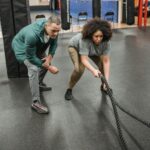
Battle ropes aren’t typically associated with tricep workouts, but they’re killers for endurance and strength. When done correctly, they get your heart rate up and engage the triceps. Wave exercises target endurance, while slamming ropes build explosive power. They’re a perfect tool for a dynamic and comprehensive workout.

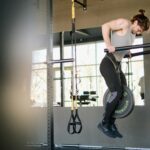
Dip bars are as classic as they come, providing a direct route to tricep mass and strength. Bodyweight dips are highly effective, and you can add variations by altering your grip width or adding weight with a belt. It’s all about challenging yourself to push further, no pun intended.

Most people are already familiar with benches, but using them correctly in tricep workouts is key. They’re perfect for exercises like bench dips or close-grip presses. Good form and the proper bench height can amplify your workout, targeting the triceps more effectively with less strain on other areas.

Choosing the Right Equipment for Your Tricep Goal: Tailoring to Individual Needs

Whether setting up a home gym or curating the perfect facility, picking the right tricep equipment means knowing your goals and limits. Space, budget, and your fitness level greatly influence your decision. Here’s what to consider before getting your gear.

For those just starting out, keeping things simple and cost-effective is key. Dumbbells and resistance bands are great starters and won’t break the bank. They’re also portable, which is awesome if you’re tight on space or like varying your workout setting.

Once you’re more comfortable and looking to up your game, exploring multifunctional machines like cable machines or TRX systems is a good call. They offer diverse workouts without requiring too much real estate. They provide room for rules, ensuring you’re always progressing without hitting that dreaded plateau.

If you’re a seasoned pro, investing in more advanced equipment, such as a Smith machine or a full rack set with adjustable benches, can help keep your workouts challenging. These machines allow for heavier lifting and more complex exercise routines.

Safety shouldn’t be an afterthought. Knowing how to use each piece of equipment correctly is essential to avoid unnecessary injury. If you’re trying something new, consider consulting with a trainer or seeking guidance from reputable sources. 

Beginner’s Guide To Great Tricep Workouts At Home

The tricep muscle, found at the back of your upper arm, isn’t just there to fill out your T-shirt sleeves. It is vital for facilitating countless everyday movements. Learning about the anatomy of this muscle can help simplify your workout choices and ensure you target it effectively.

The triceps comprise three parts or ‘heads’: the long head, lateral head, and medial head. Each one of these heads contributes differently to various arm functions. For instance, when you straighten your arm or push something away, your triceps kick in to help.

Developing strong triceps enhances your physique and significantly boosts your performance across a range of exercises. Investing in your triceps pays off in both aesthetics and functionality. They support muscles in the shoulder and chest, providing the needed power for movements like pushing or lifting overhead. Thus, when you invest in your tricep workouts, you also invest in your overall strength and fitness.

Many folks mistake working the triceps for being less crucial than the biceps. However, it’s good to remember that the triceps make up a more significant portion of your upper arm. So, working on them ensures balanced arm strength. This balance isn’t just about aesthetics; it prevents injury and enhances functionality in physical activities.

Essential Equipment for Home Tricep Workouts

Working out at home offers a convenience that’s hard to beat. You can fit exercise sessions around your schedule without hitting the gym, saving time and money.

Setting up a simple home workout space doesn’t require a fortune. A few budget-friendly items can significantly enhance your tricep workout. Consider investing in resistance bands. They’re versatile, portable, and perfect for firing up those tricep muscles. A pair of dumbbells can also get you far. Adjustable dumbbells are convenient, offering various weight options in one compact form.

If you’re not looking to invest, look around your home for makeshift weights. Water bottles or books can add resistance when you need it. Push-up bars or chairs can support different tricep exercises, adding diversity to your routine without costing a penny.

Creating a designated workout area at home can boost your motivation. You don’t need much space – just enough room for a yoga mat or a comfortable spot on a carpet. Having a set space helps keep you in the mindset and ready to work out at any moment.

Top Tricep Exercises You Can Do at Home

Bodyweight exercises are the perfect starting point if you’re new to working out or don’t have equipment. Simple moves like tricep dips using a sturdy chair or diamond push-ups can get those muscles working. These exercises rely on your body weight to provide the resistance needed for an effective workout.

If you have resistance bands in your home gym arsenal, you’re in luck. These bands can add a challenging layer to your tricep workouts. Try exercises like tricep extensions or kickbacks with the bands. They offer flexibility in resistance levels, making them ideal for beginners and seasoned fitness enthusiasts.

Dumbbell workouts are another excellent way to target the tricep muscles. Start with exercises like tricep overhead extensions and bench tricep kickbacks. These moves isolate the tricep muscle, focusing the effort directly where it is meant to tone and strengthen.

Putting a plan together can seem daunting, but it’s really about consistency and progression. Combining these exercises, tailored to your fitness level, can create a solid routine. Think about alternating between bodyweight, band, and dumbbell exercises throughout the week to keep things interesting and challenging. Aim for gradual increases in reps or resistance to keep those gains coming.

**Essential Tips for Staying Motivated and Consistent in Your Workout Routine**

1. **Set Compelling Goals**: Define clear and exciting fitness goals that ignite your passion. Having a purpose fuels your commitment and drives your progress.

2. **Establish a Consistent Schedule**: Commit to specific workout times during the week. Treat these appointments as essential to your day, building a strong habit over time.

3. **Choose Enjoyable Activities**: Engage in workouts that you genuinely enjoy, such as cycling, yoga, or kickboxing. When you love what you do, motivation flows naturally.

4. **Monitor Your Progress**: Track your achievements, whether through a fitness app or a journal. Seeing your improvements unfold will inspire you to keep going.

5. **Find an Accountability Partner**: Discussing your experiences with others fosters a sense of responsibility and enhances your motivation.

6. **Incorporate Variety**: Break the monotony by switching up your workouts regularly. Experiment with new exercises or classes to keep your routine exciting and challenging.

7. **Celebrate Achievements**: Set milestones along your fitness journey and reward yourself for reaching them. These incentives will boost your morale and encourage persistence.

8. **Listen to Your Body**: Prioritize your well-being by acknowledging when you need rest. Balancing intensity with recovery helps prevent burnout and keeps you on track.

By embracing these strategies, you’ll stay motivated and develop consistency in your workout routine, paving the way for long-term success.

Keeping up motivation can be one of the most challenging elements of a workout plan, particularly when working out alone at home. Establishing achievable goals can significantly enhance your success and motivation. Start small with clear, achievable targets that boost your confidence as you hit them—it’s about monumental changes and more about steady progress.

Tracking your progress is a visual reminder of how far you’ve come. Whether it’s the increase in reps you can handle or the definition in your triceps, celebrating these small milestones keeps the fire burning.

Proper fueling your body adds another crucial layer to your training. A balanced diet helps muscle recovery and growth, providing the energy you need to stick with your routines. Proper hydration is equally important to keep those muscles functioning optimally.

Being mindful of your body’s needs helps prevent burnout. Incorporating rest days and active recovery, like gentle stretching, supports your overall well-being and sustains your long-term commitment to your fitness journey.

Remember to enjoy and appreciate the journey, not just the destination. Each small victory is worth celebrating and can rejuvenate your enthusiasm, keeping your workout regimen lively and rewarding.

Designing Effective Home Workout Routines With Minimal Equipment

Working out at home with minimal gear might seem like a tough gig at first, but it’s rooted in solid science. Minimalist workouts are all about making the most of your body weight paired with just a few pieces of equipment. This approach offers impressive benefits for your overall fitness without crowding your living room with excess gear.

Calisthenics and bodyweight training tap into your muscles’ natural ability to strengthen through repeated stress. Each push-up, squat, or plank works specific muscle groups; over time, your body adapts by building more strength and endurance. The principle of progressive overload plays a key role here; it’s about consistently upping the challenge by increasing reps, altering angles, or adding resistance. Your muscles and cardiovascular system adjust, leading to marked improvements in fitness.

One perk of minimal equipment workouts is the low barrier to consistency. With fewer excuses to skip a session, you’re more likely to stick to your routine. Consistency is essential since regular exercise encourages adaptations like enhanced muscle tone, improved metabolism, and better mental health. There’s also the convenience factor—being able to work out whenever suits your schedule makes it easier to keep going, rain or shine.

Minimalist workouts also reduce distractions and let you focus more on form and technique. This focus is crucial as it minimizes injury risk and maximizes workout benefits. Ultimately, by understanding these principles and leveraging them in your home workouts, you’re setting yourself up for sustainable fitness success.

Selecting Essential Equipment for a Home Gym

Turning your home into a fitness haven doesn’t mean breaking the bank. Having the right equipment can make all the difference when working out at home. The beauty of home workouts is in their simplicity, and a few key items can help you mimic the range of exercises you’d do at a gym without needing a ton of space.

Resistance bands, for example, are incredibly versatile. You can use resistance bands in different tension levels for various exercises, including strength training and stretching. Dumbbells and kettlebells also pack a punch, providing dynamic resistance that can challenge multiple muscle groups. Start with weights that suit your current fitness level and gradually build up as you gain strength.

Investing in minimal equipment provides more than just physical benefits. It also provides a psychological boost. Dedicated gear can significantly enhance motivation and commitment to your routine. These items signal to your mind that it’s workout time, helping to create a clear distinction between exercise and relaxation spaces at home.

Looking for gear doesn’t have to drain your wallet. Second-hand stores, online marketplaces, or even looking for sales on new equipment can offer budget-friendly options. And if you’re creative, everyday items like water bottles or backpacks filled with books can stand in for fancy equipment. Ultimately, the goal is to build a toolkit that supports your fitness journey, whatever shape that may take.

Structuring Your Workout Routine

Crafting an effective home workout routine requires some planning but pays off big time. Begin by identifying your fitness goals, whether they involve building strength, boosting endurance, or increasing flexibility. These goals will shape your exercise selection and determine how often you engage in them, ensuring that your efforts are effective and aligned with your fitness journey.

Balance is key. To obtain the best outcomes, it’s crucial to integrate a range of exercises that target various muscle groups. Consider dividing your routine into push (like push-ups), pull (such as rows with resistance bands), and core exercises (think planks or sit-ups). It ensures a comprehensive workout that engages multiple areas of your body.

Recovery days are equally essential as days spent exercising. Your body requires time to recover and gain strength, so plan to take at least one or two rest days each week. This downtime doesn’t mean complete inactivity; gentle stretching or light yoga can maintain flexibility without straining tired muscles.

Align your routine with your daily schedule. Consistency trumps intensity, and finding the right time of day to work out increases your chances of sticking to your plan. Consider shorter, more frequent sessions if that fits better into your day. Tailoring your exercise regimen to suit your lifestyle and fitness objectives will increase your chances of seeing progress without burning out.

Motivation and Mindset: Staying Committed to Your Routine

Getting into a groove with home workouts requires mental stamina and a few tricks. First, setting realistic, achievable goals is crucial. Whether you’re aiming to hold a plank for an extra minute or add another set to your squats, marking these small victories can keep motivation high.

Progress tracking can be your best friend here. Seeing tangible improvements, like increased reps or better form, reinforces your commitment and helps set new targets. This visible progress often fuels a positive cycle of motivation.

Of course, challenges pop up, from simply not feeling like exercising to more serious lulls in enthusiasm. On those days, remind yourself of the benefits you’re working towards, like better health and a boosted mood. Mix your routine with new exercises or try a workout playlist to reignite your drive.

Creating a dedicated workout space at home can help establish a routine. A favorite corner isn’t merely functional but serves as a reminder and inspiration to keep at it. Plus, staying connected with a community through online groups or fitness apps helps you share achievements and find accountability buddies. There’s strength in numbers, even if they’re virtual.

Managing Severe Delayed Onset Muscle Soreness After Weightlifting

Delayed-onset muscle Soreness (DOMS) is the discomfort and tightness you may experience a day or two following exercise, especially after weightlifting. It’s a sign that your muscles are adapting to new stresses and strains, which is good in the long run but can be seriously uncomfortable in the short term.

DOMS kicks in when you push your muscles beyond their usual capacity, often after activities involving a new level of intensity or unfamiliar movements. Microscopic tears in muscle fibers are the culprits behind this soreness. As those muscles repair and grow stronger, you experience that ache.

Recognizing symptoms of severe DOMS isn’t too tricky—think tenderness, swelling, reduced range of motion, and muscle weakness. In extreme cases, you might struggle to carry out daily activities without wincing.

It’s crucial to distinguish between the usual soreness that everyone talks about and chronic issues that could signal an injury. While muscle soreness should ease up after a few days, persistent discomfort may need more attention. Understanding this balance helps you manage your fitness journey more effectively.

Prevention Strategies: Reducing the Risk of Severe DOMS

Having a brilliant game plan before hitting the weights can seriously cut down the chances of severe DOMS. Warming up is your first line of defense. A solid warm-up routine gets your blood pumping, increases muscle flexibility, and preps your body for what’s coming.

Dynamic stretching and mobility exercises are key players here. Dynamic stretches involve movement, whereas static stretches require holding a position. They are essential for enhancing your range of motion and significantly reducing muscle soreness afterward.

When it comes to lifting, balance and patience are your best friends. Start with weights you can manage and gradually increase the ante. Rapid increases in intensity or weight can catch your muscles off guard, leading to more soreness.

Hydration and nutrition play significant roles, too. Muscles need water and the proper nutrients to perform and recover efficiently. Maintaining adequate hydration is crucial for detoxifying your body and enhancing muscle performance, while a balanced diet ensures you receive the vital vitamins and minerals your body needs to thrive.

These strategies not only help avoid soreness but also improve overall performance. Prioritizing these elements in your routine can make your weightlifting journey more enjoyable and sustainable.

Effective Remedies for Managing Severe DOMS Post-Workout

Once the soreness kicks in, knowing how to manage it can make a big difference. Active recovery is a great option. Light activities like walking or cycling can keep blood flow steady, which helps speed up the healing process.

Many folks swear by ice baths, compression gear, and good old massages to combat soreness. These methods can significantly reduce inflammation and effectively relieve pain, enhancing overall well-being. It’s like giving your muscles a refreshing timeout that helps them bounce back faster.

Over-the-counter pain relievers can offer some relief for those tough days when soreness just won’t quit. Anti-inflammatory meds can help minimize swelling and pain, but use them wisely to avoid over-relying on them.

Exploring alternative remedies can also be worth it. Aromatherapy with essential oils or even acupressure can provide soothing effects. Sometimes these less conventional methods offer a surprising amount of relief and relaxation.

While these remedies offer relief, remember they’re part of a broader approach. It’s about treating your body with care and attention as it adapts to the stresses of weightlifting.

Long-term Solutions: Planning for Sustainable Muscle Health

Building a strong foundation for muscle health goes beyond immediate relief. Creating a tailored strength and conditioning plan can help prevent severe DOMS. Balancing heavy lifting with flexibility and endurance exercises keeps your muscles well-rounded and more resilient.

Don’t overlook the importance of rest days. To build strength, your muscles need adequate time to recover and repair. Giving them this essential recovery period is crucial for optimal growth and performance. Prioritizing proper sleep is also key since it’s when your body’s recovery magic happens. Giving yourself enough downtime isn’t a weakness—it’s a crucial part of training.

What you eat has a profound influence on your overall health and well-being. Emphasizing a nutrition plan that aids muscle recovery—rich in protein, healthy fats, and carbohydrates—delivers the essential nutrients your muscles require for repair and growth. Incorporating nutrients like omega-3 fatty acids and antioxidants into your diet can significantly reduce inflammation, promoting a quicker and more efficient recovery.

Keep an eye on how your body responds to workouts, and don’t hesitate to seek professional guidance when things feel off. A trained physical therapist or sports medicine expert can offer tailored advice, helping you adjust your regimen to avoid chronic soreness or injury. Building a sustainable relationship with weightlifting is about combining these long-term strategies with short-term fixes to keep your muscles in peak condition.

Signs Of Overtraining And Recovery Techniques

Overtraining is like driving with the pedal to the metal without any breaks. When one is not adequately managed, the balance between intense physical activity and necessary rest and recovery is disrupted. What’s tricky is that everyone has different thresholds. Recognizing overtraining early can save your body a lot of trouble.

You might think tiredness affects just your body, but mental fatigue often swoops under the radar. It’s like your mind’s lights are dimming, making everything feel harder. Understanding this aspect is just as important as physical clues.

Listening to your body sounds simple, but we often overlook it in the quest for fitness goals. Those little aches or constant fatigue aren’t just bumps in the road. They’re signals your body is sending to pump the brakes.

The ambition for fitness is great, but the body is not a machine. There’s a sweet spot between pushing limits and taking proper care; finding it requires patience and self-awareness. It’s all about knowing when to go and when to ease up.

Unmasking Common Signs of Overtraining

Have you ever felt like you’re hitting the gym regularly, yet your energy is just tanking? It’s more common than you think. Overtraining often starts with a glaring lack of motivation. That once exciting workout routine feels like dragging yourself through mud.

Performance not measuring up despite all that effort? It might be a sign of plateau or decline. If your gains vanish or your times worsen, it’s time to pay attention. Training harder sometimes isn’t the solution—too much push can pull you back.

An increased risk of injury is like the body’s alarm system. If recurring soreness or, worse, minor injuries keep cropping up, it’s not just bad luck. It could be a sign that your body’s crying out for a break.

Sleep is another major player here. Tossing and turning at night or struggling to wake up refreshed might indicate overtraining. Quality rest is the body’s chance to repair and build strength—interrupting this can throw everything off.

Then there’s mood. Irritable? Feeling down for no apparent reason? Those emotional swings might not just be from stress at work. If you’re not mentally there, it’s time to rethink your routine.

Strategic Recovery Techniques: Finding Your Zen

Rest days aren’t just an option; they’re essential to any effective fitness routine. These are the days your muscles get to repair, grow, and strengthen. Think of it as hitting the reset button, allowing your body to bounce back even stronger.

What you eat and drink can either boost or bust your recovery efforts. Proper nutrition means getting enough protein for muscle repair and staying hydrated to keep everything running smoothly. Fueling your body right can significantly affect how quickly and efficiently you recover.

Mindfulness and meditation are powerful tools. They help manage stress and improve mental resilience, which are crucial when dealing with overtraining. Allocating a few minutes daily to practice mindfulness can help soothe the mind and enhance physical healing.

Not all rest has to be passive. Active recovery, like light yoga or a gentle swim, keeps the body moving without the intensity of regular training. It boosts circulation, relieves muscle tension, and can be adapted to meet your individual recovery requirements.

Never underestimate the power of a good night’s sleep. Optimizing sleep isn’t just about quantity but also quality. Developing a consistent bedtime routine and a soothing atmosphere can significantly improve recovery. It’s where much of the magic happens, helping refresh body and mind.

Crafting a Balanced Workout Routine to Prevent Overtraining

Periodization is key to creating a workout plan that respects your body’s limits. This strategy focuses on varying your training intensity throughout your regimen, allowing you to maximize your results by pairing demanding workouts with lighter recovery sessions. It helps avoid burnout and promotes sustained progress.

Restorative practices like yoga or stretching aren’t just for flexibility junkies. They can be incredibly helpful in maintaining balance and preventing overtraining. Adding these into your routine can enhance recovery and improve overall performance.

Tracking your progress with wearables and tech is not just for data nerds. Enhancing your performance tracking is essential. By diligently monitoring your progress, you can reveal significant trends, spot any early signs of overtraining, and modify your workouts to achieve the best possible results. It’s about keeping the workouts effective without crossing into the danger zones.

Cross-training is excellent for developing diverse strength while avoiding repetitive strain on specific muscle groups. Mixing up exercises can reduce the risk of overtraining while keeping things fresh and engaging.

Seeking advice from specialists on training strategies and methods can offer valuable insights and personalized guidance tailored to your specific requirements. Professional help ensures your ambitious goals don’t come at the cost of overtraining, keeping your fitness journey healthy and sustainable.