https://weightliftingforpower.com/kettlebell-swings-and-their-impact-on-abdominal-muscles/
Kettlebell swings have become a favorite in gym routines because they deliver core strength and conditioning. These exercises might look simple with their back-and-forth motion, but they work wonders on your body. The trick lies in the hip hinge, a fundamental movement that powers the swing and engages the core, making it a potent exercise for building strength.During a kettlebell swing, many muscles get involved, making it a full-body workout. Your glutes and hamstrings drive the movement, while your shoulders and lats stabilize the kettlebell’s arc. The real magic happens in the core. Your abdominal muscles work to stabilize your pelvis and maintain balance throughout the swing. This continuous engagement strengthens and sculpts the abs over time.
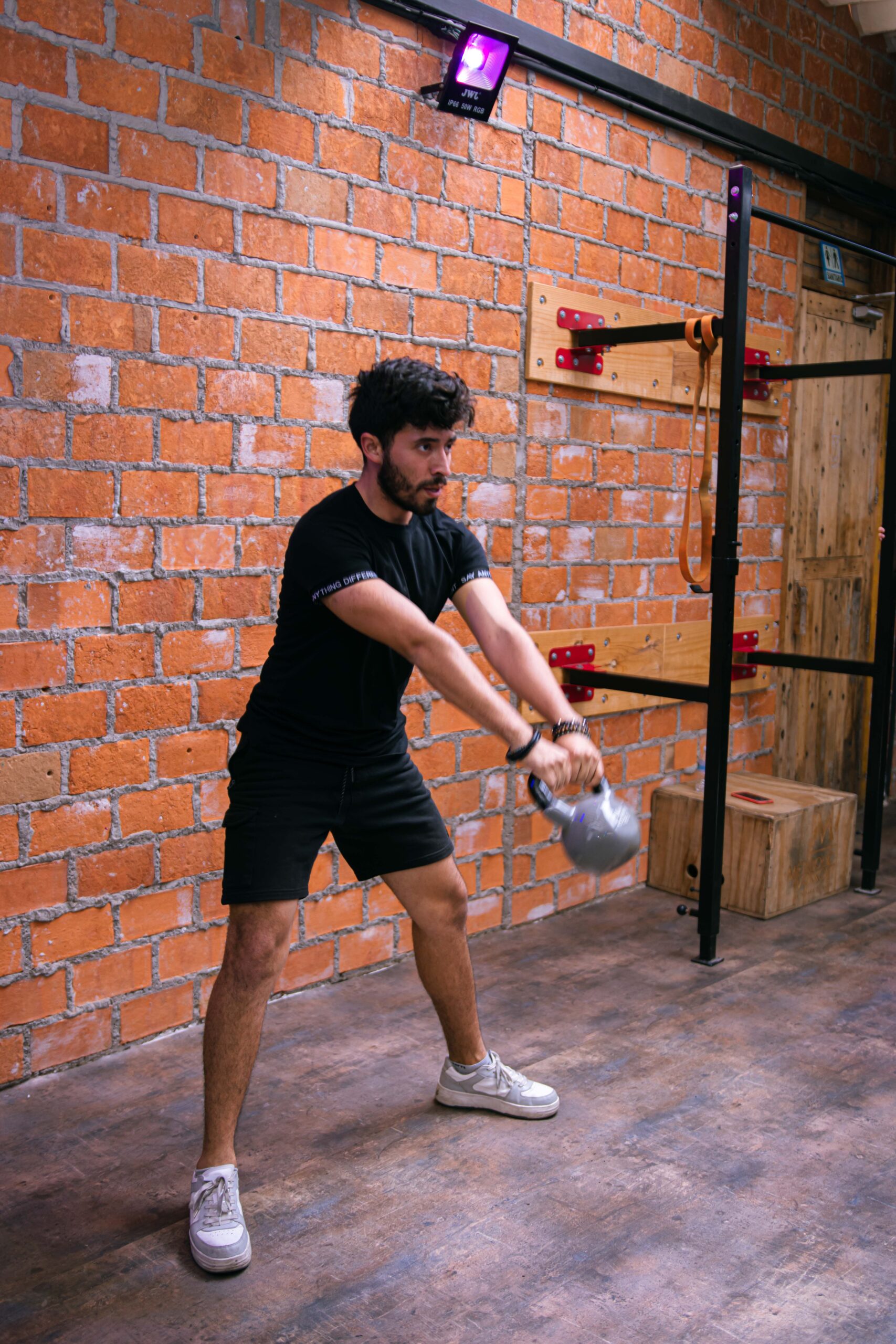
The beauty of kettlebell swings is how they naturally weave core strength into the routine. Unlike traditional crunches that isolate the abs, swinging a kettlebell conditions the entire body, providing a more functional form of fitness. You’re not just building a six-pack; you’re fortifying your entire midsection, which supports better movement and reduces injury risk during other activities.When done correctly, kettlebell swings improve posture and performance in the gym and daily life.
A strong core stabilizes the spine, making it easier to lift, twist, and bend without straining the back. Over time, you may notice improvements in how you move and carry yourself every day. Regular practice of kettlebell swings can set you on the path to achieving not just fitness goals but a more functional and resilient body.
Scientific Insights: The Impact on Abdominal Muscles
Kettlebell swings don’t just feel effective; there’s science behind their benefits on abdominal muscles. When you swing that kettlebell, you’re engaging different muscle groups. The abdominals, including the deep-lying transverse abdominis and the stronger rectus abdominis, actively work to stabilize your body. This engagement helps define and strengthen your core, setting the stage for those enviable abs.Research supports the effectiveness of kettlebell swings, showing a substantial impact on the core. Several studies reveal that performing kettlebell exercises can lead to significant improvements in muscle endurance and strength, particularly in the abdominal region.

These workouts mimic real-life tasks more than traditional sit-ups or crunches, promoting more balanced muscle development.It’s interesting to see how kettlebell exercises stack up against conventional abdominal workouts. While traditional exercises target the front of your midsection, kettlebell swings offer a more comprehensive workout engaging various muscles simultaneously. This all-around involvement can lead to better results in less time, which is a major win for those on tight schedules.Hearing firsthand accounts can be inspiring when you’re after real results. Many fitness devotees share how incorporating kettlebell swings into their routines led to stronger, more defined abs. These transformations underscore what science corroborates: kettlebell swings are not only effective but also efficient in building a stronger core.
Mastering the Technique: Performing Kettlebell Swings Safely
Getting the hang of kettlebell swings is crucial for safety and effectiveness. Start with a solid stance. Position your feet shoulder-width apart with the kettlebell between them. Bend your knees slightly and hinge at your hips, keeping your back straight, to grab the kettlebell’s handle. This setup is key to keeping the movement controlled and avoiding injury., not your arms, to drive the kettlebell. As you swing upward, snap your hips forward while squeezing your glutes. Your arms should remain straight as they guide the kettlebell to about shoulder height.
This transfer of energy from lower to upper body is what makes the swing such a highly effective exercise.Be aware of common pitfalls like relying too much on your arms or not engaging your core. These mistakes can cause inefficiencies and injuries. Focus on using your core to stabilize and control the motion. This enhances the workout’s effectiveness and protects your back from strain.Breathing is more than just in and out during kettlebell swings. Exhale sharply as you lift the kettlebell and inhale as it comes down.
This rhythm supports power generation and keeps your core engaged. Cultivating this breathing pattern optimizes your performance and maintains energy throughout your workout.Safety should never be overlooked, especially if you’re new to kettlebells. Start with a lighter weight to hone your form. Choose a kettlebell with a textured handle for better grip and control. Practice in front of a mirror or with a trainer to ensure your technique is correct. Over time, you can increase the weight safely, enhancing core benefits without compromising form.
Designing a Workout Plan: Integrating Kettlebell Swings for Maximum Core Gains
Crafting a workout plan that includes kettlebell swings can boost your fitness journey. These workouts can suit various fitness levels and goals, making them a versatile addition to any routine. Start by including kettlebell swings two to three times a week, allowing your muscles time to rest and recover to grow stronger.Creating a balanced routine involves mixing kettlebell swings with other exercises to maximize core development. Combine swings with planks, deadlifts, and Russian twists to engage different core muscles and boost overall strength. This variety challenges your body and keeps workouts fresh and exciting.For those looking to up the ante, gradually increase the weight of your kettlebells.

Progressive overload, or increasing workout intensity, is key to continuing gains in strength and definition. Monitor your progress and ensure form remains correct as weight increases to prevent injuries.Setting realistic goals guides your progress and keeps motivation high. Whether increasing reps or adding weight, tracking milestones helps maintain focus and celebrate achievements. Integrating kettlebell swings into your routine leads to a stronger core and enhanced overall fitness. With commitment and proper planning, results will follow.
