https://weightliftingforpower.com/how-to-perform-the-perfect-plank-for-maximum-abdominal-strength/
How To Perform The Perfect Plank
A plank is a simple and effective exercise that mainly builds core strength. It’s a common part of many fitness routines because it works the whole core, including the rectus abdominis, obliques, and transverse abdominis. Besides strengthening your core, planks also help improve posture, balance, and stability.The plank started in military training because it’s simple and works well. You don’t need any equipment, so anyone can do it at home or in the gym. This exercise has lasted over time because it’s easy to do and great for building core strength.
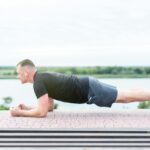

When you do a plank, you work more than just your abs. Your shoulders, arms, and glutes also help keep your body straight from head to heels. This makes the plank a well-rounded exercise that helps condition your whole body.Planking has many benefits. Besides making your core stronger, it also improves your balance and flexibility. It can even help prevent back injuries by strengthening the muscles around your spine. For such a simple move, it really does a lot.
Correct Form and Technique: How to Execute a Perfect Plank

Getting the right form in a plank is important for maximizing the exercise and avoiding injury. Begin by lying face down with your forearms and toes on the floor. Keep your elbows under your shoulders and your body straight from head to heels.A common mistake is letting your hips drop or lift too high. Keeping them in line with your body helps your core muscles work evenly. Focus on tightening your abs by pulling your belly button toward your spine. Try to keep your body as straight as possible, since this position builds strength and stability.
Breathing is important when holding a plank. It’s easy to forget, but steady, controlled breaths help you hold the position longer and keep your muscles working well. Exhale as you hold and tighten your core with each breath to make time pass faster.Paying attention to your form matters more than how long you hold the plank. When you get tired, your form can slip and cause strain.
Focus on doing the exercise well, not just for a long time, so every second counts.If you feel discomfort in your lower back or shoulders, adjust your posture or take a short break before trying again. Start with short holds and slowly build your strength. Good planking not only strengthens your abs but also gives you confidence that you’re exercising the right way.
Plank Variations: Improving Your Core Workout
After you’ve mastered the basic plank, trying different versions can make your routine more interesting and work new muscles. These variations could be a little harder or much more challenging, so there’s something for everyone.The side plank is a great way to work your obliques more. When you stack your feet and lift your hips to the side, you strengthen your core and improve side-to-side stability.
Some people find the forearm plank easier on the wrists, but it makes your core work harder, making it a good subsequent step after the basic plank.If you want a bigger challenge, try advanced moves like the one-arm plank or planks with leg lifts. These exercises make your core work harder and also increase the effort for your shoulders and legs by testing your balance.
You can use equipment to make your plank workouts harder. For example, a stability ball makes your core work more to keep you steady. Using sliders under your feet adds movement to the plank, making it tougher and working more muscles.Changing these plank variations to align with your fitness goals can help you make significant improvements. Whether you want to hold a plank longer or try new movements, changing things up keeps your routine interesting and helps you build the strengths you want. Keep trying different options to see what works best for you.
Building a Plank Routine: Maximizing Abdominal Strength
Adding planks to your daily workouts can really boost your core strength and overall fitness. Having a plan helps you track your progress and stay motivated as you start to see results.Begin with short plank holds, around 10 to 20 seconds, especially if you’re new. Take your time and build up slowly. As you get stronger and your form improves, try holding longer or adding harder variations to keep your workouts effective and fun.Combine planks with other exercises like leg raises or Russian twists to make your core even stronger.
This way, you work all parts of your midsection without spending hours exercising.Staying consistent is important. Make planks a regular part of your workouts along with other basic exercises. Give your muscles time to recover by mixing hard plank sessions with lighter workouts, so they can get stronger over time.
Watch your progress as you go. Whether you hold a plank longer or try harder versions, every small win matters. Many people feel encouraged when they see how much stronger they get after weeks or months of steady effort. Real stories often show how much planking can change your fitness.Remember, success is not only about reaching your goal but also about every step you take to get there. Let your daily progress motivate you, and celebrate each improvement along the way.