https://weightliftingforpower.com/using-core-stability-to-prevent-injuries/
Using Core Stability To Prevent Injuries
Core stability is the foundation of your body’s overall strength and balance because it involves maintaining your core’s position and movement; this doesn’t simply mean having a six-pack, but rather that your deep abdominal muscles work together as a unit. A stable core matters far beyond appearance because it is essential for performing everyday actions efficiently and safely. Whether you are lifting a heavy box or getting up from a chair, a strong core supports your movements and lessens the strain on your spine and limbs.
As a result, the joints and muscles suffer less wear and tear, and injuries are avoided. Scientific studies point out the importance of core stability in preventing injuries; they show that a strong core aids in distributing the forces of impact, which in turn reduces the stress placed on any one part of the body, and by making sure that the body’s energy moves smoothly when moving, the chance of strains and falls is decreased.
The transverse abdominis and rectus abdominis, along with the pelvic floor and diaphragm, form a strong core network that stabilizes the pelvis and spine, providing a firm base for movement while improving alignment and lowering injury risk. Therefore, using core stability to prevent injuries is crucial.
The Connection Between Core Stability and Common Injuries
A weak core is a common cause of many injuries, especially in the musculoskeletal system. It’s not only athletes who suffer; anyone with weak core muscles can experience these problems during everyday activities. When the core is weak, the rest of the body usually has to make up the difference, which can cause strains or injuries in places such as the back or knees; lower back pain is a common example, since it results from an inability to support the spine properly when moving. Knee injuries are also a common problem.
If you don’t have strong core muscles to maintain your stability, your knees may have to cope with stress for which they were not intended. As a result, you could end up with conditions like patellar tendonitis or, in some cases, more serious ACL injuries. There are plenty of real-life examples, particularly in the field of sports. Many athletes have improved their performance and experienced fewer injuries by focusing on building their cores.
The accounts of people who have returned from injury stronger by developing a more stable core are not only inspiring but also informative. Health professionals often stress the importance of preventing injury by strengthening the core. Because they have seen firsthand how essential a stable core is in reducing some injuries, many people can live more active lives while also being less prone to injury.
Understanding the role of the core in overall body mechanics emphasizes the significance of using core stability to prevent injuries. This approach can transform how individuals engage in physical activities and reduce the likelihood of injury.
Core Stability Exercises: Strengthening Your Injury Defense
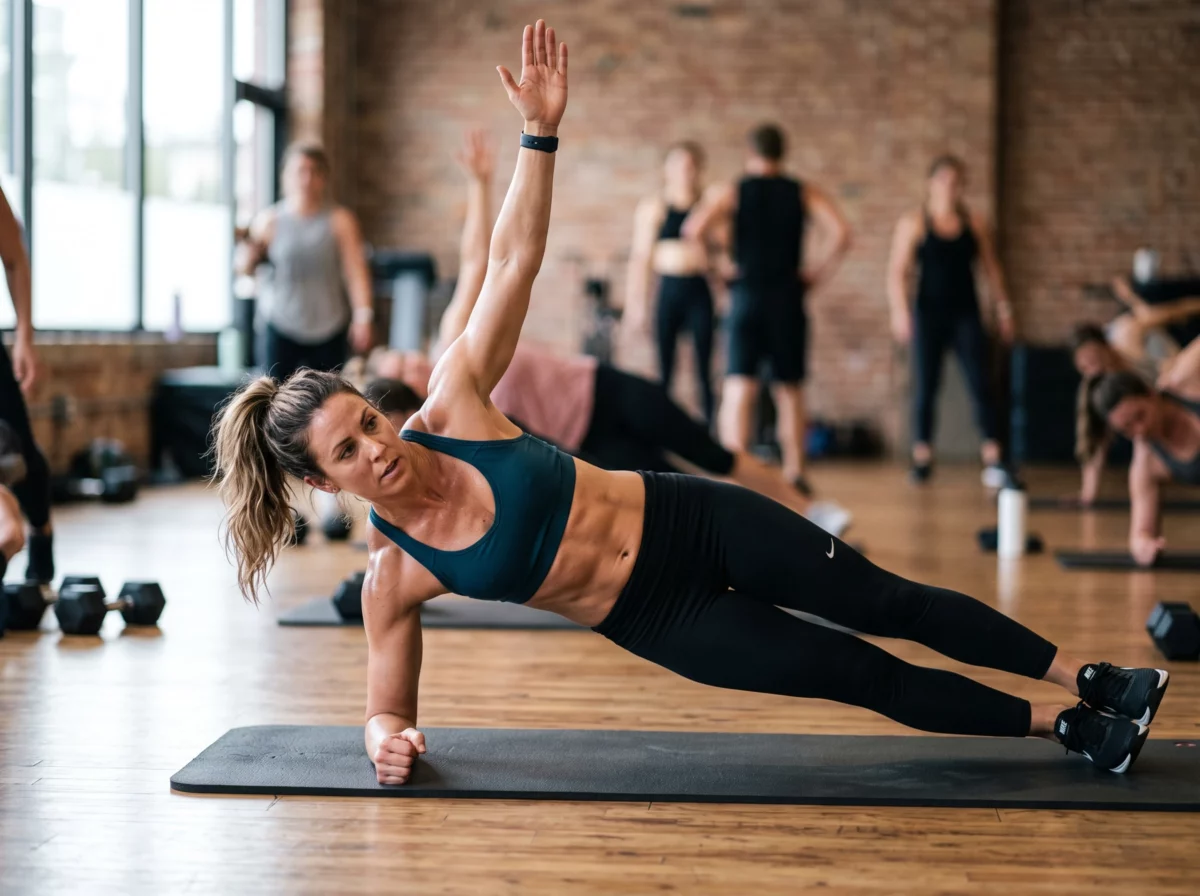
It’s more about activating the right muscles than putting in a lot of effort to build a stable core. You don’t need special gym equipment or much time to start core exercises. Simple exercises, done with the right technique, can produce amazing results. Effective exercises to add are planks, bridges, and side planks. They strengthen the major muscles and suit all fitness levels.
They help improve your core’s endurance, strength, and total stability. The plank is fairly simple—place your forearms on the ground, position your elbows directly under your shoulders, and lift your body so you form a straight line from your head to your heels. Hold this position for thirty seconds to a minute, keeping your core engaged. When you become stronger, increase the duration.
Get the technique right with basic exercises, since incorrect form can cause injury and cancel out the benefits you are trying to achieve. Always brace your core, breathe evenly, and avoid straining your neck or back.You may be unsure whether to do bodyweight exercises or use equipment. While equipment offers more variety and resistance, bodyweight exercises let you do them anywhere. Choose the option that suits your preference, but start with the fundamentals to build a strong base.
Building Your Personalized Core Stability Plan: Moving Toward a Safer Future
The best way to get the most out of your efforts is to create a core stability program suited to your individual needs. First, evaluate your current fitness level and clarify your goals, such as improving posture, relieving pain, or boosting athletic performance. A well-balanced core routine should include a variety of exercises that target different core muscle groups.
To ensure you work all the important muscles effectively, vary the exercises. This variety may include a combination of static exercises, such as planks, and dynamic ones, such as Russian twists. You can track your progress by setting benchmarks or weekly objectives; noticing even small improvements can boost your motivation and help you stay committed.
Also, regularly reviewing your progress helps you make the necessary adjustments to your plan. Including core strength exercises in your daily activities can make a big difference to your functional fitness. When you walk, lift things, or sit at your desk, make an effort to engage your core. This conscious activation will help improve your stability and assistance throughout the day. When you’re just beginning, expert advice is very valuable.
You might do well to hire a personal trainer or physiotherapist who can give you specific advice and help you improve your technique. Many online resources provide video tutorials and apps to guide you through your routines. It can be difficult to stay motivated, but if you set specific goals and praise yourself each time you take a step forward, you’ll maintain your momentum. Since forming a habit is a gradual process, be patient with yourself as you move toward a more secure, more stable future.