The Benefits Of Regular Stretching For Flexibility

Flexibility isn’t just about touching your toes or doing the splits; it’s pivotal to maintaining an active, healthy lifestyle. When I talk about flexibility, I mean the ability of your muscles and joints to move through their full range of motion without restrictions. This capability affects almost everything we do physically, from walking to playing sports, and even how we sit at our desks.Many folks overlook flexibility, thinking it’s only necessary for gymnasts or yogis. But it’s essential for everyone, regardless of age or physical ability. Proper flexibility enhances your balance, strength, and endurance. For example, if your muscles are flexible, you’re more likely to perform better in various physical activities while reducing the risk of injuries.Some people think flexibility decreases naturally as we age and there’s nothing to be done about it. That’s a common misconception. While our muscles and joints tend to stiffen over time, regular stretching can help maintain or even improve flexibility at any age. This means fewer aches and pains as we grow older and makes everyday movements smoother and more comfortable.Think about all the daily activities that call for flexibility—tying your shoes, reaching for something on a high shelf, or getting in and out of a car. Incorporating stretching into your routine makes these tasks easier and helps prevent injury. By working on flexibility now, you’re investing in your long-term wellness and ensuring a better quality of life for years to come.

The Science Behind Stretching: How Regular Stretching Improves Flexibility

When it comes to stretching, it’s not just about feeling good; there’s real science behind its benefits. Stretching affects your muscles and joints on a physiological level, enhancing your mobility. When you stretch, you’re elongating your muscles, which improves pliability and reduces the risk of muscle tears during physical activity.Now, let’s talk about dynamic versus static stretching. Each has its own benefits. Dynamic stretching involves moving parts of your body in a controlled manner, gradually increasing range of motion or speed. It’s great for warming up your muscles before a workout because it mimics the movements you’ll be doing. Static stretching involves stretching a muscle to its full range of motion and holding the stretch. This helps improve muscle length and should usually be done after exercise or when you’re warm.Regular stretching supports muscle relaxation and helps alleviate tightness, improving your range of motion. Imagine your muscles are like rubber bands. If they’re tight, sudden movement can cause them to snap, but regular stretching keeps them loose and adaptable.Another benefit is increased blood flow. When you stretch, you stimulate circulation, which carries more oxygen and nutrients to your muscles, promoting faster recovery and less soreness after hitting the gym or being active.It’s clear that incorporating stretching into your routine isn’t just an optional add-on; it’s a fundamental component that can make a significant difference in how you move through the world. It’s about more than flexibility; it’s about optimizing your body’s potential.

Practical Steps for Incorporating Stretching into Your Routine

Crafting your own stretching routine can seem daunting, but it’s about simplicity and consistency. One of the best starting points is to set aside a specific time each day. You might prefer mornings to kickstart your day or evenings to unwind. Life can get hectic, so the key is to make stretching part of something you already do daily—like after brushing your teeth or before watching TV.For beginners, focus on major muscle groups like your calves, thighs, hips, lower back, neck, and shoulders. Hold each stretch for about 15 to 30 seconds. You don’t have to be super flexible right away; progress will come. The idea is to stretch to the point where you feel tension but not pain.Timing matters too. Stretching isn’t one-size-fits-all, so listen to your body to find what works best. Some folks find stretching before a workout helps loosen them up. Others prefer post-workout to aid recovery. Each has its benefits, so try both to see what feels good.There are loads of techniques out there, from basic static and dynamic stretches to more advanced practices like yoga. Experiment with exercises that target the specific areas you’re keen to improve.Motivation can be tricky, but try setting small goals. Over time, as you feel the benefits, it becomes more natural. Throw on some music or stretch while watching your favorite show—it can make things enjoyable and help you stick with it long-term.

Looking Ahead: Sustainability and Progression in Stretching Practices

As you incorporate stretching into your daily life, it’s important to keep track of your progress. By noting improvements in your flexibility over time, you can adapt your routine to keep challenging yourself. Whether it’s bending deeper or stretching longer, these achievements motivate you to keep going.Including lifestyle changes, such as adding yoga or Pilates to your weekly routine, can further complement your stretching efforts and contribute to a sustainable practice. These activities offer structured ways to engage your body through a range of movements that enhance flexibility and overall fitness.Don’t be discouraged if you encounter setbacks. Over-stretching is a common pitfall for beginners and can lead to discomfort or injury. Listen to your body and back off if something doesn’t feel right. A slow and controlled approach will always serve you well.Embracing flexibility isn’t just a short-term goal—it’s a lifelong journey. As you get older, maintaining this commitment can have significant benefits for both your physical and mental health. It’s about laying the groundwork now for a healthier, more active future. Every stretch you do is a step toward prolonged well-being, making daily tasks easier and enhancing your overall quality of life.
Leave a Reply

Your email address will not be published. Required fields are marked *

The Benefits Of Regular Stretching For Flexibility Now

https://weightliftingforpower.com/the-benefits-of-regular-stretching-for-flexibility/exercise-for-strength/admin/

The Benefits Of Regular Stretching For Flexibility Now

Table of Contents

Unlocking the Power of Flexibility: Why Stretching Deserves Your Attention

Stretching Flexibility extends beyond the physical ability to touch toes or do splits. Good Flexibility Stretching allows us to perform daily activities efficiently, such as bending down to tie our shoes or reaching for something on a high shelf. It also plays a significant role in various physical activities, including sports, exercise, and simple movements like walking or running.

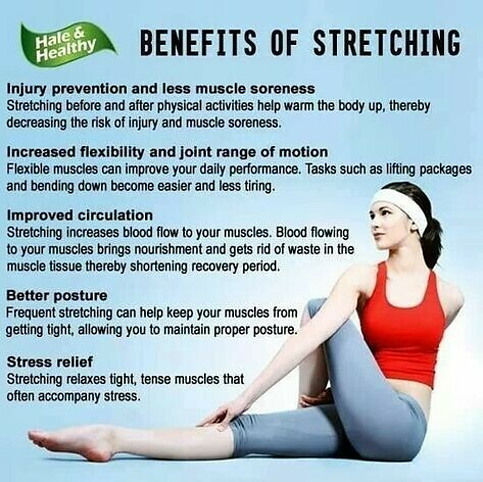
Tight muscles can cause poor posture and musculoskeletal issues. By incorporating regular stretching exercises into our routine, we can lengthen and loosen these muscles, promoting better posture and reducing the strain on our joints.

Flexibility is a critical player in preventing injuries. When our muscles are flexible, they’re less prone to strain or tear during physical activities. Stretching before and after exercise warms the muscles, boosts their elasticity, and lowers the risk of injuries. Plus, keeping up with Flexibility can help ease muscle soreness and stiffness post-workout.

When we stretch, we are lengthening our muscle mass and tendons. This elongation causes the muscle fibers to lengthen, allowing for increased Flexibility. The primary purpose of Stretching is to increase adaptability and variety of movement, allowing us to relocate better and with less pain.

Static Stretching is an extending workout in which you hold a stretch in a fixed setting for an extensive duration, typically around 30 seconds. This kind of Stretching is commonly executed after a workout to help cool the muscles. On the other hand, vibrant Stretching includes relocating parts of your body via a complete variety of motion. Dynamic stretches are typically used in a workout routine to prepare the muscular tissues for exercise.

Muscle Mass Elasticity and Stretch Reflex

Muscles are composed of little fibers that can contract and kick back. These muscular tissue fibers activate a stretch response when we extend and respond. This reflex is an automated feedback that causes the muscle to contract to secure itself from overstretching.

The stretch response is by specialized sensory receptors called muscle pins. These receptors are sensitive to modifications in muscular tissue length and price of change. When a muscular tissue rapidly or beyond its regular variety, the spindles send signals to the spine cord, which then sends signals back to the muscle mass, creating agreement.

The Benefits of Stretching

Stretching offers a series of advantages beyond just improving versatility. It can enhance blood circulation to the muscular tissues, helping with the transportation of nutrients and the elimination of waste, and, additionally, extending aids in fixing stance by lengthening tense muscular tissues that may cause misalignment in the body.

The function of Stretching is to reduce muscle mass discomfort after exercising and lessen the possibility of getting injured. By enhancing the versatility of our muscles and ligaments, we can move with more liberty and much less trouble, which decreases the pressure on our joints and decreases the chance of experiencing sprains or pressures.

Overcoming common myths about Stretching and Flexibility

Myth: Stretching before exercise prevents injuries

It is a common misconception that stretching before exercise is necessary to avoid injury. Research has shown that static Stretching, which involves holding a particular position for a prolonged period, can decrease muscle strength and overall performance. Stretching helps increase blood flow, raise body temperature, and prepare the muscles for physical activity.

Myth: Stretching makes you more flexible immediately

Another misconception is that Stretching will instantly make you more flexible. While Stretching can improve Flexibility over time, it is not a quick fix. Flexibility gains require consistent and progressive stretching exercises performed regularly. It is essential to be patient and persistent in your stretching routine to see long-term improvements in Flexibility.

Myth: Stretching prevents muscle soreness

Contrary to popular belief, stretching does not directly prevent muscle soreness. Delayed onset muscle soreness (DOMS) is a natural response to intense exercise and typically occurs 24 to 48 hours after a workout. While stretching may temporarily relieve or help with muscle tightness, it does not eliminate or prevent DOMS entirely.

The Daily Stretch: Integrating Flexibility Work into Your Routine

Target Specific Muscle Groups:

Once you have identified the areas that require attention, focus on targeting specific muscle groups during your stretching routine. For example, if you have tight hamstrings, include stretches such as standing forward bends or seated hamstring stretches. Incorporate exercises like shoulder rolls or doorway stretches if your shoulders are tight. By tailoring your routine to address specific muscle groups, you can achieve better results and prevent imbalances in your body.

Gradually Increase Intensity:

It’s important to gradually increase the intensity of your stretching routine over time, starting slowly. Pushing yourself too hard too soon can lead to injuries. Begin with gentle stretches and hold each position for 15-30 seconds. As your Flexibility improves, gradually increase the duration of each stretch and explore more challenging variations.

Incorporate Dynamic Stretches:

In addition to static stretches, consider incorporating dynamic stretches into your routine. Dynamic stretches involve moving body parts through a full range of motion. It helps warm up muscles and prepare them for physical activity.

Stretching plays a vital role in maintaining joint health by improving Flexibility. Regular stretching exercises help lengthen the muscles surrounding the joints, allowing them to move more freely. This increased Flexibility reduces the risk of joint injuries and promotes better joint function. Regularly including stretching exercises in your daily routine can help enhance your Flexibility over time, leading to better joint health in the long term.

In addition to Flexibility, consistent Stretching also helps increase the range of motion in your joints. Regular stretching exercises help loosen the muscles and tendons around the joints, allowing them to move more freely. This increased range of motion enhances joint mobility and improves overall physical performance. Whether you are an athlete or simply someone who values an active lifestyle, stretching exercises are beneficial and essential for maintaining good joint health.

Creating a Routine

One of the most effective ways to make stretching a habit is by incorporating it into your daily routine. Designate a specific time each day for Stretching, whether in the morning, during a break at work, or before going to bed. Making it a consistent part of your schedule makes you more likely to stick to it. Start with a few minutes and gradually increase the duration as your Flexibility improves.

Finding activities incorporating Stretching can make the process more enjoyable and increase your chances of sticking to it. Consider trying yoga, Pilates, or dance classes that emphasize Flexibility. These activities provide structured stretching routines and offer a social aspect that can make the experience more enjoyable.

https://www.wealthyaffiliate.com?a_aid=352a86b2

Recommended Workout Equipment

Top Fitness Trainers THAT ARE CERTIFIED

Best Exercise Training Programs

http://www.wikipedia.org

Author: admin

Hi my name is Sojiel Shahrzad, Im 58yrs old. My business is a Website called weightlifting or power.com. It's all about exercising and different kinds and programs

Leave a Reply

Your email address will not be published. Required fields are marked *