https://weightliftingforpower.com/common-mistakes-to-avoid-in-abdominal-workouts/
Mistakes To Avoid In Abdominal Workouts
Getting the form right in your abdominal workouts is like having a solid foundation for a building. It matters more than most realize. If you’re not careful, your effort could go to waste or, worse, hurt you.Common mistakes include using too much momentum, straining the neck, or failing to engage the core properly. Instead of working your abs, you might put unnecessary pressure on your back or neck, bringing about discomfort or injury later.Here’s the deal: technique is your best friend for getting the most from your workouts.
You want crunches, planks, or leg lifts to count, not just fill gym time. Focus on slow, controlled movements and notice how your body feels during each exercise. If it doesn’t feel right, it probably isn’t.Experts suggest starting exercises mindfully—observe how each muscle group feels as it’s engaged. Practicing in front of a mirror or having someone watch your form can help catch mistakes you missed.
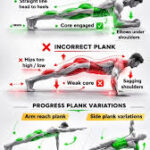

Engage your core by pulling your belly button toward your spine. This cue ensures your abs do the work, not your hip flexors or lower back.Take planks as an example. A proper plank maintains a straight line from shoulders to ankles, keeping hips from sinking or sticking up. When doing sit-ups or crunches, keep your neck neutral rather than pulled forward to prevent strain.
For leg lifts, the action is all in the abs without letting your lower back arch off the floor.Remember, slow and steady wins the race. It’s better to do fewer repetitions with the right form than many with the wrong technique. The more you practice good habits, the more they become second nature and the more effective your workouts will be.
Overtraining and Its Repercussions
Pushing yourself in workouts is great, but with abs, you can overdo it. Overtraining abdominal muscles can stall progress and cause injury. It’s like driving a car nonstop without a break. Eventually, you run out of gas.Muscles need time to recover and rebuild to get stronger. Without that chance, you might feel sluggish or notice aches creeping in. Signs of overtraining include persistent soreness, fatigue that doesn’t lift, and a drop in performance.In worst cases, pushing too hard without rest can cause strains or sprains, adding new challenges to your workout journey. No one wants injuries that keep you out of the gym longer than planned.Balance is key.
Structure a smart workout by mixing light, moderate, and intense sessions, including rest days or low-impact exercises like walking or yoga, and support recovery. Abs, like any muscle group, need rest days too. Use variety to avoid targeting the same muscles every day.Explore exercise modalities that improve core strength and flexibility without repeatedly straining the same muscles. Engage different muscle groups and resistance types. Smart planning avoids burnout and opens new paths for progress while keeping you in the game long term.
Ignoring Core Diversity and Holistic Development
Focusing only on abs may blur the bigger picture. Your core isn’t just abs; it includes muscles across your midsection like obliques, lower back, and hips. Doing only crunches scratches the surface of what your body can do.Developing a strong core improves balance and overall fitness. Strengthening other muscles supports your spine and posture and gives your abs more definition over time. Disregarding the rest could leave gains on the table.Incorporating full-core workouts means engaging all parts of your core in harmony.
Planks, bridges, and rotational moves like Russian twists target those lesser-known muscles.Switch up workouts that challenge stability and coordination, like TRX bands or Pilates moves. These exercises target multiple areas and keep workouts interesting and varied.
Neglecting Nutrition and Hydration
Getting abs to pop isn’t just about time on exercise mats. What you eat and drink plays a big role. Nutrition and hydration are key to a strong core.Neglecting what you consume can undermine your workout efforts. Skipping essential nutrients means muscles lack fuel to rebuild and strengthen. You could work out tirelessly, but without a proper diet, visible abs might remain elusive.Hydration often flies under the radar but is important. Water supports digestion and transports nutrients to muscles. Dehydration leads to fatigue, and when tired, performance dips.
Drink water throughout the day, not just when thirsty.Eat balanced meals with low-fat proteins, complex carbs, and healthy fats. These fuel the body, maintain muscle growth, and provide energy for an active lifestyle. Adjust your diet gradually if needed, and consider meeting a nutritionist for bespoke guidance.Remember, a balanced diet and good hydration go hand in hand with exercise. Finding this proportion helps your body function at its best, causing more effective workouts and stronger, more defined abs.
https://weightliftingforpower.com/leg-workout-program/
https://weightliftingforpower.com/abdominal-exercises-that-challenge-you/
https://weightliftingforpower.com/weightlifting-accessories/
https://weightliftingforpower.com/pull-up-training/