
Weightlifting Shoes
Weightlifting shoes help with squat performance. If you lift for general fitness or enjoyment, a more adaptable shoe that works for various exercises could be the better option. How your body moves is another key factor in picking weightlifting shoes.
Know your foot shape and tendencies, such as arch height or whether your feet roll inward or outward. This knowledge can help you select the best fit. Your foundation affects your strength and steadiness.
Those with flat feet or who need extra support should seek shoes that meet those needs. Properly matched footwear boosts performance and minimizes injury risk. Always consider your movement patterns and comfort.
Key Features of Weightlifting Shoes for Stability
When choosing weightlifting shoes, prioritize stability. Consider the thickness of the sole. Thicker soles may seem attractive, but thinner soles provide a better connection to the floor. This connection is crucial for maintaining balance with heavy weights.
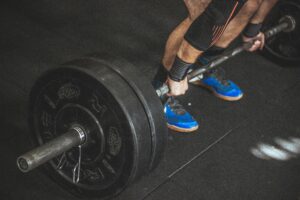
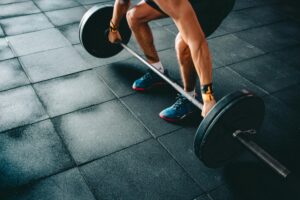
A stable heel is critical for proper alignment during lifts. Shoes with firm heel support anchor your feet, ensuring your knees and hips stay properly positioned. It also decreases the likelihood of strain or injury.
The right heel will minimize movement, supporting safer and more effective lifting. The outsole material affects durability and performance. Choose options made from high-quality rubber or similar materials known for grip and longevity.
Durable footwear lasts longer and maintains stability during training. Consider the heel-to-toe drop in weightlifting shoes. A small increase in heel height makes it easier to keep good posture and balance, supporting better form and improving safety and performance during lifting.
Enhancing Performance with the Right Fit
The fit of your weightlifting shoes matters most for performance. Shoes that hug your feet securely give more comfort and freedom of movement. This lets you focus on lifting, not on your shoes shifting or causing discomfort.
A proper fit lets you lift confidently, reducing the chance of slipping or blisters during hard workouts. If your training includes more than weightlifting, versatile shoes are a smart investment.
Certain designs work for multiple exercise types, ideal for people who do various fitness activities. These shoes make easy transitions between workouts without changing footwear.
Shoe weight is another important factor. Lightweight shoes can increase your agility and give you an edge during tough lifts. Wearing less on your feet makes your movements quicker and more responsive.
Shoe technology now offers better comfort and support. Modern features like breathable materials keep your feet cool during long sessions. New supports also help stabilize and build stamina throughout your workout.
Brands and Models: Making an Informed Decision
Choosing weightlifting shoes often starts with reputable brands. Companies like Nike, Adidas, and Reebok are known for consistently high-quality, high-performance footwear. Knowing each brand’s strengths helps you focus on models that best match your needs.
Some shoe models stand out for their features and reasonable cost. Compare these options by heel support, material strength, and construction. This process helps you find what suits your lifting needs.
Feedback from actual users can offer valuable insights into brands or models. This feedback sometimes reveals details that technical specs might miss. For long-term benefits, weigh the initial cost against a shoe’s durability and performance.
Paying more at first can mean your shoes last longer and give reliable support. This reduces how often you need replacements. Over time, choose shoes that support your lifting journey.
https://weightliftingforpower.com/nutrition-and-weight-loss/