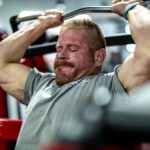
Common Pullup Mistakes And How To Fix Them

Getting the basics right with pull-ups isn’t just about pulling yourself up. It’s about understanding the importance of proper form to maximize muscle gains and prevent injuries. A common mistake folks tend to make is not engaging their muscles correctly, which can lead to other issues down the line.

One of the first things to watch for is swinging your body instead of maintaining steady, controlled movements. It often happens when you’re in a rush to complete the reps rather than focusing on the quality of the movement. You should keep your body as still as possible, allowing your arms and back muscles to do the work. Maintaining a stable core is key here.

Shooting halfway up and not completing the pull may also signal poor form. Ideally, your chin should clear the bar at the top of the motion, showing that you’re engaging your muscles throughout the range. Developing strength and endurance is vital for achieving your fitness goals.

Understanding the different pull-up styles, like standard, chin-ups, or wide grip, is equally important. Each has its unique technique and engages muscles differently. For instance, wide-grip pull-ups target the back more intensely, while chin-ups can place more emphasis on the biceps. Identifying and mastering the technique for each style can enhance the effectiveness of your workout.

Debunking Common Pull-up Myths

Myths often distort our understanding of pull-ups, obscuring their actual effectiveness and importance in fitness. It’s time to set the record straight and harness the full potential of this powerful exercise. One myth is that pull-ups are only for the upper body. While they do primarily target muscles like the lats, biceps, and shoulders, they also recruit core muscles and even your legs for stability.

Another common misconception is that pull-ups alone are enough to achieve a balanced workout. While they are fantastic for developing upper-body strength, relying solely on them can neglect other areas. Incorporating them into a varied routine ensures that you’re building overall strength and conditioning.

There’s also a myth that pull-ups are only for advanced fitness enthusiasts or those with a specific body type. Pull-ups can be scaled down for beginners with assistance, such as resistance bands, making them accessible to different fitness levels.

Understanding the benefits of different grips can also clear up a few misunderstandings. For instance, a wide grip may engage more muscles, but it can be tougher on your joints if not done correctly. Alternating between grips can provide different stimuli to your muscles, potentially leading to better outcomes.

Debunking these myths helps set realistic fitness goals and use pull-ups effectively within a broader training program.

Correcting Pull-up Mistakes with Proper Techniques

Pull-ups might seem daunting at first, but with the proper techniques, you can master them. The foundation of a perfect pull-up starts with your grip. Ensure your grip is firm and even, positioned just slightly wider than shoulder-width apart. This setup allows balanced muscle engagement throughout the exercise.

Focusing on your body position is crucial. Engage your core effectively by drawing your belly button toward your spine. This essential action stabilizes your body, helping you maintain balance and avoid any unnecessary swinging. Your shoulders can sometimes creep up towards your ears, so keep them pulled back and down to engage your back muscles.

Movement and breathing are equally important. Slow, controlled movements up and down the bar help you use your muscles efficiently. Sync this with your breath: inhale as you hang, and exhale as you pull yourself up. This rhythm can boost your strength over time while minimizing fatigue.

If you’re having trouble doing full pull-ups, try negative pull-ups. Jump or step up to the top pull-up position, then lower yourself slowly. It helps build the necessary strength and muscle memory required for the whole move.

Correcting form isn’t about rushing through your reps. It’s about patience and persistence, ensuring each movement is deliberate and controlled. This dedication to proper technique sets the foundation for successful, injury-free pull-ups.

Enhancing Your Pull-up Routine

Warm-up exercises are crucial before tackling pull-ups, as they prepare your muscles and joints for the intensity of the workout. Including dynamic stretches like arm circles and shoulder rotations in your routine can significantly improve flexibility and lower the risk of injury. Make these simple movements a priority for better performance and safety!

As you get more comfortable with pull-ups, gradually increase your repetitions. Consistency is key here; aim to add a rep or even half a rep over time. This progression helps build strength and endurance, maintaining motivation as you chart your improvement.

Don’t underestimate the power of proper recovery and stretching after your workout. Activities like yoga or gentle static stretches targeting the upper body can help reduce muscle soreness and improve flexibility, allowing you to tackle your next session with greater ease.

Mix in variations like assisted pull-ups, negative pull-ups, and different grips to challenge and engage your muscles in unique ways.

Ultimately, consistent practice aligned with proper form and a balanced approach is what creates lasting results. Small, incremental changes over time lead to remarkable improvements and ensure that pull-ups remain a healthy, enjoyable component of your fitness journey.

Top 5 Pullup Variations To Build Strength And Endurance

The classic pull-up is where it all starts. If you’re looking to build upper-body muscle and endurance, honing this basic move should be your first step. It’s not just about raw strength; it’s about mastering technique and body control.

So, why go for pull-ups? They activate muscles in the arms, shoulders, back, and core, making them a powerful, full-body exercise. Highlighting their impact keeps readers motivated to include them regularly.

Let me walk you through a step-by-step guide to perfect your form. First, hang from a bar with an overhand grip, hands shoulder-width apart. Keep your core tight, legs slightly crossed to avoid swinging. Focusing on proper form will build your confidence and ensure steady progress.

Watch out for those common slip-ups, like letting your shoulders round forward or not using a full range of motion. To avoid these, always engage your shoulder blades and focus on bringing your elbows down to your ribs, rather than just hoisting yourself up.

By correcting form and diligently practicing, you’ll find your strength improving in no time. Take things slow initially; it’s better to do fewer reps with proper form than many with poor technique. Consistent effort will help you build a solid foundation for advancing to more challenging pull-up variations.

Expanding Your Routine: Wide Grip Pull-Ups for Broader Back Development

Wide-grip pull-ups take your upper-body workout to a new level, targeting the lats and traps more effectively than the classic version. Think of it as a way to broaden your back while enhancing your overall pulling strength.

When performing wide grip pull-ups, remember that hand placement matters a lot. Widen your hand placement beyond shoulder-width to more effectively engage and strengthen your upper back muscles. It is crucial for building that V-taper physique that many of us aim for.

To execute wide grip pull-ups correctly, keep your form in check. Start by hanging from the bar with your arms fully extended, engaging your core, and avoiding swinging to maximize muscle engagement while minimizing injury risk.

Progressive overload is your friend here. By gradually increasing reps or adding weight via a belt, you can build strength and endurance over time. Always strive to progressively challenge your muscles; this is essential for continued growth and adaptation.

Integrating wide grip pull-ups into your routine doesn’t have to be complicated. Swap them in on your back day, or mix them with other pulling exercises to create a comprehensive upper-body workout. This variation not only adds diversity but also helps prevent your muscles from adapting too quickly to the same movements.

Core and Stability: The L-Sit Pull-Up Challenge

The L-sit pull-up is where core meets power. Combining abdominal strength with upper-body prowess, this variation is a game-changer for those looking to amplify stability and muscle control.

Here’s how to get started: Begin by holding the pull-up bar with a shoulder-width grip, arms extended. Next, draw your legs out in front of you until they’re parallel to the ground. It is your L-sit position. Maintaining this posture, perform a pull-up by bringing your chin over the bar, then lower yourself back to the start.

Executing this move requires precise form. To maximize your results, maintain straight legs and engage your core throughout the entire movement. It’s a tough one for sure, but the benefits go beyond the initial burn—think improved core strength, enhanced balance, and better posture.

As with any challenging exercise, it’s wise to practice modifications early on. Start by mastering the L-sit hold without the pull-up, or perform partial reps to build core strength. As your stability and strength improve, progress gradually to full L-sit pull-ups, ensuring proper form at each stage.

This exercise fits perfectly into any workout aimed at boosting core and upper body strength. Adding L-sit pull-ups into your program not only spices things up but also sets the stage for tackling even more advanced calisthenics moves down the road.

Taking It to the Next Level: The Muscle-Up

The muscle-up is the pinnacle of pull-up variations, merging explosive power with seamless technique. It’s not just about getting over the bar; it’s about doing so with control and strength, making it a true testament to upper-body prowess.

To achieve a muscle-up, begin by performing a strong pull-up, then use your momentum to transition into a dip position over the bar. The movement is fluid, combining elements of a pull-up and a dip in one motion. It requires not just brute strength but also coordination and timing.

Focusing on body momentum is key here. A slight kip, or swing, can aid in propelling your body upwards, but it’s crucial to control this energy to avoid sloppy execution. Building strength in your core and shoulders will also support this movement, helping you lift your entire body above the bar efficiently.

Before embarking on full muscle-ups, consider breaking it down into smaller parts—like practicing high pull-ups and deep dips to get familiar with the components of the move. Accessory exercises, like explosive push-ups or band-assisted muscle-ups, can further boost your progress.

Safety is paramount as you push your limits. Muscle-ups exert significant stress on your shoulders and wrists, so always ensure your warm-up is thorough and listen to your body to prevent injuries. Prioritizing safety will help you stay motivated and confident as you progress in your pull-up journey.

How To Increase Your Pullup Reps Fast: Training Tips And Tricks

Getting better at pull-ups starts with knowing your current level, which helps set realistic goals. Before diving into strategies, take the time to assess how many pull-ups you can do with good form. This step helps in understanding where you’re starting from and what you should aim for.

Once you have a handle on your current performance, it’s time to set some goals. Aim for something you can realistically achieve, a number that is challenging but not out of reach. Focusing on small, steady goals often leads to significant achievements over time. Be clear about what you want and map out milestones to get there.

There are many factors that can affect your pull-up performance. Things like grip strength, core stability, and body weight all play significant roles. Identifying these factors can help you figure out what might be holding you back and where you need to focus your efforts.

Finally, put together a personalized plan that works for you. This plan should include a mix of workout strategies, recovery protocols, and some diet tweaks. Everyone’s journey is unique, so tailor your approach to fit your specific strengths and weaknesses.

Essential Training Techniques to Boost Reps

One of the most crucial elements of increasing your pull-up reps is maintaining proper form. Keeping your core tight and pulling your chest up to the bar helps you feel in control and confident. Avoid swinging or using momentum to prevent injuries and build trust in your technique.

To see progress, applying progressive overload is key. To achieve optimal muscle growth, it’s essential to progressively challenge your muscles by increasing weight, repetitions, or changing grip styles. This gradual overload will lead to impressive results and effectively enhance your strength. The idea is to challenge your body so it adapts and grows stronger continuously.

Assisted pull-ups and negative reps are effective methods for building strength, especially when you’re working on increasing reps. Using resistance bands or a partner can help you do more reps and get used to the full range of motion. Negative reps, where you focus on slowly lowering yourself down, build strength in the muscles you need to complete a pull-up.

It’s common to hit hurdles when working on pull-ups, so knowing what to avoid is helpful. Common mistakes include overtraining, ignoring form, and neglecting other muscle groups. Diversifying your workouts and listening to your body’s feedback are essential for ensuring your training is effective and safe.

Optimized Workout Routines and Recovery

An organized workout plan is essential for increasing pull-up reps effectively. Balance your routine to include not just pull-ups but also exercises targeting related muscle groups, such as your back, shoulders, and biceps. This approach helps you build overall strength, which will support your pull-up goals.

Recovery is essential to reaching your fitness goals; it is just as crucial as the workout itself. Neglecting recovery can hinder your progress and overall performance. Prioritizing time for your muscles to recover and grow stronger demonstrates your commitment to valuing your body’s needs. Prioritizing sleep and using techniques like stretching and foam rolling can help you feel supported and confident in your training journey.

Adding complementary exercises such as rows, lat pull-downs, and deadlifts to your routine strengthens the muscles used in pull-ups. These exercises address muscle groups that support the pull-up motion and can help you perform more reps in the long run.

Tracking progress is a game-changer. Regularly note down your pull-up numbers and how you feel during workouts. If you’re not seeing progress, it might be time to adjust your routine. Consistently monitor and tweak your plan based on what’s working and what isn’t, ensuring you keep moving forward.

Nutrition and Lifestyle Habits for Better Performance

What you choose to eat significantly influences your physical performance and overall success in your activities. Fuel your body with the nutrients it needs for optimal performance! Prioritizing protein intake is particularly important for muscle growth and repair.

Staying hydrated affects your overall performance. Hydration keeps your muscles functioning properly and helps in recovery. Make sure you’re drinking enough water throughout the day, mainly after workouts, to replenish lost fluids.

Sleep and stress management are not directly related to pull-ups, but they affect your physical performance. Quality sleep allows your body to recover, while managing stress helps maintain focus and motivation.

Building better habits like consistency in training, balanced nutrition, and adequate rest are crucial for lasting progress. While quick fixes are tempting, sustainable habits ensure improvements stay over the long term. Stick to a routine that fits into your lifestyle to keep seeing results.

Dumbbell Weight Training Program

https://weightliftingforpower.com/beginner-dumbbell-weight-training-program/

 Dumbbell Weight Training Program

 A dumbbell weight training program can be both exciting and a little intimidating, but understanding the benefits can help ease those nerves. Weight training with dumbbells not only improves muscle strength but also enhances your cardiovascular fitness, boosts mental health, and even aids in weight loss.

Dumbbell Weight Training Program

Dumbbell Weight Training Program

Choosing the right dumbbell weight is crucial. Using weights that are too heavy can strain your muscles, while weights that are too light fail to provide the challenge you need. It’s essential to find the right balance to maximize your training results. Choose a weight that lets you comfortably perform 12 to 15 repetitions; aim for the last few reps to be challenging yet attainable. This approach will effectively push your limits and enhance your strength over time.

Remember, safety is paramount in your training journey. Ensure your workout area is free of obstacles and maintain a firm grip on the dumbbells to prevent accidents. Wearing appropriate footwear with good support is also crucial. Listen to your body and avoid pushing through any sharp pains to keep injuries at bay. Your safety is our top priority.

Proper form is more important than how much you can lift. Focusing on technique ensures you target the right muscles and prevent strains. It’s worth practicing movements with no weights or very light weights first to master the basics. Engaging with instructional videos or partnering with a trainer is an effective way to master the skills and techniques you need.

Finally, creating a motivating environment and mindset can make all the difference. Establishing a regular workout routine and adhering to it is crucial—consistency will lead to lasting results. Having a dedicated space, whether it’s a corner of your living room or a spot in the garage, can help you mentally switch to workout mode.

Crafting Your Personal Dumbbell Training Program

Dumbbell Weight Training Program

Laying out a solid dumbbell training program starts with setting clear, achievable goals. To effectively build muscle, shed fat, or sculpt your body, it’s vital to set clear, achievable goals. By defining your objectives, you can tailor your workouts effectively and achieve the results you desire. To keep your motivation strong, break your big goals down into smaller, manageable milestones that you can achieve. This approach makes progress feel attainable and keeps you focused on success. This approach not only makes progress feel more achievable but also keeps your enthusiasm high along the journey.

Structuring your workouts effectively involves deciding on the number of sets, reps, and rest periods. Beginners often start with three sets of 10-12 reps, with rest periods of 30-60 seconds. This balance offers a great way to build endurance while also toning muscles.

An effective workout routine must engage all major muscle groups for optimal results. Splitting your workouts between pushing exercises like press-ups on day one and pulling movements like rows on another day ensures balanced development. Don’t shy away from leg work—squats and lunges are crucial for building a strong foundation.

Progressive overload is a key principle in your training. It’s about gradually increasing the weight, reps, or sets as you get stronger. This principle is crucial for continuous improvement and keeping your muscles challenged. Every couple of weeks, assess your progress and see if it’s time to step it up a notch. This commitment to progression will keep you motivated and on track.

Tracking progress keeps you on top of your game. Documenting workouts in a journal or fitness app provides insights into what’s working and what’s not, enabling adjustments to your program. Remember, your body’s needs may change, so stay flexible and open to tweaks for maximum results.

Beyond the Basics: Enhancing Your Dumbbell Workouts

Dumbbell Weight Training Program

Once you’re comfortable with the basics, step up your routine by incorporating compound movements. These exercises activate multiple muscle groups, offering a powerful way to maximize your fitness routine and achieve overall body benefits with each efficient move. Examples include deadlifts, which work your back, legs, and core, and thrusters, which target your shoulders, legs, and core.

For targeted muscle development, incorporating isolation exercises such as bicep curls and triceps extensions is highly effective. These movements not only enhance muscle definition but also strengthen specific areas, helping you achieve your fitness goals more efficiently. These moves target and shape particular muscle groups, making them ideal for meeting your personal fitness goals.

Dumbbell Weight Training Program

Remember, variety is the spice of life, even in your workouts. Switching up your exercises not only combats workout boredom but also stimulates different muscle fibers for well-rounded development. Consider integrating circuit workouts or testing new dumbbell exercises you haven’t tried before. This diverse range of workouts will keep your training fresh and exciting, ensuring you stay motivated and never lose interest in your fitness journey.

Supplementing your dumbbell sessions with other forms of training adds variety to your regimen. Activities like cardio, yoga, or bodyweight exercises add different dimensions to your fitness routine and contribute to overall health.

Proper nutrition, rest, and recovery are as important as the workouts themselves. Fuelling your body with the correct nutrients and ensuring adequate sleep significantly enhances performance and muscle recovery. Incorporate rest days into your regimen. Please take advantage of these rest days, as they are crucial for allowing your muscles to recover and build strength without the strain of intense workouts. To achieve lasting success in your training, it is vital to safeguard against burnout. Prioritizing your well-being ensures you stay on track and continue making meaningful progress.

As you progress, consider expanding your training with advanced techniques or heavier weights. When your current program becomes easy, it’s a sign to advance to maintain your growth trajectory.

http://www.wikipedia.org

https://amzn.to/48X5rcP

Bodyweight Exercises For Core Strength

https://weightliftingforpower.com/bodyweight-exercises-for-core-strength/

Bodyweight Exercises For Core Strength

Core strength is more than just having toned abs. It’s about powering up from the inside out, starting with your midsection. This area does a lot more than we usually give it credit for. It provides stability, balance, and support in pretty much everything you do, whether you’re carrying a heavy grocery bag or hitting a perfect serve on the tennis court.

Building a strong core offers numerous benefits beyond that. There is A sturdy core that can improve your posture, reduce back pain, and boost overall mobility, making everyday tasks easier and less straining. Whether you’re a top-notch athlete or just someone looking to walk up the stairs without huffing and puffing, a strong midsection is your best ally.

There are many misconceptions out there, such as the idea that you need heavy weights or complex equipment for core workouts. But that’s not the case. In fact, there are eight exercises—stuff you can do pretty much anywhere—that can be incredibly effective in building core strength. And the best part? No gym membership required. These exercises are simple, accessible, and can be done by anyone, anywhere.

The beauty of bodyweight workouts lies in their simplicity and accessibility. You don’t need much space or fancy gear. These exercises are perfect for anyone and effortlessly complement any lifestyle. No matter your fitness level, these exercises are simple to incorporate and will significantly enhance your routine. Start experiencing the benefits today! They’re not a separate chore, but a seamless part of your routine.

Top 5 Bodyweight Exercises to Build Core Strength

Bodyweight Exercises For Core Strength

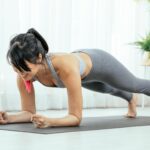
Plank variations are a solid go-to for building all-around core strength. Whether you’re holding a plank, creating a T-shape with side planks, or adding a twist to target different muscles, the options are plentiful. Planks work wonders for stabilizing your entire midsection, giving you ripped abs without a single crunch.

Crunches and sit-ups might seem old-school, but there’s a reason they’ve long been around. They effectively target the rectus abdominis, the primary abdominal muscle. Although often grouped, variations like bicycle crunches provide an additional challenge by engaging your obliques, resulting in a more comprehensive core workout.

Mountain climbers pack a punch when it comes to increasing heart rate while working your core. This exercise not only targets your abs but also delivers a valuable cardio boost, improving endurance and agility. The swift, dynamic movement strengthens coordination between your upper and lower body.

Bicycle crunches deserve a special shoutout for engaging your oblique muscles—the ones that wrap around the sides of your torso. This movement ensures you’re not only focusing on the front but also catching those side muscles, rounding out your core routine.

Leg raises zero in on the lower part of your abs, which can often be trickier to target. By lifting your legs while keeping your core tight, you encourage growth of the lower abdominal muscles. They’re straightforward yet offer a great finishing touch to any core-strength workout.

Crafting a Balanced Routine: Combining Core Exercises with Cardio and Flexibility Training

Bodyweight Exercises For Core Strength

Creating a well-rounded fitness routine requires more than just focusing on your core. It’s essential to include cardio and flexibility exercises to achieve overall fitness and enhance your core gains. Cardiovascular exercises help burn fat and improve heart health, which ultimately helps your toned muscles stand out.

Including flexibility training is equally important. Engaging in stretching and activities like yoga or Pilates improves your flexibility and helps prevent injuries, both of which are essential for maintaining an active lifestyle. These activities complement core exercises by ensuring your muscles remain limber and ready for any challenge.

A sample routine may begin with a brisk walk or jumping jacks to elevate your heart rate, followed by core exercises like planks, mountain climbers, and leg raises, as previously mentioned. Finish up with some stretches or a short yoga session to cool down and keep your muscles in top shape.

Never underestimate the vital role that rest and recovery play in achieving your goals. Giving your body time to heal and strengthen itself is crucial. Make sure you’re scheduling rest or lighter-activity days when you can focus only on stretching or leisurely walking. It’s not just about the workouts, but also about taking care of yourself and preventing burnout and injuries.

One of the keys to getting stronger is progression. Gradually increasing the intensity of your exercises, either by increasing reps or holding poses longer, helps in building greater strength. Continuously challenging yourself enables you to move toward your fitness goals without hitting a plateau.

Lifestyle Tips: Maintaining Core Strength Outside of Regular Workouts

Keeping your core strong doesn’t stop when you don’t do your workout. Everyday activities offer plenty of chances to engage those midsection muscles without setting foot in a gym. When you’re picking up your bags or even standing in line, tighten your core—these small actions compound over time into noticeable gains in strength and stability.

To fully harness the benefits of your workouts and achieve your fitness goals, following a well-balanced nutrition plan is crucial. A balanced diet that focuses on protein, beneficial fats, and fiber is vital for effective muscle recovery and providing long-lasting energy, enabling you to excel in an active lifestyle. Keeping hydrated is critical, too, as adequate water intake helps maintain muscle function.

Mind-body practices like yoga and Pilates offer excellent benefits for core strength. These exercises emphasize controlled movements and breathing techniques, greatly enhancing flexibility and balance while developing core strength. You might be surprised at how taking some time out for these can refresh both body and mind.

Bodyweight Exercises For Core Strength

To effectively assess your core progress, it’s crucial to prioritize good posture and balance. These elements not only enhance your evaluation but also contribute to overall physical health and strength. Throughout any activity, pay attention to how you’re standing or you’re—it’s a handy way to work your core muscles without thinking about a workout.

Tracking your journey, whether through selfies, journal entries, or fitness apps, can be a great motivator. It shows you where you’ve been and how far you’ve come, encouraging you to continue your efforts to sustain the core strength you’ve built. Celebrate small victories—they’re significant steps in their health and fitness journey.

http://www.wikipedia.org

https://amzn.to/4jBw1fm

https://weightliftingforpower.com/dumbbell-weight-training-program-2/

https://weightliftingforpower.com/intense-great-tricep-workouts/

https://weightliftingforpower.com/dumbbell-exercise-cards/

https://weightliftingforpower.com/tricep-workouts/

https://weightliftingforpower.com/best-cardio-exercise-to-lose-weight/

Best Full Body Workout Routines For Beginners At Home

From Couch To Calisthenics: Transition With Strength-Building Workouts

Top 10 Bodyweight Workouts For Muscle Building

https://weightliftingforpower.com/top-10-bodyweight-workouts-for-muscle-building/

Top 10 Bodyweight Workouts

Bodyweight workouts offer a unique and effective way to improve fitness by using your own body weight to build strength and muscle. Forget the need for hefty gym equipment; with these exercises, you only need yourself. They can be done anywhere—whether at home, in a park, or on a beach—making them accessible and convenient for everyone.

Unlike traditional gym workouts that often rely on machines or weights, bodyweight exercises offer a more practical and flexible way to train. They engage multiple muscle groups at once, improve balance and flexibility, and help you develop functional strength that applies to everyday activities. Plus, with the right approach, you can achieve impressive gains in muscle mass without ever setting foot in a gym.

Top 10 Bodyweight Workouts For Muscle Building

Top 10 Bodyweight Workouts For Muscle Building

One of the standout benefits of bodyweight training is its ability to adapt to any fitness level. These exercises can be adjusted for beginners or experienced athletes, allowing you to match your current strength and gradually increase their difficulty as you become stronger. This kind of adaptability helps in maintaining motivation and ensures continuous improvement.

Throughout this article, I’ll be exploring the top 10 bodyweight exercises that are super effective for muscle building. Each of these exercises offers something unique and provides practical insights on how to perform them correctly. Ready to take your fitness journey to a new level without needing to hit the gym? Let’s get started.

Core Principles of Successful Bodyweight Workouts

Top 10 Bodyweight Workouts For Muscle Building

Consistency is king when it comes to getting results with bodyweight workouts. It’s all about making these exercises part of your routine rather than a one-off. Regular practice helps build muscle effectively, as your body gets used to the movements and starts adapting by growing stronger.

When you’re doing these workouts, focusing on progressive overload is key. It means gradually increasing the difficulty of your exercises to keep your muscles challenged. Try adding more reps, changing the tempo, or incorporating advanced variations of exercises as you improve.

Taking care of form is essential to prevent injuries and get the most out of your training sessions. Even though bodyweight exercises might seem more straightforward than lifting weights, they still require attention to detail. Ensure your movements are controlled and intentional, as sloppy form can lead to strain or injury.

It’s crucial to blend these workouts seamlessly into your lifestyle. Whether it’s tagging them onto a morning routine or setting aside specific days for your training, aim to find what fits naturally into your life. This ease of integration helps maintain a commitment to your regimen without feeling like a chore.

Customizing the intensity and duration of your workouts to align with your fitness level is crucial for achieving your goals and maximizing results. Beginners might start with shorter sessions focusing on core movements, while more experienced individuals can opt for longer routines with advanced variations. This personalization not only prevents overtraining but also enhances motivation and ensures progress.

Top 10 Bodyweight Workouts for Muscle Building

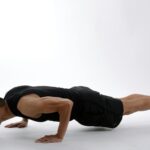
Bodyweight workouts shine with a variety of exercises, each one expertly designed to target specific muscle groups. Adding these workouts to your routine is essential for developing a balanced strength regimen that truly delivers impressive results. Push-ups, for instance, are fantastic for your chest, shoulders, and triceps. To make them tougher, try variations like the diamond push-up or the decline push-up.

Squats are another powerhouse move that targets your quads, glutes, and hamstrings. These can be spiced up to increase difficulty through pistol squats or using a plyometric approach by adding a jump.

Pull-ups hit your back and biceps hard. If they are out of reach at first, negative pull-ups or using resistance bands as assistance can get you there faster.

Lunges train stability and heavily engage the legs and glutes. Experiment with walking lunges to add a dynamic element or incorporate a jump for extra intensity.

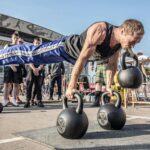
Planks take on the core, but they don’t stop there. Shoulders and glutes join in the workout as well, especially when variations like side planks or plank jacks are involved.

To further round out upper body power, dips target the triceps, chest, and shoulders. Chairs or parallel bars are all you need for these, and they can be made more challenging with slow, controlled repetitions.

Burpees combine cardio and strength by working almost every muscle while raising your heart rate. They can be brutal but super effective at building endurance alongside strength.

The mountain climber also doubles up on cardio while blasting your core. Speed and form are essential here, so keep your back straight and your abs tight as you gradually increase your pace.

Supermans are excellent for targeting the often-overlooked lower back, which is essential for a balanced core. Lift both the chest and legs off the floor to mimic flying and hold for the best results.

Lastly, the Russian twist hits those obliques. Add a weightless ball for increased difficulty, and twist your whole torso to get the full benefit.

Combining Bodyweight Workouts with a Balanced Lifestyle

Nutrition is a crucial factor in maximizing muscle growth and development. Feeding your body the proper nutrients fuels your workouts and aids recovery. Focus on protein intake for muscle repair, while balancing carbohydrates and healthy fats to maintain energy levels throughout the day.

http://www.wikipedia.org

https://weightliftingforpower.com/dumbbell-weight-training-program-2/

https://weightliftingforpower.com/bodyweight-exercises-for-core-strength/

https://weightliftingforpower.com/intense-great-tricep-workouts/

https://weightliftingforpower.com/dumbbell-exercise-cards/

http://www.amazon.com

https://amzn.to/3KMGkQO

Neck Exercises For Athletes

https://weightliftingforpower.com/neck-exercises-for-athletes/

Neck Exercises For Athletes

Neck strength isn’t just about aesthetics. In sports, it’s a crucial factor in boosting performance. Athletes often overlook the neck, focusing more on the arms, legs, or core. However, a robust neck can significantly enhance overall athletic performance, serving as a stabilizer during many movements and helping maintain control during high-intensity activities.

Neck exercises offer a significant advantage in injury prevention. Athletes, especially those in contact sports, are constantly at risk of strains, concussions, and other neck-related injuries. Strengthening neck muscles creates a natural shield that absorbs impact and protects the head and spine. This proactive approach ensures athletes remain active and injury-free, empowering them to train intensively and achieve peak performance.

Beyond safety, a well-trained neck can enhance agility and coordination. Think about an athlete’s ability to change directions or maintain posture during strenuous activities quickly. Neck strength supports these actions by stabilizing the head, allowing better focus and quicker reflexes. This advantage can contribute significantly to an athlete’s competitiveness.

There’s a lot of misinformation out there about neck exercises, often leading athletes to neglect them entirely. However, targeted neck training can unlock new levels of performance. Understanding and dispelling these common myths is crucial for athletes who want to benefit from comprehensive training programs, empowering them with the proper knowledge.

Top Neck Exercises for Athletes: Build Strength and Flexibility

Neck Exercises For Athletes

Strengthening the neck is essential for athletes aiming to boost their performance and protect themselves from injuries. Dynamic warm-ups are a great starting point, preparing the neck muscles for the more challenging exercises ahead. Warming up correctly not only gets the blood flowing but also wakes up the muscles, preventing strains during workouts.

One of the best strength-building exercises is the neck shrug. Athletes can perform this by standing or sitting, holding a light weight in each hand, and raising the shoulders towards the ears. Additionally, isometric holds, where you press your hand against your head in various directions, help develop neck endurance and resilience without equipment.

Neck Exercises For Athletes

Flexibility is just as important as strength. Incorporating gentle neck stretches can significantly improve the range of motion. Stretching after workouts helps relax muscles and prevent stiffness, which can be particularly beneficial after high-intensity activities.

It’s worth investing in some basic equipment to enhance your neck workouts. Resistance bands or a neck harness can make a big difference in training efficiency. These tools offer versatility and enable progressive loading, which is key to building strength over time. As always, safety should be a priority, so athletes should ensure proper form and avoid overloading.

Personalizing Neck Training: Tailoring Exercises to Different Sports

Every sport has its own set of physical demands, and neck training should reflect those specific needs. For instance, contact sports like football or rugby generally require robust neck muscles to mitigate the impact of tackles and collisions. On the other hand, sports such as swimming or cycling might focus more on maintaining posture and reducing strain.

Successful athletes often fine-tune their neck workouts to align with their training regimens. Case in point: many rugby players dedicate time to neck braces and resistance-band exercises, while swimmers might focus on flexibility and endurance techniques. Customization is key in maximizing benefits and preventing unnecessary exertion.

Incorporating neck exercises into sport-specific routines can be highly effective. Athletes should assess their sport’s physical demands and match their neck workouts accordingly. This tailored approach not only supports peak performance but also aids in long-term development without risking burnout or injury.

It’s also crucial to watch for signs of overtraining. The neck, although resilient, can suffer from overuse like any other part of the body. Balancing the workload, monitoring fatigue levels, and allowing adequate recovery periods help in maintaining neck health and effectiveness. Understanding how to listen to your body’s signs ensures training remains sustainable and beneficial.

Integrating Neck Training into Your Regular Regimen: Tips for Success

Incorporating neck exercises into a regular training routine might sound daunting at first, but with a bit of planning, it can fit seamlessly into your schedule. Starting with short, focused sessions and gradually building up the intensity can help you become consistent without feeling overwhelmed.

Tracking your progress is crucial. It doesn’t have to be complicated either. Keeping a simple log of your exercises, the weights or resistance levels used, and noting any physical improvements can offer insights into your growth and where adjustments might be needed.

Safety is paramount when performing neck exercises. Ensuring you use proper form and technique is essential to avoid injury. Videos or guidance from a coach can help maintain correct posture and movement patterns during exercises.

Beyond exercises, your neck training program should encompass nutrition and recovery strategies. Nutrition plays a role in muscle repair and development. At the same time, recovery techniques, such as massages or rest days, are vital for preventing overuse and ensuring you’re ready for your next workout.

http://www.wikipedia.org

Top 10 Great Tricep Workouts For Building Muscle Quickly

https://weightliftingforpower.com/top-10-great-tricep-workouts-for-building-muscle-quickly/

Top 10 Great Tricep Workouts

Focusing on the triceps is key to boosting upper-body strength. The triceps represent a greater part of the arm compared to the biceps, so strengthening them can noticeably improve the look and power of your arms. Targeting your triceps effectively can enhance your performance in a variety of pushing exercises.

Top 10 Great Tricep Workouts

Top 10 Great Tricep Workouts

Empower yourself by understanding the intricate composition of the triceps’ muscle fibers. This knowledge will help you choose the most effective exercises specifically geared towards achieving your objectives. Each type of fiber in your triceps responds uniquely to different training techniques. By recognizing these key distinctions, you can empower yourself to take charge of your workouts and maximize their effectiveness for outstanding results. Recognizing which type of fiber benefits most from your workouts lets you tailor your workouts for better results, giving you a sense of mastery over your fitness journey.

Several myths about tricep workouts can derail your progress. For example, some believe that high reps with light weights are the only way to build muscle, but this doesn’t provide the stimulus needed for growth. Balance your approach with both heavy and moderate weights to hit all muscle fibers. By maintaining this balance, you can be confident you’re effectively targeting all aspects of your triceps, which reassures you of your progress.

Top 10 Effective Tricep Exercises to Maximize Muscle Gains

Top 10 Great Tricep Workouts

Top 10 Great Tricep Workouts

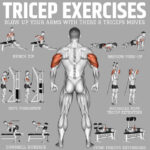
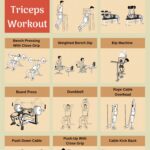
Reviewing practical exercises can boost your workout routine. Exercises like the close-grip bench press and tricep dips are known for their effectiveness in targeting the triceps. By adding these to your routine, you engage multiple muscle groups, enhancing overall arm strength.

Maintaining proper form is essential for maximizing gains and preventing injuries. Whether you’re doing simple pushdowns or more complex exercises like skull crushers, proper form ensures the muscles are effectively targeted and reduces the risk of strain.

The benefits of multi-joint versus single-joint exercises can help you determine what works best for you. Multi-joint exercises, like the bench press, involve more muscle groups and improve muscle coordination —the ability of different muscle groups to work together effectively. In contrast, single-joint exercises, such as tricep kickbacks, isolate the triceps more and can be crucial for defining muscle. Balancing both types in your routine can result in comprehensive muscle growth.

Designing a Balanced Tricep Workout Routine for Quick Results

Creating a well-rounded tricep workout routine involves integrating these exercises into your upper body workout plan. Alternating between compound movements, which involve multiple joints and muscle groups like the bench press, and isolated movements, which focus on a single joint and muscle group like tricep kickbacks, ensures that you’re thoroughly working all parts of the muscle.

Establishing an efficient workout schedule includes understanding how often to train your triceps. Overworking them, too, usually can lead to fatigue and hinder muscle growth. Ensuring sufficient rest days in between workouts is as crucial as the workouts themselves. This emphasis on rest and recovery is a reminder to take care of your body and be mindful of your well-being, making you feel cared for and supported in your fitness journey.

Recognizing signs of overtraining is vital to prevent setbacks. Common signs include persistent soreness and a plateau in strength gains. Listening to your body and making adjustments when necessary helps in maintaining a sustainable and effective training regimen.

Enhancing Muscle Growth Through Proper Nutrition and Recovery

Top 10 Great Tricep Workouts

Proper nutrition significantly impacts tricep growth, supporting quicker muscle recovery and preventing injury. A diet rich in protein provides your muscles with the building blocks they need to repair and grow stronger post-workout.

Hydration is vital for enhancing muscle recovery and maximizing your overall performance. Ensuring you drink enough water can make a significant difference in your athletic abilities. Staying adequately hydrated helps maintain optimal muscle function and aids in recovery after intense workouts.

Supplements can significantly enhance muscle growth when paired with a well-balanced diet. Protein powders, creatine, and BCAAs are popular choices that can provide the nutrients needed to enhance tricep development.

Rest and recovery aren’t just about taking days off. Getting quality sleep and engaging in low-intensity activities, such as walking, yoga, or light stretching, supports muscle synthesis and overall well-being, which helps optimize your workout results.

http://www.wikipedia.org

http://www.barbend.com

http://www.amazon.com

http://www.Bodycomposition.com

https://weightliftingforpower.com/dumbbell-weight-training-program-

https://weightliftingforpower.com/bodyweight-exercises-for-core-strength/

https://weightliftingforpower.com/neck-exercises-for-athletes/

Best Full Body Workout Routines For Beginners At Home

https://weightliftingforpower.com/best-full-body-workout-routines-for-beginners-at-home/

Best Full Body Workout Routines

A full-body workout targets all major muscle groups in a single session, making it ideal for beginners to build strength and endurance. It’s like hitting two birds with one stone, giving you a comprehensive fitness approach without spending hours targeting each muscle group separately.

Exercising at home presents a wealth of advantages, enabling you to maximize your time and minimize your expenses. By working out at home, you eliminate travel time and costly gym memberships, allowing you to focus on your fitness goals effectively and affordably. No more gym fees or dreaded commutes, plus the freedom to choose any time that suits your schedule. Whether it’s early in the morning or late at night, your home is always open for a session, putting you in the driver’s seat of your fitness journey.
When it comes to gear, it’s easy to get overwhelmed by the endless gadgets out there. As a beginner, investing in key items such as a yoga mat and a set of dumbbells can significantly enhance your workout experience. You don’t need a ton of equipment to get fit. Sometimes, your own body weight is the best piece of equipment you have.

Let’s set the record straight—many people believe that home workouts aren’t as effective as those done at the gym, but that’s not true. That’s far from the truth. With proper routines and consistency, home workouts can be just as beneficial as any gym session, if not more so for those just starting. It’s all about making the most of what you have and being committed to your goals. So, rest assured, your efforts at home are not in vain.

Designing Your Beginner-Friendly Home Workout Routine

Creating a balanced workout routine involves more than just picking random exercises. It’s essential to incorporate a mix of strength, cardio, and flexibility activities. Each component plays a distinct role, enhancing your overall fitness and maximizing the benefits of your full-body workout.

Setting goals is crucial, but they need to be realistic and achievable. Instead of aiming to mimic fitness influencers overnight, focus on small milestones like increasing the number of push-ups you can do each week or maintaining consistency for a month. Keeping track of your progress is a great motivator and can make all the difference in staying committed.

Warming up before and cooling down after your workouts can’t be stressed enough. Simple moves like brisk walking or gentle stretches can prepare your body for exercise and help reduce the risk of injury. Plus, they’ll leave you feeling rejuvenated after the session.

Here’s a sample weekly plan to kick things off. Think of it as a guideline: alternate between strength-training days focused on different body parts, cardio sessions, and a rest day to let your muscles recover. For instance, you could start with a day of upper-body work, followed by a lower-body session, then a cardio day like jogging or cycling. Mix it up to keep things exciting, and never underestimate the power of a rest day.

Executing the Workouts: Fundamental Exercises to Start With

Starting with a few key exercises can set a solid foundation for your fitness journey. Squats, push-ups, lunges, and planks are among the most effective moves. Each exercise targets different muscle groups, providing a comprehensive workout that hits all the right spots.

Best Full Body Workout Routines

Bodyweight exercises can be efficient, especially for beginners. Movements like squats and lunges work the lower body, while push-ups and planks engage the upper body and core. Engaging in these exercises significantly boosts your balance and coordination, making them essential for your overall fitness and confidence.

If you want to add more challenge, incorporating resistance bands or light weights can take things up a notch. These tools are affordable and accessible, making them ideal for home workouts. You can increase the resistance as you grow stronger, continuously pushing your limits.

https://weightliftingforpower.com/best-full-body-workout-routines-for-beginners-at-home/

Modifying exercises to fit your fitness level is essential. For example, if a standard push-up seems harsh, start with knee push-ups. Or if lunges are too intense, try reverse lunges to ease into the movement. Adjustments like these help you build strength without overdoing it.

Best Full Body Workout Routines

Avoiding common mistakes during exercises helps prevent injury and ensures you’re getting the full benefit. Pay attention to your form: keep your back straight during squats, maintain a steady pace in push-ups, and don’t rush. Taking time to learn the proper technique is time well spent.

Staying Motivated and Safe as You Progress

Maintaining motivation during your fitness journey can be one of the most challenging obstacles. Setting milestones can keep the fire alive. Celebrate when you hit those goals, be it fitting into an old pair of jeans or achieving your ideal number of workout days in a month. These celebrations are not just rewards; they are acknowledgments of your hard work and progress, and they work wonders in keeping you motivated.

Maintaining a routine is key to long-term success, but it doesn’t mean it should be rigid. Mix things up with new exercises or change the workout setting if you’re feeling bored. Tracking your improvements, whether through a fitness app or a good old notepad, can give you that extra push when motivation dips.

Listening to your body is crucial. Pains and aches can tell you to back off and tweak your approach. Pushing through discomfort isn’t always a badge of honor. Resting is as vital as working out because it prevents burnout and promotes muscle recovery.

Injuries are avoidable when you focus on maintaining proper form and being attentive. Take the time to prioritize your technique for a safer experience. Take the time to learn and execute exercises accurately rather than rushing through them. Remember, consistency trumps intensity, especially in the beginning. Stay patient and give your body the time it needs to adapt and grow stronger. De-stress after your sessions with activities like light stretching to help your body wind down.

Approaching your workout routine with care ensures that you’ll be on the right path. Prioritize your well-being and keep the enthusiasm high. Trust the process, stay safe, and enjoy the journey.

http://www.wikipedia.org


https://weightliftingforpower.com/dumbbell-weight-training-program-2/

https://weightliftingforpower.com/bodyweight-exercises-for-core-strength/

https://weightliftingforpower.com/bodyweight-exercises-for-core-strength/

https://weightliftingforpower.com/neck-exercises-for-athletes/

https://weightliftingforpower.com/intense-great-tricep-workouts/


Best Kettlebell Workout Plans For Core Strength

https://weightliftingforpower.com/best-kettlebell-workout-plans-for-core-strength/

Kettlebell  Core Strength

Kettlebells are more than just a hefty-looking gym tool—they’re a versatile fitness powerhouse. Swinging one around might seem daunting, but these compact weights have numerous benefits. They engage major muscle groups and target the often-neglected core muscles, helping you build strength from the inside out.

Not just about looking good in a swimsuit, a strong core is key for everyday ease and athletic performance. Think of your core as your body’s powerhouse. It stabilizes you during movement, supports your balance, and helps support your spine, making all your physical activities smoother and safer.

Kettlebell workouts put a fresh spin on traditional core routines. Instead of endless crunches, you’re looking at dynamic movements that challenge your stability and coordination. Each kettlebell swing or twist feels like an all-out assault on your core muscles while sneaking in some cardio.

Working smart with kettlebells means understanding which muscles you’re firing up. The abdominals, obliques, and lower back work together to build a solid base that supports every move. It’s not just the front of your abs that gets the spotlight—a strong core wraps around your entire midsection, creating a shield that guards your posture and boosts your balance.

Getting Started: Beginner-Friendly Kettlebell Core Routines

Kettlebell core strength

kettlebell core strength

Choosing the right kettlebell weight can feel like navigating a maze when you’re just starting. As a rule of thumb, aim for a weight that challenges you without compromising form. For most newcomers, something between 8kg and 12kg often hits the sweet spot.

While diving into basic kettlebell movements can seem daunting, remember that breaking them down is the key to success. Mastery of foundational exercises such as the kettlebell swing, goblet squat, and Turkish get-up will not only set the stage for more complex routines later but also give you a sense of accomplishment and motivation to continue your journey.

Remember, safety is paramount in any workout. Common pitfalls, such as over-swinging or a poor grip, can lead to injuries. So, focusing on maintaining a straight spine and engaging your core throughout each movement is not just crucial, but it also ensures you can train with confidence and security.

Guide yourself with a structured routine. Begin with shorter sessions, focusing on form and endurance. Consistency is king, so try to establish a routine that fits seamlessly into your schedule.

Tracking progress might feel tedious, but it’s how improvements happen. Keeping a simple workout journal not only helps you remember what weights felt challenging and when it’s time to step it up, but it also gives you a sense of progress and improvement, inspiring you to keep pushing forward.

Intermediate Plans: Elevating Your Core Workouts

Progress in your kettlebell workouts calls for cranking up the intensity. Introducing variations, such as performing exercises with one arm or adding additional moves, can amplify your results.

kettlebell core strength

Circuit training with kettlebells not only boosts your core but also ups the cardio game. Combining exercises like swings, planks, and lunges into a relentless cycle keeps your heart rate up while torching core muscles. Staying on your toes with such high-energy routines ensures constant muscle engagement.

Awareness is the key to knowing when to challenge yourself further. Regularly checking in with your body’s progress can guide decisions on adding more reps or upping the weight. If a particular movement feels too effortless, it might be the right moment to increase the difficulty level.

Beyond just quantity and weight, focus on refining technique. Core workouts are more rewarding when you fully engage your muscles on each rep, rather than rushing just to complete them.

Sometimes the best way to test your progress is to incorporate a few balance-based exercises. Moves like the single-leg deadlift with kettlebells can test core stability and clearly delineate between beginner and intermediate levels.

Expert Strategies: Mastering Advanced Kettlebell Workouts

Advanced kettlebell routines often revolve around mastering dynamic movements. Adding exercises like the windmill or the kettlebell snatch can push your core strength to new heights. These moves demand precise coordination and robust muscle control, which build resilience and power over time.

Kettlebell core strength

Exploring kettlebell flow routines is a game-changer. This technique strings exercises together in a seamless sequence, forcing your core to work continuously while adding a unique challenge. Kettlebell flow routines involve smoothly transitioning from one exercise to another, maintaining a continuous flow of movement. It not only challenges your core but also enhances your coordination and endurance, making it a highly effective and engaging advanced training method.

Kettlebell core strength

Kettlebell core strength

To supercharge your core regime, incorporate full-body exercises. Moves like the kettlebell clean and press engage multiple muscle groups, emphasizing core stability while enhancing overall functional fitness. These exercises not only strengthen your core but also improve your overall body strength and coordination, making them an essential part of a comprehensive kettlebell workout routine.

Always prioritize rest and recovery; they are essential for maximizing the benefits of advanced workouts. Allowing your muscles adequate recovery time is vital; it not only strengthens your core but also significantly reduces the risk of injury. Prioritize recovery to enhance your overall fitness! After intense workouts, you should allow your muscles to recover by getting enough rest, eating a balanced diet, and ensuring adequate sleep. After intense workouts, you should allow your muscles to recover by getting enough rest, eating a balanced diet, and ensuring sufficient sleep. This balance between intense training and recovery is key to long-term success in advanced kettlebell workouts.

As your expertise grows, keep setting new benchmarks. Establishing clear objectives, such as perfecting a technique or lifting heavier kettlebells, can enhance your motivation and help you track your progress.

http://www.wikipedia.org

http://www.amazon.com

http://www.Bodycomposition.com

https://www.wealthyaffiliate.com?a_aid=352a86b2

https://weightliftingforpower.com/dumbbell-weight-training-program-2/

https://weightliftingforpower.com/bodyweight-exercises-for-core-strength/

https://weightliftingforpower.com/top-10-bodyweight-workouts/

https://weightliftingforpower.com/neck-exercises-for-athletes/

https://weightliftingforpower.com/best-full-body-workout-routines/

https://amzn.to/44FzVNU