
Understanding Neck Muscle Health
Having a strong neck is about more than maintaining proper posture. It’s about providing your body with the support it needs to carry the weight of your head, which can be around 10 to 12 pounds. Weak muscles can lead to poor posture, straining your upper back. This strain can cause discomfort and headaches, leading to long-term issues such as cervical spine problems. However, you can alleviate these issues with a strong neck, offering a hopeful promise of relief and comfort.
Strengthening your neck is within your reach and doesn’t require complex exercises or heavy weights. Simple movements targeting your neck’s front, back, and sides can make a significant difference. These exercises, such as neck flexion and extension exercises, lateral neck stretches, and resistance training using bands or weights, are accessible and easy to incorporate into your daily routine. Start with light resistance and gradually increase as neck muscles strengthen. You hold the power to improve your neck strength and posture, taking control of your health.
Anatomy of the Neck – Major Muscle Groups
The neck connects the head and torso, enabling a wide range of motion. It comprises several major muscle groups that work together to support the head, facilitate movement, and protect essential structures such as the spine and blood vessels. Understanding the anatomy of these muscles can provide valuable insights into their functions and potential sources of discomfort or injury.
The Sternocleidomastoid Muscle
One of the most prominent muscles is the sternocleidomastoid (SCM) muscle. This muscle originates from the base of the skull, runs behind the ear, and extends down to the collarbone and breastbone. It plays a crucial role in turning and tilting the head and aiding breathing by elevating the ribcage during deep inhalation. The SCM muscle is also involved in flexing the neck forward and sideways.
The Trapezius Muscle
The trapezius is a broad, triangular muscle covering a significant portion of the back and neck. It extends from the skull base down to the middle of the back and out to the shoulder blades. The trapezius muscle helps stabilize and move the shoulder blades, allowing for various movements of the arms and neck. It assists in maintaining proper posture and helps support the head’s weight.
The Scalene Muscles
Three separate muscles comprise the scalene muscles on the neck’s sides: the anterior, middle, and posterior scalenes. These muscles play a crucial role in neck movement, particularly during deep breathing and tilting or rotating the head. The scalene muscles also provide stability to the neck and assist in maintaining proper alignment of the cervical spine.
The Platysma Muscle
The platysma muscle is a thin, sheet-like muscle that covers the front of the neck. It extends from the chest to the lower jaw and is responsible for facial expressions, such as frowning or grimacing. The platysma muscle also assists in swallowing and speaking by controlling the movement of the lower jaw and lips.
Headaches:
One of the most prevalent issues stemming from weak neck muscles is headaches—the muscles in the neck to the muscles in the head and face. When the neck muscles are weak, they may struggle to provide adequate support to the head, leading to tension and stress on the surrounding structures. This tension can trigger headaches, which may range from mild to severe. Individuals with weak neck muscles may experience tension headaches, characterized by a dull, achy pain radiating from the skull’s base to the forehead. These headaches can persist and interfere with daily activities, causing discomfort and reduced productivity.
Poor Posture:
Weak neck muscles can also lead to poor posture, which can have far-reaching effects on overall health and well-being. The muscles in the neck have a significant role in maintaining the spine’s proper alignment. As a result, individuals with weak muscles often develop a forward head posture, where the head juts forward from its natural alignment with the spine. This posture can strain the upper back, and shoulders, leading to discomfort and pain.
Effective Neck Strengthening Exercises
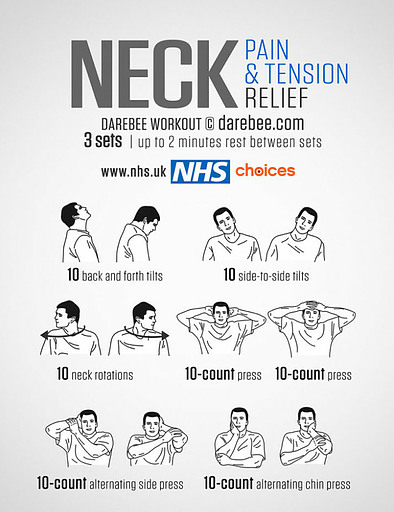
1. Neck Rotations: Start sitting or standing upright with your shoulders relaxed. Slowly rotate your head clockwise, bringing your chin towards your chest, then moving it to the right, tilting it back, and finally bringing it back to the starting position. Repeat this motion for 10-15 rotations and then switch to counterclockwise rotations.
To perform the exercise:
- tilt your head to the right shoulder, slowly.”It will create a gentle stretch on the left side of your neck.
- Hold this position for 10 to 15 seconds, then return to the starting position.
- Repeat the same movement on the left side,
3. Extensions: Maintain an upright posture and slowly tilt your head backward, looking up towards the ceiling. Hold this position for 10-15 seconds, feeling the stretch in the front of your neck. Return to the starting position and repeat for a few more times.
4. Flexion: Sit or stand with your shoulders relaxed. Lower your chin towards your chest slowly, feeling a stretch in the back of your neck. Hold this position for 10-15 seconds before returning to the starting position.
How to Perform Isometric Neck Exercises
- Sit or stand with your back straight.
- Place your hands on your forehead and gently push your head forward while using your hands to resist the pressure.
- “Maintain this position for 10 seconds, then release the tension.”
- Repeat this movement ten times to complete the exercise.
2. Flexion: Place your hands on the back of your head and gently push your head backward while resisting the pressure with your hands. Hold for 10 seconds, and then relax. Repeat ten times.
3. Lateral Flexion: Place your right hand on the right side of your head and gently push your head towards your right shoulder while resisting the pressure with your hand. Hold for 10 seconds, and then relax. Repeat on the left side. Do ten repetitions on each side.
4. Rotation: Place your right hand on the left side of your chin and gently push your head towards your right shoulder while resisting the pressure with your hand. Hold for 10 seconds, and then relax. Repeat on the other side. Do ten repetitions on each side.
Dynamic strengthening exercises offer several advantages over static exercises:
- They help improve the range of motion in the neck by targeting different muscle groups. Dynamic exercises promote flexibility and mobility in the neck by incorporating flexion, extension, rotation, and lateral bending.
- These exercises engage multiple muscles simultaneously, improving coordination and overall strength. Dynamic movements challenge the muscles to work together, enhancing their ability to stabilize the neck during everyday activities.
- Dynamic strengthening exercises can help prevent injuries by conditioning the muscles to withstand sudden movements or impacts.
Techniques for Dynamic Strengthening
Start by slowly rotating your head in small circles, gradually increasing the size. Repeat in both clockwise and counterclockwise directions.
2. Side-to-Side Head Turns: Begin by facing forward, slowly turning your head to one side, and looking over your shoulder. Return to the starting position and repeat on the other side. Perform this movement in a controlled manner.
3. Chin Tucks: Sit or stand with good posture and gently tuck your chin towards your chest, lengthening the back of your neck. Hold for a few seconds, and then release. Repeat for several repetitions.
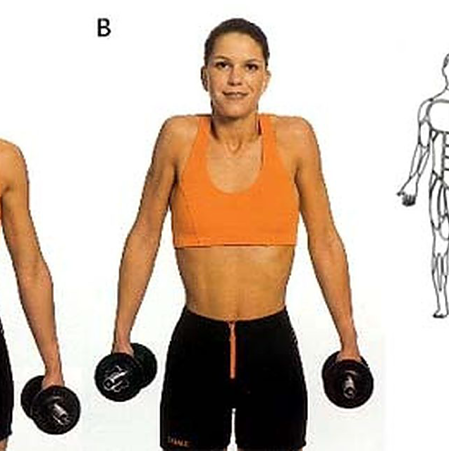
4. Shoulder Shrugs: Lift your shoulders towards your ears, hold them for a moment, and then relax them down—this exercise alleviates neck and upper back tension.
The Importance of Cooling Down
Cooling down is crucial to any exercise routine as it gradually allows your body to transition from high intensity to a resting state. By gradually reducing your heart rate and body temperature, a cool-down helps prevent blood pooling in your muscles, which can lead to dizziness or fainting.
Consider engaging in low-intensity exercises such as walking or gentle stretching to cool down effectively. It will help your body gradually return to its pre-workout state and promote circulation, allowing oxygen and nutrients to reach your muscles.
Essential Aftercare Tips
In addition to cooling down, proper aftercare is essential for preventing soreness and aiding muscle recovery. Here are some indispensable aftercare tips to incorporate into your post-workout routine:
1. Hydration: Replenishing fluids lost during exercise is crucial for muscle recovery. Staying hydrated is essential for your health. Drinking adequate water can help flush out the toxins from your body.
2. Nutrition: Consuming a balanced meal or snack within an hour after your workout can give your body the necessary nutrients to repair and rebuild muscles.
3. Foam Rolling: Foam roller can help release muscle tension and improve flexibility. Spend a few minutes targeting different muscle groups to alleviate tightness or knots.
4. Ice or Heat Therapy: If you experience any specific areas of soreness, applying ice or heat can help reduce inflammation and promote healing. Ice is recommended for acute injuries, while heat benefits chronic muscle soreness.
https://www.wealthyaffiliate.com?a_aid=352a86b2
