
I believe in doing things right from the start. When I gear up for strength training, I first focus on setting clear goals. When setting fitness goals, it’s essential to make them realistic and achievable, whether aiming to build muscle, increase strength, or improve overall fitness. This way, you avoid setting yourself up for disappointment and ensure that each workout moves you closer to your objectives.
Next, you should wrap your head around exercise form and function basics. It’s not just about lifting weights; it’s about using the correct form to target specific muscles and minimize the risk of injury.
Nutrition and hydration are non-negotiable pre-workout essentials. A balanced meal a couple of hours before exercising and adequate water intake can significantly impact your performance and endurance.
Don’t skip your warm-up—it primes your muscles for the demands of heavy lifting and can significantly reduce your risk of injury. A dynamic warm-up that mimics the movements you’ll be performing is your best bet.
Lastly, choose the right gear. It might include supportive footwear, weightlifting gloves, or a comfortable outfit that won’t restrict movement. The right equipment can make a difference in your workout’s effectiveness and comfort level.
Now, with a solid groundwork laid, it’s crucial to translate these preparations into action. Proper technique, which I’ll talk about next, is at the heart of all practical strength training.
Proper Technique: The Core of Effective Strength Training
You’re more likely to see results when you pay close attention to how you execute each exercise. This second section focuses on the technical aspects that form the crux of practical strength training.
The idea of a mind-muscle connection isn’t just buzzword fluff. It’s about actively thinking of the muscle you’re targeting during an exercise, which can lead to better muscle recruitment and growth. Imagine the muscle fibers contracting with every lift and release.
Let’s discuss the ‘big four’ technique: stance, grip, posture, and movement. Your stance is your foundation; it must be stable and appropriate for the exercise. The grip is equally critical; it must be secure but not so tight that it compromises circulation or causes unnecessary strain. Posture is your form’s backbone – maintaining a neutral spine can prevent many injuries. Movement, the fourth pillar, refers to the path an exercise follows. Each movement should be deliberate and controlled, respecting your body’s natural mechanics.
Breathing might seem secondary, but it’s a game-changer. Exhale on the effort, and inhale as you return to your starting position. Proper breathing can increase power and prevent a dangerous spike in blood pressure.
Errors in technique are common, but the good news is they’re fixable. It pays to seek feedback from a trainer or use a mirror to self-correct. Paying attention to the pain that doesn’t feel right is vital. Discomfort is part of the workout process; sharp or persistent pain is a red flag.
I encourage you to embrace exercises at your current ability level. If a movement is too challenging, consider regressions to simpler versions. As you strengthen, for added intensity and complexity.
I’ll move on to how you can sustain and build upon your strength training achievements, ensuring your efforts today translate into continuous improvement tomorrow.
Maximizing Gains: Advancing Your Strength Training
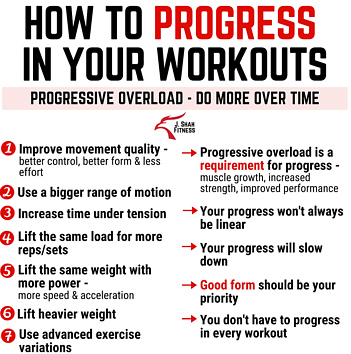
The journey to enhancing strength isn’t solely about your exercises; it’s about strategically organizing your efforts to ensure ongoing progress. It’s your game plan for continuously challenging your muscles in new ways, thus avoiding the dreaded plateau.
No less crucial are rest days and incorporating active recovery into your routine. It might seem counterintuitive, but muscle-building magic happens during rest, not just when you’re lifting weights. Rest days aren’t a sign of laziness; they’re an integral part of a sound training strategy, giving your muscles the time they need to repair and grow stronger.
Keeping a solid workout log is your roadmap to success. By diligently recording your workouts, you’re tracking your progress and identifying patterns and areas for improvement. It sharpens your focus and keeps you honest with your commitments.
What you eat has a profound impact on your strength training results. Coupling your workouts with the proper nutrition—the right mix of proteins, carbs, and fats—can significantly enhance muscle recovery and growth. The fuel drives your engine, so make sure you’re eating to support your training goals.
Finally, staying motivated is essential, as the path to increased strength and muscle mass is a marathon, not a sprint. Keep your eye on the prize and remind yourself why you started. Adjust your goals as you grow, celebrate the small victories along the way, and embrace the challenges; they prove that you’re pushing your limits and becoming a more robust version of yourself.
https://www.wealthyaffiliate.com?a_aid=352a86b2
