
https://weightliftingforpower.com/common-mistakes-to-avoid-when-starting-kettlebell-training/
When I first picked up a kettlebell, I quickly learned that this compact weight is a powerhouse for building strength, endurance, and flexibility. If you’re starting, you may already know that kettlebells can offer a full-body workout and deliver impressive fitness gains.

But there’s a catch: proper form is non-negotiable. Before commencing any physical activity, taking precautionary measures to prevent strain and injury, which can result from poor form or a lack of care, is crucial. That’s why focusing on technique from the outset is VITAL.
I’ve seen many beginners innocently incorporate mistakes into their routines. These include letting the lower back bear the brunt of the movement, gripping the kettlebell handle as if it were a lifeline, and forgetting the importance of controlled breathing.
Investing time with a certified kettlebell instructor can pay off in spades. They can guide you through the nuances of good form and help you avoid common pitfalls. This foundational step ensures that your kettlebell journey starts on the right foot – and sets the stage for everything that follows.
Now, as you become more comfortable with the technique, you will also need to pay attention to the tools of the trade themselves: your kettlebells. Let’s transition to the factors to consider when selecting the appropriate weight and taking care of your kettlebells, ensuring your fitness regimen is as effective as it can be.
Selecting Your Tools Wisely: Kettlebell Selection and Care
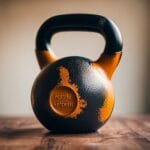
I’ve seen far too many beginners grab the heaviest kettlebell on the rack and struggle through a workout, only to end up discouraged or injured. It’s a common pitfall, but it’s easy to avoid with the correct information. When you’re choosing a kettlebell, it’s not about impressing anyone or jumping to advanced levels before you’re ready. It’s about knowing where to start.
As a beginner, lift a kettlebell you can control for at least 8-10 reps with good form. For most, that means starting lighter than you might think. There are typical starting weights, but testing different sizes is essential to find what works best for you. Experts suggest that men and women should begin weightlifting at 16 kg (35 lbs). Remember, mastering the movement is vital; the weight will increase as your technique and strength improve.
Now, let’s talk about selection in terms of materials and construction. Look for kettlebells with a smooth handle, a stable base, and a durable coating. These will serve you well and be kinder on your hands and floors. Cheaper, poorly constructed kettlebells might save money initially, but they could cause injuries or wear out quickly.
After bringing your kettlebell home, keeping it in good shape is just as important as picking the right one. Store it in a clean, dry place to avoid rust or damage. Regularly check for any changes in texture or stability, as these can affect your grip and overall safety.
The takeaway is simple: start with the right weight and a quality kettlebell. As you develop your skills, you won’t regret the thought and care you put into selecting your equipment. Speaking of development, let’s create a workout routine that aligns with your new tool, setting you on a path to safe and effective progress.
Structuring Your Path: Designing an Effective Kettlebell Routine
Avoid to swing that kettlebell with gusto right from the get-go but take a step back. A well-structured workout routine is critical to reaping the full benefits of kettlebell training without burning out. Crafting your kettlebell plan requires a thoughtful balance of strength, endurance, and ample recovery time.
A standard error is going all in every day. It is a surefire route to overtraining, which stalls your progress and increases the risk of injury. Instead, start with a moderate schedule. It could be three days a week, twenty minutes for each session, complemented by rest or active recovery days. This schedule sets the stage for consistent growth and lets your body adapt.
Your routine should include a mix of kettlebell exercises that target different muscle groups. By doing so, you ensure balanced development. Swings, Turkish get-ups, snatches, and squats could form the backbone of your training. These movements hit multiple muscle groups and teach you about body mechanics.
Incorporating variety into your routine isn’t just to stave off boredom — it’s essential for continued progress. Over time, your body becomes accustomed to the same movements, which can lead to plateaus. Introduce new exercises or variations, alter your rep scheme, or change your weights periodically.
While kettlebells can be at the core of your fitness regime, they shouldn’t stand alone. Pairing kettlebell workouts with other forms of exercise, like running, swimming, or yoga, can augment your fitness by building cardiovascular health and flexibility and preventing muscle imbalances.
Progressing Safely: Listening to Your Body and Making Adjustments
As you develop your kettlebell training regimen, tuning into your body’s signals is vital. Think of it as the ultimate feedback loop—your body.
It’s crucial to avoid the difference between the soreness from a good workout and the pain that signals injury. Avoid sharp pain or discomfort that persists, it’s your body urging you to stop and reassess.
Remembering kettlebell workouts requires you to be mindful of your body’s abilities and limitations, and avoiding overexerting yourself is best. This so-called ego lifting—adding more weight than you can handle safely—sets you up for setbacks. Always prioritize form over the amount of weight you are lifting.
Rest days are not an interruption but a fundamental part of your training. These days aren’t signs of slacking; they are active recovery periods allowing your muscles to rebuild and your strength to increase.
Keep a training log. Recording your workouts helps you track your progress and informs decisions about when to increase the intensity or weight. It’s factual input for making intelligent, informed adjustments to your training.
https://www.wealthyaffiliate.com?a_aid=352a86b2
