https://weightliftingforpower.com/common-mistakes-to-avoid-when-using-kettlebells-for-abdominals/
Kettlebells For Abdominals
When working out with kettlebells, nailing the right form is key to getting the most from your efforts and avoiding injuries. Proper form isn’t just a buzzword in fitness circles. It’s your safeguard against needless strains that can put a damper on your workout plans.Engaging your muscles the right way means fewer injuries and maximizes your workout’s effectiveness. Your abs and assisting muscles work better under the right conditions.
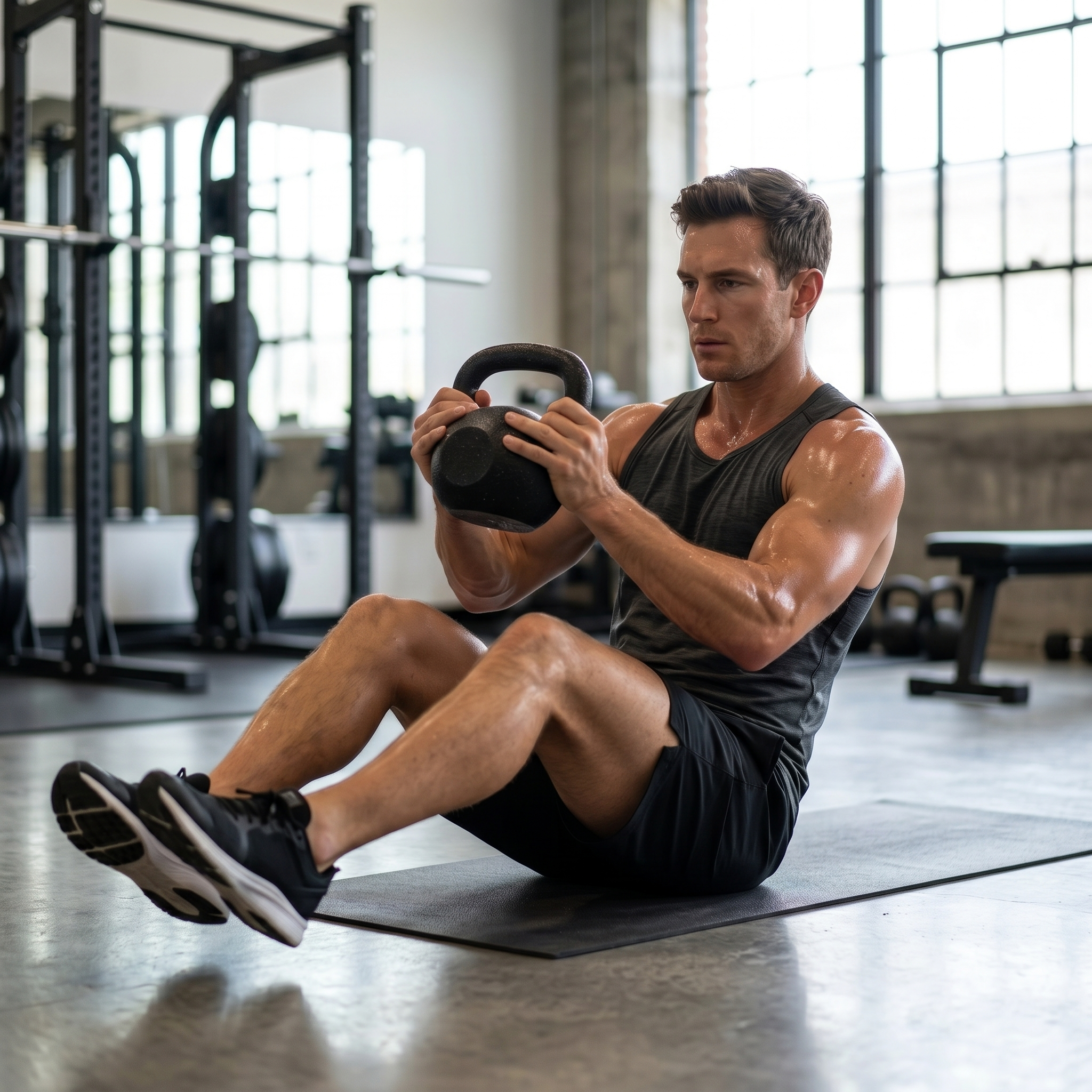
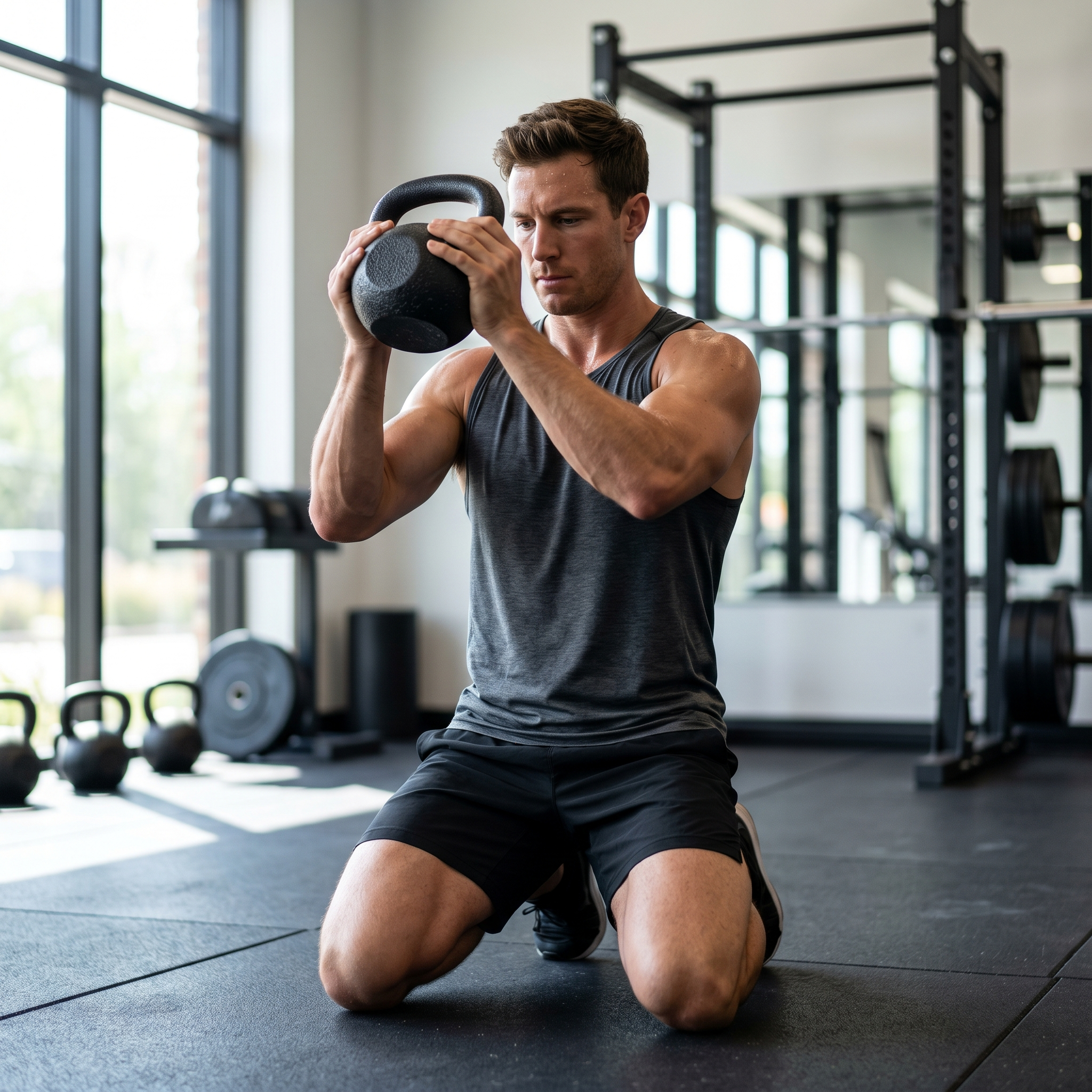
Results come quicker and last longer when your form is on point.One common pitfall for beginners is hunching over or overextending, which leads to a bad back and poor results. It’s easy to overlook, especially during reps, but remember to watch your posture.Consistently practicing correct form requires mindfulness and attention to detail. Start by focusing on your stance. Keep your spine neutral and movements controlled. Practicing in front of a mirror or seeking guidance from a seasoned kettlebell instructor can help. As you progress, maintaining this will become second nature.
Choosing the Right Kettlebell Weight
Picking the right kettlebell weight sets the foundation for a productive workout. Heavier isn’t always better and can lead to poor form and injury, especially for beginners. Find a weight that challenges you without compromising technique.Choosing a kettlebell that’s too light isn’t the solution. You’ll breeze through reps but might miss the strength gains you want. A weight that properly challenges your abdominals ensures you get the most from each workout.
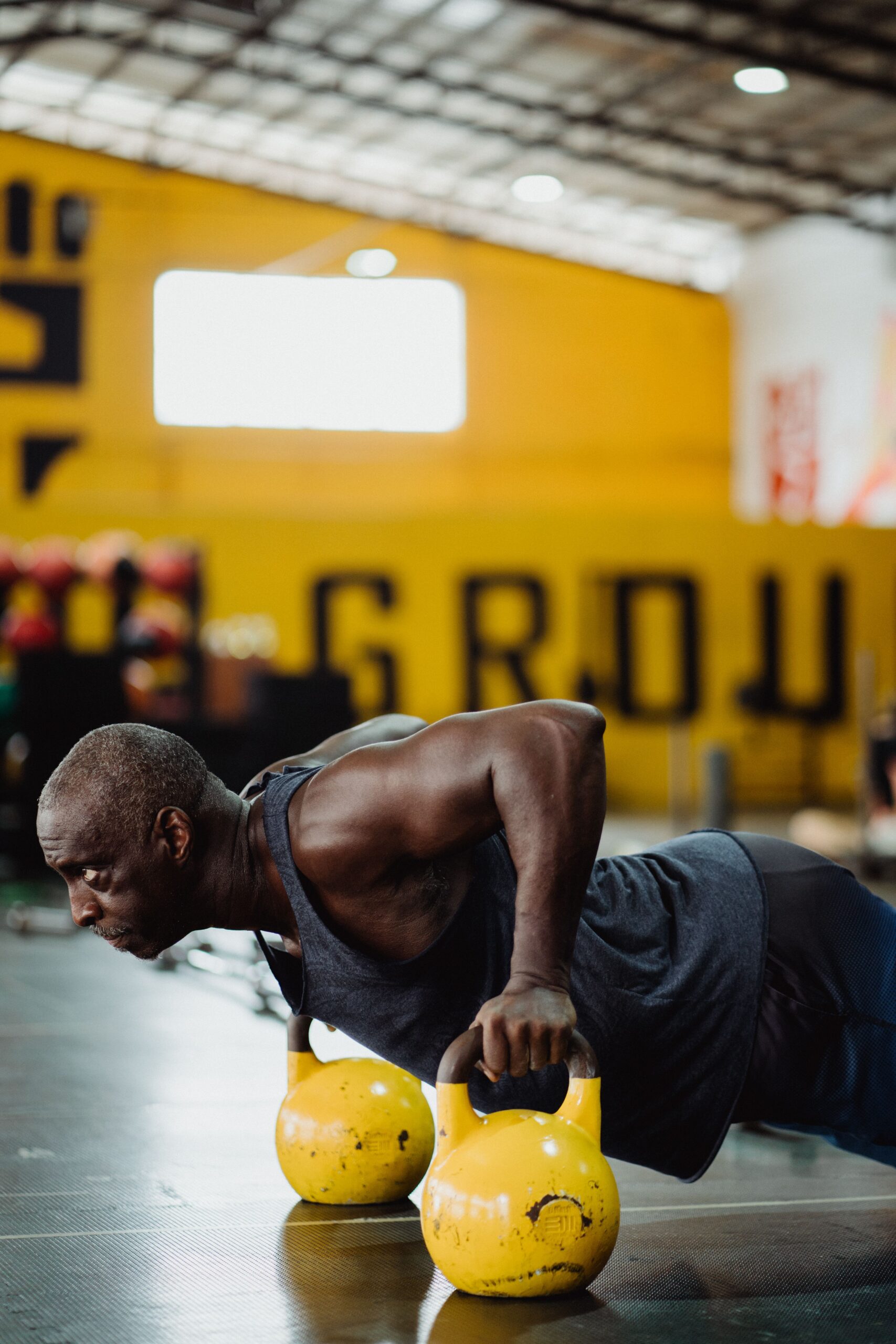

As a guideline, beginners often start with a kettlebell around 5 to 10 kilograms. Women usually choose the lighter side, men the higher end. Prioritize form and control over speed when powering through sets.As your strength and confidence grow, adjust your kettlebell weight to keep workouts effective. Gradually increase weight while maintaining good form to keep the challenge and results consistent. Thoughtful adjustments help avoid plateaus and keep sessions rewarding.
Setting Realistic Goals for Abdominal Workouts
Setting fitness goals can be exciting, but it’s easy to get carried away. Aiming too high too fast often leads to frustration or injury. Think of your fitness journey as a marathon, not a sprint. Break larger goals into smaller, attainable milestones to stay motivated and on track.Ever been tempted to push through workouts when fatigued? Overtraining is a real issue, especially when eager to build abs quickly. Your body needs rest as much as exercise. Muscles grow stronger by recovering.Balancing workout intensity and downtime can make or break your fitness journey.
A plan that considers both prevents burnout and supports sustained progress.If you’re wondering where to start, consider setting SMART goals—specific, measurable, achievable, relevant, and time-bound. This approach gives your workouts direction and purpose, helping you craft a fitness plan that fits into your life. A sustainable routine doesn’t happen overnight, but with planning, it can become a natural part of your daily life.
Avoiding Unbalanced Workout Routines
Focusing only on your abs might sound appealing for a beach-ready look, but it can hamper your overall fitness. Your abs may benefit from the spotlight, but without a strong back and core, gains can be short-lived or uneven.Your workout should include all muscle groups for a balanced physique and functional strength. Include exercises targeting your back, legs, arms, and core. This builds a foundation that supports every movement.
Core workouts can be seamlessly integrated into a full-body routine. Combining kettlebell swings, goblet squats, and Turkish get-ups, for instance, can target multiple muscle groups at once, giving your routine a well-rounded approach.Sample routines balancing intensity across muscle groups provide a great template, especially if you’re new to planning. Diverse exercises ward off boredom and ensure you challenge different muscles, preventing imbalances over time.
Short But Strong: Top Muscle-Building Workouts Under 30 Minutes
Benefits Of Regular Arm Workouts For SeniorsSimple At-Home Arm Exercises For People Over 60Staying Active:
Low-Impact Back Exercises For Older Adults
Strength Training For Seniors: Building Muscle After 60
Step-by-Step Kettlebell Routine For A Defined Midsection