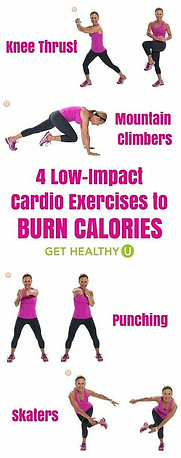
When discussing cardiovascular exercise, also known as cardio, I’m referring to that essential cluster of activities that get the heart pumping faster and the body moving. Running, cycling, and swimming are prime examples, but many other forms exist. Regardless of your choice, the common thread is the rhythmic and sustained nature of these exercises, designed to strengthen the most vital muscle in your body: your heart.
The link between cardio and weight loss revolves primarily around energy expenditure. As you engage in these activities, your body burns calories to fuel movement. The more vigorous the workout, the higher the calories you’ll burn, which can directly contribute to a caloric deficit needed for weight loss. But it’s not just about burning calories at the moment. Cardio exercises can also enhance the metabolism, which means your body keeps burning calories at a higher rate even after you’ve stopped exercising.
Understanding how heart rate affects fat burning is pivotal. There’s often talk about ‘fat-burning zones’ – specific heart rate ranges where the body purportedly shifts to use more fat as fuel. However, the key takeaway here shouldn’t be to obsess over precise heart rates but to maintain a steady level of exercise that challenges you enough without overexertion.
It’s also essential to clear the air on some myths about cardio and weight loss. One common claim is that cardio alone is all you need to lose weight effectively. Although it can be a powerful tool, it’s most effective when paired with a balanced diet and strength training exercises. Another misconception is that you must do long daily cardio sessions to see benefits. In reality, more than duration, consistency paves the way for success.
As you step into the role of your health advocate, I encourage you to take what you’ve learned here about the essentials of cardio and apply that knowledge as we proceed. Next, we will delve into the scientific specifics: the impact of cardiovascular exercise on weight loss and how to tailor it to your benefit.
Measuring the Impact: Cardiovascular Exercise’s Direct Effects on Weight Loss
Decades of research have highlighted how cardiovascular exercise can be a powerful tool for weight loss. One key finding is that consistent cardio activity increases calorie burn, tipping the energy balance scale towards weight reduction.
The intensity and duration of our workouts are crucial. For example, high-intensity interval training (HIIT) is known for its ‘afterburn effect,’ which ramps up calorie burning even post-workout. Meanwhile, longer, moderate exercises like jogging or cycling can steadily sustain calorie burn, essential for weight loss.
Personal stories and weight loss journeys shared online bear witness to the power of cardio. These narratives often highlight how adding regular cardio to their routines catalyzes tremendous weight loss transformations.
What’s essential is integrating cardio to complement our lifestyle and dietary habits. This holistic approach can lead to sustainable weight loss and, equally important, weight management in the long run.
Sustaining the Beat: Long-Term Cardiovascular Health and Weight Management
The benefits of cardiovascular exercise extend far beyond the immediate satisfaction of completing a workout. For effective weight management, thinking long-term and considering how to maintain cardiovascular health is crucial. It isn’t just about shedding pounds; it’s about building a sustainable lifestyle that keeps those pounds off.
A body accustomed to regular cardiovascular exercise is like a finely tuned engine, burning fuel more efficiently. Cardio boosts metabolism over time, which not only helps burn calories but also improves overall energy levels and well-being. Effectively, it’s not just about the calories you burn during exercise but also those your body continues to burn at rest.
Creating a cardio routine you can stick to is critical. This might mean cycling, swimming, or simply taking brisk walks. The important thing is that you enjoy it, ensuring you’ll ‘stay engaged for the long haul. As your endurance improves, you’ll find it easier to keep at it, and the habit will become a part of your life.
Ultimately, cardiovascular exercise is not a solitary player in the quest for health. It works best in concert with balanced nutrition and mental wellness. Combining these elements gives you the best chance of success, marking your path toward lasting health and a stable weight.
https://www.wealthyaffiliate.com?a_aid=352a86b2

