https://weightliftingforpower.com/calf-exercises-for-beginners/exercise-for-strength/admin/
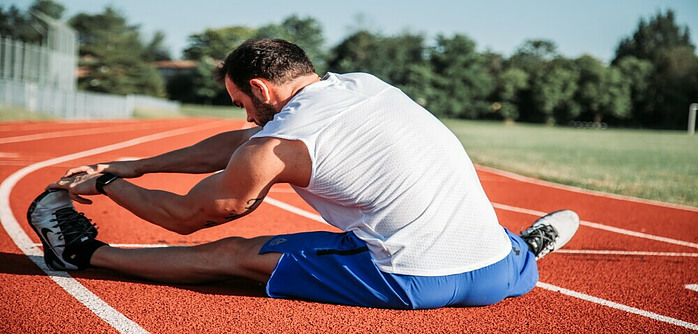
Beginner-Friendly Calf-Strengthening Fundamentals
Are you looking to build solid and toned calves but need help figuring out where to start? Fear not, because we’ve got the beginner-friendly calf-strengthening fundamentals you need! The calf raise is one of the most basic yet practical exercises for calf strengthening. This simple move can be done anywhere, anytime, and requires no equipment. Rise onto the balls of your feet as high as possible and then lower back down, beginning by standing with your feet shoulder-width apart.
Another fantastic way to work those calves is by incorporating uphill walking or hiking into your routine. The incline will engage your calf muscles more intensely than flat ground walking, providing an excellent workout for beginners looking to strengthen their lower legs. The thrill of conquering a hill will give you a sense of accomplishment and excite you for your next workout. Additionally, consider the power of proper stretching before and after your workouts. Adequate stretching will help improve flexibility and reduce the risk of injury while ensuring you get the most out of your calf-strengthening efforts.
Acknowledging the significance of strengthening the calf muscles regarding overall leg health is crucial. Strong calf muscles provide stability and support the ankles and play an essential role in maintaining proper posture and balance. Neglecting the calf muscles can increase the risk of injury, especially during physical activities requiring sudden direction changes or quick bursts of speed.
Develop stronger calf muscles by focusing on the gastrocnemius along with other muscles. Incorporating calf exercises into your fitness routine will help you achieve toned and defined legs. Pay attention to this vital muscle group. Start working on your calf muscles today. Soleus muscles play a crucial role in lower body movement and stability. The gastrocnemius, the larger of the two muscles, originates from the two femoral condyles and inserts into the Achilles tendon.
Safety and proper technique should be the top priorities when starting calf exercises as a beginner. “To avoid getting hurt,” it’s crucial to start with low-impact exercises such as calf raises on flat ground before progressing to more intense workouts. Also, maintaining proper form is essential for effectively targeting the calf muscles and reducing the risk of strain or discomfort.
As a beginner, focusing on slow, controlled movements allows better muscle engagement and minimizes the chance of overexertion. It’s also important to remember that consistency is critical when building strength in the calves. By gradually increasing intensity and incorporating variations like single-leg calf raises, beginners can develop a strong foundation while minimizing the risk of injury. With attention to detail and patience, mastering calf exercises can lead to impressive results and reduced risk of setbacks.
Low-impact calf exercises offer a range of benefits that often go overlooked. Not only do they provide an effective way to strengthen the lower leg muscles, but they also provide high-impact activities. Individuals can gradually build endurance and strength without straining their muscles or joints using low-impact calf exercises.
Furthermore, low-impact calf exercises help improve balance and stability, which is essential for various daily activities and sports performance. Additionally, by incorporating these exercises into a routine, individuals can enhance blood circulation in the lower legs and reduce the likelihood of developing conditions such as shin splints or Achilles tendonitis. Ultimately, by emphasizing low-impact calf exercises at the outset, individuals can lay a solid foundation for more intense workouts while minimizing the risk of overexertion or strain on their calves.
It is crucial to set practical goals to keep oneself motivated. By setting attainable objectives, individuals can experience a sense of accomplishment as they reach each milestone. It’s necessary to break larger goals into smaller, manageable tasks to avoid feeling overwhelmed. Tracking progress provides tangible evidence of growth and keeps motivation high.
Practical Calf Exercises Beginners to Kickstart Muscle Growth
The standing calf raise is fundamental for targeting the calf muscles and improving lower body strength. Apart and placing to ensure proper form. Engage your core and keep your posture straight. Back while exercising to prevent strain on the spine. Elevate your workout by placing the balls of your feet on a step or weight plate.
As you begin the exercise, slowly raise your heels off the ground by “Propelling through the front part of your feet.”, lifting yourself as high as possible without compromising your balance. Hold this position for a second to maximize contraction in the calf muscles before slowly lowering your heels below parallel to complete one repetition.
Executing a seated calf raise may seem straightforward, but proper form is crucial to maximize its benefits. Thanks for the reminder! When using the machine, I continually adjust the weight to a level that’s appropriate for me. It’s crucial to find a weight that’s not too heavy or too light to avoid injury and get the most out of my workout. Sit flat on the footrest and position your knees under the pads. When you lift the weight using your toes, concentrate on a gradual and deliberate motion, which enables your calf muscles to stretch and contract fully.
It’s also important to avoid locking out your knees at the top of the movement, as this can shift the workload away from your calves. Additionally, neglecting to use a full range of motion can limit muscle activation and lead to less effective results. By being mindful of these points and prioritizing technique over heavy loads, you can optimize your seated calf raises for greater strength and growth in your calf muscles.
Calf stretches are more than just a quick post-workout routine; they are crucial in maintaining muscle flexibility and preventing injuries. While many focus on stretching larger muscle groups, the calves often need to be noticed, leading to tightness and potential strain during physical activities. By integrating calf stretching exercises into your usual workout plan, you can boost the flexibility of your lower body and enhance your range of motion.
https://youtu.be/?si=tF3u6YKnS0qaPLqd

Hi Sojiel,
Your article on calf exercises for beginners is really helpful, especially the focus on starting with low-impact exercises and progressing gradually. The detailed descriptions and practical tips are great for anyone new to strength training. I’m curious about how often beginners should perform these exercises for optimal results without overdoing it. Could you suggest a balanced workout frequency for someone just starting?
Thank you for your work and for sharing these beneficial tips!
Warm regards,
Makhsud
Yes twice a week would be the ideal on working calfs muscles since you are already working on your calfs doing other exercise such as walking running exercises indirectly. Many reps since calf muscles are high red fiber blood cells that needs the stimulation.