
Unlocking the Benefits: Why Warm-Ups Are A Must
Warming up aims to prepare the body for physical activity by gradually increasing heart rate, circulation, and body temperature. This process optimizes the delivery of oxygen and nutrients to muscles. Additionally, warm-ups activate the nervous system, enhancing coordination, reaction time, and muscle recruitment. Individuals can improve their performance during exercise or sports activities by engaging in a warm-up routine.
The Components of a Warm-up
A well-rounded warm-up typically consists of three main components: cardiovascular exercise, stretching, and sport-specific movements. The cardiovascular component involves low-intensity activities such as jogging, cycling, or jumping jacks. Following the warm-up, perform stretching exercises that target major muscle groups to enhance flexibility and minimize the risk of muscle strains or tears. Finally, sport-specific movements mimic the actions performed during the primary activity or sport, preparing the body for specific demands.
The Physiological Benefits
Engaging in a proper warm-up routine offers several physiological benefits:
- It increases muscle temperature, which improves muscle elasticity and contractile strength. It allows for more excellent force production and reduces the risk of muscle injuries.
- Warm-ups stimulate the release of synovial fluid in the joints, lubricating them and reducing friction during movement. It helps to prevent joint injuries and enhance overall joint mobility.
When temperatures are warm, the body’s energy systems are activated, which increases the availability of essential energy substrates like glucose and fatty acids. These energy substrates are necessary for optimal performance, making it important to maintain warm temperatures.
The Importance of Injury Prevention
Ensuring athlete safety is crucial not just for their health but also for their performance. Injuries can be a significant setback in an athlete’s journey, potentially leading to long-term implications.
One of the critical aspects of injury prevention is proper warm-up and stretching exercises. A thorough warm-up routine can reduce the risk of muscle injury by increasing blood flow and flexibility. Additionally, incorporating strength and conditioning exercises into training programs helps build muscular strength and stability, reducing the risk of injuries.
Improving Performance through Injury Prevention
Injury prevention not only keeps athletes safe but also enhances their performance. When athletes are free from the fear of getting injured, they can focus more on their training and technique. This leads to improved skill development and increased confidence, vital for achieving peak performance.
Furthermore, injury prevention programs often include exercises that target specific muscle groups used in a particular sport or activity. By strengthening these muscles, athletes can improve their overall performance.
Enhanced Physical Performance
Warm-ups play a crucial role in enhancing physical performance during athletic activities. By gradually increasing heart rate, blood flow, and body temperature, warm-ups prepare the body for exercise demands. This process helps to improve muscle elasticity and joint mobility, enabling athletes to move more efficiently and effectively. Additionally, warm-ups activate the nervous system, enhancing coordination, reaction time, and proprioception. These physiological changes improve speed, power, agility, and athletic performance.
Your Exercise Primer: How To Warm Up Effectively
Dynamic Stretching:
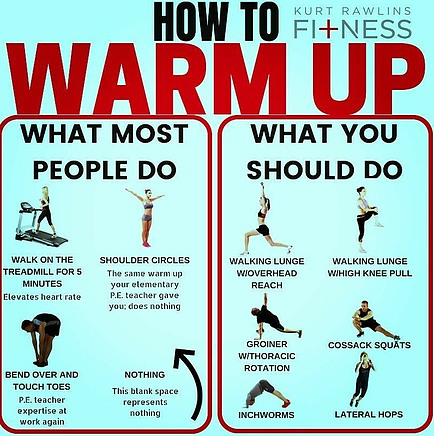
Dynamic stretching is a method of exercise that requires moving different body parts through their complete range of motion. Incorporating exercises like leg swings, arm circles, and walking lunges in your pre-workout routine will help prepare your muscles for the specific movements during your workout. Dynamic stretching allows you to take control of your performance and achieve better results.
Cardiovascular Exercise:
You can warm up before your main workout by doing cardiovascular exercises such as jogging, cycling, or jumping jacks. It helps to prepare your muscles for more intense physical activity. Additionally, it helps improve endurance and overall cardiovascular fitness.
Joint Mobilization:
Joint mobilization exercises, like wrist circles, shoulder rolls, or ankle rotations, are your body’s best defense against injury. This proactive approach to fitness enhances your performance and gives you the confidence to know you’re reducing your risk of injury during exercise.
Specific Movements:
An effective warm-up routine must incorporate specific movements related to your chosen exercise or sport. These movements mimic your actions during your workout and help activate the muscles involved. For example, if you are about to engage in weightlifting, performing a few sets of light weights with proper form can prepare your muscles for the heavier loads.
Dynamic and static stretches, each playing a unique role, significantly enhance your workout routine. Dynamic stretches require you to move your body parts through a complete range of motion; in contrast, static stretches involve:
- “Stretching a muscle and holding it in a fixed position for an extended period without any movement.”
- We are reaching a particular position.
- They are holding it for 15-60 seconds.
The Benefits of Dynamic Stretches
Performing dynamic stretches before exercising can enhance overall performance by increasing body temperature and muscle blood flow.
The Benefits of Static Stretches
Static stretches, on the other hand, offer a calming and soothing effect. While dynamic stretches are generally recommended before exercising, static stretches still have their place in a well-rounded stretching routine. They are most effective after a workout or during a separate stretching session. Improving flexibility and elongating muscles promotes better posture and reduces muscle soreness.
The Importance of Warm-Up
Before diving into the ideal time allocation for warm-up, it is crucial to understand why it is necessary. Warm-up exercises gradually increase heart rate and body temperature, which helps loosen up muscles and joints. This process enhances flexibility and range of motion, making performing exercises correctly and efficiently easier.
Duration of Warm-Up
The duration of a warm-up can vary depending on age, fitness level, and workout intensity. As a general guideline, a warm-up should last between 5 to 10 minutes. This timeframe allows the body to prepare without exhausting energy reserves during the main workout. However, a longer warm-up may be necessary for more intense activities or high-impact sports. Athletes in competitive sports often allocate 15 to 20 minutes for warm-up exercises to ensure optimal performance and injury prevention.
Components of Warm-Up
A well-rounded warm-up routine typically includes several components. Gradually increase your heart rate with light aerobic exercise, like jogging or brisk walking. Follow this with dynamic stretches that target major muscle groups, focusing on movements that mimic those used during the main workout. Incorporating sport-specific drills or exercises can also be beneficial, especially for athletes. Finally, it is essential to listen to your body during warm-up. Modify or skip specific exercises to prevent injury if any discomfort or pain arises.
Cardio Exercises:
A dynamic warm-up routine is essential for cardio exercises like running, cycling, or swimming. Follow this with dynamic stretches such as high knees, butt kicks, or leg swings to further loosen up the lower body. Incorporating arm swings or shoulder rolls can also help warm the upper body.
Strength Exercises:
Start with a few minutes of light cardio activity to get your blood flowing. Then, perform dynamic stretches targeting the major muscle groups you will work on. For example, lunges or squats can help warm the legs, while arm circles or push-ups can prepare the upper body.
Flexibility Exercises:
Flexibility exercises such as yoga or Pilates require a specific warm-up routine to enhance joint mobility and prevent muscle strains. Begin with gentle movements like neck rolls, shoulder rotations, or wrist circles to warm up the upper body. Then, move on to dynamic stretches targeting the major muscle groups in your flexibility workout. For example, leg swings or hip circles can help warm the lower body.
Indoor Warm-Up
When it comes to indoor warm-ups, one of the primary advantages is the controlled environment. Individuals can regulate temperature, humidity, and lighting conditions to suit their preferences. This controlled setting allows for consistent warm-up routines, regardless of external factors like weather or time of day. Additionally, indoor spaces often provide a range of equipment and facilities for warm-ups, such as treadmills, stationary bikes, or stretching mats. These resources can enhance the warm-up experience by offering a variety of exercises and stretching options.
Outdoor Warm-Up
Outdoor warm-ups provide a unique set of advantages. Firstly, being in nature can positively impact mental well-being, reducing stress and increasing motivation. The changing scenery and fresh air can create a more enjoyable warm-up experience.
https://www.wealthyaffiliate.com?a_aid=352a86b2
