Exploring Variations In Arm Workouts To Enhance Power And Performance

https://weightliftingforpower.com/exploring-variations-in-arm-workouts-to-enhance-power-and-performance/

Arm Workouts To Enhance Power

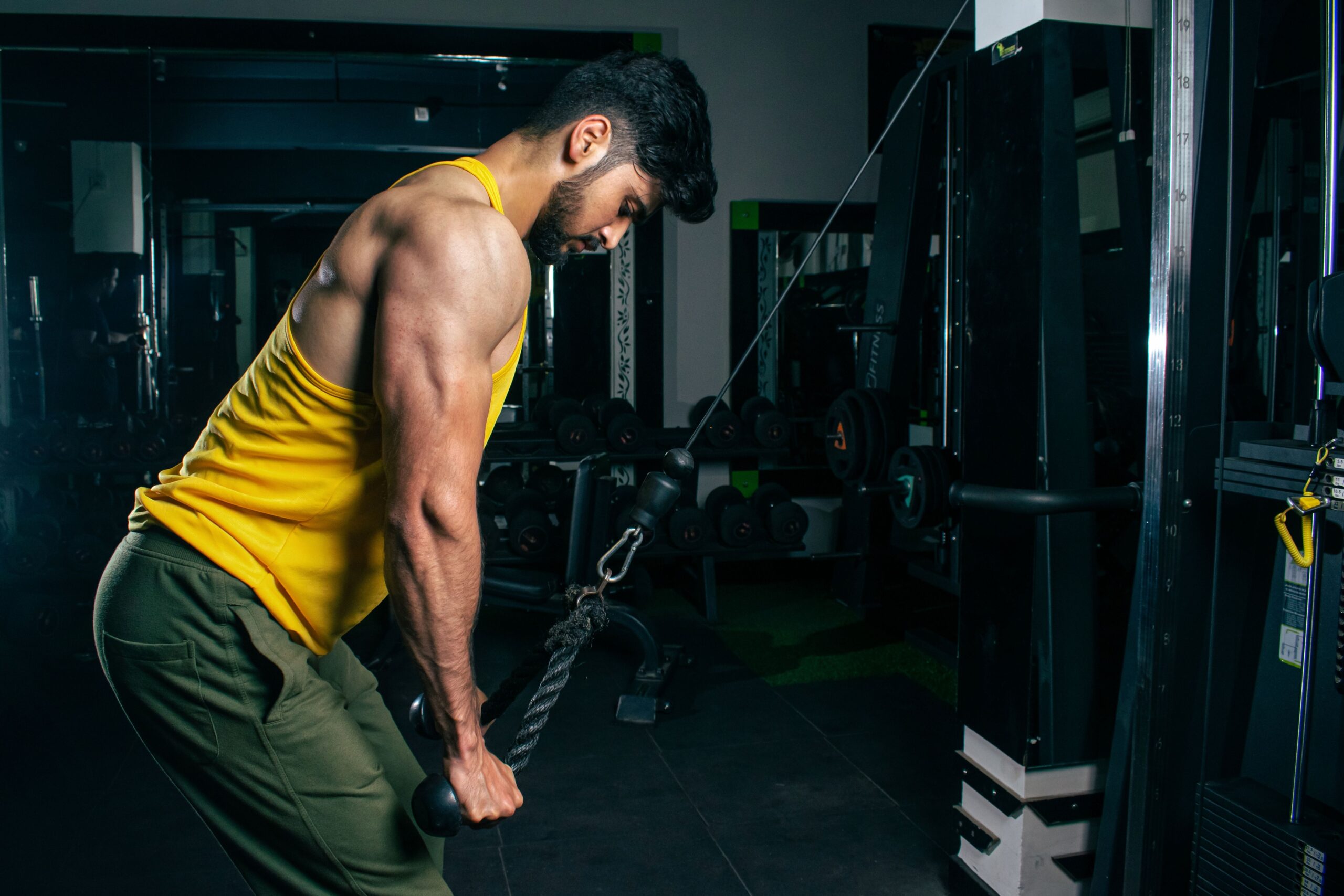
Getting a good grip on the basics of arm workouts starts with understanding what makes up those powerhouse limbs. We’re talking about the main players: the biceps, triceps, and forearm muscles. Each has its job, whether pushing, pulling, or holding strong during your daily activities.Before you start crunching out reps with variations, it’s crucial to lay down a solid foundation. This isn’t just about looking good in a T-shirt—though that’s a perk—it’s about setting the groundwork for peak power and performance. Safe and effective are the names of the game here.


Arm Workouts To Enhance Power

Arm Workouts To Enhance Power

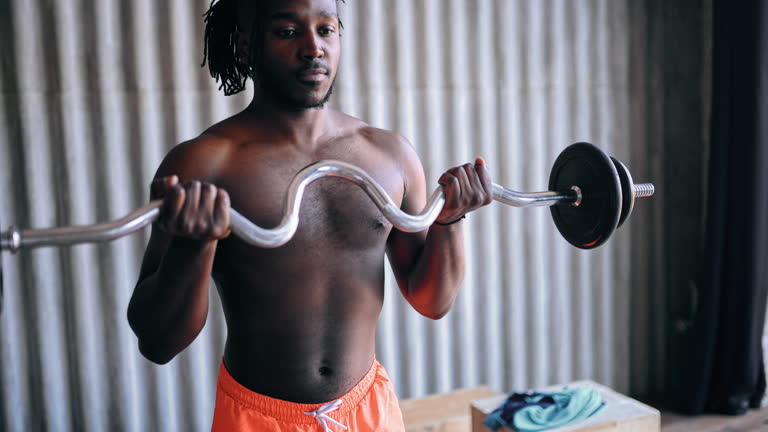
Let’s kick things off with the staples. Bicep curls build the front arm muscles, essential for pulling and lifting tasks. Meanwhile, triceps dips work on pushing strength, hitting the muscles in the back of your arms. Don’t overlook wrist curls; these unsung heroes boost your grip strength, making everything else more effective.Remember, mastering these basics primes your muscles and gets your body used to a regular workout routine, minimizing injury risk. Once these core exercises become second nature, you’re poised to spice things up with more advanced variations.

Exploring Diverse Arm Workout Techniques for Enhanced Power

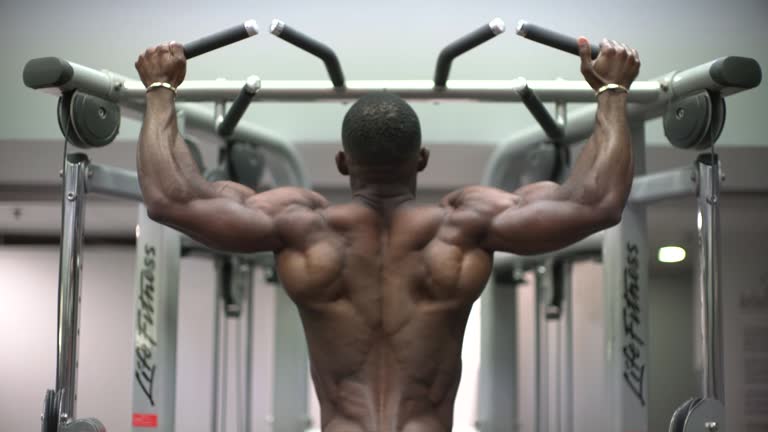
After laying down a solid foundation, it’s time to beef things up by integrating more diverse arm workouts. A well-rounded routine isn’t just about burning out your arms; it’s about creating a dynamic program that addresses all facets of strength and performance.Compound movements are an excellent way to kick things up. Exercises like push-ups and pull-ups engage multiple muscles at once, promoting better growth and stability. For instance, pull-ups target the biceps and back muscles, giving you more bang for your buck.

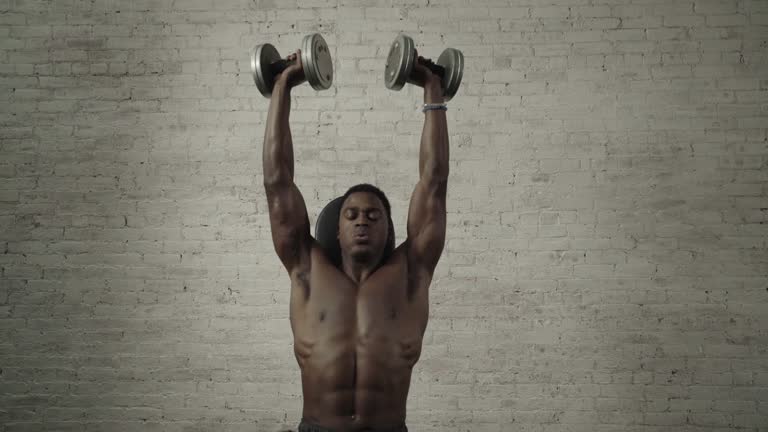
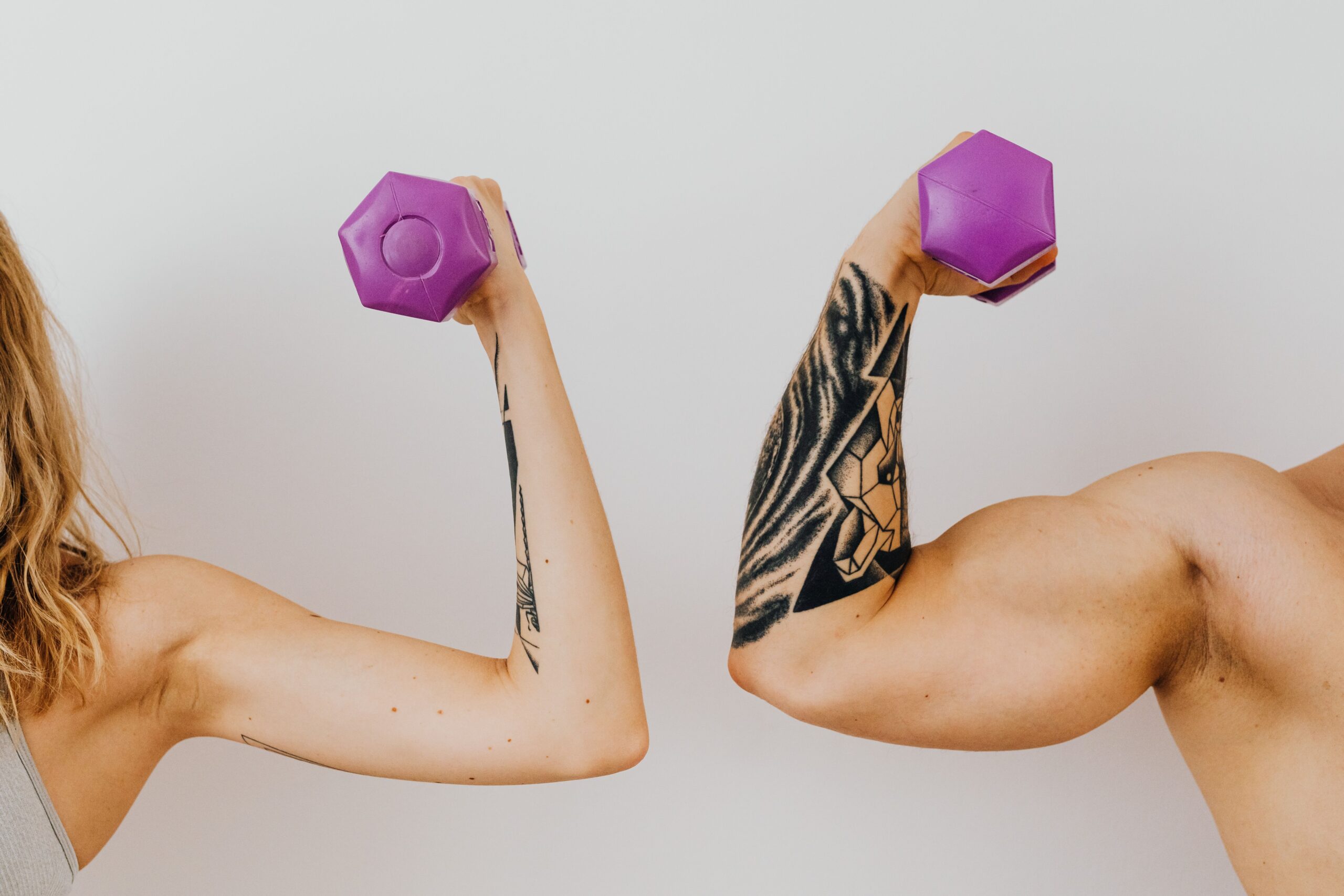
Meanwhile, push-ups are a classic for a reason, hitting your triceps and chest effectively.Adding isolated exercises focuses on specific muscle groups, allowing targeted improvements. Think of concentrated movements that zero in on areas needing extra attention. Seated bicep curls or triceps kickbacks isolate and refine those muscles, encouraging balanced strength development.Weight training is a staple if building muscle mass is part of your plan. Whether using dumbbells, barbells, or kettlebells, progressively overload your muscles by increasing weight or reps to push past previous limits.
Arm Workouts To Enhance Power

This method builds strength and enhances muscle endurance.Mixing up your techniques keeps your muscles guessing and growing. It’s not just variety for the sake of it; it’s about crafting a workout plan that propels you toward your performance goals, strengthening and defining your arms with intention and purpose.

Discovering Unconventional Arm Workouts to Boost Performance

Once you’ve nailed down diverse techniques, exploring unconventional workouts offers new challenges and benefits. These exercises keep things fresh and target the arms in unique ways, enhancing overall performance.Bodyweight exercises add a twist, demanding balance and full-body coordination. Moves like planche or handstands work your arms hard and engage your core and shoulders. It’s about harnessing your body’s weight as resistance, a true test of strength and control.Isometric holds come next. Taking a stance and maintaining it builds endurance and tones muscles.
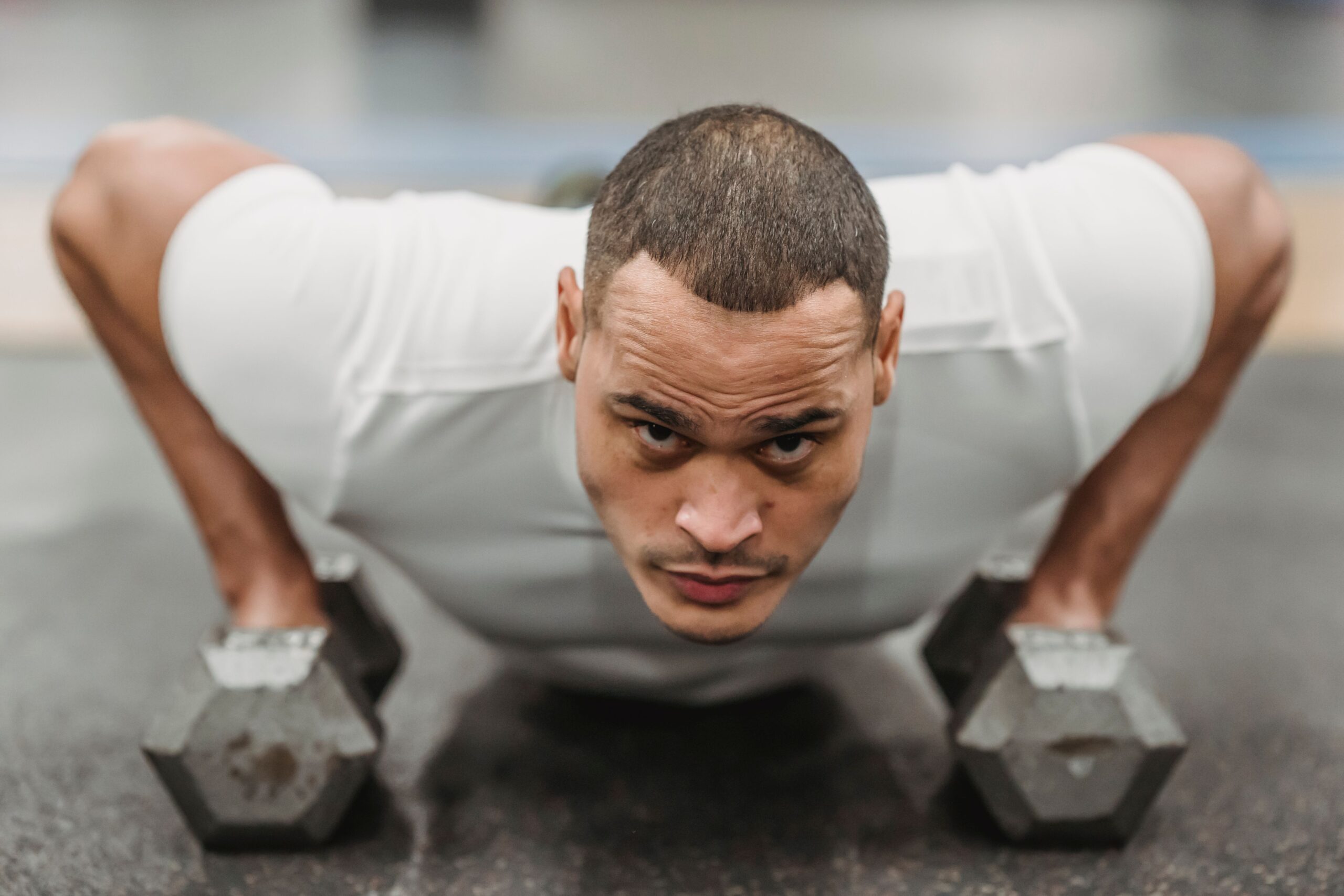
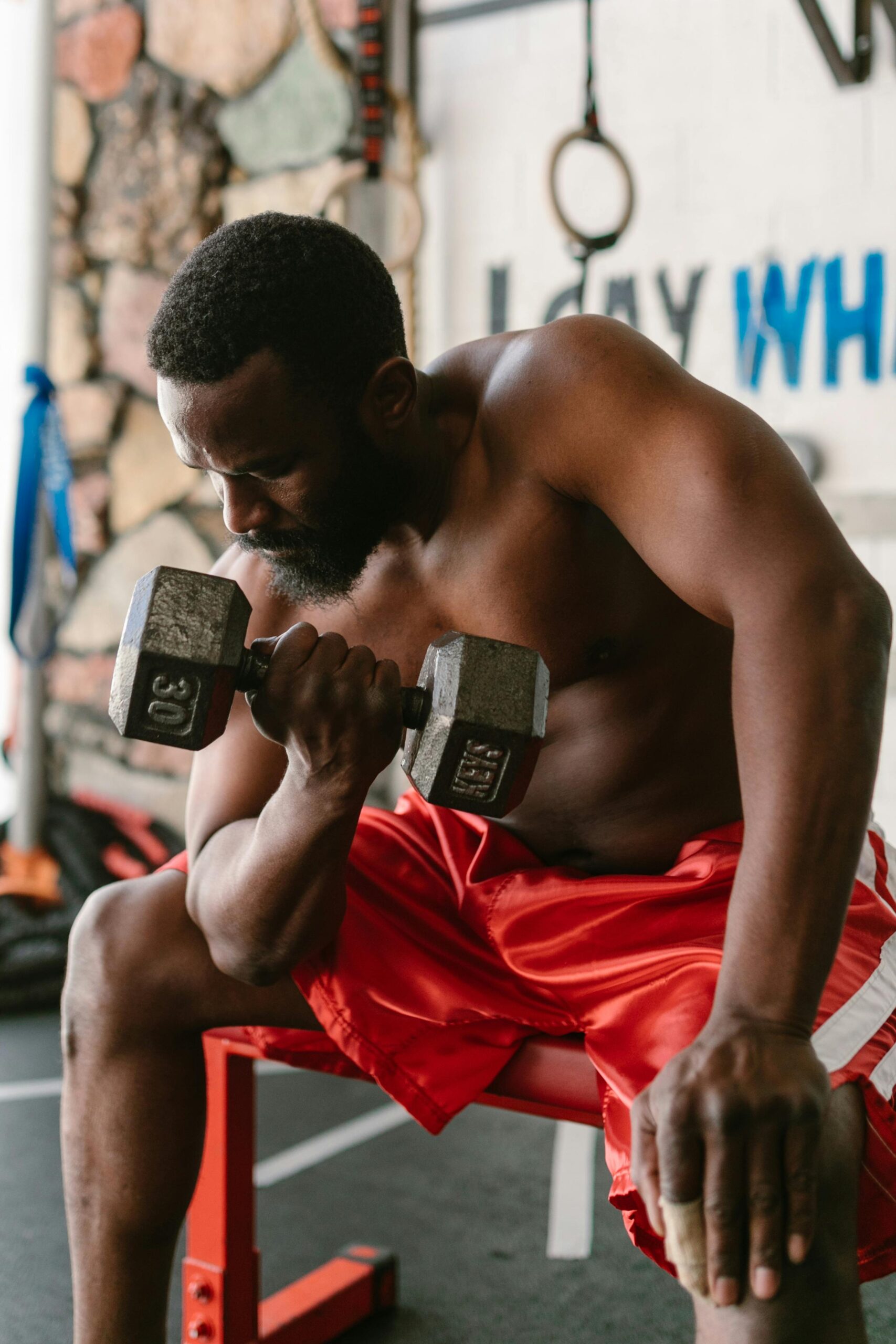
Arm Workouts To Enhance PowerArm Workouts To Enhance Power

Try holding a plank or wall sit to engage your arm muscles differently, proving that stillness can be tougher than movement. are often overlooked, but they’re like carrying a portable gym in your bag. They offer tension-based training, which is ideal for enhancing endurance, flexibility, and muscle activation. Incorporate exercises like band curls or tricep extensions to push your muscles into different realms of training.Switching up your routine with these unique workouts challenges your body in new directions, paving the way to stronger, more resilient arms. Venturing beyond traditional weights opens exciting possibilities, ensuring your fitness journey is anything but ordinary.

Personalizing Arm Workouts: Tips for Long-term Growth and Success
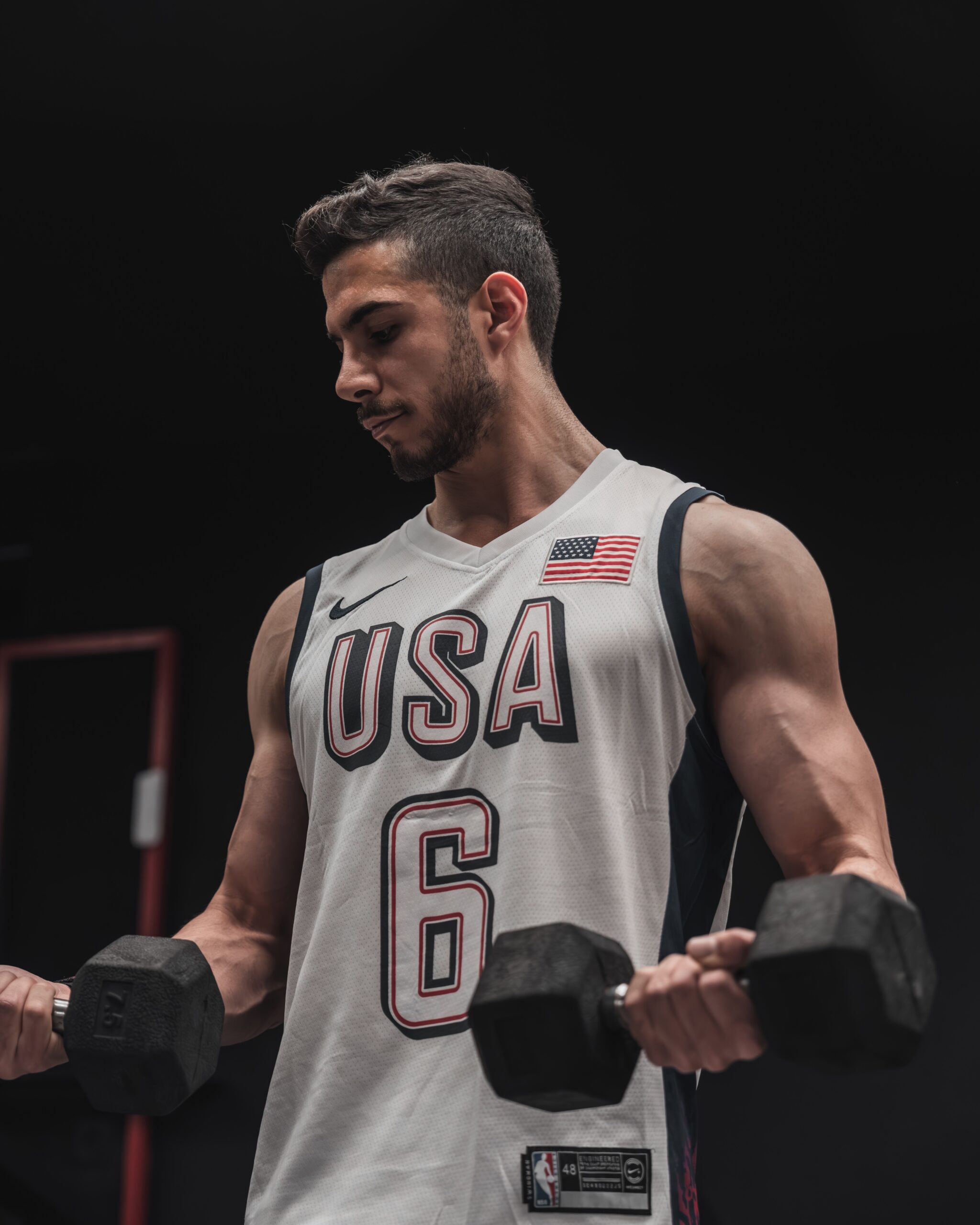
Arm Workouts To Enhance PowerAfter experimenting with various workout techniques, tailoring your routine to fit personal goals and capabilities sets the stage for lasting improvements. There is no one-size-fits-all in fitness, and understanding what works best for you ensures sustainability and progress.Begin by assessing your fitness level and personal objectives. Are you aiming for strength increases, muscle definition, or functional endurance? Setting clear, achievable goals helps structure your workouts effectively.Tracking your progress is key. Keep a workout journal or use apps to monitor weights, reps, and how your body responds over time. Adjust your routine based on this data to maximize results and stay on the right path.

Incorporating ample recovery time between intense workout sessions is as crucial as the workouts. Muscles repair and grow when at rest, so sufficient sleep and rest days prevent burnout and boost gains.Personalizing your arm workouts based on individual strengths and weaknesses creates a robust, enjoyable fitness journey. As you continually refine your approach, you embrace a strategy that promotes powerful, sustainable arm development.

https://amzn.to/4ohjSP4

http://www.wikipedia.or

Short But Strong: Top Muscle-Building Workouts Under 30 Minutes
 

The Benefits Of Regular Stretching For Flexibility

https://weightliftingforpower.com/the-benefits-of-regular-stretching-for-flexibility/

Stretching For Flexibility

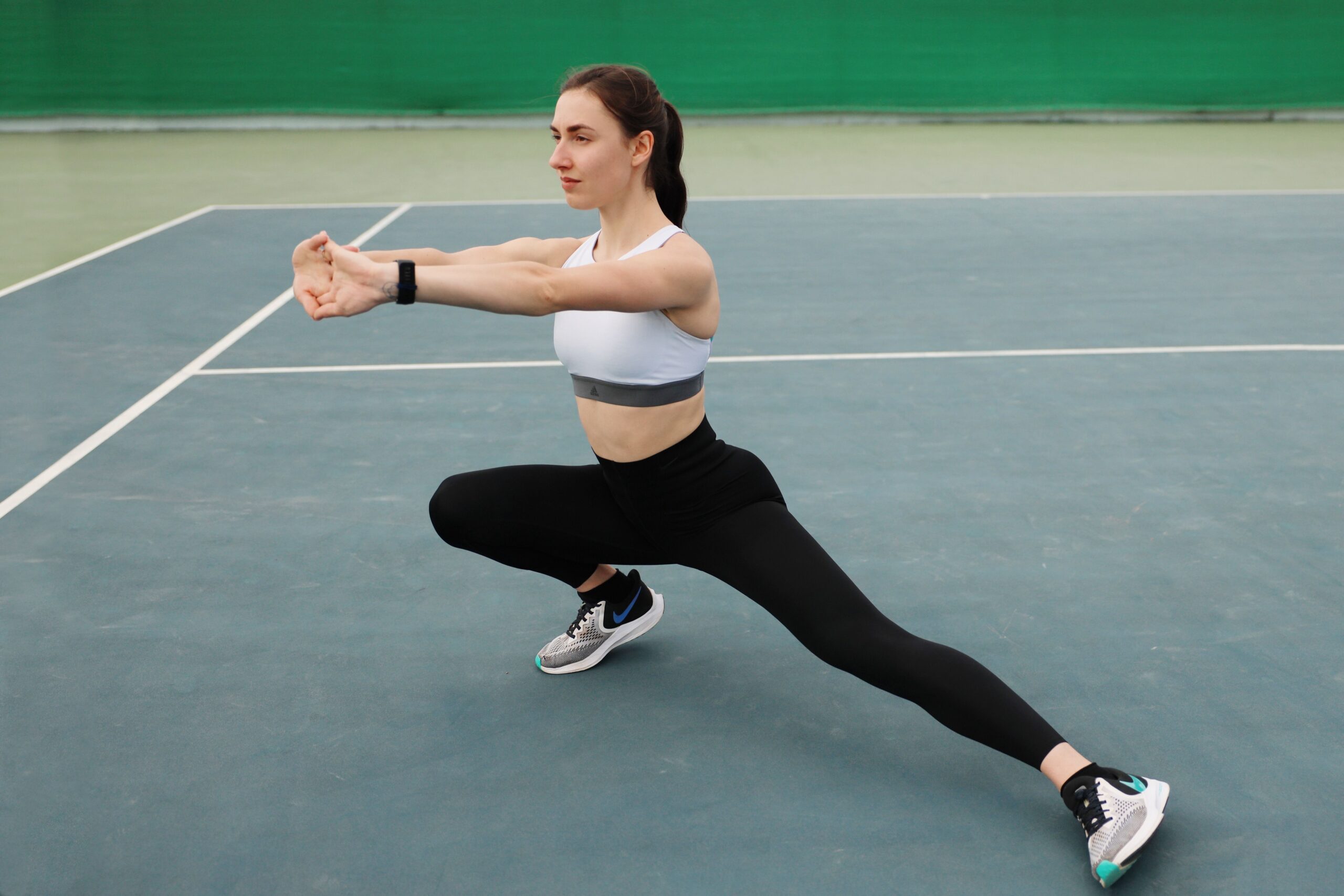
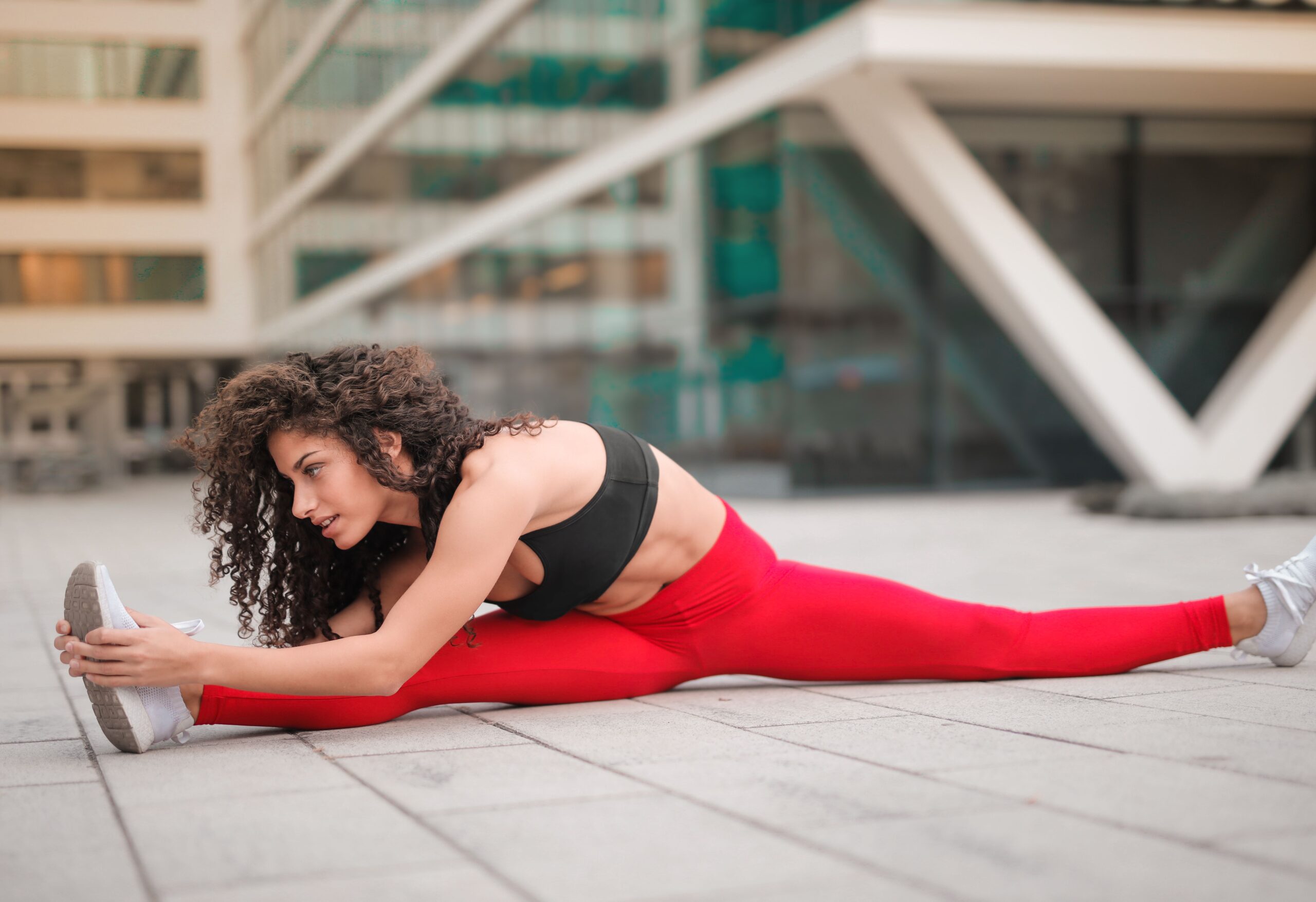
Flexibility isn’t just about touching your toes or doing the splits; it’s pivotal to maintaining an active, healthy lifestyle. When I talk about flexibility, I mean the ability of your muscles and joints to move through their full range of motion without restrictions. This capability affects almost everything we do physically, from walking to playing sports, and even how we sit at our desks.Many folks overlook flexibility, thinking it’s only necessary for gymnasts or yogis. But it’s essential for everyone, regardless of age or physical ability.

Stretching For Flexibility

Proper flexibility enhances your balance, strength, and endurance. For example, if your muscles are flexible, you’re more likely to perform better in various physical activities while reducing the risk of injuries.Some people think flexibility decreases naturally as we age and there’s nothing to be done about it. That’s a common misconception.

Stretching For Flexibility

While our muscles and joints tend to stiffen over time, regular stretching can help maintain or even improve flexibility at any age. This means fewer aches and pains as we grow older and makes everyday movements smoother and more comfortable.Think about all the daily activities that call for flexibility—tying your shoes, reaching for something on a high shelf, or getting in and out of a car. Incorporating stretching into your routine makes these tasks easier and helps prevent injury. By working on flexibility now, you’re investing in your long-term wellness and ensuring a better quality of life for years to come.

The Science Behind Stretching: How Regular Stretching Improves Flexibility

When it comes to stretching, it’s not just about feeling good; there’s real science behind its benefits. Stretching affects your muscles and joints on a physiological level, enhancing your mobility. When you stretch, you’re elongating your muscles, which improves pliability and reduces the risk of muscle tears during physical activity.Now, let’s talk about dynamic versus static stretching. Each has its own benefits.

Dynamic stretching involves moving parts of your body in a controlled manner, gradually increasing range of motion or speed. It’s great for warming up your muscles before a workout because it mimics the movements you’ll be doing. Static stretching involves stretching a muscle to its full range of motion and holding the stretch. This helps improve muscle length and should usually be done after exercise or when you’re warm.

Regular stretching supports muscle relaxation and helps alleviate tightness, improving your range of motion. Imagine your muscles are like rubber bands. If they’re tight, sudden movement can cause them to snap, but regular stretching keeps them loose and adaptable.Another benefit is increased blood flow. When you stretch, you stimulate circulation, which carries more oxygen and nutrients to your muscles, promoting faster recovery and less soreness after hitting the gym or being active.It’s clear that incorporating stretching into your routine isn’t just an optional add-on; it’s a fundamental component that can make a significant difference in how you move through the world. It’s about more than flexibility; it’s about optimizing your body’s potential.

Practical Steps for Incorporating Stretching into Your Routine

Crafting your own stretching routine can seem daunting, but it’s about simplicity and consistency. One of the best starting points is to set aside a specific time each day. You might prefer mornings to kickstart your day or evenings to unwind. Life can get hectic, so the key is to make stretching part of something you already do daily—like after brushing your teeth or before watching TV.For beginners, focus on major muscle groups like your calves, thighs, hips, lower back, neck, and shoulders. Hold each stretch for about 15 to 30 seconds. You don’t have to be super flexible right away; progress will come.

The idea is to stretch to the point where you feel tension but not pain.Timing matters too. Stretching isn’t one-size-fits-all, so listen to your body to find what works best. Some folks find stretching before a workout helps loosen them up. Others prefer post-workout to aid recovery. Each has its benefits, so try both to see what feels good.There are loads of techniques out there, from basic static and dynamic stretches to more advanced practices like yoga.

Experiment with exercises that target the specific areas you’re keen to improve.Motivation can be tricky, but try setting small goals. Over time, as you feel the benefits, it becomes more natural. Throw on some music or stretch while watching your favorite show—it can make things enjoyable and help you stick with it long-term.

Looking Ahead: Sustainability and Progression in Stretching Practices

As you incorporate stretching into your daily life, it’s important to keep track of your progress. By noting improvements in your flexibility over time, you can adapt your routine to keep challenging yourself. Whether it’s bending deeper or stretching longer, these achievements motivate you to keep going.Including lifestyle changes, such as adding yoga or Pilates to your weekly routine, can further complement your stretching efforts and contribute to a sustainable practice. These activities offer structured ways to engage your body through a range of movements that enhance flexibility and overall fitness.

Stretching For Flexibility

Don’t be discouraged if you encounter setbacks. Over-stretching is a common pitfall for beginners and can lead to discomfort or injury. Listen to your body and back off if something doesn’t feel right. A slow and controlled approach will always serve you well.Embracing flexibility isn’t just a short-term goal—it’s a lifelong journey. As you get older, maintaining this commitment can have significant benefits for both your physical and mental health. It’s about laying the groundwork now for a healthier, more active future. Every stretch you do is a step toward prolonged well-being, making daily tasks easier and enhancing your overall quality of life.

https://amzn.to/4ejU7Jl

http://www.wikipedia.org

WALKING FOR WELLNESS

Common Mistakes To Avoid When Using Kettlebells For Abdominals

Step-by-Step Kettlebell Routine For A Defined Midsection

Exploring Variations In Arm Workouts To Enhance Power And Performance

The Ultimate Guide To Short, Intense Muscle Building Workouts Continue reading “The Benefits Of Regular Stretching For Flexibility”

The Best 20-Minute Muscle Building Workouts

https://weightliftingforpower.com/the-best-20-minute-muscle-building-workouts/

Muscle Building Workouts

Time is precious, and the belief that building muscle demands endless gym hours is outdated. A structured 20-minute workout done with intensity and focus can deliver results comparable to longer sessions. The fundamental argument is this: effectiveness depends more on smart, focused effort than total duration.Many believe longer workouts automatically yield better results, but evidence and experience show otherwise.

The main point is it’s not about workout length but maximizing intensity and intention. Short, focused training sessions can trigger meaningful muscle growth within limited time.Brief but intense workouts help you build muscle and keep burning calories after you finish. This post-exercise perk means short sessions fit easily into a busy life while supporting muscle gains.To make the most of a 20-minute session, prioritize high-efficiency movements that engage the most muscle in the least time. Every minute should maximize muscle stimulation, proving that strategic, targeted training is more effective than just increasing time at the gym.

High-Intensity Compound Exercises

Compound exercises maximize short workouts. These multi-joint, multi-muscle movements deliver broad benefits and quick results.Squats, deadlifts, and bench presses remain the best for quick muscle gains. They maximize muscle use and boost your metabolism post-workout. Add pull-ups or overhead presses to increase engagement and overall strength.When raising intensity, maintain safety. Progressive overload, gradually increasing weight or reps, ensures progress without sacrificing form.

The Best 20-Minute Muscle Building Workouts
Athletic male focused on strength training while lifting a barbell in a gym setting.

Proper technique protects against injury while maintaining effectiveness.Compound exercises shine because they activate multiple muscle groups, letting you achieve more with less time. This multiplies strength and endurance gains, reaffirming that short, strategic workouts can rival longer routines in effectiveness.

Bodyweight vs Weight Training: What’s Best for 20 Minutes?

For quick muscle gains, both bodyweight exercises and weight training offer benefits. Your goals and resources should guide your choice.Bodyweight exercises like push-ups and pull-ups build strength without equipment. They focus on functional fitness and are adaptable for all fitness levels.Free weights can speed muscle gain.

The Best 20-Minute Muscle Building Workouts

Dumbbell presses and bent-over rows isolate muscles and build strength. Select challenging weights without sacrificing form.Mixing bodyweight and weight training increases versatility, keeps routines engaging, and targets muscles from different angles for balanced development and fewer plateaus.Balancing endurance and strength is essential in a time-limited workout. By blending high-rep bodyweight circuits with heavier, lower-rep weight training, you cover all fitness bases. This shows that carefully selected 20-minute routines can yield well-rounded, impressive results.

Crafting Your Personalized 20-Minute Muscle Building Plan

Start with clear, realistic fitness goals. Whether bulking, toning, or boosting general fitness, clear goals help tailor your 20-minute workout.Assess your fitness level. Knowing your strengths and weaknesses guides your exercise choice and helps prevent overtraining and injury.A balanced routine should include exercises targeting different muscle groups plus appropriate rest periods. Shorter workouts don’t mean skimping on quality. Including rest days and active recovery helps maintain long-term progress and avoid burnout. Key takeaway: Quality, variety, and rest optimize muscle building in limited time.

Track your progress to see how your body responds to exercises and to varying intensities. Journals or apps help you spot trends and adjust to keep challenging your muscles.Form matters, even with limited time. Using proper technique gets the best results and prevents injury. Quality beats speed or rep count, building a strong foundation.

Are you short on time but eager to build muscle effectively? With busy schedules becoming the norm, many find it challenging to dedicate hours to the gym yet still want to achieve their fitness goals. This article explores the best 20-minute muscle-building workouts that fit seamlessly into your routine. We discuss the benefits of high-intensity training and the importance of compound exercises for maximizing muscle engagement. We also provide a variety of sample workouts for different fitness levels to help you build strength efficiently.

http://www.wikipedia.org

http://www.amazon.com

5 Advanced Kettlebell Moves To Sculpt Your Abs

Benefits Of Incorporating Kettlebells Into Your Core Workout

Kettlebell Core Circuits To Burn Fat And Build Muscle

Kettlebell Swings And Their Impact On Abdominal Muscles

Top 10 Kettlebell Exercises For A Stronger Core

%Back exercises for seniors%
With a very toned back

Short But Strong: Top Muscle-Building Workouts Under 30 Minutes
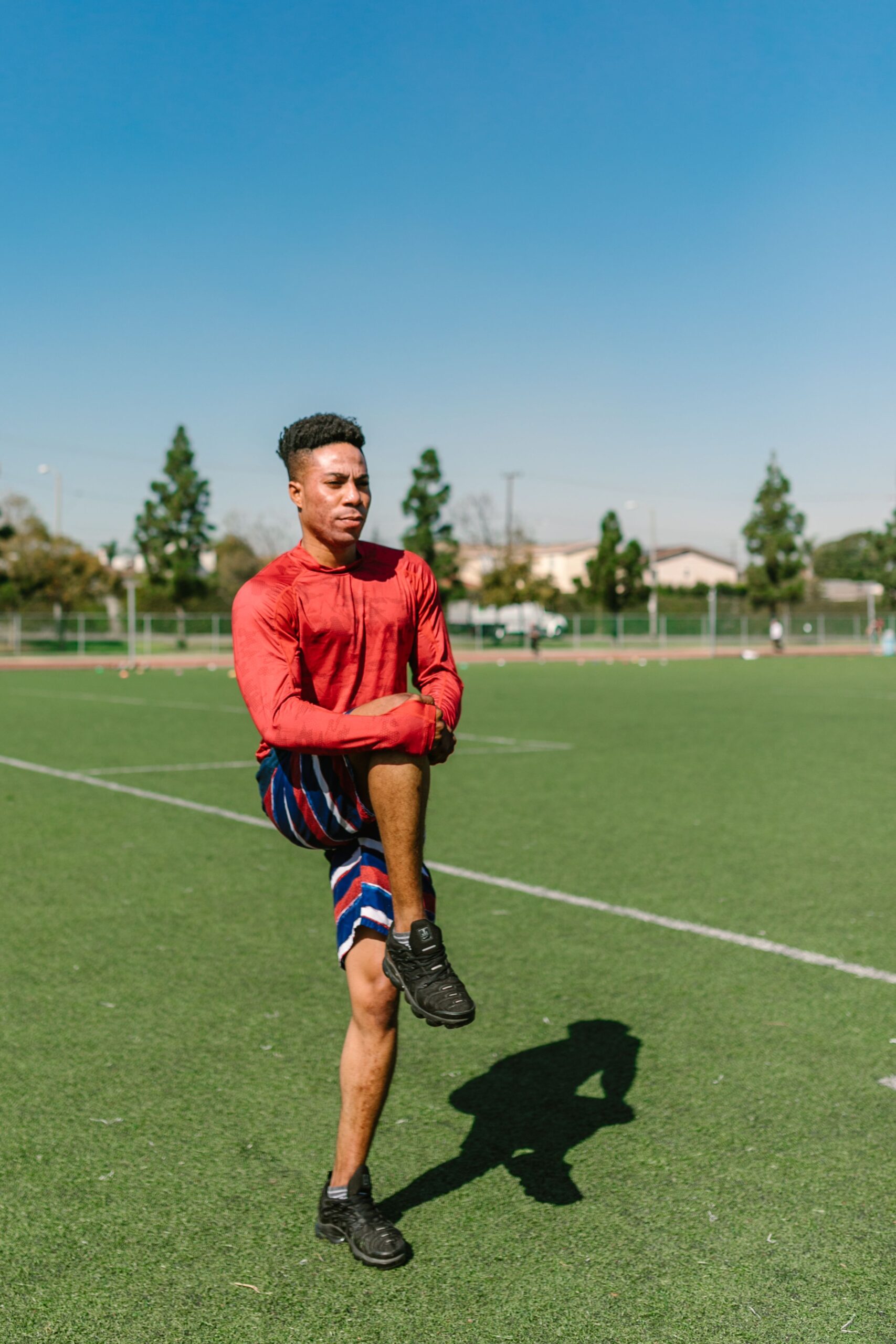
https://weightliftingforpower.com/short-but-strong-top-muscle-building-workouts-under-30-minutes/

Top Muscle-Building Workouts

Short workouts have been gaining traction, and it’s not just hype. Science supports the idea that you don’t need to spend hours at the gym to see real results. When you engage in short, intense workouts, you tap into an efficient way to boost your fitness. This approach triggers a powerful hormonal response that ramps up muscle growth and fat burning. It’s about working smarter, not longer. Comparing brief, intense sessions with traditional gym marathons reveals notable benefits.

Top  muscle building workouts under 30 minutes

Longer workouts often lead to fatigue, which can cause poor form or a lack of motivation, while shorter ones keep you fresh and focused. They also fit neatly into a busy schedule, making it less likely you’ll skip a session. Think of short workouts as the espresso shot of fitness—quick and powerful. For those with jam-packed days, the main appeal of short workouts is the balance they offer.

You can engage all essential muscle groups without rearranging your entire day. It’s a win-win for your calendar and your body. As schedules tighten, squeezing in a 20-minute sweat session is more appealing than an hour-long exercise block. There’s a myth that shorter workouts compromise results, but that’s not the case. The key is intensity and structuring the workout so each minute counts. It’s about dynamic movements that keep your heart rate up and muscles challenged. It’s not about doing less but doing more in the given time.

Powerful Core and Full-Body Strength Routines

Getting a comprehensive workout doesn’t mean hitting every machine in the gym. High-intensity interval training, or HIIT, is ideal for building muscle efficiently. These workouts combine bursts of intense effort with short rest periods, so your body continues to burn calories long after you’ve finished. Compound exercises are essential. Moves like squats, deadlifts, and bench presses engage multiple muscle groups at once, providing more bang for your buck in less time. You want exercises that challenge your muscles, promote growth, and keep your routine interesting.

Top muscle building workouts

Top building muscle workouts

Crafting a balanced plan isn’t just about repetition but variety. Mixing routines helps target various muscle groups effectively, avoiding overtraining while maintaining full-body strength. This approach prevents injuries and keeps workouts from becoming monotonous. Need inspiration? Picture a 15- 20-minute session starting with compound moves, then transitioning into quick-paced HIIT exercises. Mixing jumping jacks, lunges, and push-ups can kickstart your fitness journey. The beauty lies in flexibility and adaptability, ensuring these workouts never become just another chore.

Equipment-Free Workouts: Build Muscle Anytime, Anywhere

The beauty of bodyweight workouts is their versatility. They’re not just for beginners or cardio fans. When done correctly, exercises like push-ups, planks, and squats effectively build muscle—no dumbbells required. You use your body’s weight for resistance, which is as challenging as any machine. For those wanting extra challenge without lugging equipment, consider portable tools. Resistance bands can enhance your usual moves without taking up space. They’re great for travel and add an extra layer to any bodyweight routine. Tailoring bodyweight workouts to different fitness levels prevents plateaus.

Beginners focus on foundational moves, while seasoned pros modify exercises or increase reps to maintain progress. You can always level up by increasing intensity, speed, or volume. Transform any space into your personal gym. Whether your living room or office, a little creativity is all it takes. A sturdy chair or couch can double as equipment for dips and step-ups. This adaptability keeps you consistent wherever you are during the day.

Nutrition and Recovery: Essential Tips for Busy Lifestyles

A powerful workout is only half the battle in building muscle. Nutritional strategies play a big part in maximizing benefits. It’s about fueling your body right. Focus on protein-rich foods like lean meats, beans, and nuts to support muscle repair and growth. Proper hydration is crucial for maintaining energy, especially during high-intensity sessions. Recovery shouldn’t be overlooked. Giving your muscles time to repair and strengthen is vital. This doesn’t mean just lounging around. Active recovery, like light stretching or a leisurely walk, promotes blood flow and reduces soreness. Some supplements can aid muscle recovery and performance when exercise time is limited.

Consider branched-chain amino acids (BCAAs) or protein powders if you struggle to meet nutritional needs through diet alone. These can be a convenient addition to your routine . Integrating healthy lifestyle habits brings everything together. Regular sleep, stress management, and a balanced diet build a solid foundation supporting your workout goals. These habits ensure you’re not just building muscle but maintaining overall well-being.

https://amzn.to/43q9Otd

Benefits Of Regular Arm Workouts For Seniors

https://weightliftingforpower.com/benefits-of-regular-arm-workouts-for-seniors/

Arm Workouts For Seniors

As people age, their bodies undergo various changes. Muscle mass and strength often decline. This reduction affects daily functions, making simple tasks challenging. For seniors, regular arm workouts help counteract this decline, improving strength and maintaining independence.Arm strength plays a crucial role in everyday activities. Whether lifting groceries, bathing, or holding a cup of tea, strong arms make these movements smoother and more manageable.

By incorporating arm exercises into their routine, seniors can improve mobility and maintain a better quality of life.Regular exercise is not just about maintaining muscle. Consistent arm workouts reduce the risk of injuries like fractures or falls. Stronger muscles support joints more effectively, decreasing the likelihood of serious injury. This helps maintain autonomy and confidence in daily tasks.

Unlocking Health Benefits: From Improved Heart Health to Mental Well-being

Arm Workouts For Seniors

Arm Workouts For Seniors

Arm workouts for seniors offer many health benefits beyond physical strength. Regular arm exercises improve heart health by boosting circulation, lowering blood pressure, and helping manage weight, all critical for a healthy heart.In addition to physical health, regular exercise brings psychological benefits. Exercise releases endorphins, the body’s natural mood enhancers. This leads to improved mood, increased energy, and a boost in self-esteem.

For seniors, these mental benefits promote a more positive outlook on life.There is a link between physical activity and cognitive function. Staying active with consistent arm workouts can slow cognitive decline often associated with aging. This means not just a healthier body but a sharper mind.Continuing these healthy habits can lead to a longer, more enjoyable life. Many studies suggest that seniors who stay physically active enjoy better quality of life and longevity. Arm workouts, by improving physical and mental health, are a crucial part of this lifestyle.

Creating an Inclusive Exercise Routine: Tailored Arm Workouts for Senior Needs

Designing an effective arm workout routine for seniors involves focusing on safety, simplicity, and suitability. Exercises should be tailored to individual capabilities and health conditions to ensure workouts are manageable and beneficial.Low-impact exercises are ideal because they put less strain on joints while building strength. Chair-based exercises or water aerobics are great options. Both offer gentle resistance, strengthening arm muscles without risking injury.Proper form is key to getting the most from arm workouts.

Performing each exercise correctly ensures muscles work effectively and reduces strain risk. Consider consulting a physical therapist or fitness professional to learn proper techniques.Warm-ups and stretching are vital components often overlooked. They prepare muscles for exercise and help prevent injuries. Starting sessions with gentle stretches loosens muscles and improves blood flow, while cool-down stretches aid muscle recovery.

Tools of the Trade: Equipment and Resources for At-Home and Community Exercises

Arm Workouts For Seniors

Arm workouts do not require elaborate equipment or gym trips. Simple, cost-effective tools can be used at home. Resistance bands and light dumbbells are excellent for gradually building strength. These tools allow a variety of exercises targeting different arm muscles.For those who enjoy social settings, joining community exercise classes can be beneficial. Many local centers offer senior-friendly programs that encourage physical activity and foster social interaction.

Exercising with peers adds fun and motivation.For seniors working out at home, digital resources have made fitness more accessible. Many online platforms provide guided workouts designed for seniors. These resources offer flexibility, letting users follow at their own pace and comfort level, ensuring safety.Building a workout routine that includes regular arm exercises is a valuable step towards improved health and happiness. With the right tools and resources, seniors can enjoy the benefits of staying active while enhancing both physical and mental well-being.

Incorporating regular arm workouts into a senior’s fitness routine offers significant benefits, such as increased strength, improved mobility, and better overall health. These exercises also support confidence and independence in daily life. When prioritizing fitness, seniors should choose safe, effective arm exercises that meet their individual needs. How could a consistent arm workout routine enhance your health and well-being in later years?


https://amzn.to/4f9GheH

How To Strengthen Your Back Safely After 60

https://weightliftingforpower.com/how-to-strengthen-your-back-safely-after-60/

Back exercises for seniors

Having a strong back is vital for staying mobile and independent, especially as you age. The back supports much of our movement and daily activities, so it’s crucial for maintaining a good quality of life. A healthy back plays a huge part in reducing pain and avoiding limitations as we grow older.As we age, our bodies undergo changes that contribute to back problems, such as decreased bone density and muscle mass. Many elders face issues like osteoporosis or arthritis, which make daily tasks challenging. But knowing what you’re up against helps you address these challenges head-on.It’s a common myth that after a certain age, strengthening your back is off the table. The truth is, it’s never too late.

back exercises for seniors

back exercises for seniors

Starting a back-strengthening routine at any age can enhance your vitality and independence. Evaluating what’s holding you back and busting those myths can open new doors to improving your overall health.Remember, strengthening your back can drastically improve your day-to-day comfort and long-term wellness. So, get to know the specific needs of your back, and take confident steps towards a stronger, healthier you.

Safe and Effective Exercises for Back Strengthening

Finding the right exercises that fit your needs is crucial when you’re over 60. Engaging in expert-recommended exercises can be a game-changer, strengthening your back and boosting your overall well-being. Tailored exercises ensure each movement supports your body safely, reducing injury risk while improving strength.Low-impact exercises like swimming and yoga are excellent for strengthening the back.

back exercises for seniors %Back exercises for seniors%

These activities increase flexibility and balance without straining muscles. Water’s buoyancy in swimming relieves joint pressure, while yoga enhances core strength and posture. Mixing these activities into your routine can lead to significant benefits over time, making them ideal for older adults.Building a back-strengthening routine doesn’t have to be complicated. Choose a mix of exercises you enjoy and can consistently perform. Incorporating gentle stretches, such as cat-cow or seated twists, can be effective. Simple movements like wall sits or standing desk push-ups are great places to start.

Aim to perform these exercises a few times a week to see improvements.Listening to your body is essential. Watch for warning signs like sharp pain or discomfort that doesn’t ease after exercise. It’s okay to feel a gentle stretch, but if you hurt, modify the movement or take a break. Always prioritize safety over pushing too hard, and consult a healthcare professional when creating your workout plan.

The Role of Nutrition and Lifestyle in Back Health

Back health isn’t just about exercise. Nutrition and lifestyle choices play a major role in how your back feels and functions. Eating right supports your general health and specifically bolsters spinal health and muscle strength, creating a foundation for a pain-free life.Certain nutrients support bone and muscle health. Calcium and vitamin D are fundamental for bones, while proteins help muscle repair and growth. Incorporating foods like leafy greens, dairy, fatty fish, and nuts can make a noticeable difference.

Supplementing your diet with these nutrients aids your back’s support system, helping it stay strong and resilient.Managing your weight is important. Excess weight, especially around your midsection, puts additional strain on your lower back, worsening pain over time. Maintaining an ideal weight relieves this pressure, contributing significantly to better back health.Never underestimate staying hydrated.

Adequate water intake ensures your spinal discs, major components of your back’s structure, remain nourished and flexible. Dehydration can cause stiffness and discomfort, so drinking enough fluids throughout the day is key.Lifestyle tweaks can enhance back health. Habits like using ergonomic furniture, avoiding long periods of sitting, and getting enough sleep help maintain a healthy back. Implementing these effective lifestyle changes complements your exercise routine and supports your journey to strengthen your back.

Tools and Resources for Safe Back Strengthening

Accessing the right tools and resources can make your back-strengthening journey smoother and more effective. The world is more connected than ever, offering numerous options to support your wellness journey.Technology offers many apps and devices designed to keep you engaged and informed. Fitness apps are abundant, many tailored specifically for seniors. They guide you through exercises, set reminders, and track progress, keeping you motivated and accountable on the go.

Exercising at home with the right equipment can enhance your workout. Essentials like resistance bands, low-weight dumbbells, and an exercise mat provide versatility and comfort. These tools increase workout effectiveness without requiring bulky or expensive equipment.Considering professional guidance can also be beneficial. A physical therapist or certified trainer who understands the specific needs of older adults can offer personalized advice, ensuring your routine is safe and effective. Their expertise can tailor exercises to accommodate any existing health conditions or limitations you might have.

Online communities and support groups can be invaluable. Connecting with others who share your goals provides encouragement and tips. This camaraderie is uplifting and inspiring, making the process physically rewarding and socially enriching.All these tools and resources put you in control of your back-strengthening journey, empowering you to make informed choices for your health and well-being.

https://amzn.to/4uqqm0c

http://www.wikipedia.org

https://weightliftingforpower.com/arm-workouts-for-seniors/

https://weightliftingforpower.com/home-arm-exercises-for-people-over-60/

https://weightliftingforpower.com/back-exercises-for-older-adults/

https://weightliftingforpower.com/abdominal-exercises-that-challenge-you/

Best Strength Training Plans For Women Over 40

https://weightliftingforpower.com/best-strength-training-plans-for-women-over-40/

Training Plans For Women Over 40

As women reach 40, their bodies begin to change, especially with a decline in muscle mass. This affects more than appearance; muscle mass plays a crucial role in overall health. With age, metabolism slows, leading to weight gain and difficulty maintaining muscle tone. Strength training combats these changes by boosting metabolism, supporting a healthy weight, and preserving muscle mass.One key benefit of strength training is its positive effect on bone density. As women age, bone density decreases, raising the risk of fractures and osteoporosis.

Regular strength training enhances bone strength and reduces these risks, making daily activities safer. It also keeps joints healthy, lowering the chance of joint pain and discomfort.Many believe strength training will bulk women up undesirably. In reality, building muscle efficiently sculpts a toned, defined physique.

Women naturally have lower testosterone than men, so developing the same bulk is unlikely. Instead, women gain improved muscle tone and strength, enhancing performance in daily tasks and hobbies.Beyond physical benefits, strength training supports mental well-being. It reduces stress and improves mood by releasing endorphins, the body’s natural mood enhancers. Strength training is not just about looking good; it’s about feeling strong, confident, and capable, especially after 40.

Tailoring a Strength Training Plan Based on Individual Needs

 Training Plans For Women Over 40

 Training Plans For Women Over 40

Creating a strength training plan that fits personal needs and goals is crucial. It starts with assessing current fitness levels to ensure a safe, effective approach. Whether you’ve been active or resting recently, knowing where you stand is the first step to building a beneficial routine.Understanding your body composition and health conditions shapes how you train. If you have arthritis or physical limitations, customizing exercises to avoid strain while maximizing benefits is key. Consulting a healthcare provider or fitness specialist can help tailor your program to your situation.

Goals play a major role in shaping your strength-training routine. Whether improving mobility, boosting endurance, or targeting muscle tone, each goal requires a different focus. Identifying these steers your routine in the right direction, ensuring you get the most from every session. It’s not a one-size-fits-all, especially for women over 40. Beginners might start with core bodyweight exercises, while intermediates could incorporate resistance bands or light weights. Advanced practitioners might include free weights and more complex movements. Choosing the right exercises ensures progression without overwhelming the body, keeping workouts effective and safe.

Building an Effective Strength Training Routine: Core Principles and Exercises

Crafting a strong strength training routine involves understanding different exercise types. Bodyweight workouts are a great start, using your own weight to build muscle and strength. Resistance bands offer a versatile middle ground, adding variety and intensity without heavy equipment. For those wanting more challenge, free weights increase load as strength grows.Focusing on fundamental exercises is essential to any effective plan. Squats and lunges target multiple muscle groups, including legs, glutes, and core. Deadlifts build back and lower body strength, while push-ups target arms, chest, and shoulders. Variations of these exercises tailor workouts to ability and goals, progressively challenging the body.When structuring your routine, consider frequency, intensity, sets, and reps to maximize results.

Training two to three times a week balances recovery with consistent progress. Lift intensity should be challenging but manageable, increasing progressively as strength builds.Variety keeps the body guessing and prevents plateaus. Mix your routine by alternating exercises and trying new equipment. This challenges muscles and keeps workouts interesting and engaging.An effective routine includes warm-up and cool-down phases. These prevent injury and enhance recovery, helping you return stronger and fitter. Mobility exercises and stretches prepare the body and aid recovery after workouts.

Maintaining Motivation and Safely Progressing in Your Strength Training Journey

Setting achievable goals is a powerful way to stay motivated on your strength training journey. Clear, realistic targets provide direction and purpose. Track progress with a journal or fitness app, noting improvements in strength, endurance, or mood. Seeing your progress can inspire and push you to keep going.Hitting a plateau is a common fitness hurdle. To overcome it, shake things up. Introduce new exercises or change your routine. Increase weight or add reps or sets to challenge muscles. Varying your schedule or adding a new class can reignite motivation and stimulate progress.

Recovery is as important as the workout. Adequate rest, proper nutrition, and hydration help the body repair and strengthen after training. Sufficient protein supports muscle recovery, and hydration keeps bodily functions running smoothly. Take days off or do lighter activity to let muscles heal.Finally, build mental resilience to stay engaged with your training. Face setbacks with a positive mindset and remember progress is a journey, not a race. Celebrate small successes and reach out to your support system—friends, trainers, or online communities—when you need encouragement. This makes the process both a physical and mental transformation.

https://amzn.to/4tO0hae

Walking For Wellness: Best Practices For Seniors

https://weightliftingforpower.com/walking-for-wellness-best-practices-for-seniors/

Walking For Wellness:

Everyone knows staying active is key to maintaining health, especially as we get older. Walking is one of the simplest and most effective ways to keep moving. But why is it particularly good for seniors? Walking is low impact, helps strengthen muscles, supports joint health, and benefits the heart. It’s also an excellent way to keep your mind sharp and your spirits high.Some folks might wonder if walking is enough exercise. Could it be too mild to count? Or maybe it’s too risky for those with certain health conditions? The truth is, with proper precautions, walking is safe and beneficial for most seniors.

Consulting a healthcare provider before starting is a good step.Exercise isn’t only about breaking a sweat; it’s also about boosting overall well-being. Regularly putting in those steps can improve longevity. Benefits range from improved cardiovascular health and better sleep to decreased stress and a richer social life. Clearly, the rewards of walking go beyond the physical; it enhances quality of life significantly.

Walking For Wellness: Best Practices For Seniors

Walking For Wellness: Best Practices For Seniors

Preparing for Your Walking Journey

Before hitting the pavement, gearing up properly can make a difference. Safety is the top priority. Pay attention to your surroundings and choose well-lit paths. Consider the time of day, aiming to avoid peak traffic or harsh weather.Footwear is crucial. The right shoes provide support and comfort, reducing injury risk. They should have non-slip soles and cushioning. Proper attire matters too. Wear layered, breathable clothing to adapt to changing temperatures.Don’t forget to hydrate. Dehydration can sneak up during walks, affecting performance and safety. Carry a water bottle and a light snack.

Fueling your body properly helps keep energy steady.Setting realistic goals is important. Start with short distances, gradually increasing as comfort and stamina build. Pacing yourself prevents burnout and makes the journey more enjoyable. Logging your walks and progress can motivate you as you see improvements.

Making the Most of Your Walks

When walking, it’s not just about putting one foot in front of the other. Adding balance and strength exercises brings added benefits. Simple moves like calf raises or leg lifts can be done during a stroll. They strengthen muscles that support balance and stability.Making your walks a mental retreat is another opportunity. Practicing mindfulness while walking can be as simple as focusing on breaths or tuning into surroundings.

Walking meditations reduce stress and improve the experience, making each walk refreshing and restorative.Finding ideal paths to walk can enhance enjoyment and motivation. Parks, nature trails, or quiet neighborhood streets provide a pleasant backdrop. Varied environments keep things interesting and inspire a strong walking habit.Socializing during walks adds engagement. Walking with a friend or joining a group can make your walk feel less like a chore and more like a social outing. Sharing the journey often leads to greater commitment and joy.

Tracking Progress and Staying Motivated

Tracking your progress can give you an extra push when needed. Wearable tech like pedometers or fitness trackers help monitor how far you’ve come and where you’re headed. These gadgets offer real-time feedback, making it easier to stay on track with your walking goals.Creating a walking routine that fits into daily life is key. Whether a morning ritual or after-dinner habit, consistency helps solidify walking into your lifestyle. Routines don’t have to be rigid; adapt them based on weather and energy levels.

Celebrating milestones is crucial. Acknowledging achievements, no matter how small, boosts confidence and enthusiasm. Whether hitting a new distance or keeping to your schedule for a month, each success is worth recognizing.Having a support system makes a difference. Joining walking groups or local programs provides encouragement to keep going. Sharing experiences and accomplishments fosters community and accountability. This support network can be a lifeline, especially on days when motivation dips.

https://amzn.to/4uWgBXf

http://www.wikipedia.org

Cardio Workouts Tailored For Individuals 60 And Older

https://weightliftingforpower.com/cardio-workouts-tailored-for-individuals-60-and-older/

Cardio Workouts offer a fantastic way to keep the heart healthy as we age. It’s crucial not just for maintaining good health but also for boosting longevity and quality of life. For seniors, staying active through cardio improves overall well-being.You might wonder why cardio is specifically recommended. It helps improve mental health by naturally reducing stress and anxiety. For many, it also enhances sleep quality, ensuring restful nights. Cardiovascular activities lower the risk of chronic diseases like hypertension, diabetes, and some types of cancer.Various studies support the effectiveness of cardio exercises for older adults.

Research shows regular physical activity significantly reduces the chances of heart disease, a common concern. Data also show seniors who engage in regular cardio have lower rates of depression and anxiety, providing strong evidence of its benefits.Social elements of cardio shouldn’t be overlooked. Participating in group activities like walking clubs or swimming classes adds a social aspect to staying fit, making exercise a fun and engaging way to build and maintain friendships. It’s not just about physical health; it also boosts morale.

Starting with Safe and Simple Cardio Exercises

Cardio Workouts Tailored For Individuals 60 And Older

Cardio Workouts Tailored For Individuals 60 And Older

Getting into a cardio routine doesn’t have to be complicated, especially if you’re starting out or returning to fitness. Starting small and sticking with it is key. For those in their 60s and beyond, focusing on gentle yet effective exercises is crucial.Walking is one of the easiest and most accessible forms of cardio. It’s low impact and requires no special equipment—just a good pair of shoes.

Regular brisk walks work wonders for the heart, improve circulation, and boost mood.Cycling, especially on a stationary bike, is another excellent option. It’s gentle on the joints and can be adjusted to match your fitness level. You can pedal at your own pace and gradually increase it as your endurance improves.Swimming and water aerobics are perfect for reducing joint stress while still providing a full-body workout.

The water adds resistance, making muscles work harder, yet the buoyancy helps support the body, reducing the risk of injury.Before starting, warming up and stretching are essential. Stretching loosens muscles and reduces the chance of strains or sprains. Light stretching before and after exercises, focusing on all major muscle groups, helps keep things safe.Experts often stress the importance of taking it slow, especially if you’re new to cardio. Start with about twenty minutes per session, and as you build confidence and strength, gradually increase duration and intensity. Everyone’s pace is different, so listen to your body and move at a pace that feels right.

Customizing Cardio Workouts for Individual Needs

Everyone’s fitness journey is unique, especially with cardio. Tailoring workouts to personal health considerations is important. Whether you have arthritis, joint pain, or another concern, modifications can accommodate your needs.Low-impact workouts are often recommended for those with joint issues. Swimming and cycling allow movement without much strain. Simple exercises like low-step aerobics also fit well into a routine, offering cardio benefits without overstraining the body.For those who enjoy the outdoors but face limitations, walking on even terrain or using hiking poles provides stability and support.

Alternatively, treadmills with supportive handrails can be beneficial. Finding what works best in your environment makes exercising more comfortable and empowering.Technology plays a helpful role. Fitness trackers and heart rate monitors help track progress and ensure you exercise within a safe range. These tools provide insights into how your body responds, enabling adjustments as needed.Testimonials from others in the community can provide inspiration and practical advice. Many have found success by adapting routines that fit their lifestyle, preferences, and physical needs. Hearing peers’ stories about finding the right balance in workouts can be incredibly motivating and reassuring.

Staying Motivated and Overcoming Challenges

Getting and staying motivated in a fitness routine can be tough, especially with life’s hurdles. But maintaining motivation is crucial for progress and well-being. For many seniors, the key is setting realistic, achievable goals that act as stepping stones rather than distant desires.One way to stay motivated is to track progress visibly. Watching improvements over time, like longer distances walked or more consistent heart rates, can be a powerful motivator, turning abstract goals into tangible milestones.Challenges often appear as physical discomfort or lack of time. Strategies to overcome these include setting a regular time slot for exercise to weave it into your daily routine.

Morning walks or early evening swims ensure it becomes part of the day, like brushing your teeth.Finding a workout buddy can make a big difference. Having someone to chat with and share the experience brings a social element to staying fit, creates accountability, and makes each workout something to look forward to rather than a chore.Celebrating achievements, no matter how small, is important. Whether adding an extra five minutes to your walk or consistently attending a weekly class, every milestone deserves recognition. This positive reinforcement keeps the journey enjoyable and worth continuing.

https://amzn.to/4nHWVUJ

http://www.wikipedia.org

Top 10 Low-Impact Exercises Perfect For Those Over 60

https://weightliftingforpower.com/top-10-low-impact-exercises-perfect-for-those-over-60/

Exercises Perfect For Those Over 60

Staying active after 60 is more than keeping the pounds off; it’s a gateway to a healthier life. While our bodies may not bounce back as quickly, they still benefit from regular exercise. Low-impact exercises are perfect for maintaining mobility and vitality without straining joints.Low-impact exercises are easy on your joints. They focus on fluid movements that benefit cardiovascular health, increase muscle strength, and enhance flexibility while minimizing injury risk. They are a win-win for those wanting to stay fit without the high risk of intense workouts.

The benefits of these exercises aren’t just physical. Regular activity can lift your mood, boost energy, and help manage chronic conditions like arthritis. It enhances your quality of life, where every step or stretch contributes to feeling your best.Setting realistic fitness goals is key to staying motivated. Start where you are, not where you think you should be. Whether a 10-minute walk or gentle yoga, consistency matters. Celebrate small victories and challenge yourself within safe limits. Your goal is to make movement a regular part of your routine, enhancing life day by day.

Smooth Moves: Top 5 Varieties of Low-Impact Cardio

Exercises Perfect For Those Over 60

Walking is the most natural and accessible form of low-impact cardio. It requires no fancy equipment, just good shoes and a willingness to step outside or use a treadmill. Gentle on joints, this simple exercise benefits heart health and helps maintain a healthy weight. Adding it to daily routines can be as easy as strolling through your neighborhood or a nearby park.Water aerobics turns cardio into a fun, refreshing activity. Exercising in water provides natural resistance that boosts muscle strength while reducing joint stress. The buoyancy also lessens discomfort during movements, making it ideal for arthritis or joint pain.

Cycling, on a stationary bike or a bicycle path, offers excellent low-impact cardio. It gets your heart pumping while being gentle on knees and hips. Stationary bikes let you adjust settings to match your fitness level, helping you build endurance at your own pace.Elliptical machines simulate walking or climbing without footfall impact.

They engage both upper and lower body, providing a comprehensive workout that burns calories and builds cardio strength without discomfort.Dancing might not seem like exercise, but it is a heart-healthy activity as enjoyable as it is beneficial. It ranges from structured classes to spontaneous sessions in your living room. Rhythm and music make it feel less like work and more like a hobby that gets you moving and lifts your spirits.

Strength with Ease: Top 3 Low-Impact Strength Exercises

Chair exercises offer a practical way to build strength without leaving your seat. They focus on core strength, balance, and endurance. Simple movements like seated leg raises or chair squats can make a big difference over time. They are a great start if you’re new to strength training or have mobility issues limiting standing workouts.Resistance bands are versatile tools for low-impact strength workouts.

They come in various strengths to suit fitness levels and help target specific muscle groups with ease. Exercises like bicep curls or seated rows can be done with resistance bands, making them perfect for building muscle while keeping the body gentle.Tai Chi combines gentle movements with deep breathing to enhance balance and strength. It boosts physical strength and calms the mind, making it an excellent way to reduce stress.

The rhythmic motions improve circulation and flexibility and can be adjusted to any fitness level, offering a holistic approach to bone and muscle health. Top 2 Flexibility and Relaxation ExercisesYoga gently stretches and strengthens your body through poses that enhance flexibility. Designed for all levels, variants like Hatha or restorative yoga focus on simple postures held longer.

This practice improves joint health, posture, and mental relaxation, which helps with everyday stress.Pilates emphasizes core strength and stability, fostering better balance and coordination. Its low-impact nature lets you improve alignment and flexibility with little risk. Simple mat routines with controlled movements effectively engage various muscle groups.

This exercise improves posture and reduces back pain.While staying active is crucial, it’s equally important to value rest and recovery. Incorporating relaxation techniques after workouts is as important as the exercise itself. Simple breathing exercises or meditation help your body recuperate and reduce tension from workouts. Prioritizing downtime ensures muscles repair and strengthen, keeping you ready and motivated for your next session.

https://amzn.to/4tEBTI8

http://www.wikipedia.org

https://weightliftingforpower.com/abdominal-exercises-that-challenge-you/

https://weightliftingforpower.com/beginner-friendly-abdominal-

exercises/

https://weightliftingforpower.com/cardio-and-abdominal-workouts/

https://weightliftingforpower.com/leg-workout-program/

https://weightliftingforpower.com/weightlifting-accessories/